REVIEW · HIKING & TREKKING
From Hanoi: 2 Days Sapa Trek & Fansipan Adventure with Dcar
Book on Viator →Operated by SST TRAVEL · Bookable on Viator
Sapa hits you fast: colorful ethnic minority life, rice-terrace walking, and big views toward Fansipan. I also really liked the logistics—an air-conditioned Dcar limousine that makes the Hanoi-to-Sapa day feel less like a slog—and the included 3-star hotel with good food after the first trek. The only real caution: this is real walking, and the second day includes an up-and-down option (Ham Rong hike or an extra Fansipan trip that’s not included).
If you want a focused 2-day taste of northern Vietnam—costumes, villages, and valley scenery—without planning a thing, this kind of set route works well. With a small max group size (10 travelers), your English-speaking guide can keep the day moving while still giving you time at the villages.
In This Review
- Key highlights at a glance
- Hanoi to Sapa the easy way: Dcar 9s comfort and a real start time
- Day 1: Cat Cat Village downhill—views, costumes, and the waterfall break
- The 3-star hotel pause matters more than you think
- Day 2: Dragon’s Jaw (Ham Rong) vs optional Fansipan adventure
- Option A: Trek up Ham Rong (Dragon’s Jaw)
- Option B: Go for Fansipan (extra cost)
- Lao Chai and Ta Van: village culture beyond the postcard
- Lao Chai: Black H’mong daily life
- Ta Van: Tay minority, Chinese influence
- Price and logistics: why $95 can be good value (and when it isn’t)
- Comfort vs hiking reality: who this trek suits best
- The one thing I’d watch: pickup smoothness
- Should you book this Dcar 2-Day Sapa Trek & Fansipan adventure?
- FAQ
- What is the duration of this tour?
- How much does it cost?
- Where does pickup happen in Hanoi?
- What meals are included?
- Is a hotel included?
- Is an English-speaking guide included?
- Are entrance fees included?
- Is Fansipan included in the price?
- What fitness level do I need?
- What’s the group size?
Key highlights at a glance
- Dcar 9s Hanoi–Sapa–Hanoi rides: comfortable, air-conditioned, easy start for a short trip
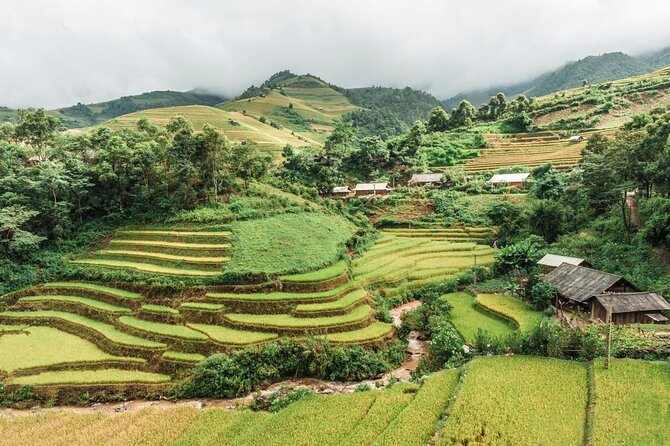
- Cat Cat Village downhill walk: views down Muong Hoa Valley toward Fansipan
- Black H’mong stilt houses: weaving, embroidering, and clothes-drying you can see close up
- Cat Cat Waterfall stop: a natural pause that breaks up the trekking rhythm
- Lao Chai + Ta Van village time: Black H’mong daily life and Tay culture with Chinese influence
- Two day options on Day 2: Ham Rong (Dragon’s Jaw) trek, or go for Fansipan by train/cable car (extra)
Hanoi to Sapa the easy way: Dcar 9s comfort and a real start time
Most people underestimate how tiring the travel can be when you only have 2 days. Here, the tour begins early with pickup or a meet-up at Hanoi Opera House (1 Tràng Tiền, Phan Chu Trinh, Hoàn Kiếm). The start window is 6:30–7:00am, and then you head straight to Sapa.
What makes this ride worth caring about is comfort and timing. The tour uses an air-conditioned limousine (Dcar 9s) for Hanoi–Sapa–Hanoi, which matters when you’re about to walk the next day. One of the most praised parts of the experience is that the journey didn’t feel like a long, painful half-day. That’s exactly what you want on a short break: arrive feeling human, not like a stiff marionette.
Practical tip: be ready early at the meeting point. There was at least one unhappy moment in the experience related to pickup not going smoothly for one person. I can’t control that, but you can. Show up on time, confirm where you’re meeting, and keep your mobile ticket handy so you can point it out fast if anything feels confusing.
You can also read our reviews of more hiking tours in Hanoi


Day 1: Cat Cat Village downhill—views, costumes, and the waterfall break
Sapa town is your first shock of color. You’re not just seeing the scenery; you’re seeing the people and their traditional clothing—groups like H’mong, Dzao, and Tay (as described in the tour overview). It’s a good “orientation” moment. Before you walk, you get your bearings on what Sapa is really about: highland culture living alongside valley farming.
Then you start the walk that takes you downhill toward Cat Cat Village, which sits near the bottom of Muong Hoa Valley. This downhill routing is smart for a first day. It gives you that classic valley perspective without turning Day 1 into a leg-crusher.
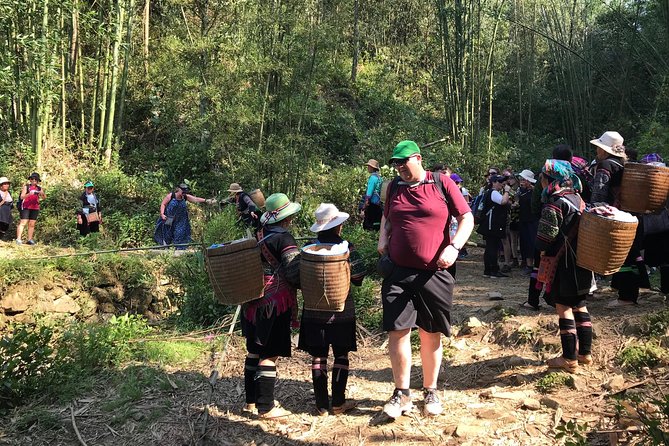
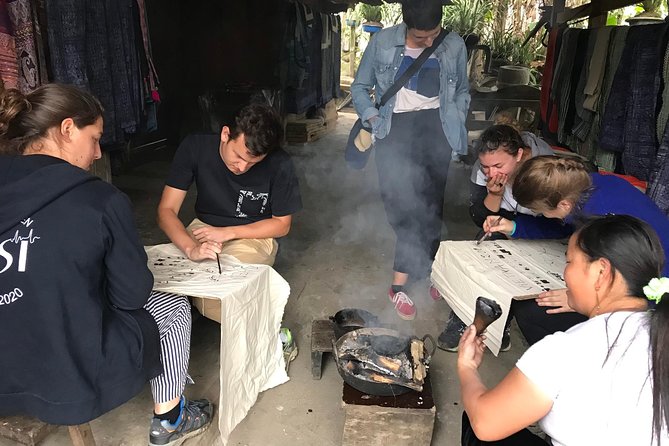
During the time at Cat Cat, the focus is on everyday craft and home life. You’ll have a chance to visit Black H’mong traditional stilt houses and watch activities like:
- weaving
- embroidering
- drying clothes
That’s more meaningful than just “look at a house.” You’re seeing work that’s part of daily rhythm. You’ll likely find the best moments are when you slow down and let your guide interpret what you’re looking at—especially if you’re curious about how clothing and fabric traditions connect to community life.
And yes, there’s also the Cat Cat Waterfall. It’s a relief from trekking pace and an easy photo-and-breathe moment. The route is paced so you can enjoy it, not just stamp through it.
Timing-wise, Day 1 is built around arriving in Sapa around 1:00pm, lunch and check-in at a 3-star hotel, then a 2:30pm start for the trek to Cat Cat, returning around 5:00pm.
The 3-star hotel pause matters more than you think
This is a short tour, and the day includes real movement. So the included hotel stay (one night at 3-star) isn’t a throwaway detail. It’s what turns a “possible” itinerary into one you can enjoy.
After the Day 1 walk, you get back around 5:00pm and have time to rest. That break helps you enjoy the Day 2 morning without rushing. One review called out that the hotel food was very good, and I agree that when you’re on a tight schedule, good meals make a big difference.
Also, because the trip includes breakfast and two lunches, you’re not constantly hunting for food options right after trekking. You can plan around your energy levels instead of chasing dinner at the end of a long day.
Day 2: Dragon’s Jaw (Ham Rong) vs optional Fansipan adventure

Day 2 starts early again with breakfast, then check-out in the morning. You’ll be in the 7:00–8:30am breakfast window, and then around 9:00am you either head out for walking or choose another route depending on your preference.
Here’s the key choice:
Option A: Trek up Ham Rong (Dragon’s Jaw)
You can trek up Ham Rong Mountain, also known as Dragon’s Jaw. Even though the tour is only about 2 days, this gives you a more “active” second day experience. A morning climb tends to feel best because the air can be cooler and the light is often more forgiving for photos.
You can also read our reviews of more tours and experiences in Hanoi
- Doris Cruise 5 star cruise 2 days visiting Halong Bay Lan Ha Bay private balcony
★ 5.0 · 2,338 reviews





Option B: Go for Fansipan (extra cost)
You can also travel to Fansipan by train and cable car, but this is explicitly not included in the tour. That means if Fansipan is your main goal, you should budget for the additional transport, and accept that your schedule shifts around that choice.
This is where your priorities matter. If you want a moderate trek with big views and you like the rhythm of village walking, Ham Rong can be the win. If you want the headline peak, plan for Fansipan as a separate expense.
Either way, you’re starting your Day 2 with a purposeful morning. This tour doesn’t pretend you’ll do everything effortlessly—you do the highlights, then you move on.
Lao Chai and Ta Van: village culture beyond the postcard
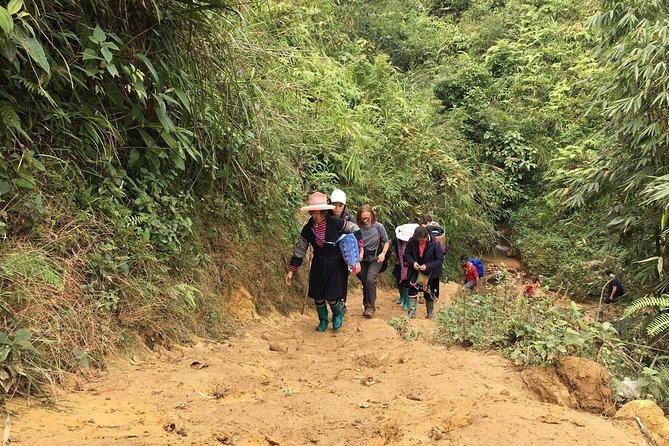
After the morning portion on Day 2, the tour continues into more village culture. The overview you get is clear: beyond Cat Cat, you keep moving through the region toward Lao Chai and Ta Van.
Lao Chai: Black H’mong daily life
Lao Chai is where you get a closer feel for Black H’mong daily life and traditional culture. This fits naturally after Cat Cat because the theme repeats in a deeper way: not only visiting a scenic village, but seeing how people live day to day—again with an emphasis on the kind of crafts and routines that shape community identity.
Ta Van: Tay minority, Chinese influence
Then there’s Ta Van village, home to the Tay minority, and the tour highlights that you’ll see a strong influence from Chinese culture. That detail matters. It tells you this isn’t only one group’s story—it’s a layered view of how cultures mix in the mountains.
In practice, what I like about this part is that it slows you down just enough to notice the small things: how people move, how the terrain shapes daily tasks, and how the valley farming backdrop connects everything.
Price and logistics: why $95 can be good value (and when it isn’t)
The price is $95 per person for a 2-day package. On paper, that can sound “cheap” compared to other trekking packages. In reality, value depends on what you get bundled.
Here’s what’s included that reduces your planning load:
- English-speaking guide
- Air-conditioned vehicle and the limousine Dcar 9s transfer Hanoi–Sapa–Hanoi
- 1 night in a 3-star hotel
- Entrance fees
- Breakfast
- Lunch (2)
- Pickup offered and mobile ticket
What’s not included:
- Drinks in meals and anything else not listed
- Tax and tips
- Single room surcharge
- Fansipan cable car (and the Fansipan train/cable car option itself is not included)
- Holiday surcharge
So is it good value? For many people, yes—because the big costs for a short trip tend to be transport, guide time, and lodging. Here, those are covered. Also, the small group size (max 10) usually means less waiting and easier pacing than big bus tours.
When it might not be value: if your must-do is Fansipan by cable car/train and you’ll also want lots of drinks and personal stops. That extra spending can change the final “all-in” price fast. Still, the tour gives you a built-in alternative (Ham Rong trek), so you’re not forced into the most expensive option.
Comfort vs hiking reality: who this trek suits best
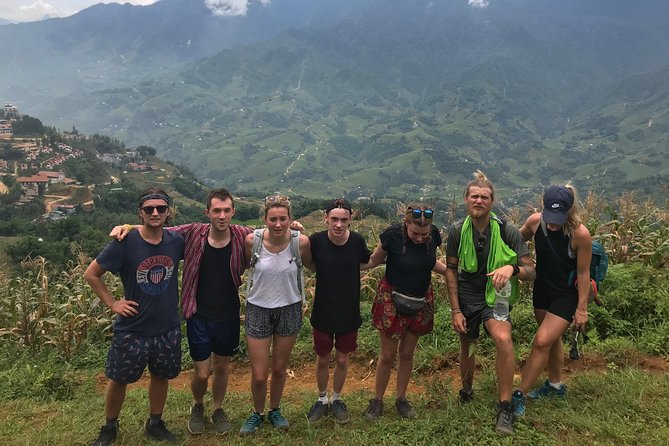
This tour is aimed at travelers with moderate physical fitness. That wording is important. You’re not doing extreme mountain climbing, but you are walking between villages and up a mountain option on Day 2.
If you:
- want a structured 2-day Sapa experience
- like village culture and craft details
- prefer guided routes with transport handled
- can handle some uphill/downhill trekking
…this fits well.
If you don’t like walking, or you’re traveling with mobility limits, you’ll likely feel stressed by the trekking time. The itinerary is built around movement, not a “drive and look” format.
And one more reality check: start times are early. Even if you sleep well, you’ll be out the door early, twice. That’s the trade-off for compressing Sapa highlights into two days.
The one thing I’d watch: pickup smoothness
The overall feedback is strong—recommended by 94% with a 4.8 rating from 35 reviews. The standout praises are comfort (especially the limousine ride) and the organized feel of the trip, plus the hotel food.
But there was at least one complaint about pickup going badly at the start, with the driver refusing the pickup in a situation that sounded like a mismatch between where the person expected to be picked up and where the driver was looking. You can’t fix every situation from your side, but you can dramatically lower your risk:
- be at the meeting point early
- confirm the exact pickup location with your guide/operator when you get confirmation
- keep your mobile ticket ready
If you do that, the trip’s strengths—comfort, pacing, and culture-focused stops—are much more likely to shine.
Should you book this Dcar 2-Day Sapa Trek & Fansipan adventure?
I’d book this if you want a clean, guided Sapa trek that hits the big cultural stops—Cat Cat Village, Black H’mong stilt houses, Cat Cat Waterfall, then Lao Chai and Ta Van—with transportation and lodging handled. The combination of Dcar comfort, English-speaking guidance, hotel + meals, and entrance fees included makes it a strong value for a short stay.
I wouldn’t book it if you’re mainly chasing one thing—like a must-do Fansipan cable car experience—without wanting to handle the extra cost and schedule around it. Also skip if you want minimal walking; this plan is built on trekking.
If you’re flexible and you like real village life (not just viewpoints), this is a solid 2-day plan that gets you out of Hanoi, into the valley, and back with your legs tired in a good way.
FAQ
What is the duration of this tour?
It’s approximately 2 days.
How much does it cost?
The price is $95.00 per person.
Where does pickup happen in Hanoi?
Pickup or meet-up starts at Hanoi Opera House, 1 Tràng Tiền, Phan Chu Trinh, Hoàn Kiếm, Hà Nội. The start time is 6:30am.
What meals are included?
Breakfast is included, and lunch is included twice.
Is a hotel included?
Yes. You get one night in a 3-star hotel.
Is an English-speaking guide included?
Yes, an English-speaking guide is included.
Are entrance fees included?
Yes, entrance fees are included.
Is Fansipan included in the price?
No. Fansipan cable car/train options are not included.
What fitness level do I need?
The tour is described as suitable for travelers with moderate physical fitness.
What’s the group size?
The group size is capped at a maximum of 10 travelers.
You Might Also Enjoy




More 2-Day Experiences in Hanoi
- Doris Cruise 5 star cruise 2 days visiting Halong Bay Lan Ha Bay private balcony
★ 5.0 · 2,338 reviews