REVIEW · HIKING & TREKKING
From Hanoi: 2 Day Sapa Trekking To Village & Bungalow, Meals
Book on GetYourGuide →Operated by DGB - INDOCHINATODAYTRAVEL · Bookable on GetYourGuide
Sapa starts the moment the bus leaves Hanoi. This 2-day trek pairs Muong Hoa Valley walking with a Ta Van homestay night, so you’re not just sightseeing—you’re moving through rice country with ethnic communities around you. You also get practical structure: an English-speaking guide, set village stops, and meals timed to the hiking.
The route is active, and you’ll want to go in with eyes open for salesy moments around markets. I’d also strongly confirm what your package covers so you don’t get surprised later about Hanoi–Sapa–Hanoi transport details, since that has caused confusion for some people.
In This Review
- Key Points Before You Go
- Sapa Trek From Hanoi: What This 2D1N Tour Actually Covers
- Day 1: Hanoi to Sapa, Y Linh Ho to Lao Chai, Then Ta Van Homestay
- Lunch in Sapa Town, then right into the hike
- Timing and pacing note
- The Ta Van Bungalow Night: Family Time, Sunset, and Simple Evening Life
- What to expect comfort-wise
- Day 2: Rice Paddies, Bamboo Forest, Giang Ta Chai, and the Red Dzao Connection
- Afternoon in Sapa Town before the bus back
- Price and Logistics: Where the Value Comes In, and What to Confirm
- Markets and shopping pressure
- Packing and Fitness: The Sapa Cold, the Fog, and Your Feet
- Wear and bring what the itinerary asks for
- Weather note: fog happens
- Cash matters in Sapa
- Who This Trek Fits Best (and Who Might Prefer Another Style)
- Should You Book This Sapa Trekking and Homestay Tour?
- FAQ
- What time does the pickup happen in Hanoi?
- How far do you hike on Day 1 and Day 2?
- Where do you stay overnight?
- What meals are included?
- Do you trek with an English-speaking guide?
- Is there a solo traveler surcharge?
- What should I pack for the Sapa weather?
- What time do you return to Hanoi on Day 2?
Key Points Before You Go
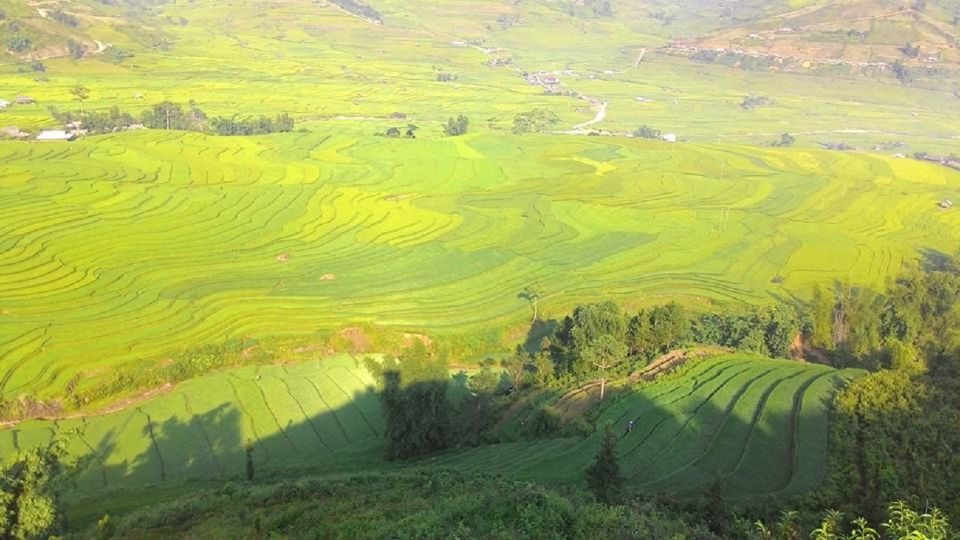
- Muong Hoa to Ta Van: about 9km (roughly 3.5 hours) on Day 1 through rice terraces and along Muong Hoa Stream
- Giang Ta Chai Day Trek: about 4km (roughly 2 hours), including bamboo forest and a bridge crossing
- Ta Van bungalow night: stay with a local family in the Ta Van area, with time for sunset and possibly cooking together
- Ethnic village route: H’mong, Dzao, Tay, Black Hmong, Giay, and Red Dzao areas come up along the way
- Meals and minerals included: 1 breakfast, 2 lunches, 1 dinner, plus mineral water
- Good planning matters: some inclusions can feel unclear, so verify bus transfer and anything you’ll pay cash for
Sapa Trek From Hanoi: What This 2D1N Tour Actually Covers
This Sapa 2D1N from Hanoi (offered by DGB – INDOCHINATODAYTRAVEL) is built around two things you’ll feel immediately: long road time first, then serious time on foot. The day structure is tight enough that you’ll see more than you could comfortably do on your own without local connections—especially with a homestay night and an English guide.
The value here is that the tour tries to bundle the messy parts. You get a modern bus pickup from Hanoi, an English-speaking guide, homestay lodging in Ta Van, and meals (1 breakfast, 2 lunches, 1 dinner). You’re also not left floating: the hiking distances are listed, and the schedule gives you a clear start and finish.
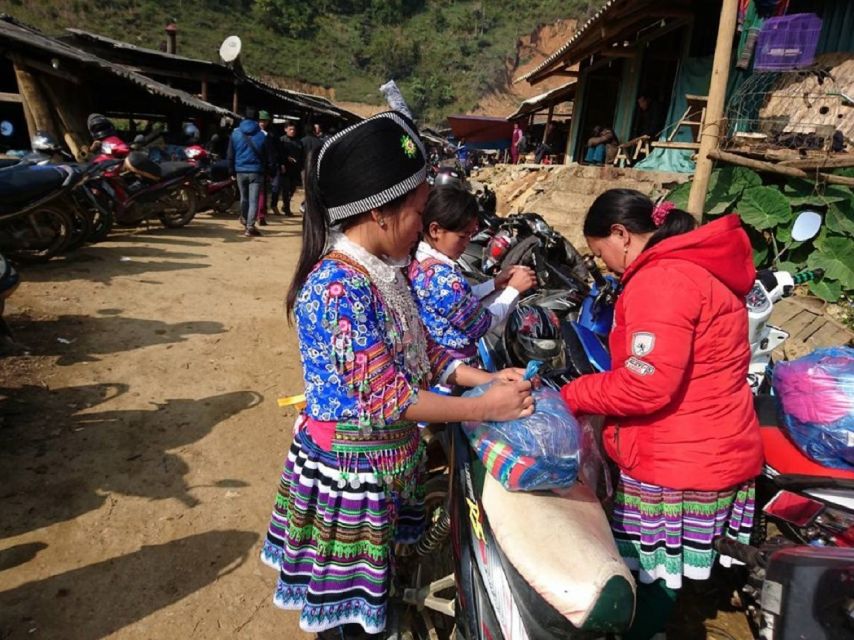
That said, Sapa is also a place where people earn income in many ways, including selling items to trekkers. You’ll be close to local culture—and that’s the point—but it can also mean interruptions when you want quiet photos.
You can also read our reviews of more hiking tours in Hanoi

Day 1: Hanoi to Sapa, Y Linh Ho to Lao Chai, Then Ta Van Homestay
Your day starts early. Pickup is around 06:00–06:30 in the Hanoi Old Quarter; if you’re staying outside that area, you’re typically asked to be ready at Hanoi Opera House at 06:00. Then it’s a long, comfortable bus ride south through Lao Cai and on toward Sapa.
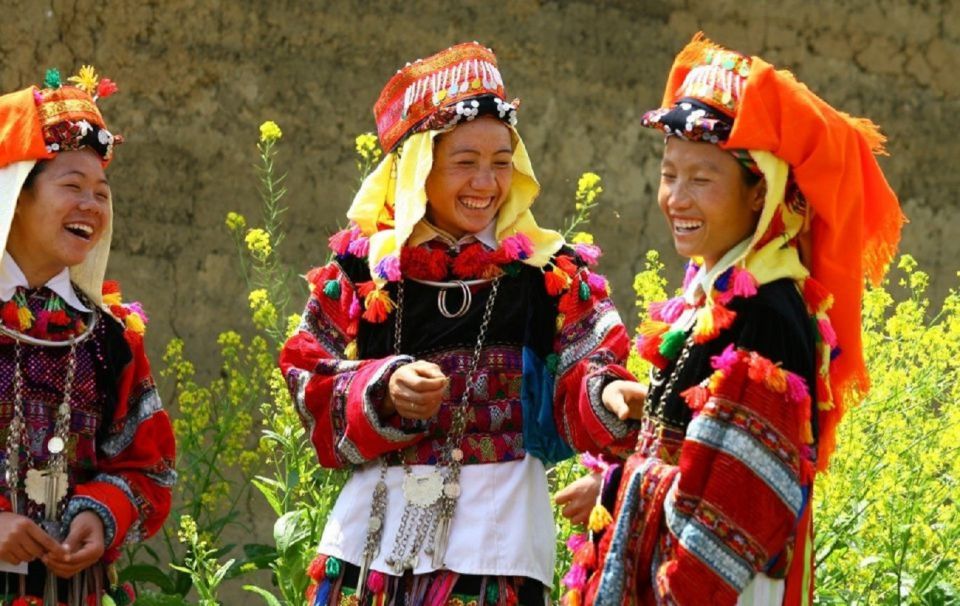
Along the way, the bus builds in two rest stops—one around Lao Cai city and another before reaching Sapa Town. The arrival time matters because your Day 1 hiking starts the same afternoon. Once you reach Sapa Town, you’ll typically see people in traditional costumes (H’mong, Dzao, Tay are specifically named), which sets the tone for what comes next.
Lunch in Sapa Town, then right into the hike
After arriving, you have lunch at a local restaurant. This is smart timing because the first trek segment is where the legs work.
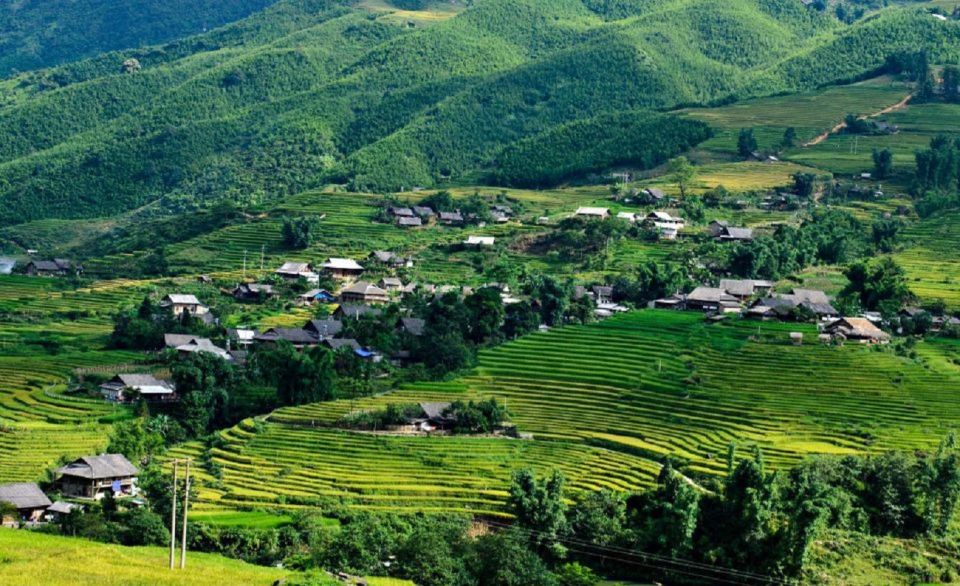
Then comes the main hike for Day 1, starting with Y Linh Ho. From there you’ll walk through rice terraces and alongside the Muong Hoa Stream, heading toward Lao Chai, described as a Black Hmong village. This is the part where the valley views come in and the air feels noticeably cooler and fresher.
As you get closer to the end of Day 1, you’ll approach Ta Van, where the Giay ethnic group is associated with the area. The Day 1 trek is listed at about 9km (around 3.5 hours).
Timing and pacing note
Nine kilometers in mountain terrain is not a casual stroll. It’s doable for many visitors, but you’ll want decent hiking shoes and a steady pace. If you’re prone to getting tired early, start slow on the first stretch—your feet will thank you later.
The Ta Van Bungalow Night: Family Time, Sunset, and Simple Evening Life

Once you arrive in Ta Van, check-in happens in the late afternoon (the schedule places it around 17:45). You’ll stay in a local homestay bungalow, and you’ll get time to settle in and meet the family.
This is where the tour shifts from “scenic walk” to “real-life village rhythm.” You’re not just passing through; you’re sleeping in the community. The schedule includes time to enjoy mountain life on sunset, and you might be able to join in with cooking local dishes with the family. Even if you don’t participate, you’ll likely notice how the evening is paced—calm, practical, and geared toward the family rather than entertaining crowds.
Dinner is included, and the tour leaves space in the evening for optional social time. There’s also mention of a nearby local bar with music, where you can meet other tourists if you feel like it.
You can also read our reviews of more tours and experiences in Hanoi
- Doris Cruise 5 star cruise 2 days visiting Halong Bay Lan Ha Bay private balcony
★ 5.0 · 2,338 reviews





What to expect comfort-wise
The tour’s lodging style is described as a homestay bungalow, not a resort. That usually means simpler conditions, more basic facilities, and less control over exact comfort than big hotels. On the plus side, you gain proximity to local life. For me, that trade-off is worth it if you’re flexible and curious.
Day 2: Rice Paddies, Bamboo Forest, Giang Ta Chai, and the Red Dzao Connection

Day 2 begins with breakfast prepared by the family—another small but meaningful difference from a hotel tour. Around 08:00, you start walking again.
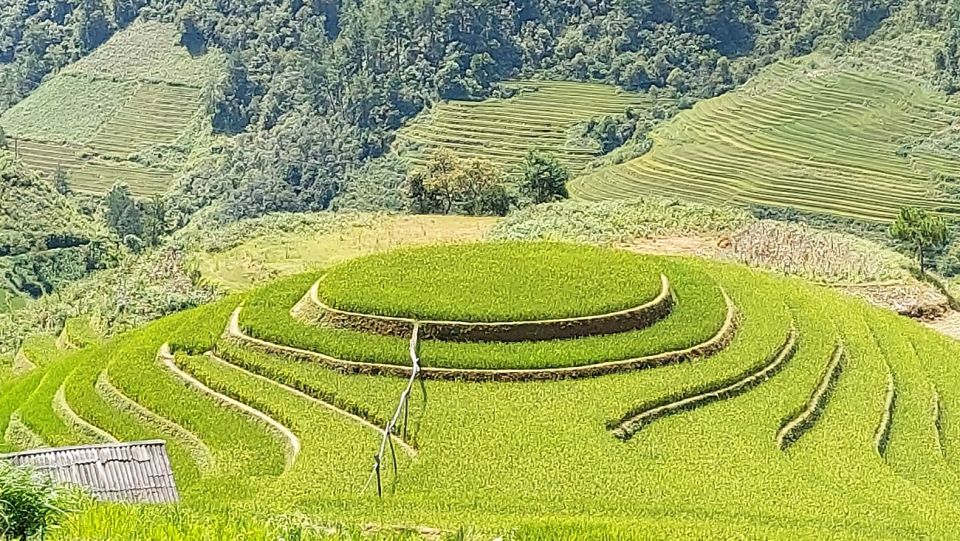
This trek segment is shorter than Day 1, listed at about 4km (roughly 2 hours), and it’s designed for great viewing without turning into a full marathon. You head toward rice paddies first, with a photo session built in. This matters because on trek days, the best views often depend on when the light hits and whether you’re stopped long enough to actually look.
Then you’ll pass through a bamboo forest, and you’ll pause for a panorama viewpoint of Giang Ta Chai village. This village is specifically associated with the Red Dzao people. It’s the cultural highlight of Day 2 in this itinerary: not just walking in the mountains, but seeing the community tied to the surrounding terrain.
After the viewpoint, the hike continues toward Giang Ta Chai Bridge and then back to the main road. Once you’re back, you get time to shower, then lunch returns the energy to practical mode: lunch is included and scheduled around 12:30–13:30.
Afternoon in Sapa Town before the bus back
After lunch, a pickup takes you to the bus station area. There’s then a window of free time from about 14:00 to 15:00. You can use this for light shopping or just a slow walk around Sapa Town.
Then you regroup at 15:00–15:30 to get ready for the return trip. The bus ride includes two rest stops again, and you reach Hanoi around 21:30–21:45.
Price and Logistics: Where the Value Comes In, and What to Confirm
At $87 per person, this tour is priced like a solid bundle deal rather than a bare-bones hike. You’re paying for transportation (at least a modern bus pickup from Hanoi plus a return), an English guide, meals, the homestay night, and listed admission fees. Mineral water is also included.
Here’s the practical math mindset: bus transfers alone can cost a lot in time and money when you factor in booking hassle. Add a guided trek and meals, and the homestay becomes the piece that brings the experience closer to locals.
But I’d be careful about one thing: inclusions can sometimes feel unclear when operators communicate differently. Some people have reported confusion about whether the Hanoi–Sapa–Hanoi transfers were fully included, and they were asked to pay in cash for tickets later. The tour details you have here say you get a modern bus pickup from Hanoi, but because the experience can vary by operator setup, do this quick check before you pay:
- Confirm the return bus is included for your exact date and your pickup point
- Ask what, if anything, is cash-only upon arrival
- Ask whether admission fees are already bundled in your confirmed price
Markets and shopping pressure
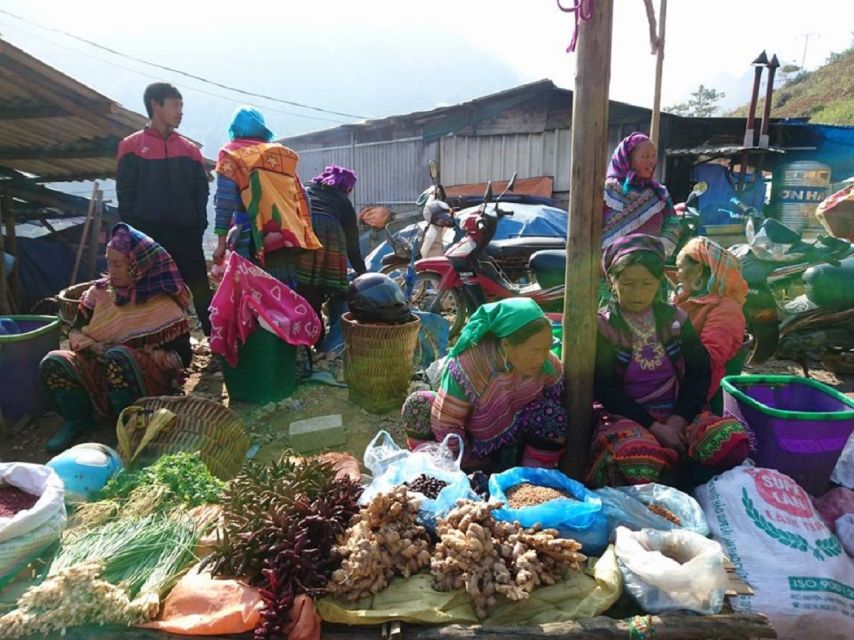
Another real-world point: when you stop near villages and market areas, people may approach you to buy items. Sometimes the sales pitch is direct and fast. Sometimes it’s harder to communicate what’s actually included in a purchase. Keep your head steady, and if you don’t want to shop, just say no once and keep walking. It usually gets easier once you set expectations for yourself.
Packing and Fitness: The Sapa Cold, the Fog, and Your Feet
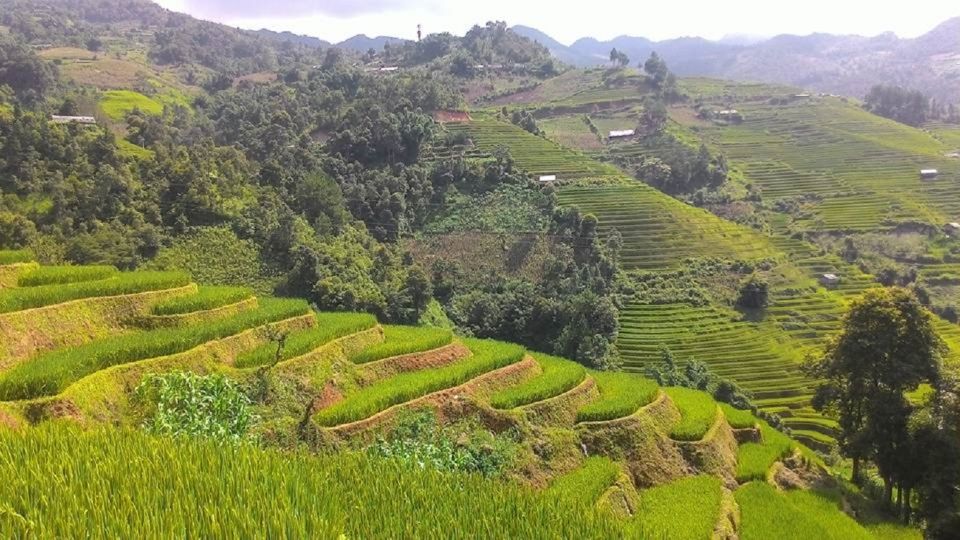
This trip explicitly calls for a good level of physical fitness. That’s not a scary warning—it’s just honest. Your legs will do meaningful work on Day 1 (about 9km) and then a second push on Day 2 (about 4km). The elevation and mountain footing are the real story, not the total distance alone.
Wear and bring what the itinerary asks for
You should bring:
- Hiking shoes (proper traction helps on uneven paths)
- Sunglasses
- Sun hat (and also a hat)
- Scarf and warm layers from October to March
- Insect repellent and sunscreen
- Passport or ID card
- Medicine
Weather note: fog happens
Because Sapa is at altitude, fog can show up in December to March. If you’re traveling in those months, pack for low-visibility walks: warmer layers, a scarf, and something wind-resistant. Fog can make photos less perfect, but it can also make the air feel even cooler—just be ready for reduced views.
Cash matters in Sapa
Take cash in Vietnam Dong, because the banking system in Sapa sometimes doesn’t function well. US Dollar, Euro, and Australia Dollar are noted as accepted in Sapa, but don’t rely on credit working smoothly everywhere. If you plan to buy snacks, small crafts, or souvenirs, having dong on hand makes the day easier.
Who This Trek Fits Best (and Who Might Prefer Another Style)

I think this tour fits best if you want a guided route with structure and you’re comfortable being active on foot. You’ll enjoy it if you like the idea of a homestay night in Ta Van, plus village walking that gets you close to ethnic communities rather than staying only in town.
It’s also a good pick if you prefer a smaller rhythm: two trekking days, then downtime for a bit of shopping in Sapa. If you’d rather spend every hour with a relaxed café schedule and minimal walking, you might find it too structured.
If you’re traveling solo, there’s a note about a single supplement of $15. Make sure you budget for that up front rather than discovering it at the last moment.
Should You Book This Sapa Trekking and Homestay Tour?
Book it if you want real mountain walking paired with a Ta Van bungalow night and an organized route through Y Linh Ho, Lao Chai, and Giang Ta Chai. The inclusions are strong for the price: guide, meals, lodging, and bus transport components in one package.
Skip or choose another option if you hate sales interruptions around villages, or if you want complete clarity on every single cost before you arrive. This itinerary can feel smooth when everything is communicated well, but if you’re the type who needs zero surprises, confirm the transport details and any potential cash payments before you go.
If you’re flexible, prepared with warm layers, and you treat the trek as the main event, this is an efficient, authentic way to experience Sapa from Hanoi.
FAQ
What time does the pickup happen in Hanoi?
Pickup is around 06:00–06:30 in the Hanoi Old Quarter. If you’re outside that area, you should be ready at Hanoi Opera House at 06:00.
How far do you hike on Day 1 and Day 2?
Day 1 is about 9km (around 3.5 hours). Day 2 is about 4km (around 2 hours).
Where do you stay overnight?
You stay for 1 night in a local homestay bungalow in Ta Van.
What meals are included?
You get 1 breakfast, 2 lunches, and 1 dinner, plus mineral water.
Do you trek with an English-speaking guide?
Yes, the tour includes a professional English guide.
Is there a solo traveler surcharge?
Yes, there is a single supplement surcharge for solo travelers of US$15.
What should I pack for the Sapa weather?
Bring warm clothes (especially from October to March), a scarf, hat, hiking shoes, sunglasses, and sun protection. Insect repellent is also recommended.
What time do you return to Hanoi on Day 2?
You typically arrive back in Hanoi around 21:30–21:45.
You Might Also Enjoy



More 2-Day Experiences in Hanoi
- Doris Cruise 5 star cruise 2 days visiting Halong Bay Lan Ha Bay private balcony
★ 5.0 · 2,338 reviews