REVIEW · CRAFT VILLAGE TOURS
Hanoi: Thang Nghiem Pagoda Or Incense Village & Hat Village
Book on GetYourGuide →Operated by GREEN VIETNAM TRAVEL · Bookable on GetYourGuide
Quiet temples and handmade crafts. That’s the heart of this Hanoi day trip, pairing the peaceful Thắng Nghiêm Pagoda with two working craft villages where you can actually watch the process. I especially like the visual details at the pagoda—the yellow Buddha rows and the statue of Avalokitesvara—and I also love the hands-on moment of conical hat making where you paint your own hat souvenir. One thing to consider: the pagoda is an active place of worship, so you’ll want a calm, respectful pace, and there’s a bit of travel out of the city since the pagoda sits about 15km from central Hanoi.
The day runs with a local guide, and the format is easy to manage: you get a hotel pickup in Hanoi’s Old Quarter area, and the trip is organized as a small group or private option. In the feedback I’ve taken note of, people praised punctual pickup, a comfortable vehicle, and guides who could switch between languages like English and French smoothly—exactly what you want for craft villages where questions come fast.
In This Review
- Why This Hanoi Day Trip Feels Like Real Culture (Not a Circuit)
- Key Moments You Should Look Forward To
- Thắng Nghiêm Pagoda: A Calm Start Outside Central Hanoi
- What to Notice in the Temple Grounds (So You Don’t Miss the Good Stuff)
- Tam Bảo House and the Large Hall: Worship, Study, and Ceremonies
- Chuong Village for Conical Hats: A Craft You Can Actually Try
- Quang Phu Cau Incense Village: How Devotion Looks Up Close
- Train Street as a Drop-Off Option (Only If You Want It)
- How the Timing Works (And Why It Feels Manageable)
- Price and Value: Why $14 Can Make Sense Here
- Who This Tour Fits Best (And Who Might Prefer Something Else)
- Small-Group Comfort and Guide Quality You’ll Actually Notice
- Should You Book This Hanoi Tour?
- FAQ
- How long is the tour?
- Where does pickup happen?
- What are the main places you visit?
- Do I get to take a conical hat home?
- Do I get to make incense?
- Is Train Street part of the experience?
- Are entrance fees included?
- What languages can the guide speak?
- Is there a Lunar New Year surcharge?
- Is the tour wheelchair accessible?
Why This Hanoi Day Trip Feels Like Real Culture (Not a Circuit)

This tour is built around everyday traditions. You’re not just looking at artifacts—you’re seeing how Buddhist worship shapes temple life, and how village craft shapes local identity.
At Thắng Nghiêm Pagoda, you’ll move through quiet spaces used for reflection and ceremonies. Then you shift gears to Chuong Village for Non La conical hats—made by hand by artisans who have practiced this for more than 300 years. Finally, Quang Phu Cau Incense Village shows you incense production at a family scale, where the finished product is colorfully bundled and clearly connected to daily devotion.
The best part is that the day stays practical. You’re guided, you have time to look closely, and you get take-home items that feel personal instead of shop-bought.
Key Moments You Should Look Forward To
- Thắng Nghiêm Pagoda’s Tantric roots tied to the Tantric Buddhist sect and the Lý and Trần dynasties
- The Avalokitesvara statue and rows of 100 yellow Buddhas, including references to Buddha Shakyamuni
- Tam Bảo House details, including multiple philosophy-representing Buddha statues used in prayer and incense rituals
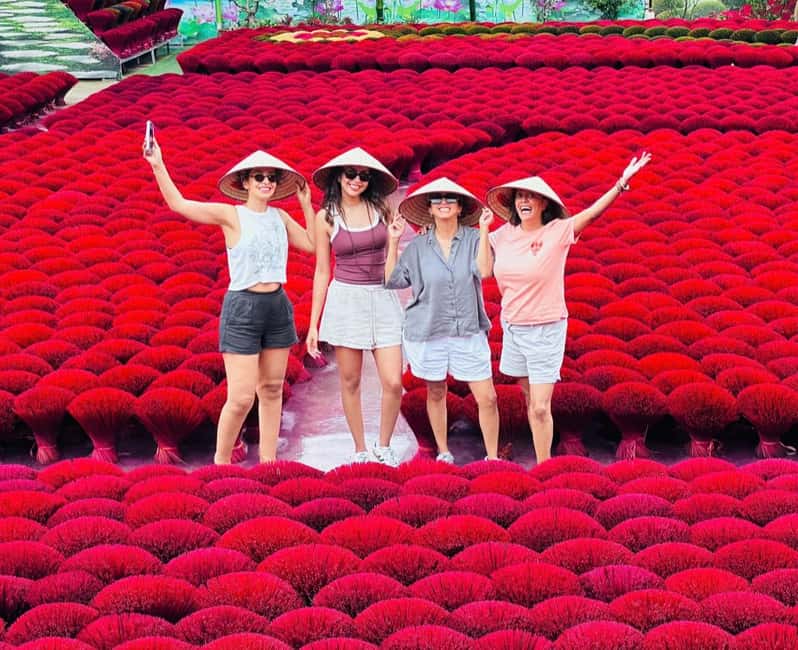
- A hands-on conical hat moment in Chuong Village, including a free hat you can paint and take home
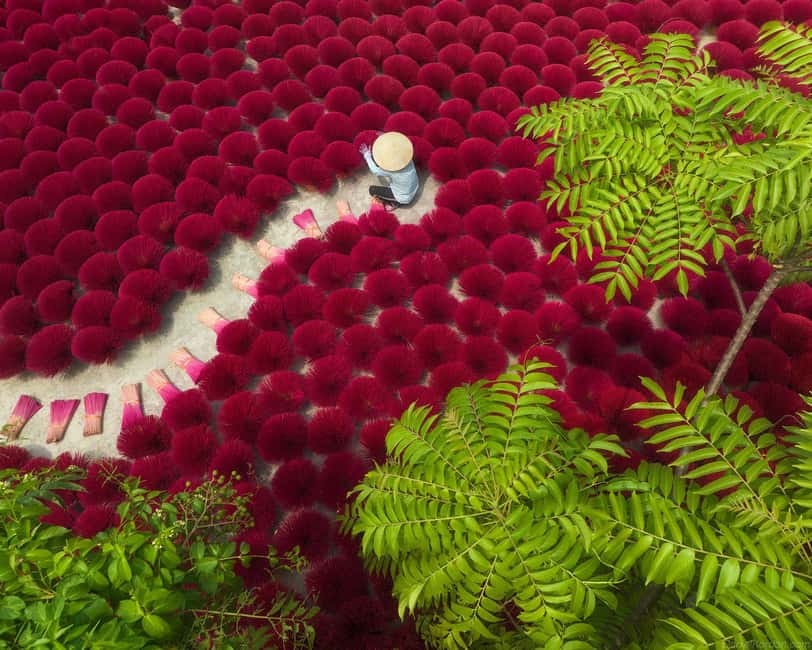
- Quang Phu Cau incense making at family scale, plus free incense sticks after you try
- Small-group or private touring with a professional local guide and clear language options
You can also read our reviews of more tours and experiences in Hanoi.



Thắng Nghiêm Pagoda: A Calm Start Outside Central Hanoi
Most Hanoi tours stay in the city center. This one quietly steps away—Thắng Nghiêm Pagoda is in Khúc Thủy Village, Thanh Oai District, about 15km from Hanoi. That distance isn’t huge, but it does change the mood: you get a break from traffic and noise, and the temple grounds feel more like a place you’d stumble into on a slow morning.
The pagoda itself is known for eye-catching color—yellow, brown, and red elements that stand out without feeling gaudy. Your time there includes guided touring plus photo stops, so you can both look around at your own speed and still get the context that makes the buildings meaningful.
You’ll also hear the story behind the site. The pagoda dates back to 1010, built during the reign of Emperor Lý Thái Tổ. That matters because it helps explain why this place isn’t treated like a generic attraction. It’s tied to long-running Buddhist practice and to historical figures associated with the Lý and Trần dynasties.
What to Notice in the Temple Grounds (So You Don’t Miss the Good Stuff)
This is the kind of visit where “what you look at” matters more than “where you walk.” The tour gives you a route through key areas, and each one has a specific role in worship.
One standout moment is the temple garden and the statue of Avalokitesvara, the Bodhisattva associated with compassion. It’s described as having a peaceful aura, and even without getting overly poetic, you’ll feel the difference when you slow down near that kind of focal point.
Next, look for the two rows of 100 yellow Buddhas. Each one represents Buddha Shakyamuni. It’s easy to rush past repetitive statuary in tourism settings, but here the repetition is intentional, almost like a visual rhythm for devotion.
You’ll also see Tam Bảo (a house that, in many Vietnamese temples, is central to worship). Inside are Buddha statues representing different philosophies of Buddhism. Your guide helps connect that to what you’ll likely see around you—incense burning and prayer as part of daily temple life.
Tam Bảo House and the Large Hall: Worship, Study, and Ceremonies
After the outdoor garden moments, the visit shifts inward. Tam Bảo House is described as an important worship space, where many Buddhists burn incense and pray. Practically, this is where you should keep your pace respectful and your voice low. Even if you’re curious, remember you’re entering a working religious space.
Behind Tam Bảo, there’s a large hall used for teaching Buddhist scriptures and holding major ceremonies. This is one of the reasons the pagoda visit feels more dimensional than a standard photo stop. You’re seeing where practice happens, not only where it’s displayed.
You’ll also encounter deep halls that highlight Vietnamese tantric practice, including bronze statues crafted by artisans from Hàng Đồng Street in Hà Nội. When a tour includes that kind of detail, it helps you understand that the artistry isn’t decoration—it’s part of how teachings are represented and preserved.
If you’re the type who likes noticing sound and smell on the road, this part of the day has that too: incense scent, ringing bells, and chanting. It can feel dream-like, especially if you arrive already a little tired from the city.
Chuong Village for Conical Hats: A Craft You Can Actually Try
Then the day changes tempo. Chuong Village is famous for conical hat making (Non La) for over 300 years, and the hats are iconic across Vietnam. This isn’t just about buying a souvenir—it’s about watching hands at work.
You meet your guide at a local artisan’s house and observe how the hats are made. Depending on what’s available in the moment, you’ll see artisans working directly, using traditional methods rather than factory shortcuts. The craftsmanship matters because conical hats aren’t only a fashion item; they’re designed for real use in everyday Vietnam.
The tour also includes a fun pay-off: you get a free conical hat for painting in the hat village, and you take it home as a personalized souvenir. This is one of the best value moments in the day. You’ll remember the process, and you’ll have something tangible that isn’t just a mass-produced item.



Quang Phu Cau Incense Village: How Devotion Looks Up Close
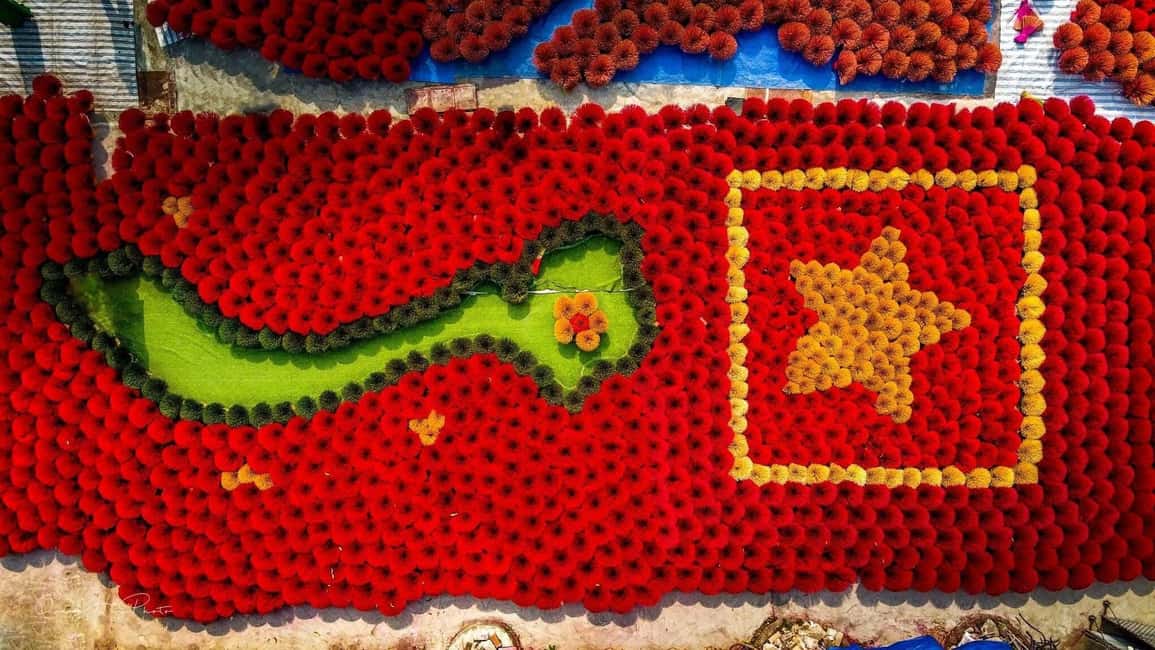
After hats, the tour moves to Quang Phu Cau Incense Village. This place has been producing incense for more than 100 years, which means the practice isn’t new or experimental—it’s part of a long family routine.
You’ll walk through the village center and see how locals make incense on a family scale. That’s a key difference from incense you might associate with a shop shelf. Here, it’s closer to workshop life.
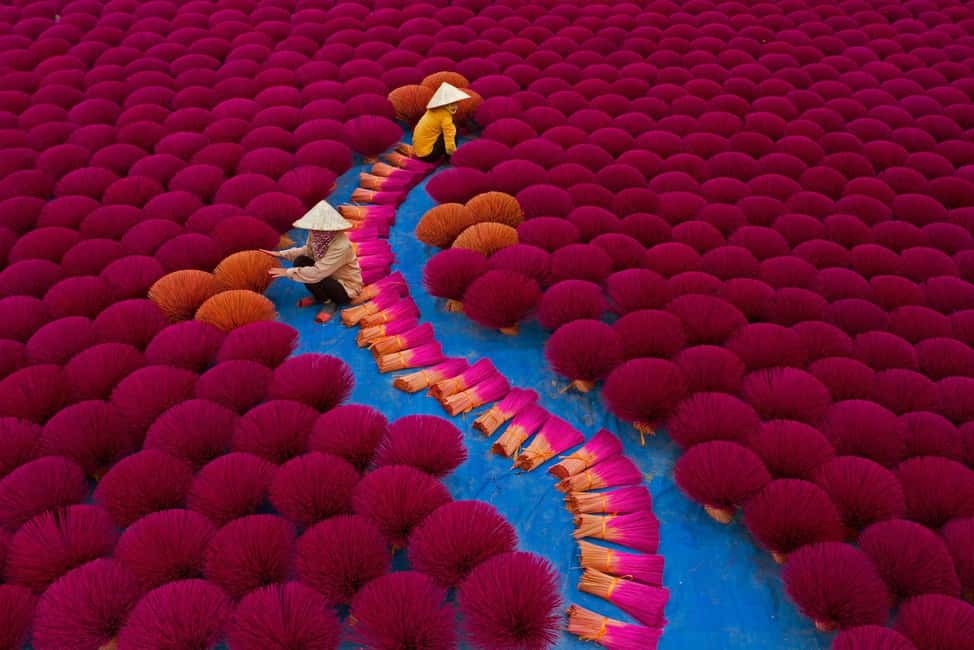
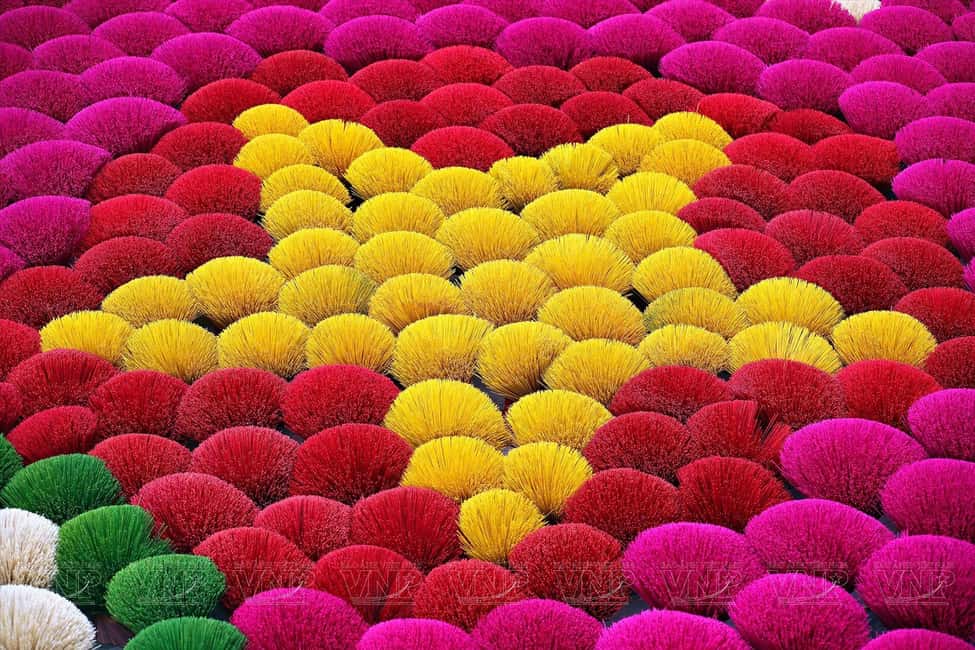
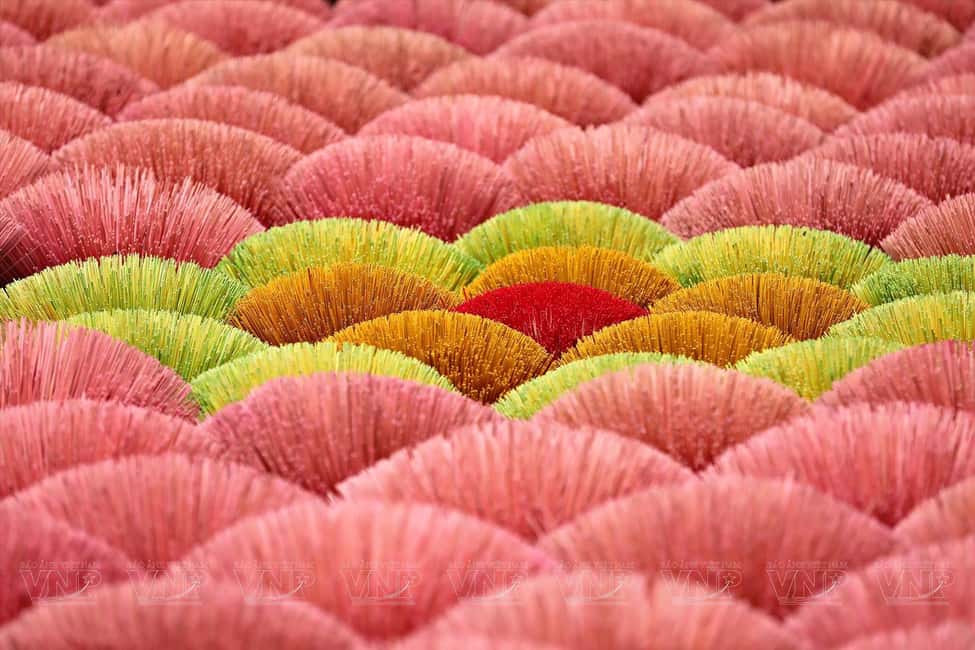
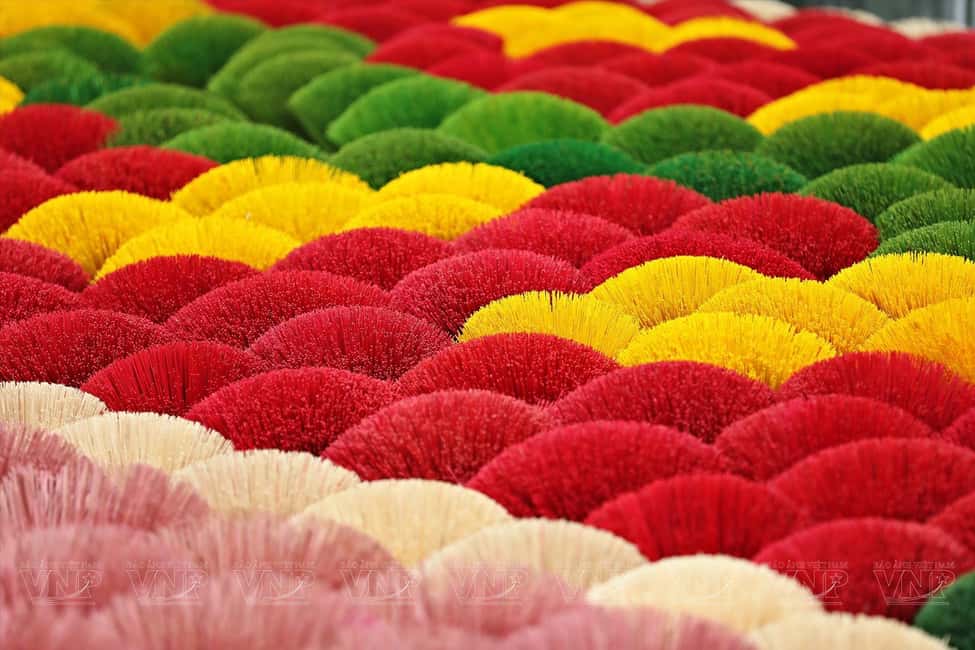
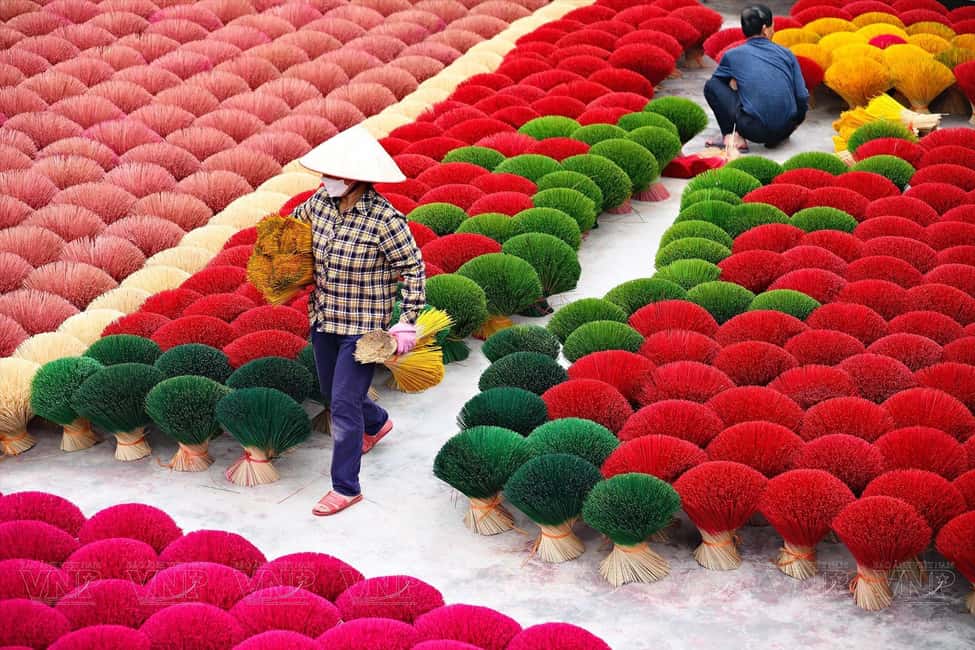
You’ll meet a family who specializes in dyeing incense sticks. You’ll likely notice the colorful bundles of incense and how the dye process feeds directly into the final look. If you like cultural details that connect production to meaning, this stop delivers.
And yes, there’s a hands-on piece. After you try making incense, you receive some free incense sticks. It’s not a massive crafting session, but it’s enough to make the craft feel real rather than staged.
Train Street as a Drop-Off Option (Only If You Want It)
One of the formats includes a drop-off at Hanoi Train Street. In the schedule, it’s the first drop-off location, and it’s optional in the sense that you can wait on the bus rather than go straight there.
This matters because Train Street can be time-sensitive—crowds and movement change fast. If you want photos and street energy, it can be worth a quick stop. If you’re looking for quiet cultural time, you might treat it as optional and prioritize the villages.
How the Timing Works (And Why It Feels Manageable)
The main experience runs about 6 hours. You’ll start with pickup from Hanoi’s Old Quarter area, with an option for Hoàn Kiếm as a pickup point. Then the day moves in a steady flow: temple, craft village, incense village, and back into the city.
Two practical notes help you enjoy the day:
- Wear comfortable shoes. You’ll be walking temple grounds and village lanes.
- Bring a low-friction mindset. This is a worship-and-craft blend. Some places are photo-friendly; others require quiet attention.
Bottled water is included, which is genuinely helpful in Hanoi heat. Also, entrance fees are covered, so you won’t spend the day counting tickets like a spreadsheet.
Price and Value: Why $14 Can Make Sense Here
At $14 per person, this is priced like a budget cultural day—but it’s not “cheap” in what you get. Entrance fees, bottled water, and a professional local guide are included, plus the hands-on elements (hat painting and incense making) come with take-home components.
The big value driver is time plus structure. You’re getting transport to sites outside the center (including a pagoda about 15km away), and the guide helps translate what you’re seeing—especially at Tam Bảo House and within tantric practice details. That context is often where low-cost tours fall short.
If you care about craft authenticity, this day is also strong because you’re not just viewing finished products. You’re watching how they’re made, then taking home an item you helped decorate or create.
Who This Tour Fits Best (And Who Might Prefer Something Else)
This tour fits you if you want a day that mixes religion and daily life without turning it into a frantic checklist.
It’s a great match for:
- People who enjoy cultural crafts and want to try one themselves
- Travelers who like temples but also want historical context
- Anyone who appreciates a guide who can answer questions clearly in multiple languages
It might be less ideal if you hate group pacing or prefer to wander totally on your own. The tour route is guided and structured, and the pagoda visit is a place of worship and reflection—so you’ll want to follow the mood.
Small-Group Comfort and Guide Quality You’ll Actually Notice
One of the most praised parts of this experience is the guide and the way the day runs. Feedback highlights punctual pickup, a small group size, and a comfortable vehicle. The guide is described as professional, with language support including French and English, which makes a difference when you want real explanations rather than vague pointing.
If you’re worried about language barriers at craft villages, this is one of those tours where the guide support is part of the value. Conical hats and incense have their own vocabulary, and a good guide helps you understand the process instead of just watching it.
Should You Book This Hanoi Tour?
I’d book it if you want a meaningful mix: Thắng Nghiêm Pagoda for a calm, historical religious setting, plus Chuong and Quang Phu Cau for hands-on craft culture. The take-home hat and incense sticks make the day feel personal, not like you paid for photos.
Skip it if you’re only interested in Hanoi city sights or you don’t want to spend time in a working temple environment. In that case, you might prefer a pure city-focused itinerary.
If you do book, plan for respect at the pagoda, bring comfortable shoes, and ask your guide questions when something catches your eye—because this is the kind of day where details matter.
FAQ
How long is the tour?
It runs about 6 hours. One listed option is a half-day style schedule of roughly 6 hours with pickups and drop-offs timed around the morning or afternoon.
Where does pickup happen?
Pickup is from the Hanoi Old Quarter area, including an option for Hoàn Kiếm.
What are the main places you visit?
You visit Thắng Nghiêm Pagoda, Chuong Conical Hat Village, and Quang Phu Cau Incense Village. One option also includes a drop-off at Hanoi Train Street.
Do I get to take a conical hat home?
Yes. You get 1 free conical hat to paint in the hat village, and you take it home as a personalized souvenir.
Do I get to make incense?
Yes. You’ll observe incense making, and the tour includes some free incense sticks after you make incense sticks yourself.
Is Train Street part of the experience?
For one option, Hanoi Train Street is the first drop-off location. If you do not want to get dropped off there, you can wait on the bus.
Are entrance fees included?
Yes. All entrance fees are included.
What languages can the guide speak?
The guide can speak English, Vietnamese, Chinese, French, Italian, Japanese, Korean, Spanish, Indonesian, Thai, Russian, and Portuguese.
Is there a Lunar New Year surcharge?
Yes. There is a surcharge of 250,000 VND per person from 16/02/2026 to 19/02/2026.
Is the tour wheelchair accessible?
Yes. The tour is wheelchair accessible.