REVIEW · HIKING & TREKKING
3-Day Pu Luong Natural Reserve from Hanoi, Trek with Local Guide
Book on Viator →Operated by Vietmountain Travel · Bookable on Viator
Pu Luong feels like Vietnam before the crowds. This 3-day trek from Hanoi mixes stilt-house homestays with terraced rice walks, plus time with Thai and Muong communities. I especially like the privacy and photo-friendly pace, and I like how the trip leans on real village life instead of showy stops. One thing to consider: you’ll be on your feet early and often, and the paths are for trekking, not strolling.
What made the experience memorable for me was the way the guide brought it to life, including English storytelling from the team’s guide John. The best “wow” moments come from small details like seeing how locals work the paddies and using nature-friendly designs like bamboo water wheels—not from any big, crowded viewpoint.
In This Review
- Key highlights on the ground
- Why Pu Luong stays quieter than the usual circuits
- The price: what $475 really covers
- Hanoi-to-Pu Luong logistics: pickup, ride, and early starts
- Day 1: Hieu Village stroll, Don Village terraces, and a Thai homestay night
- Day 2: Eo Ken village hike with a rural pace
- Day 3: Ban Cong’s 2.5 km walk, suspension bridge moment, and return to Hanoi
- What the trekking feels like (and what you should bring)
- Homestay comfort and meals: vegetarian is possible
- The guide makes the difference: John’s stories and local connection
- Photos and pacing: when you can actually enjoy what you came for
- Who should book this Pu Luong trek from Hanoi
- Should you book Pu Luong with Vietmountain?
- FAQ
- How long is the Pu Luong trek from Hanoi?
- What is the price per person?
- Is pickup and drop-off included in Hanoi?
- What does the tour include for meals?
- Is an English-speaking local guide included?
- Are entrance fees and trekking activities included?
- Do I need to pay extra for beverages?
- What should I bring for the trek?
- Is travel insurance included?
- What if the weather is poor?
Key highlights on the ground
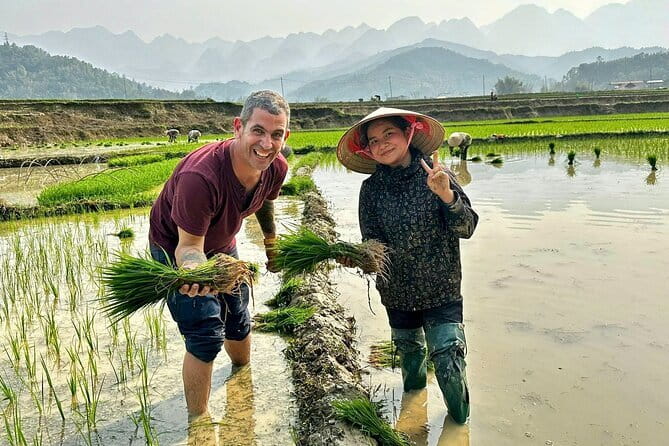
- White Thai and Thai village time: real conversations and daily rhythm, not just a quick photo stop
- Stilt houses and a home-cooked dinner: you get to share a meal and the evening with the host family
- Terraced rice trails: Hieu to Don to Eo Ken, with lots of chances for quiet valley views
- Ban Cong’s 2.5 km walk and a suspension bridge: a fun “bridge moment” that doesn’t feel rushed
- Door-to-door Hanoi pickup: private air-conditioned transport and a guide keeping logistics smooth
Why Pu Luong stays quieter than the usual circuits
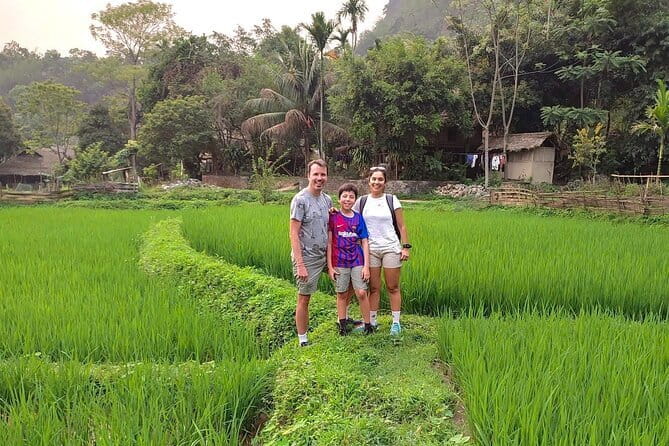
Pu Luong Natural Reserve sits in that sweet spot where you still get big views and real agriculture without turning everything into a theme park. You’ll spend time in villages tied to rice farming, where the work of the day is visible and where traditions are still part of daily life. The tour is set up so you’re not constantly moving from one loud stop to the next.
You’ll also see how locals harness water. The area is known for bamboo water wheels, and the trip is designed to put that kind of practical ingenuity on your radar. That matters, because it turns “scenery” into understanding: people aren’t just living somewhere pretty; they’re engineering their way through monsoon water, irrigation, and slopes.
One more thing I like: you’re not trying to beat the crowds. With this kind of route and pacing, you get more breathing room for photos and for simply watching how families live and work.
You can also read our reviews of more guided tours in Hanoi

The price: what $475 really covers
$475 per person is not a cheap impulse buy, but it’s not just a bus ticket to a trailhead either. This price packs in several costs that usually add up fast when you travel independently:
- Private door-to-door pickup and drop-off in Hanoi’s Old Quarter
- Private modern air-conditioned transport with a safe driver
- Entrance fees and included village visits
- Trekking activities and the guiding you need for these paths
- Meals as specified (including breakfast and dinner where you’ll be staying)
- Travel insurance
- Bottled water during the trip
- 24/7 hotline support after confirmation
So the value is in the “all-in” structure: guide, food, key fees, and transport are handled. You still pay for what you personally choose (like beverages and tips), but the big moving parts are already taken care of.
If you’re trying to do Pu Luong alone, you’ll quickly feel how annoying it is to line up: transport, the right villages, homestay arrangements, and a guide who knows the route. Paying for the package saves energy and usually saves mistakes.
Hanoi-to-Pu Luong logistics: pickup, ride, and early starts
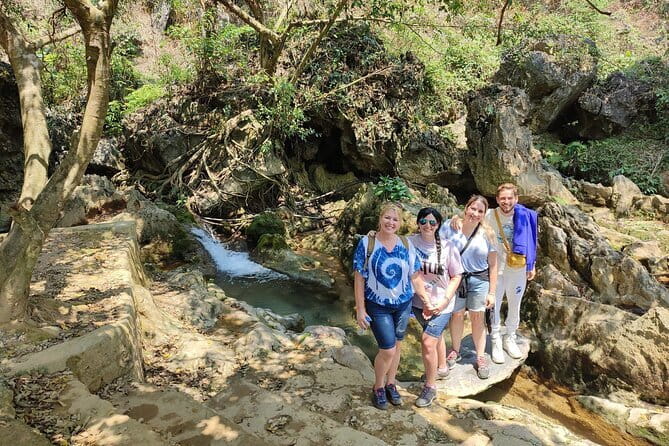
The trip is designed around comfort before you start hiking. You’re picked up in Hanoi’s Old Quarter, and you return there at the end. That’s a big plus because it removes the “how do I get out there” friction that often drains a travel day.
Transport is private and air-conditioned, which matters because getting to Pu Luong takes time. Once you’re in the reserve area, the walking takes over and the pace becomes more human—slower, more observant, and more focused on village paths than on ticking boxes.
Timing is built for mornings. Day 2 starts with an early wake-up vibe, and Day 3 begins with mountain air and breakfast before you begin the walk. If you love sleeping in, this isn’t your tour. If you like cooler air for walking and calmer light for photos, you’ll be happy.
Day 1: Hieu Village stroll, Don Village terraces, and a Thai homestay night
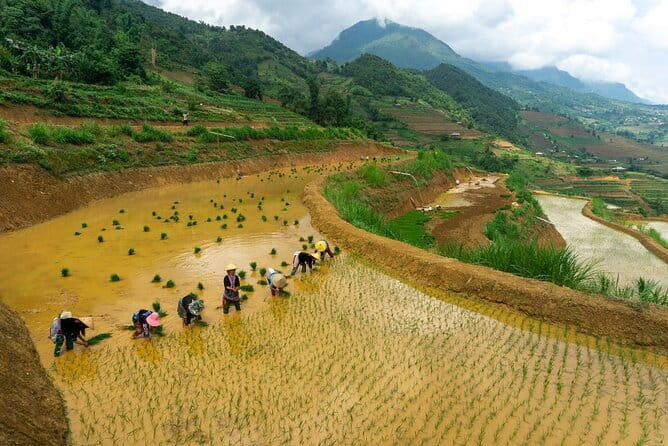
Day 1 is the “arrival + orientation through village life” day. You’ll begin your trek at Hieu Village, where you can stroll through the everyday rhythm of farmers tending rice paddies. This is a gentle entry into Pu Luong: enough hiking to feel like you’re out in the reserve, but not so intense that you’re wrecked before the cultural part starts.
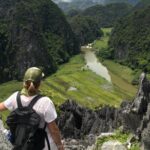
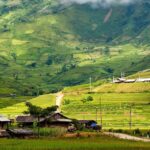
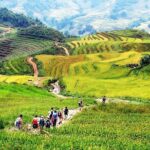
Later, you head toward Don Village, known for striking terraced paddy fields. This is where your eyes start to lock on details: the shape of the terraces, the way water runs across levels, and the textures that change as the light shifts. It’s scenic, yes, but the more valuable part is seeing rice agriculture up close instead of from a distance.
Back in the homestay zone, the evening focuses on community time. Dinner is included, and the tour includes cultural exchange with a Thai host family. In the reviews, this is often where the trip stops feeling like sightseeing and starts feeling like being part of the day for a few hours. You eat, you talk as much as you can, and you notice that hospitality here is practical and warm, not performative.
Day 2: Eo Ken village hike with a rural pace
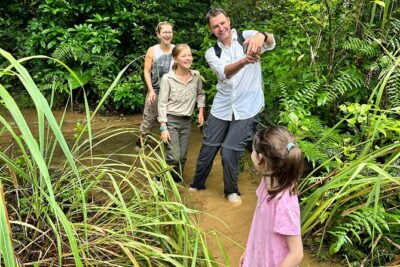
Day 2 is all about slowing down and walking with intention. After breakfast at the homestay, you hike along a scenic hilly path to Eo Ken village. The emphasis here is on rural pace and local interaction, not racing to a single “must-see” spot.
This day tends to feel like the “real Vietnam” part of the trip because you’re surrounded by fields, small homes, and the kind of routines that don’t show up in city schedules. You’ll have chances to interact with locals, and since this is guided, you’re not stuck guessing what you’re looking at.
One practical note: since this is a trekking tour, your body needs to be ready for repeated walking. The paths can be uneven, and you’ll likely be stepping through a mix of dirt trails and paths that follow water systems and village boundaries. Comfortable shoes aren’t optional on this kind of route.
You can also read our reviews of more hiking tours in Hanoi
Day 3: Ban Cong’s 2.5 km walk, suspension bridge moment, and return to Hanoi

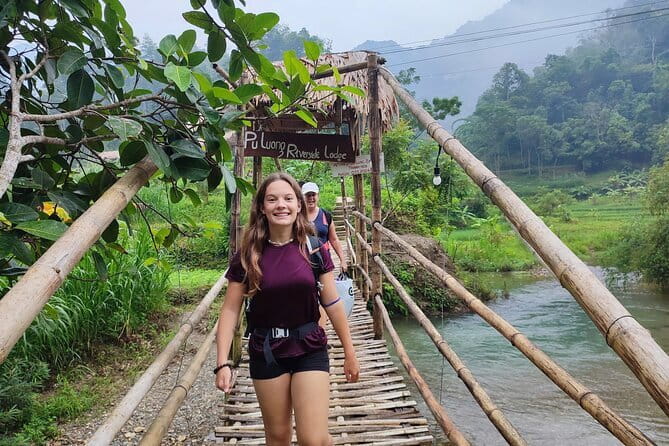
Day 3 begins with fresh mountain air and breakfast, then you travel to Ban Cong. You’ll start a leisurely 2.5 km walk, which keeps the end of the trip enjoyable rather than exhausting. This is a nice way to balance earlier trekking with a manageable last morning.
One highlight: you cross a suspension bridge that connects you to the next area for sightseeing and walking. Bridges over valleys can be a little nerve-wracking for some people, but this one is part of a short walk, so it doesn’t drag out. It’s a good “memory point” for photos too—especially if you go at the right pace and don’t stop so often that you lose the rhythm.
After the walk and time for lunch, you head back to Hanoi with mountain views along the way, arriving around 5:30 pm and returning to your hotel.
That return timing is helpful: you’re not rolling into Hanoi at midnight, and you can still plan a normal evening meal afterward.
What the trekking feels like (and what you should bring)

This is “most travelers can participate,” but that phrase usually means you don’t need to be a professional athlete—you do need to be willing. Expect uneven paths, uphill sections, and lots of time outdoors. If you’re the type who gets grumpy after one hour of walking, this trip might test you.
Bring the basics they specifically advise:
- Comfortable trekking shoes
- Small backpack
- Hat and sunglasses
- Water bottle
- Mosquito spray and sunscreen
Also plan layers. Even in warm months, mornings in the mountains can feel cool. You’ll also want a little room for snacks, though meals are included as specified, so you shouldn’t be starving.
If you get motion sick easily on road transfers, consider prepping for the ride too, since you’ll be traveling between Hanoi and the reserve by car before the first trek begins.
Homestay comfort and meals: vegetarian is possible

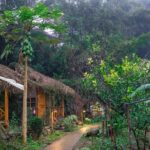
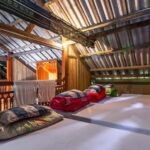
The homestay style is part of the point. You stay in stilt houses, and the evening meal often includes time for cultural exchange with your host family. Reviews highlight that this is where the trip feels meaningful—because you’re not just passing through the village.
Meals are included as follows: 2 breakfasts, 3 lunches, and 2 dinners. Vegetarian food is available on request, which is a big practical win if you prefer not to eat whatever is on the table that day.
What I’d keep in mind: homestays are not hotel rooms. They’re simple and functional, and your comfort will come from the experience and the people, not from luxury amenities. If you’re expecting polished, Western-style bedding and spotless bathrooms, you might be disappointed. If you expect a clean, friendly base and a place to rest your legs, you’ll do great.
The guide makes the difference: John’s stories and local connection
A guided trek is never just about directions. It’s about interpretation—what you’re seeing, why it matters, and what questions you should ask while you’re there.
In the reviews, the English-speaking guide John gets praise for two things: he tells interesting stories and he’s considerate. That matters when there are language barriers. A good guide helps you connect even when you can’t fully speak the same language, and it can turn a walk through fields into a conversation about daily life.
This kind of guidance is also important for safety and pacing. Even if the route doesn’t sound extreme, you want someone who can read the trail, manage timing, and adjust to conditions like weather.
Photos and pacing: when you can actually enjoy what you came for
One of the best “quiet wins” of Pu Luong is photo time without chaos. The pacing of this trip gives you room to stop and look. You’re not constantly waiting for a group queue at the same spot, and that’s why you can take your time and still feel like you’re moving forward each day.
The terraced rice fields, the streams, and the village paths all offer different angles—especially in the morning. If you want photos that look more natural and less like a postcard copied a hundred times, this slower rhythm helps.
Also, cultural exchange is easier when you’re not rushing. When the guide sets expectations and you’re not sprinting between stops, you’re more likely to remember faces and moments, not just locations.
Who should book this Pu Luong trek from Hanoi
This is a good fit if you:
- Want nature + culture together, not nature alone
- Prefer a quieter area where life is still centered on rice farming
- Like trekking with a guide who can connect you to local people
- Want a structured trip that handles transport, fees, and meals for you
- Like the idea of private participation (only your group)
If you’re traveling with kids, the tour says children must be accompanied by at least an adult, and “most travelers can participate.” So it can work for families, but you should assess whether your child can handle walking days and early mornings.
If you hate early starts, hate uneven ground, or want full hotel comforts, you might be happier with a lighter day trip instead of a multi-day trek.
Should you book Pu Luong with Vietmountain?
I’d book this if you want Pu Luong to feel like a real village journey, not a checklist. The included guide time, meals, homestay base, and door-to-door Hanoi transport make it a strong value for the effort you’d otherwise have to organize yourself. The suspension bridge walk and the stilt-house evening with cultural exchange are exactly the kind of memories that stick.
Don’t book it if you’re looking for a low-effort holiday. This is for people who are okay with early mornings, trekking shoes, and spending time outdoors.
If you can handle that trade-off, this trip delivers what many Southeast Asia nature tours promise but don’t always deliver: quiet access to daily life in the mountains, with practical support and real human connection.
FAQ
How long is the Pu Luong trek from Hanoi?
It’s about 3 days.
What is the price per person?
The price is $475.00 per person.
Is pickup and drop-off included in Hanoi?
Yes. The tour includes private door-to-door pickup and drop-off in Hanoi Old Quarter.
What does the tour include for meals?
Meals are included as specified in the plan: 2 breakfasts, 3 lunches, and 2 dinners. Vegetarian food is available on request.
Is an English-speaking local guide included?
Yes. The tour includes an enthusiastic, experienced English-speaking local guide (other languages may be available on request).
Are entrance fees and trekking activities included?
Yes. Entrance fees, trekking activities, and village visits are included.
Do I need to pay extra for beverages?
Beverages and other personal expenses are not included.
What should I bring for the trek?
Wear comfortable shoes and trekking clothing. Bring a small backpack, hat, sunglasses, water bottle, mosquito spray, and sunscreen.
Is travel insurance included?
Yes, travel insurance is included.
What if the weather is poor?
If it has to be cancelled due to poor weather, you’ll be offered a different date or experience or a full refund. The operator also updates the weather forecast so you can prepare.