REVIEW · HIKING & TREKKING
3-Night Sapa Trek and Homestay with Round Trip Transfer from Hanoi
Book on Viator →Operated by Crossing Vietnam Tour · Bookable on Viator
Swap buses for a night train. This Sapa trek strings together an overnight rail ride, guided walks through the Muong Hoa valley, and village time with Vietnam’s ethnic minority communities in the Hoang Lien Son mountains.
I love how much is bundled for the price: train tickets, meals, and guided trekking support are included, so you’re not constantly recalculating costs. I also like the cultural stops—especially the 1-night Ta Van homestay with the Zay hill tribe and a visit to a women’s handicraft center where skills get passed around.
One big consideration: the walking can be tough. Expect narrow, slippery, uneven paths with rocky and muddy sections, plus stream obstacles—so only book if you’re in very good physical condition.
In This Review
- Fast Takes: What Makes This Sapa Trek Work
- Why Sapa by Overnight Train Beats Flying
- Price and Logistics: What $218 Actually Buys
- Night One on the Rails: Hanoi to Lao Cai
- Y Linh Ho and the First Night’s Plan
- Giang Ta Chai Village: Terraced Rice and a Slow Start
- Muong Hoa Valley Trek: Villages, Forest Sections, and Real Mountain Ground
- Ta Van Homestay: Zay Hill Tribe Hospitality for 1 Night
- Handicraft Center Stop: Women Trading Skills, Not Just Selling Souvenirs
- Meals Included: Why That Convenience Feels Bigger Than It Sounds
- Pacing and Physical Reality: What to Take Seriously
- Weather, Trail Conditions, and Packing Like a Grown-Up
- Who This Sapa Trek Is Best For
- Should You Book This Sapa Trek and Homestay Tour?
- FAQ
- How many nights and days is this Sapa tour?
- What is the price per person?
- What does the tour include for transport and meals?
- Are tickets delivered electronically?
- Where does the trekking take place and which ethnic groups are involved?
- Is a homestay included?
- What should I know about weather and cancellations?
Fast Takes: What Makes This Sapa Trek Work
- Round-trip overnight train from Hanoi to Lao Cai keeps time efficient and adds to the adventure
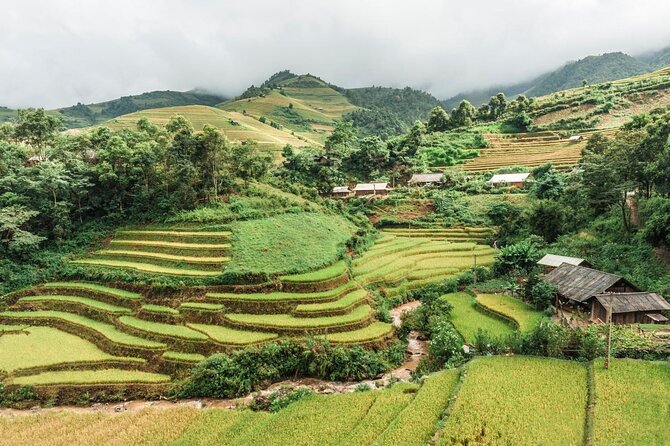
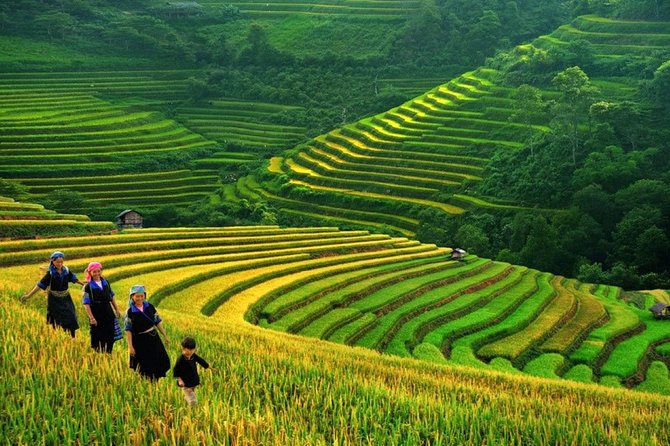
- Muong Hoa valley trekking through villages associated with H’mong, Zay, and Red Zao communities
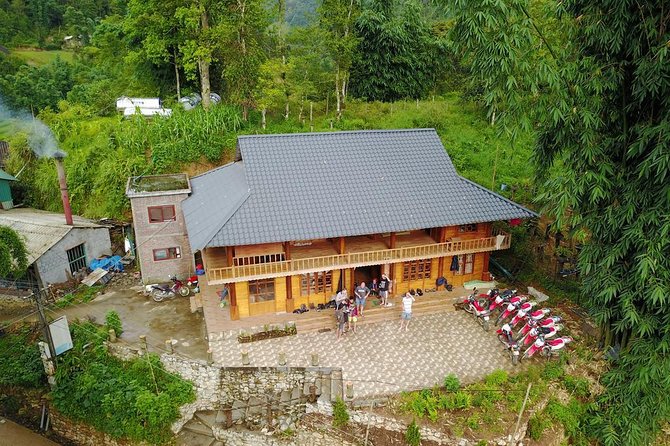
- Ta Van homestay for 1 night, hosted by the Zay hill tribe
- Handicraft center visit featuring women exchanging skills and techniques
- Meals included (breakfast, lunch, dinner) so you can stay focused on the walk and scenery
- Small-group feel with a maximum of 40 travelers and an experienced guide
Why Sapa by Overnight Train Beats Flying
Most Sapa trips start with a long slog from Hanoi. Here, you trade that for an overnight train ride from Hanoi to Lao Cai, then you’re in the mountain rhythm sooner. The rail part also sets expectations: you’ll likely travel on a “moving day” that feels like half travel, half waiting, half anticipation.
This matters because Sapa is not just a view—it’s walking between villages in the Hoang Lien Son region. Starting with the overnight train means you wake up in the north with less wasted time. You get a real sense that you’re going somewhere specific, not just arriving for a quick photo session.
You can also read our reviews of more evening experiences in Hanoi



Price and Logistics: What $218 Actually Buys
At $218 per person, the value comes from what’s included, not from what you still have to pay. You’re getting:
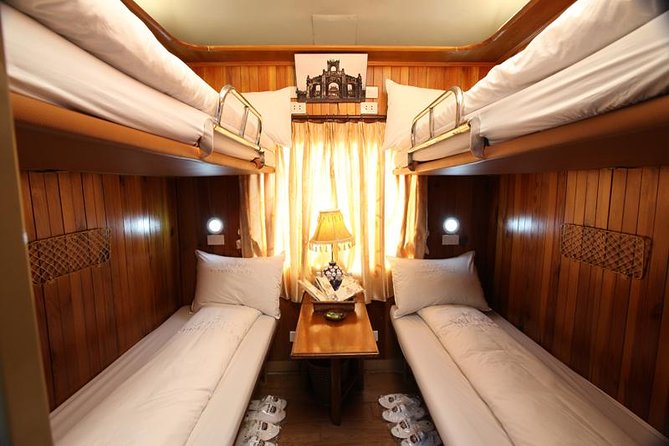
- Two round-trip high-quality train tickets in a 4 soft-sleeper shared cabin with air-condition
- Meals included: breakfast (2), lunch (2), dinner (2)
- All fees and taxes
- Hotel pickup to reach the train station
- A mobile ticket
- An experienced guide during the trekking portion
You’ll still want to budget for drinks and personal expenses, and the tour doesn’t list every extra meal beyond what’s stated. But if you compare this to piecing together train tickets, guide costs, and homestay meals separately, the math often looks more favorable.
Group size is capped at 40 travelers, which is a real plus in Vietnam where larger groups can feel chaotic on narrow trail sections and at village stops.
Night One on the Rails: Hanoi to Lao Cai

The pickup is scheduled for 8:00 pm, and you meet at 47 P. Hàng Bông, Hàng Trống, Hoàn Kiếm, Hà Nội. From there, you’ll transfer to Hanoi Station for the overnight train to Lao Cai.
This first night is mostly about comfort and getting yourself ready for the trek. The train uses shared soft-sleeper cabins with air-conditioning, so you’re not stuck in a bare-bones seat for hours. Still, sleep quality depends on your sensitivity to motion and noise—pack like you’re sleeping on a train, not in a hotel.
A practical note: the tour ends with a drop-off at Hanoi Railway Train Station, and you’ll need to get back to your hotel on your own. That’s normal, but it’s good to plan your last-day timing so you’re not sprinting for a connection.
Y Linh Ho and the First Night’s Plan
Your Day 1 includes a stop at Y Linh Ho and then an overnight train to Lao Cai.
Even with the limited detail here, the logic is clear: you’re building the trek day around village life rather than a “see the town and leave” approach. Y Linh Ho is part of the north mountain fabric you’re aiming for—walkable, community-centered, and tied to the terraced and valley systems that define the area.
This is where your expectations should shift. If you want tidy, clockwork city touring, this trip can feel more like a living route through rural areas. That’s also why many people remember it.
Giang Ta Chai Village: Terraced Rice and a Slow Start
Day 2 begins with breakfast at the homestay (listed at 7:00 am), then you start the tour around 9:00 am. One named stop is Giang Ta Chai Village.
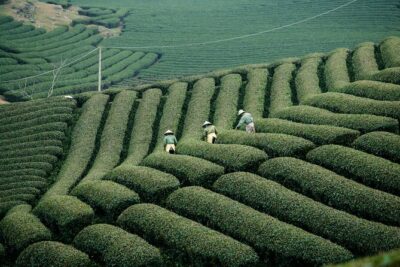
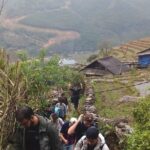
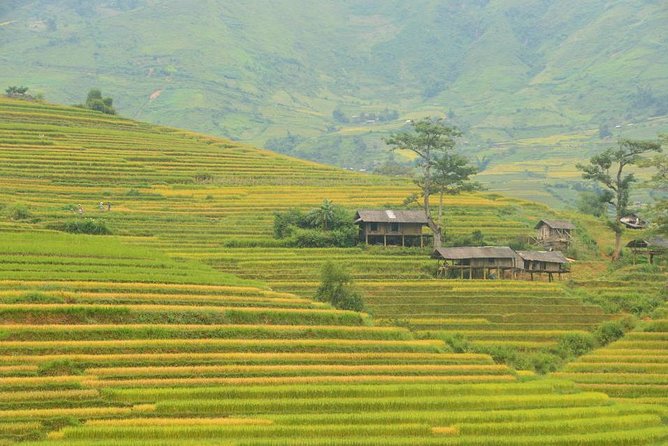
The trekking description is specific enough to be useful: you head uphill, pass terraced rice fields, smaller H’mong hamlets, and then move through a bamboo forest section. That mix is a big reason this route feels more than one-trick-photo.
Here’s what you should plan for:
- Uphill segments early in the day set your pace fast.
- Terraces can look gentle from a distance, but they often mean lots of uneven steps.
- Bamboo forest sections can feel cooler and shaded, which helps—but paths can still be rough.
The group rhythm is key. If you’re prone to burning out early, start steady. If you pace well, you’ll feel the “reward” moments more often.
You can also read our reviews of more hiking tours in Hanoi

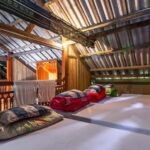
Muong Hoa Valley Trek: Villages, Forest Sections, and Real Mountain Ground
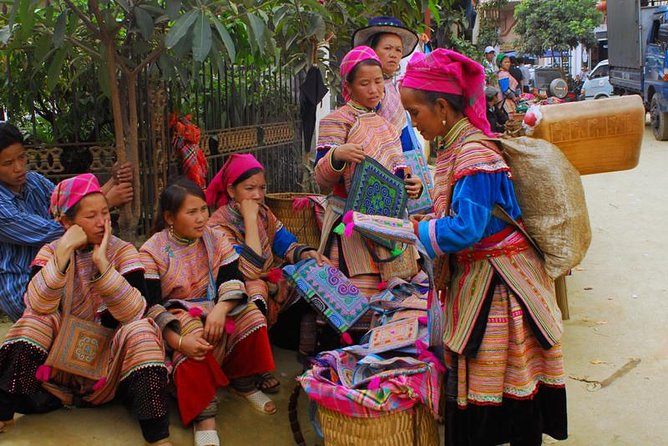
The broader trek focus is the Muong Hoa valley in the Hoang Lien Son mountains, visiting communities linked to H’mong, Zay, and Red Zao groups. You’re not just walking past homes—you’re guided through village context, with time to observe how people live and work.
The terrain is the part that deserves the bluntest honesty. Even though the tour describes this as manageable for most travelers, the reality from real experiences is that the paths can be narrow, slippery, muddy, rocky, and uneven. You may also encounter streams that require hopping or careful stepping.
So, treat this as a hike, not a stroll.
If you want an outcome you’ll enjoy, prepare like this:
- Wear shoes with serious grip and support.
- Bring clothes you don’t mind getting marked up.
- Expect a day where you use your legs more than your phone.
Ta Van Homestay: Zay Hill Tribe Hospitality for 1 Night
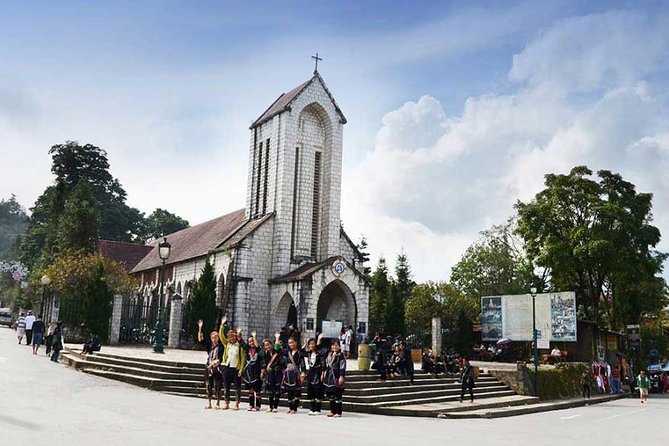
One night is spent at a homestay in Ta Van village, hosted by the Zay hill tribe. This is a major piece of the trip’s value because it’s not just sleeping somewhere nearby—it’s part of the cultural exchange.
Homestays also tend to change how you experience the region. Instead of keeping distance like you would at a hotel, you’re living within the household rhythm. That affects everything: meals, conversation, and even how you understand the village layout you walked through earlier.
I’d also treat the homestay as a chance to slow down. After a trekking day, your best move is to settle in early, eat what’s offered (included dinner), and ask simple questions through your guide if language becomes a barrier.
Handicraft Center Stop: Women Trading Skills, Not Just Selling Souvenirs
You’ll visit a local handicraft center where women gather to exchange skills. This matters because it shifts the stop from buying to learning.
Even without having a detailed workshop schedule listed, this kind of visit usually gives you something better than a quick storefront glance: you see work-in-progress and better understand how skills move through a community. It’s also a good pause from the physical pace—your body gets a breather, and your eyes reset.
If you like supporting travel that doesn’t feel purely transactional, this is one of the smarter parts of the itinerary.
Meals Included: Why That Convenience Feels Bigger Than It Sounds
The tour includes breakfast (2), lunch (2), and dinner (2). That affects your day more than you might think.
On mountain routes, meal timing can be unpredictable. A trip that includes meals means you’re less likely to get stuck hungry while everyone sorts out logistics. It also reduces your decision fatigue—no hunting for food while you’re trying to keep your footing.
What to keep in mind: drinks aren’t listed as included, so you’ll still pay for water or other beverages. Bring a refill plan where possible, but don’t assume every stop will have the same options.
Pacing and Physical Reality: What to Take Seriously
Here’s the key point to plan around: this is a trekking route with real mountain ground. One experience warning from a previous traveler was clear—unless you’re in very good physical condition, the trail can be narrow and slippery with rocky and muddy terrain and stream obstacles.
So ask yourself a few quick questions before booking:
- Can you comfortably hike uphill on uneven surfaces for hours?
- Do you handle wet rocks and mud without slipping into panic?
- Are you okay with walking that’s slow, careful, and sometimes tiring rather than a scenic “glide”?
If the answer is yes, you’ll likely enjoy the way the trek unfolds—small village moments, forest sections, terrace views, and a homestay that turns your overnight into something memorable.
If the answer is no, consider a gentler Sapa option. This one is for people who like to earn the view with their legs.
Weather, Trail Conditions, and Packing Like a Grown-Up
The experience requires good weather, and if conditions force cancellation due to poor weather, you’ll be offered a different date or a full refund. That’s not just a policy line—it’s a safety reality for muddy, slippery ground.
Pack for rain and wet trail conditions even if the day looks okay in Hanoi. At minimum:
- Non-slip footwear
- A waterproof layer or rain gear
- A small daypack so you’re not juggling bags while stepping over stream obstacles
- Warm layers, since higher areas can feel cooler, especially after a bamboo forest section
Also, keep in mind that the train and homestay will shape your comfort. You’ll be moving from air-conditioned rail to mountain weather, then sleeping in a village setting.
Who This Sapa Trek Is Best For
This tour fits best if you want:
- A guided trek with village context, not just trekking for exercise
- The overnight train experience as part of the journey
- A real homestay night in Ta Van with the Zay hill tribe
- A cultural stop that’s more than souvenir shopping (the women’s handicraft center)
It’s also a strong pick for couples or small friend groups who like meeting a guide-led group but still want the day to feel focused. With a maximum of 40 travelers, it’s less crowded than the huge day tours.
If you’re sensitive to rough footing, have limited trekking ability, or hate muddy, uneven paths, this one may be a mismatch.
Should You Book This Sapa Trek and Homestay Tour?
Book it if you’re excited by the idea of traveling from Hanoi by overnight train, spending time on a guided Muong Hoa valley trek, and ending with a Ta Van homestay night. The mix of villages tied to H’mong, Zay, and Red Zao communities, plus the handicraft center visit, gives you more than a single-day highlight.
Skip it or choose a gentler alternative if you’re not ready for real trail conditions—narrow, slippery, rocky, muddy ground and stream obstacles. This isn’t about being tough for fun. It’s about having the physical comfort to enjoy the experience.
If you’re in good shape and you like cultural travel that puts walking and local life at the center, this is a solid value way to reach Sapa.
FAQ
How many nights and days is this Sapa tour?
It’s a 3-night tour using an overnight train round-trip from Hanoi, with about 2 days of trekking and local activities.
What is the price per person?
The price is $218.00 per person.
What does the tour include for transport and meals?
You get hotel pickup to reach Hanoi Station, 02 round-trip train tickets in a 4 soft-sleeper shared cabin with air-condition, and meals included (2 breakfasts, 2 lunches, and 2 dinners). All fees and taxes are included too.
Are tickets delivered electronically?
Yes. You’ll receive a mobile ticket.
Where does the trekking take place and which ethnic groups are involved?
The trek is in the Muong Hoa valley in the Hoang Lien Son mountains, and the route includes village visits connected to the H’mong, Zay, and Red Zao communities.
Is a homestay included?
Yes. You spend 1 night at a homestay in Ta Van village with the Zay hill tribe.
What should I know about weather and cancellations?
Good weather is required. If the tour is canceled due to poor weather, you’ll be offered a different date or a full refund. You can cancel up to 3 days in advance for a full refund, and cancellations within 3 days are not refunded.