REVIEW · HIKING & TREKKING
Sapa Trek Tours -2D1N Stay At 3*** -TRANSFER BY SLEEPING BUS
Book on Viator →Operated by Halong Hanoi Transfer · Bookable on Viator
Early morning, mountains on the move. This 2-day Sapa trek is a smart mix of village time and mountain walking, with transport handled so you’re not stuck figuring out the logistics for a 200-mile journey. I especially liked the chance to visit Cat Cat village and then head deeper toward remote Black Hmong areas, and I also really appreciated the practical setup where meals and an overnight in town are covered. One thing to keep in mind: the schedule can shift a bit because the operator runs groups together, and there’s at least one reported hiccup with pickup timing on day two.
You’ll start with a hotel pickup in Hanoi’s Old Quarter around 6:30 am, then travel by sleeping bus toward Sa Pa. Along the way and during the walks, the tour leans into getting outside: you’ll hike scenic trails and spend time by the Muong Hoa River, with options to swim at rivers or waterfalls if you pack a swimsuit.
If you’re the type who hates any timing changes, this may feel too flexible. But if you want an authentic, guided way to see the Hoàng Liên Son region without the stress of planning, it’s a strong value play for the price.
In This Review
- Key highlights at a glance
- A 2-Day Sapa plan that starts with real movement
- Price and value: what $139 buys you (and what it doesn’t)
- Day 1: Hanoi pickup to Cat Cat village (and first mountain air)
- Day 2: Y Linh Ho village and the longer mountain trail
- Bring a swimsuit: why that detail changes the whole trek
- Your guide makes the difference: Lala and the small-group feel
- Staying in Sa Pa town: 3 hotel, real downtime
- Trek timing, gear, and how to avoid the common mistakes
- Who this trek is best for (and who should skip)
- Should you book this Sapa 2D1N trek with sleeping-bus transfer?
- FAQ
- What time does the tour start in Hanoi?
- How long is the tour?
- What’s the transfer like to Sa Pa?
- How big is the group?
- What does the tour include for meals and drinks?
- Is the hotel included?
- Do I need to buy tickets for Cat Cat or Y Linh Ho?
- Can I cancel if plans change?
Key highlights at a glance
- Sleeping-bus transfer from Hanoi so you don’t waste a full day on transportation planning
- Small group size (max 8) for a pace that feels more human than mass-tour schedules
- Village visits including Cat Cat and the Black Hmong community area around Y Linh Ho
- All meals plus a 3* stay in Sa Pa town**, so you can hike without hunting for food
- Bring a swimsuit because the route includes opportunities to swim in rivers and waterfalls
- Guide-led learning about local communities and traditional handicrafts
A 2-Day Sapa plan that starts with real movement

This is the kind of trip that works because it saves you decision fatigue. You don’t have to line up long-distance transport or figure out how to move between Hanoi and Sa Pa on your own. The tour starts early with pickup in Hanoi’s Old Quarter at 6:30 am, and the ride is handled via a sleeping bus. That’s important: it turns “2 days in Sapa” into “time actually spent on the ground,” not only in a seat.
The walking is the main event. You’ll do mountain trails through Hoàng Liên Son terrain, and the day is structured around village stops and scenic stretches. This also means you’ll feel the rhythm of the region: starts are early, the day is active, and there’s time to slow down in Sa Pa town overnight.
A quick heads-up: the sleeping bus is convenient, but it can be uncomfortable for some people. If you’re sensitive to noise or cramped seats, plan to treat it as transport rather than real sleep. Bring what helps you doze (neck support, earplugs). That simple prep can make your first day feel easier.
You can also read our reviews of more hiking tours in Hanoi



Price and value: what $139 buys you (and what it doesn’t)
At $139 per person, the big question is whether you’re paying for just the trek—or for the full package. Here, the included items are what make it reasonable:
- Pickup from your Hanoi hotel in the Old Quarter
- Round-trip transport to Sa Pa via sleeping bus
- Overnight stay in Sa Pa at a 3 property
- Meals included: bottled water, coffee/tea, and lunch/dinner across the 2 days
- Free admission tickets mentioned for the key stops like Cat Cat and Y Linh Ho
- Group discounts and mobile ticket support
So you’re not just buying views. You’re buying the convenience of getting there, having food handled, and having a guide who manages the flow. Guides matter on treks, because they’re the ones helping you connect the scenery to the people and the everyday life around it.
What’s not included is also clear, and you should plan around it: drinks, personal travel insurance, and tips. If you drink a lot of bottled water or want soft drinks during breaks, budget for that. Same with gratuities—this is a human service, and if you get a good guide, you’ll likely want to tip.
One more value note from the feedback: most experiences score extremely high, but there’s one complaint about the itinerary feeling shortened and pickup issues on day two. That doesn’t mean you’ll face it, but it does mean you should confirm your pickup the night before and keep your expectations realistic when sharing transport and guides with other groups.
Day 1: Hanoi pickup to Cat Cat village (and first mountain air)
Day one kicks off around 6:30–7:00 am with pickup from your hotel in Hanoi’s city center Old Quarter. Then you head toward Sa Pa, with time to watch the scenery change as the road climbs into the mountains.
Your first village stop is Cat Cat village, with timing that looks like a mid-day arrival (the schedule snippet points to around noon). This stop is usually where you get an immediate sense of the local rhythm—paths, terraces, and the way daily life works in the mountain foothills. It’s also a chance to orient yourself before you go deeper on day two.
Why Cat Cat makes sense on this itinerary:
- It’s a gentler entry point into village walking before the longer trek.
- It helps you understand the communities you’ll see again later, especially the Black Hmong presence referenced in the tour.
- It’s a low-pressure way to start building context about the area and its traditions.
One caution: cat cat-style village visits can sometimes feel more “tour-shaped” than deeply secluded. In this specific tour, the broader focus is still on learning from your guide about local people and handicrafts. But if you’re someone who wants only remote, untouched places, you may appreciate day two even more.
Day 2: Y Linh Ho village and the longer mountain trail
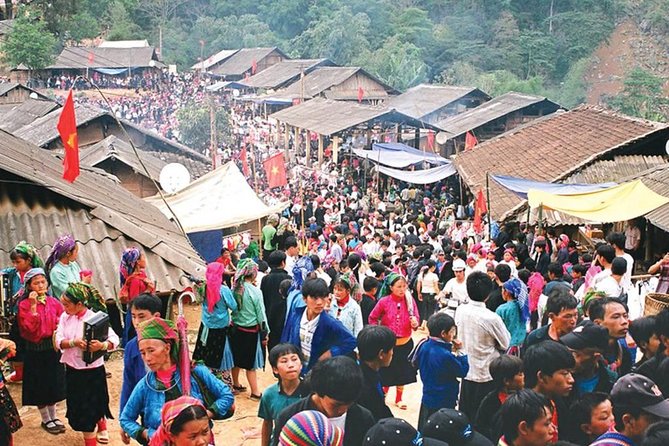
After breakfast in Sa Pa, day two begins with a short walk of about 5 km along a mountain trail to Y Linh Ho village. The tour highlights that the area is inhabited by the Black Hmong and that it’s more secluded from tourists*, especially compared with places that get constant day traffic.
Five kilometers on a mountain trail sounds simple on paper. In real life, it depends on elevation, steps, and how muddy or slick the route is. The good news is that the trip is guided and structured. You’re not trying to navigate alone while also figuring out what you’re looking at. That matters when the path winds through rural settings and you want to understand what you’re seeing.
From your tour description, day two also includes:
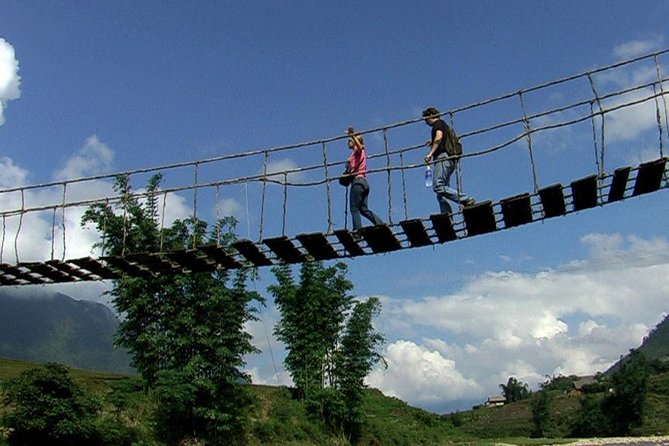
- Hiking along scenic mountain trails and alongside the Muong Hoa River
- Visits to isolated communities including Black Hmong and Red Dzao
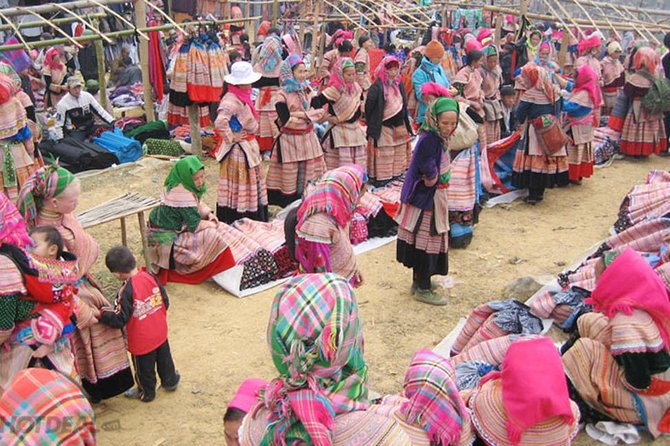
- Time learning about traditional handicrafts
Even without a stop-by-stop list of every single village, that combination is the point. You get walking time plus cultural context, rather than only a few photo stops.
If you’re deciding which day to care most about, this is usually the better day for people who want more “why this place matters,” not only “what this place looks like.” The Y Linh Ho part gives you a cleaner sense of how communities live away from big-city tourism circuits.
Bring a swimsuit: why that detail changes the whole trek

This tour is unusually practical about one thing: it tells you to bring your swimsuit because you can swim at waterfalls and rivers on your walks.
That single line should influence how you pack. If you bring a swimsuit, you’re not stuck hoping you’ll find a place to cool off. You’re prepared for the moment when the water is right there and your guide’s route includes spots where you can go in.
What I like about this approach is that it treats the trek as active travel, not only sightseeing. The “swim option” turns warm moments into something you actually do, not something you watch from the bank.
Practical tip: pack your swimsuit in a way that’s easy to grab. You don’t want to be unpacking your bag at a muddy river edge. Also bring something to dry off with later. Even if you don’t plan on swimming every time, having the option makes the day more fun.
You can also read our reviews of more tours and experiences in Hanoi
- Doris Cruise 5 star cruise 2 days visiting Halong Bay Lan Ha Bay private balcony
★ 5.0 · 2,338 reviews





Your guide makes the difference: Lala and the small-group feel
A tour can have a good route and still feel forgettable if the guide can’t connect the dots. One of the strongest pieces of praise in the feedback is about guide quality, including a named guide: Lala.
The positive notes I’d take seriously:
- Lala was described as friendly and helpful at all times.
- English was reported to be at a very good level.
- The guide shared stories and helped people connect what they saw to how communities live.
That’s the difference between walking through a valley and understanding what a valley represents. When your guide explains the people and the traditional handicrafts, you’ll notice details faster—materials, tools, and the way work happens around the trails.
The other big factor is group size. The tour runs with a maximum of 8 travelers. Smaller groups tend to do three things well:
- fewer bottlenecks at viewpoints and village entrances
- more chances to ask questions
- a pace that can adjust to the group
The downside is that small-group tours can still share guides or transport with other groups, which is where scheduling issues can pop up. If you’re worried, the fix is simple: be clear about pickup times, and always have a plan for waiting without panicking.
Staying in Sa Pa town: 3 hotel, real downtime
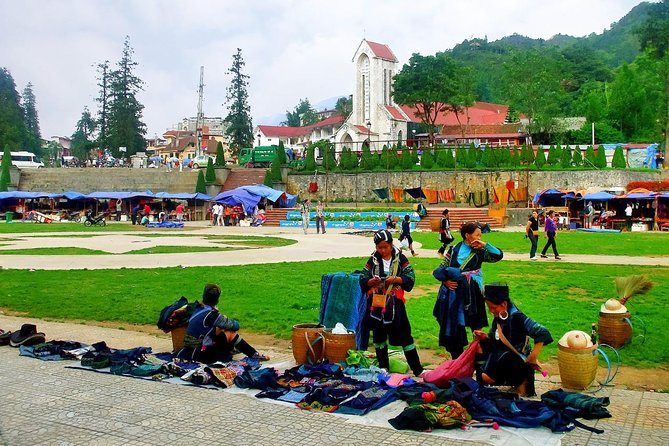
Because the tour starts early in Hanoi, you should treat this as a “wake up ready” trip. The meeting time is set at 6:30 am, so plan to be at the pickup point a little before then. Hanoi traffic and finding your way back to your hotel can steal minutes fast.
For gear, focus on the essentials for mountain walking and possible water moments:
- good walking shoes with grip (paths can get slick)
- a light rain layer (mountain weather can change)
- swimsuit plus a way to dry off after
- sunscreen and a hat for exposed stretches
- a small dry bag or zip pouch for phone and cash
One more practical note: drinks aren’t included. It’s smart to buy or carry what you like to drink, especially if you’re the type who needs a sweet drink or want something other than water.
Finally, be realistic about schedule variations. One reported issue included an agenda that was shortened to accommodate other group needs, plus a missed pickup on day two. You probably won’t experience that, but you should still confirm pickup the night before and keep your phone charged for quick coordination.
Who this trek is best for (and who should skip)
This tour fits best if you:
- want guided village visits and not just “walk and guess”
- like the idea of small-group pacing (max 8)
- prefer a plan where meals and overnight are covered
- enjoy active days and don’t mind an early morning start
- like the chance to swim at rivers or waterfalls (swimsuit matters)
It may be less ideal if you:
- need a rigid timetable with zero flexibility
- hate any chance of pickup delays or route shortening
- don’t want water contact at all (even if you skip swimming, the option changes the route energy)
For many people, the sweet spot is travelers who want something more grounded than big-city tours but don’t want to handle transport and guiding themselves.
Should you book this Sapa 2D1N trek with sleeping-bus transfer?
I’d book it if your priority is a practical, guided way to see Sa Pa beyond the town center—especially if you care about village context and you like active days. The strongest reason is value: you’re paying for transport, a 3 overnight, meals, and guided trekking time**, all wrapped into a tight 2-day plan.
I’d pause only if you’re highly schedule-sensitive. The criticism about shortened agendas and a missed pickup on day two means you should go in with calm expectations and do one simple thing: confirm your day-two pickup details the night before.
If you want, tell me your travel month and your fitness level (casual walk vs. regular hikes). I can help you judge whether the 5 km mountain trail and the early start feel like an easy fit or a tougher day.
FAQ
What time does the tour start in Hanoi?
Pickup is scheduled at 6:30 am, and the pickup is in Hanoi city center Old Quarter.
How long is the tour?
The trip is 2 days (approx.) with an overnight stay in Sa Pa.
What’s the transfer like to Sa Pa?
Transport to and from Sa Pa is provided, and it’s described as a sleeping bus transfer.
How big is the group?
The tour has a maximum of 8 travelers, which keeps it smaller than many Sapa group options.
What does the tour include for meals and drinks?
Included items list bottled water, coffee and/or tea, plus lunch and dinner. Drinks are not included beyond what’s listed.
Is the hotel included?
Yes. The tour includes accommodation in a 3* hotel in Sa Pa town.
Do I need to buy tickets for Cat Cat or Y Linh Ho?
Admission tickets are listed as free for the stops mentioned (including Cat Cat and Y Linh Ho).
Can I cancel if plans change?
Yes, there is free cancellation if you cancel at least 24 hours before the experience’s start time.
You Might Also Enjoy




More Hiking & Trekking Tours in Hanoi


More Tours in Hanoi
- Ninh Binh Full-Day Tour from Hanoi to Hoa Lu, Tam Coc & Mua Cave Via Boat & Bike
★ 5.0 · 4,384 reviews