REVIEW · COFFEE EXPERIENCES
Vietnamese Bread & Brew: Banh Mi Baking Class & Specialty Coffee
Book on Viator →Operated by Love Kitchen Lab · Bookable on Viator
Banh mi and coffee are a perfect combo. This 4-hour Hanoi class is built around from-scratch bánh mì and ends with egg-style coffee you learn to make yourself, not just taste. What I like most is the step-by-step cooking rhythm in a real home kitchen and the fact you leave with skills you can repeat. One drawback to consider: it’s hands-on, so if you’d rather watch than knead and mix, this may feel like work for your hands.
You meet at Love Kitchen Lab in Tây Hồ (near public transport), and then the day stays intimate with a small group (max 15). You’ll also get a free homemade wine tasting, plus a digital recipe booklet and a cooking certificate if you request it. When plans go sideways, the team name Jane shows up in their customer help, which is a reassuring sign that they take care of people.
In This Review
- Key Things I’d Circle Before Booking
- Love Kitchen Lab Start Point: Short Transit, Clear Timing, No Fuss
- Why This Bánh Mì Class Works: Street Food Skills, Not a Demo
- From Scratch Bread Dough: Kneading the Backbone of Bánh Mì
- Pickling Vegetables and Mixing Fillings: Getting the Balance Right
- The Coffee Part: Egg, Coconut, or Salt Coffee in a Way You Can Recreate
- Homemade Wine Tasting and Your Meal: Eating with Context
- Price and Value at $34: What You’re Paying For
- Who Should Book Vietnamese Bread & Brew
- When You Might Want to Skip or Adjust Expectations
- Should You Book This Hanoi Class?
- FAQ
- How long is Vietnamese Bread & Brew in Hanoi?
- How much does it cost per person?
- Where does the experience start?
- When does the experience end?
- What’s the maximum group size?
- What’s included in the class?
- Is coffee included?
- Do I need to bring ingredients or cooking tools?
- Is luggage storage available?
- What about refunds if I need to cancel?
Key Things I’d Circle Before Booking
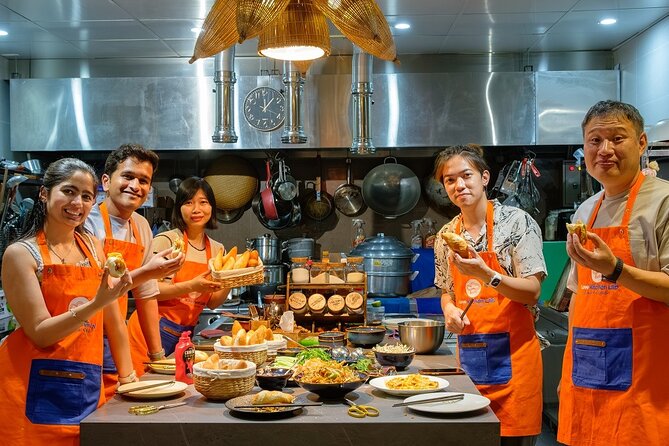
- Real home-kitchen banh mì practice: knead bread dough, pickle vegetables, and build fillings with clear roles for the group.
- Vietnamese coffee craft (egg/coconut/salt options): you learn brewing methods and try specialty coffee styles.
- Small group energy: the class stays interactive, with everyone getting a part to do.
- Hygiene-forward prep: fresh, top-grade ingredients and never-used oil are part of the setup.
- Value-added extras: free homemade wine tasting and a free digital recipe booklet; certificate available on request.
- Practical storage help: free luggage storage for up to 2 days is included, which helps if Hanoi is your in-between stop.
Love Kitchen Lab Start Point: Short Transit, Clear Timing, No Fuss
Your experience starts at Love Kitchen Lab – Đào Tạo Nghề Quốc Tế, at 519 Đ. Âu Cơ, Nhật Tân, Tây Hồ, Hà Nội. The tour ends back at the meeting point, so you’re not dealing with a long scatter of drop-offs at the end of a cooking session.
The time block is about 4 hours, and that matters because this isn’t a quick street-food snack. You’ll spend enough time to actually learn the process—dough, pickles, fillings, and coffee—then sit down to eat what you make.
This is also the kind of activity that fits well with a packed itinerary. It’s described as near public transportation, which is useful in Hanoi where routes can be easier if you’re not relying only on taxis. And because luggage storage up to 2 days is included, you can choose this class without stressing if you’re arriving early or leaving late.
You can also read our reviews of more cooking classes in Hanoi

Why This Bánh Mì Class Works: Street Food Skills, Not a Demo

A lot of cooking classes teach by showing. This one is built for the opposite. You’re learning Vietnam’s most iconic sandwich by going through its core steps from scratch, starting with the bread dough.
You’re also not treated like you’re only there for food. The explanation includes the story behind bánh mì—specifically the colonial baguette origins and how it became a distinct Vietnamese street-food favorite. That context makes your hands-on work feel purposeful. When you understand why the flavors and textures matter, the sandwich stops being just a tasty meal and starts being a method.
I especially like that the class is fully dedicated to bánh mì and pairs it with Hanoi coffee culture. That pairing is practical for you: you get a savory, bread-based skill plus a second signature flavor experience—coffee—within the same 4-hour window.
From Scratch Bread Dough: Kneading the Backbone of Bánh Mì
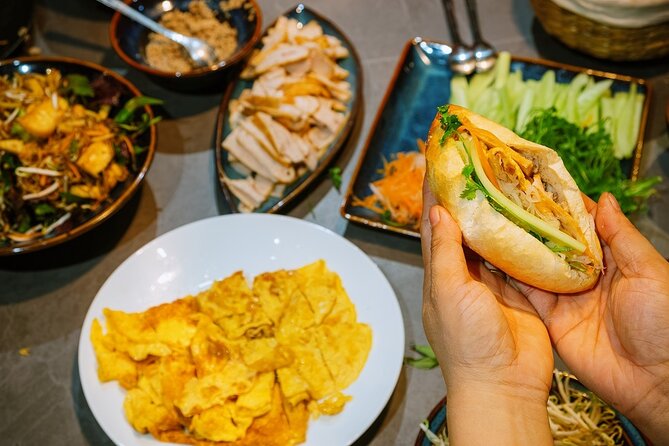
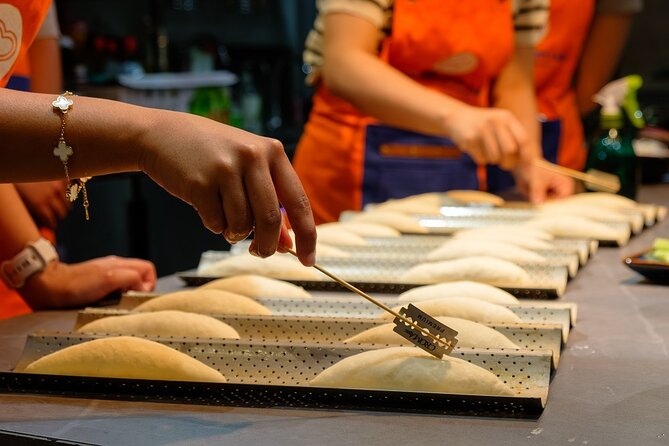
The first hands-on phase is bread dough. You’ll knead the dough from scratch, and that’s the foundation for the whole sandwich. Even if you’ve made bread before, the lesson here is about getting the right feel for the dough and understanding how bread texture affects the final bite.
Why it’s worth your time: bánh mì is all about contrast. Crisp, tender bread plus cool pickled vegetables plus savory fillings. If the bread doesn’t have the right structure, everything else tastes off. Kneading is where that structure begins, and the class format is designed so you’re not guessing.
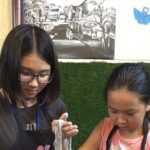
You’ll work in an intimate home setting with an English-speaking home chef guiding you. Small groups matter here. You’re more likely to get individual correction and clear next steps rather than being one face in a big crowd.
Pickling Vegetables and Mixing Fillings: Getting the Balance Right
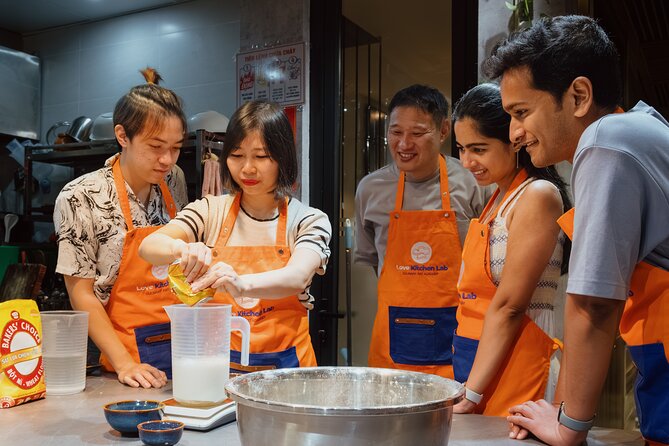
Next comes the part that makes bánh mì taste like bánh mì: pickle the vegetables. You learn to prepare and season the pickles so they cut through the richness of the fillings. This also gives you a repeatable skill. You can recreate the same sweet-sour bite at home instead of hoping you’ll find the exact jarred version.
Then you prepare savory fillings (meat or tofu) and mix the essential sauces. This is where the class becomes genuinely useful for you. Instead of only tasting, you’re learning how the flavor components are assembled: salty, savory, tangy, and creamy elements working together.
One more practical note: the class emphasizes hygiene with fresh top-grade ingredients and never-used oil. That’s a big deal for a hands-on kitchen experience. It’s the kind of setup that helps you stay confident while you’re cooking.
The Coffee Part: Egg, Coconut, or Salt Coffee in a Way You Can Recreate
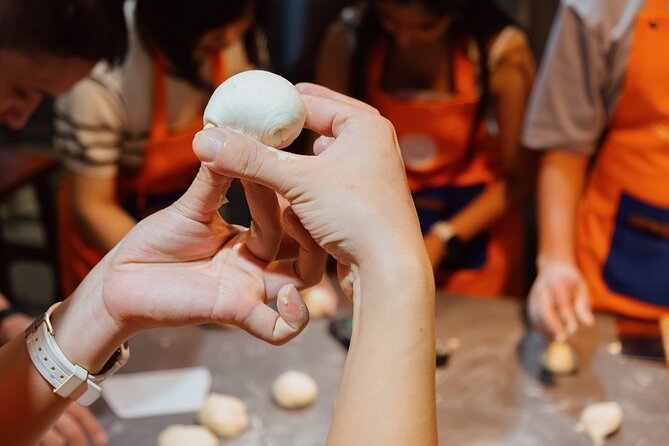
After the sandwich work, the focus shifts to Vietnamese coffee culture. You’ll explore specialty brews, with tasting and explanations of how they’re made. The class includes learning how to brew egg coffee using traditional methods, and the menu also includes salt coffee or coconut coffee options (depending on what’s offered that day).
Why this section is such good value: coffee in Vietnam often feels mysterious when you only buy it at cafés. In this class, you learn the process behind the taste, which means you can aim for the same experience back home rather than chasing a vague flavor memory.
This is also a smart pacing choice. You finish the hands-on bread and filling work, then switch to a beverage you can slow down and appreciate. It keeps the class from feeling like you’re sprinting from one station to another.
You can also read our reviews of more tours and experiences in Hanoi



Homemade Wine Tasting and Your Meal: Eating with Context
You’ll also get free homemade wine tasting during the experience. It’s not just a random add-on; it helps frame the day as a host-led evening meal rather than a classroom exercise.
Finally, you eat your creation. You’ll enjoy a meal of your handmade bánh mì alongside the hosts and the people in your group. That matters because you can evaluate your own work in real time: Is the bread texture right? Do the pickles bring enough acidity? Do the sauces tie everything together?
If you like food learning that ends with a satisfying result, this format makes sense. You don’t leave hungry, and you don’t leave with recipes you’ve only half understood.
Price and Value at $34: What You’re Paying For
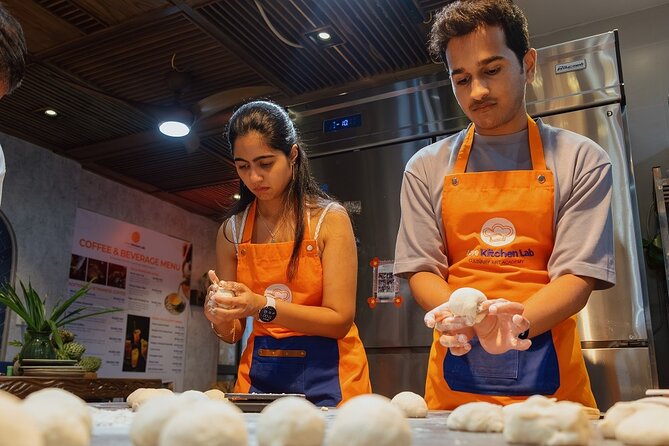
At $34 per person for about 4 hours, this class is priced like more than a casual food tasting. You’re paying for:
- guidance from a professional English-speaking home chef
- all ingredients and cooking equipment
- hands-on instruction for bánh mì steps (dough, pickles, fillings, sauces)
- instruction and tasting tied to specialty Vietnamese coffee
- free homemade wine tasting
- a free digital recipe booklet
- a cooking certificate available on request
On top of that, the group size is capped at 15, which usually means more personal attention than bigger, busier experiences. And because you also get free luggage storage up to 2 days, the overall value rises if your Hanoi schedule is flexible or you’re switching hotels.
The only real price consideration for you is your preference for hands-on cooking. If you truly want to cook and understand technique, $34 looks fair. If you only want to eat and observe, you might feel the time cost more.
Who Should Book Vietnamese Bread & Brew
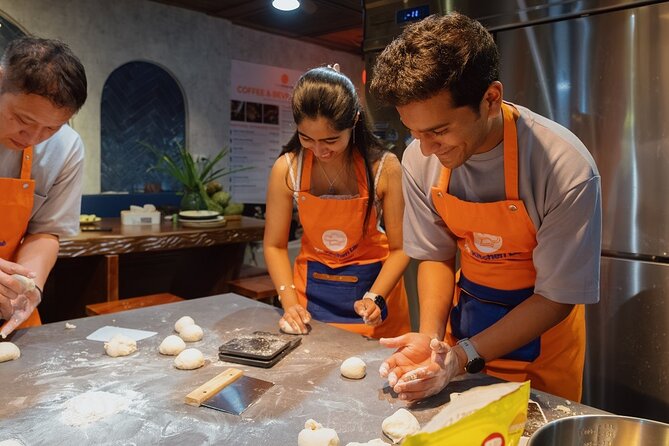
This is a strong fit if you:
- want a practical Hanoi food experience that gives you real cooking skills
- care about coffee as much as food (egg/coconut/salt styles are part of the plan)
- enjoy learning through doing: kneading, pickling, mixing, and assembling
- like small-group classes where you’re not stuck watching
It’s also a good option if you’re traveling with a partner or friends who want a shared activity. With a small group and multiple roles, you’ll likely avoid the situation where everyone crowds around one station while others do nothing.
If you’re curious about the French-Vietnamese story of bánh mì, this also makes sense. You get the sandwich history context plus the technique.
When You Might Want to Skip or Adjust Expectations
This class involves physical cooking work. You’ll knead dough and do prep tasks, so it’s not purely “eat and wander.” If you’re on a day where your energy is low, you might prefer a lighter food tour.
Also, because it’s structured around bread, pickles, sauces, and coffee, you’ll want to be okay with that exact combo. There’s no indication it’s designed as a general sampler menu. It’s intentionally focused on bánh mì and Vietnamese coffee.
Should You Book This Hanoi Class?
I’d book Vietnamese Bread & Brew if you want a memorable Hanoi food experience that also leaves you with repeatable skills. The ingredients/equipment are included, hygiene is emphasized (never-used oil), and the experience balances bánh mì technique with Hanoi coffee culture. The free homemade wine tasting and the digital recipe booklet add extra comfort that you’re not just paying to “eat once.”
I’d pass if you don’t want hands-on cooking or you’re looking for a faster, less structured way to eat. For the right person, though, this is the kind of class that turns Hanoi flavors into something you can recreate.
FAQ
How long is Vietnamese Bread & Brew in Hanoi?
The experience is about 4 hours (approx.).
How much does it cost per person?
It costs $34.00 per person.
Where does the experience start?
You start at Love Kitchen Lab – Đào Tạo Nghề Quốc Tế, 519 Đ. Âu Cơ, Nhật Tân, Tây Hồ, Hà Nội.
When does the experience end?
It ends back at the meeting point.
What’s the maximum group size?
The class has a maximum of 15 travelers.
What’s included in the class?
You get guidance from an English-speaking home chef, hands-on instruction for bánh mì and egg coffee, all ingredients and cooking equipment, free homemade wine tasting, and a free digital recipe booklet. A cooking certificate is available upon request.
Is coffee included?
Yes. You’ll learn about and make egg coffee using traditional methods, and you’ll taste Vietnamese specialty coffee styles such as egg coffee, salt coffee, or coconut coffee.
Do I need to bring ingredients or cooking tools?
No. All ingredients and cooking equipment are provided.
Is luggage storage available?
Yes. There’s free luggage storage space for up to 2 days.
What about refunds if I need to cancel?
Free cancellation is offered. You can cancel up to 24 hours in advance for a full refund. If you cancel less than 24 hours before the start time, the amount paid is not refunded.