REVIEW · HIKING & TREKKING
Sapa: 3-Day, 3-Night Trek and Hotel with Overnight Train
Book on GetYourGuide →Operated by Crossing Vietnam Tour · Bookable on GetYourGuide
Muong Hoa Valley treks start with an overnight train. This 3-day walk-style getaway links Muong Hoa Valley villages with a Ta Van homestay, so you don’t waste time bouncing between bases. I especially like the practical flow: train to Lao Cai, then trekking each day with meals slotted in, and a simple handoff back to Hanoi at night.
I also like that the route focuses on real hill-tribe communities (Black H’mong, Dzay/Zay, and Red Dzao) instead of only viewpoints. The one real caution is the overnight train: it’s part of the experience, but it can be noisy and a bit bumpy, and the toilet isn’t exactly easy to use.
In This Review
- Key things to know before you go
- The money math: what $212 buys you in Sapa
- Getting to Sapa: the overnight train night in real life
- Day 1: Sin Chai village and that first taste of highland life
- Day 2: Muong Hoa Valley trekking to Y Linh Ho, Lao Chai, and Ta Van
- Day 3: Red Dzao and H’mong stops, waterfall, rattan bridge, and bamboo forest
- The guides: what to look for (and names you might meet)
- Homestay at Ta Van: clean, welcoming, and not a drive-by
- Food, pace, and the trekking reality of a 9 km route
- The selling-pressure issue: how to stay friendly and keep the hike yours
- Price and logistics: what can trip you up
- Who should book this Sapa trek (and who should skip it)
- Should you book this Sapa 3-day trek and hotel with overnight train?
- FAQ
- How do I get to the train station for the overnight train?
- What are the main parts of the trip schedule?
- Where do I meet the staff in Hanoi?
- What is included in the price?
- Are drinks included with meals?
- What should I pack for Sapa’s weather?
Key things to know before you go
- Overnight sleeper timing: you board the Hanoi → Lao Cai train at 10 PM and reach the next morning, which helps keep the trek days full.
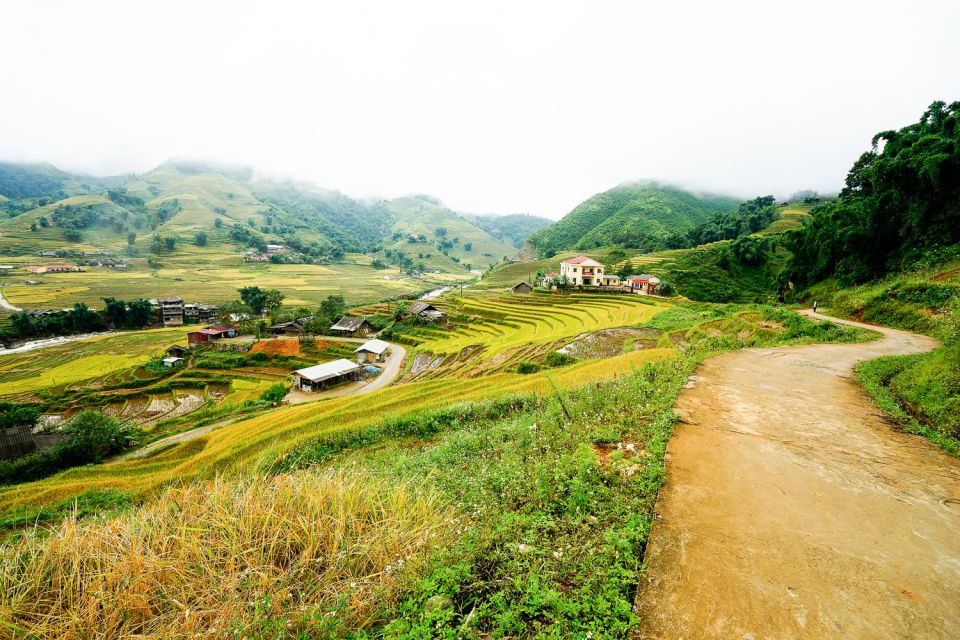
- Village-by-village immersion: Sin Chai, Y Linh Ho, Lao Chai, Ta Van, plus Red Dzao and H’mong stops on Day 3.
- A homestay night in Ta Van: you’re staying in the community setting for one night, not just visiting for an hour.
- Classic Muong Hoa scenery moments: expect a waterfall visit and a rattan bridge, plus bamboo-forest walking.
- Cold weather is not optional: Sapa can be cold and foggy (especially Sep–Mar), so warm layers matter more than good intentions.
- Be ready for sales pressure: some local people may try to accompany you to ask for money or sell items. Stick with your guide.
The money math: what $212 buys you in Sapa
At $212 per person, this trek isn’t trying to be the cheapest option in Vietnam. The value comes from how much is bundled: hotel pickup/drop-off in Hanoi’s Old Quarter, an English-speaking local guide, overnight train (Hanoi → Lao Cai), a 3-star hotel in Sapa center, a Ta Van homestay night, and all meals listed in the itinerary. You’re also covered for sightseeing fees plus taxes/service charges, which can quietly add up on your own.
This is the kind of price that makes sense if you want a smooth end-to-end plan: you show up, walk, eat, and sleep, instead of coordinating multiple parts across two regions. If you’re the type who enjoys full self-planning and doesn’t mind hunting for train tickets, you could sometimes build a cheaper DIY version. But DIY usually costs time and stress—especially around the overnight train schedule.
One more note on comfort: drinks are not included with the meals. So budget a bit for water and anything extra you want to sip during breaks.
You can also read our reviews of more evening experiences in Hanoi


Getting to Sapa: the overnight train night in real life
Day 0 is the overnight train from Hanoi to Lao Cai. You can arrange hotel pickup from the Old Quarter, or make your own way to the station by 9 PM. The train boards at 10 PM, and you arrive the next morning.
Why this matters: it’s not just transportation. It’s also how the itinerary protects your trekking time. Instead of using a daytime travel segment, you’re using sleep hours to move north.
What to expect on the train:
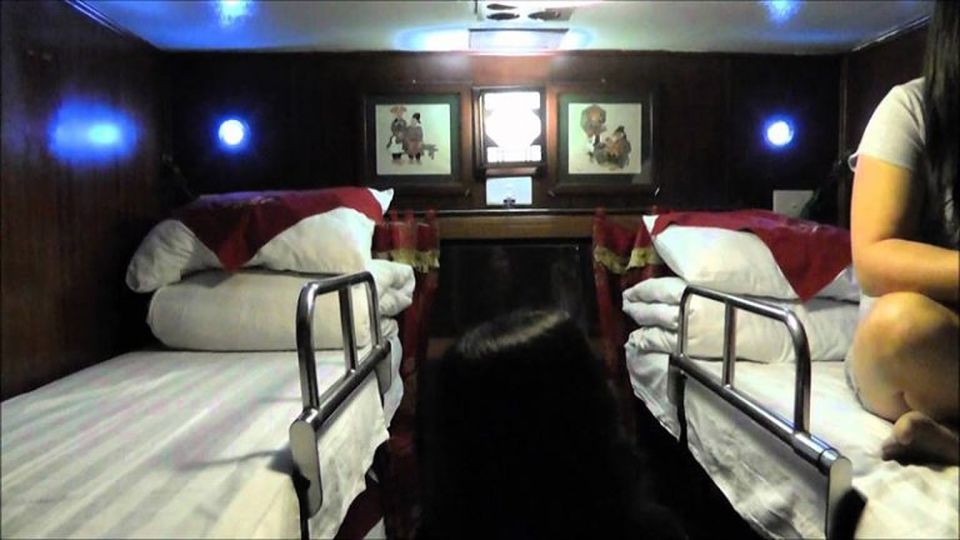
- You’ll travel in a shared 4-bed air-conditioned cabin.
- Berths can be comfortable enough to rest, which is a big plus after an early night in Hanoi.
- Some comfort issues can happen: the ride can be noisy and bumpy, and the toilet can be challenging.
Practical tip: pack a small bag you can reach from your bunk—water, a layer for temperature shifts, and anything you need for an in-train bathroom run. Even if you’re not spending the night fully resting, you’ll appreciate being prepared.
Day 1: Sin Chai village and that first taste of highland life
After you reach Lao Cai, your guide meets you at the station and you head toward Sapa. A quick transfer returns you to the hotel in Sapa center so you can drop luggage, then breakfast kicks things off before the trek.
Sin Chai is your first village stop. It’s home to the Black H’mong, and it’s about 2 km from Sapa town. This is a good “first day” choice because it feels rustic and grounded, not overly staged. You’re walking downhill toward the southwest side of Sapa, and you get a sense of everyday village life without going too far off the rhythm too soon.
What makes Day 1 feel worth it:
- You’re not just driving through valleys. You’re actually walking into community space.
- You get that early foothold in highland culture, then time afterward to reset.
After the trek, you return for lunch and some free time in the afternoon. That open window is useful if you want to wander Sapa at your own pace or just catch your breath.
Dinner is timed for 6 PM. The menu experience is part of the charm: you might see roasted corn and baked eggs cooked by charcoal fire, or you can head out to shop and stroll through the town at night.
Back at the hotel, remember the check-in detail: rooms are available from 2 PM. If you arrive earlier, early check-in may cost extra—so it’s smart to plan around the normal timeline.
Day 2: Muong Hoa Valley trekking to Y Linh Ho, Lao Chai, and Ta Van

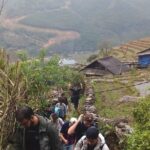
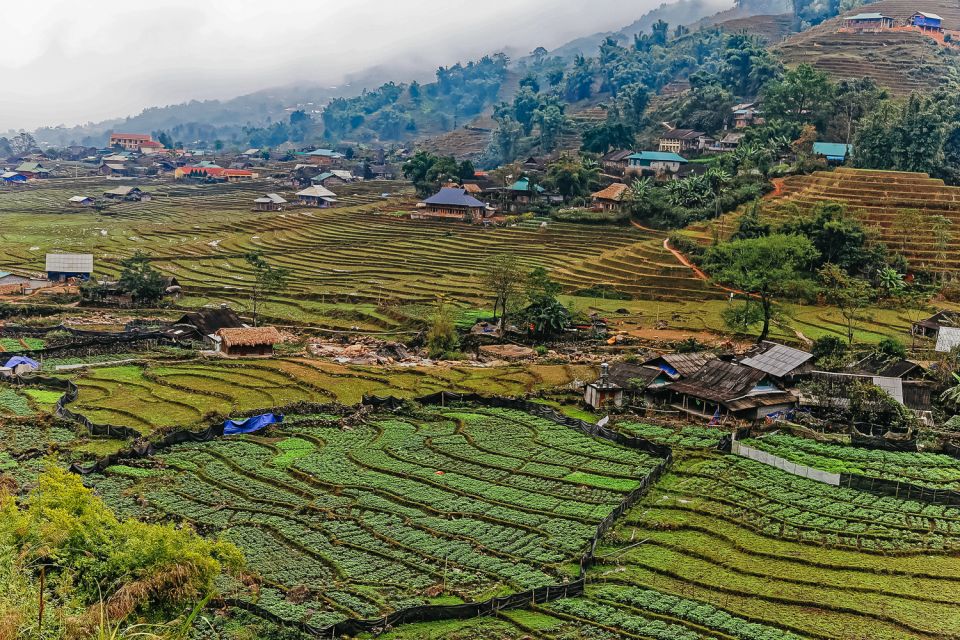
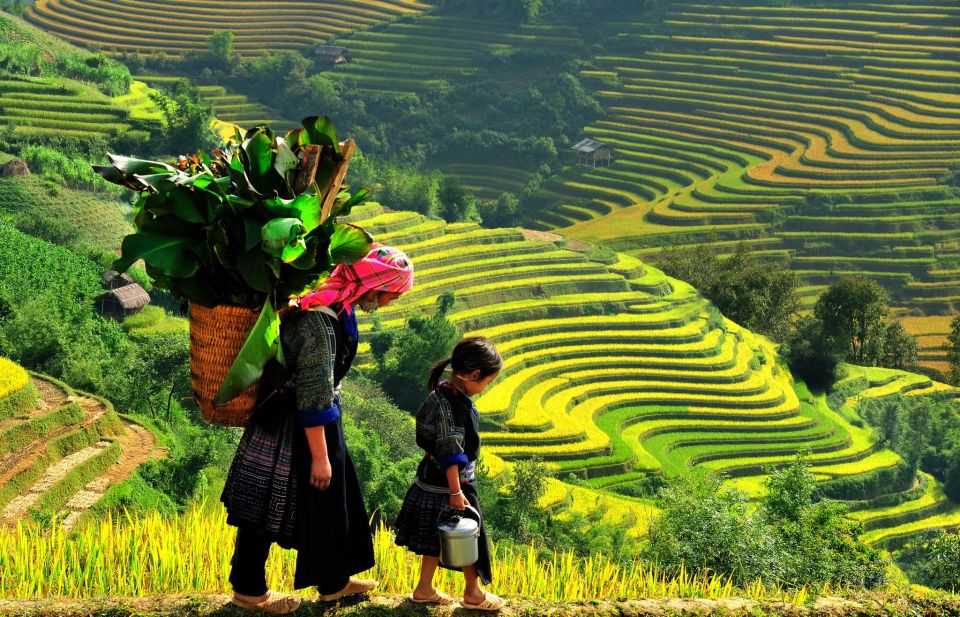
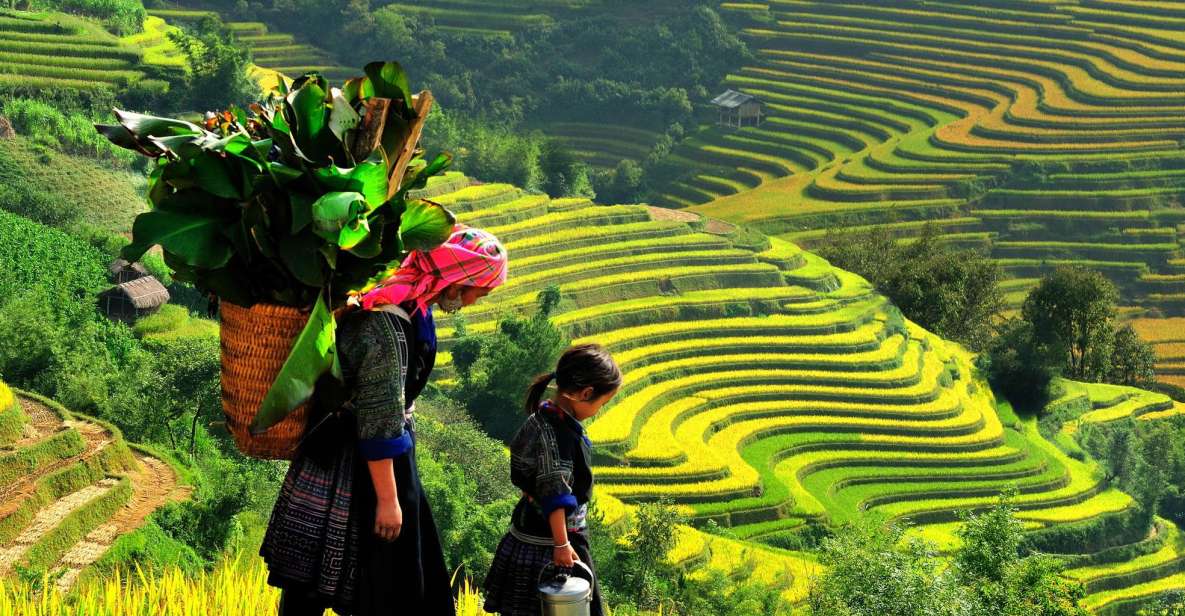
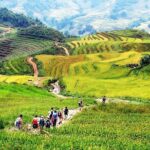
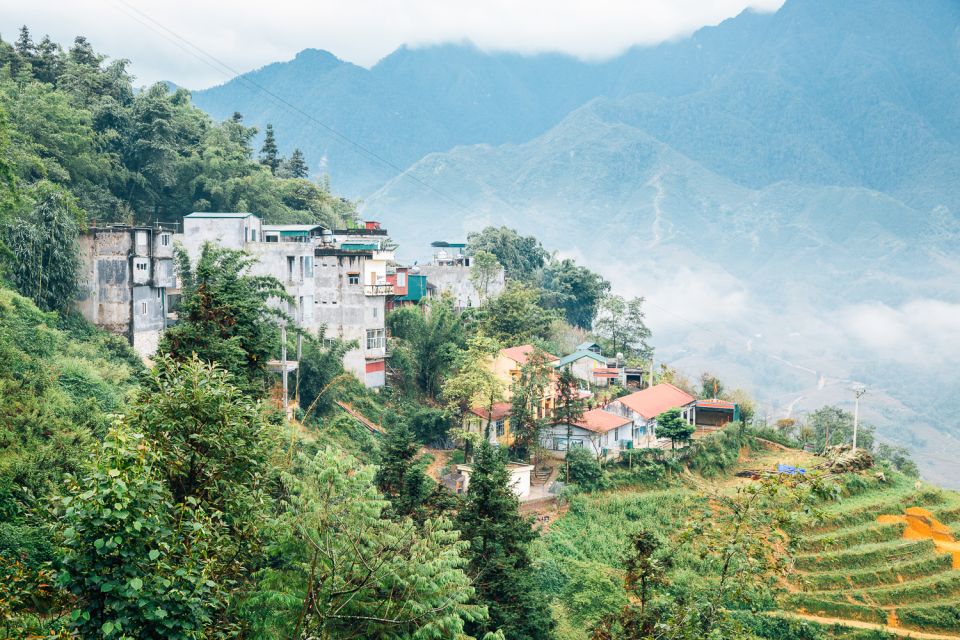
Day 2 is the long walk day along the Muong Hoa Valley. The route starts with Y Linh Ho, a Black H’mong village. From there you continue down to Lao Chai, also associated with the H’mong community.
This is where the trek starts to feel like a full experience rather than a quick sampling. You’re moving between villages while seeing how people connect their lives to the valley. Then lunch happens before you shift toward terraced rice fields.
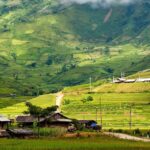
The final step of Day 2 is Ta Van village, home to the Dzay minority group (spelled as Dzay/Zay across different materials). You’ll walk through rice country and arrive ready for your overnight homestay.
Why I like this day for first-timers:
- It mixes village stops with scenery walking, so you’re not only “visiting a place.”
- You get repeated perspective on the valley—different viewpoints as the path changes.
- You end in Ta Van, which turns the day into something you remember rather than something you pass through.
Homestay night means you’ll be hosted in the community setting. You’ll eat the meals included with the itinerary, and you’ll likely have time to talk with your hosts (the exact flow varies by household, but the intent is real hospitality).
Day 3: Red Dzao and H’mong stops, waterfall, rattan bridge, and bamboo forest
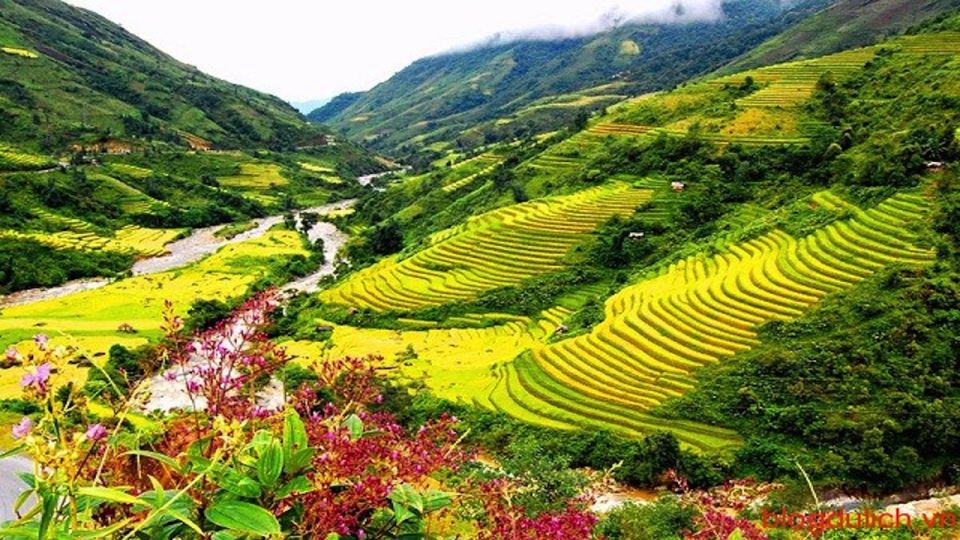
Day 3 continues the trekking, beginning again with Ta Van. You’ll visit two villages associated with the Red Dzao and the H’mong. This day is a “variety pack” of village moments plus walking features that break up the rhythm.
Along the way, you’ll see:
- a waterfall stop
- a rattan bridge
- views from paths through a bamboo forest
These landmarks matter because they give you built-in photo and pause points. If you like taking pictures, this is one of the best days for it. And even if photos aren’t your priority, those stops are the moment to slow down, stretch, and reset.
After the final trek segment, you’ll reach the main road to return to Sapa by car. You’re scheduled to pack and leave Sapa around 2 PM, then take a limousine back to Hanoi, with drop-off at your Hanoi hotel around 8–9 PM.
You can also read our reviews of more hiking tours in Hanoi
The guides: what to look for (and names you might meet)
This trek runs with a local English-speaking guide, and the human element is a big deal on a village-based hike. In past experiences, guides named Su Su and Ai have shown up as fantastic partners on the trail, with friendly, chatty knowledge. Other commonly listed names include Chu, Mai, and Jenny (support help tied to planning and early timing questions).
What you should look for in your guide:
- Someone who keeps the pace safe and realistic for your group.
- Clear guidance around village boundaries and where you should and shouldn’t wander.
- A calm approach to the sales-pressure issue (more on that next).
If you care about conversation, you’ll usually get it. Expect some genuine back-and-forth about daily life, seasonal farming, and what the villages are like beyond the tourist stops.
Homestay at Ta Van: clean, welcoming, and not a drive-by
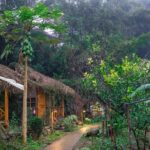
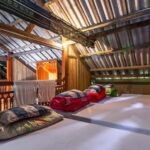
The homestay is the heart of the “authentic” part of this itinerary. You’re not only walking past houses—you’re staying one night in Ta Van. That matters because you get time outside the strict touring schedule: evening, sleeping arrangements, and the slower rhythm that makes conversations possible.
You should still set expectations honestly:
- It’s a homestay setting, so comfort is simpler than a standard hotel.
- You’ll likely share the space family-style, and bathroom setups may be rustic.
But cleanliness and organization are part of why people tend to like this stop. When it works well, you’ll feel genuinely hosted, and you won’t feel like a ticket number. If you enjoy learning through conversation—especially about traditions, clothing, or farming life—this is the night that can turn the trip from pretty scenery into something more personal.
Food, pace, and the trekking reality of a 9 km route
Meals are included for breakfast, lunch, and dinner as shown in the itinerary. Drinks aren’t included, so plan on paying for water or any extras.
Food tends to be satisfying and well-timed. You won’t go hungry between village stops, and dinner provides a nice break after trekking, including that Sapa nighttime flavor like roasted corn and baked eggs.
Pace and effort:
- The route includes a 9 km trek, and it’s not recommended for older guests or children.
- The terrain is part trail, part downhill/uphill walking in a highland area.
- Weather can swing fast in Sapa. You’ll want to be dressed for cold and possible rain.
Practical packing list that actually helps:
- Comfortable shoes you trust on uneven ground
- Warm layers, plus a scarf and hat/cap
- Sunglasses and sunscreen (sun can still happen between clouds)
- Insect repellent
- Cash in Vietnamese dong (banking can be unreliable in Sapa)
Also, expect fog in Dec–Mar. Even if you’re used to travel, fog can make visibility lower—so go slow and let your guide manage the timing.
The selling-pressure issue: how to stay friendly and keep the hike yours
One of the most important notes in this itinerary is a heads-up about some local people trying to accompany you along the trek to ask for money or sell items at high prices. This can be stressful, especially the first time it happens.
Here’s the approach that keeps things calm:
- Ignore the side offers and stick with your guide.
- Don’t get trapped in negotiating on the trail.
- If someone approaches, a short, polite redirect is often enough. The goal is to keep moving.
You’re on a guided route for a reason. Your guide is coordinating where you go, when you pause, and how you move between villages. When you let distractions pull you off that line, you risk delays and a worse experience for everyone.
If you want to buy crafts or textiles, the best strategy is to do it intentionally—when your guide has you at a stop that makes sense. That way you avoid the feeling of being chased along the path.
Price and logistics: what can trip you up
Most logistics are handled for you: pickup and drop-off in Hanoi Old Quarter, Lao Cai to Sapa transfer by shared minibus, sightseeing fees, meals, and the overnight train cabin.
Still, a few real-world friction points can affect your comfort:
- The overnight train can be bumpy and loud.
- Toilet use can be awkward on the train.
- Some bunks may be assigned rather than chosen, which can matter if you strongly prefer top vs bottom.
Also, you should plan for weather flexibility. If Sapa is foggy or cold, you’ll want to keep layers accessible so you can adjust quickly.
Finally, check what your travel style needs. This is not a “slow wander” itinerary. It’s structured to fit a multi-day trek route plus returns. If you want maximum downtime, you might find the schedule busy.
Who should book this Sapa trek (and who should skip it)
This tour is a strong match if you want:
- A trekking-based Sapa experience with actual village time
- A homestay night in Ta Van
- A route focused on ethnic minority communities and farming-area walking
- A guided plan that reduces decision fatigue in a place where weather can change fast
It’s not a great match if:
- You need wheelchair-friendly travel or mobility accommodations (the trek isn’t set up for mobility impairments)
- You’re sensitive to rougher transportation on an overnight train
- You can’t handle cold, fog, and a multi-day walking effort
If you’re traveling solo, you can still do it, but be aware you may be moving through the trip with different people or timing depending on how groups align day-to-day. The key is to double-check you know who your guide is each morning and where you’re meeting.
Should you book this Sapa 3-day trek and hotel with overnight train?
If your goal is to experience Sapa beyond the viewpoint circuit, this is a good booking. The price feels fair for what’s included, and the combination of overnight train + village treks + Ta Van homestay is the main reason to choose it over a simpler day-tour.
Book it if you:
- Like structured itineraries that still allow village stops and photo pauses
- Can walk comfortably on uneven highland paths
- Bring warm layers and trekking shoes without cutting corners
Consider a different option if you:
- Want luxury transport during the night train
- Need very low-effort walking
- Are easily rattled by sales pressure (because some of it can happen on the trail)
Bottom line: treat this as a guided trekking trip with authentic village contact, not a relaxed spa weekend. If you show up prepared for cold weather and a realistic train ride, you’ll come away with a genuinely memorable Sapa story.
FAQ
How do I get to the train station for the overnight train?
You can use hotel pickup from Hanoi’s Old Quarter or make your own way. You should arrive at Hanoi Railway Station by 9 PM, and the train departs at 10 PM.
What are the main parts of the trip schedule?
The trip runs 3 to 3.5 days: an overnight train from Hanoi to Lao Cai, a full trekking day to Sin Chai, a trekking day through the Muong Hoa Valley to Ta Van for a homestay night, then a final trek day and return to Hanoi.
Where do I meet the staff in Hanoi?
Go to Hanoi Railway Station, take the elevator to the 2nd floor, and proceed to gate 2A to meet the staff and get your tickets.
What is included in the price?
Included are Hanoi Old Quarter hotel pickup/drop-off, a local English guide, overnight train accommodation (shared 4-bed air-conditioned cabin), Ta Van homestay night, 3-star hotel in Sapa center, transfers from Lao Cai to Sapa by shared minibus, and all meals listed in the itinerary. Sightseeing fees and service/taxes are also included.
Are drinks included with meals?
No. Drinks are not included with the meals, so you’ll pay for them separately.
What should I pack for Sapa’s weather?
Bring warm clothing (including a scarf and hat/cap), comfortable trekking shoes, and also sunglasses, sun cream, and insect repellent. Sapa can be cold and foggy, especially from September to March.