REVIEW · HIKING & TREKKING
Sa Pa Trekking 2 Days 3 Nights Homestay by Night Train
Book on Viator →Operated by Vega Travel · Bookable on Viator
Sa Pa hits you fast. A night train drops you into mountain reality, not a hotel bubble. I like the mix of night-rail adventure and a real homestay connection, plus the trekking is guided with time to get photos and a coffee in better spots. One thing to weigh: this isn’t a casual walk, so you’ll want strong fitness and a willingness to hike.
I also like that the trip keeps the group small (up to 8). That matters on narrow paths and when you’re moving through hamlets where every minute changes your view and your footing. If you hate early mornings, the schedule can feel intense.
At $165 per person, this is a value play if you want transport plus meals plus guided trekking, without stitching together a dozen separate bookings. The main “gotcha” is that it needs good weather to run well, and the itinerary includes several hours of walking each trekking day.
In This Review
- Key highlights worth packing for
- Sapa by night train: getting to the mountains the efficient way
- Day 1 in Hanoi: station logistics and a fast reset
- Lao Cai arrival and Sapa drop-off: shower, luggage, then trek mode
- Giang Ta Chai Village trek (Day 2): hamlets, minority visits, and real walking
- Sapa morning and Day 3 trekking: household life before the trail
- Homestay life: what you’re actually paying for
- Price and value check for $165
- Group size, guide support, and how the pace really feels
- Weather reality: when the mountains look their best
- Who this fits best (and who should skip it)
- Should you book Sa Pa Trekking 2 Days 3 Nights with Vega Travel?
- FAQ
- How long is the Sapa trek experience?
- Where do you begin the trip in Hanoi?
- How many people are in the group?
- What’s included in the price?
- What’s not included?
- How fit do I need to be?
- Is a homestay part of the trip?
- What happens if the weather is poor?
Key highlights worth packing for
- Night train to Lao Cai cuts down on travel stress and gets you to the mountains early
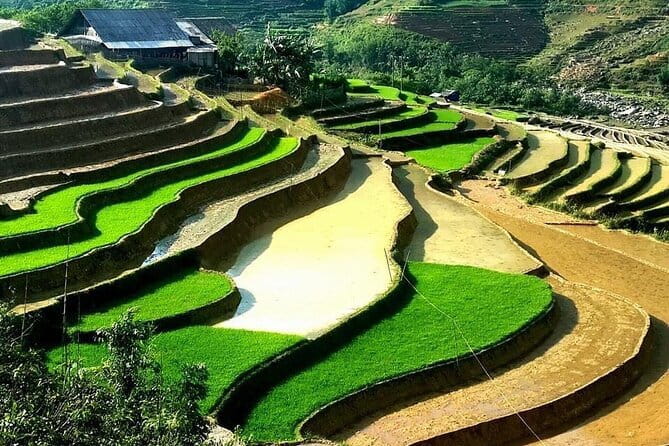
- Giang Ta Chai Village trek covers multiple hamlets (about 5–6 hours) and includes minority village visits
- Homestay with family life means you see morning routines firsthand, not just staged culture
- Small group size (max 8) helps the guide keep routes smoother and less crowded
- Guides named Tú and Tang Thi show up in past service reports, and both sound people-first
- Meals included (dinner, 2 breakfasts, 2 lunches) helps your budget stay predictable
Sapa by night train: getting to the mountains the efficient way
This trip’s big idea is simple: you travel overnight, then start trekking while the day is still cool and the air is clear. The night train gets you out of Hanoi at night and brings you into the Lao Cai area by morning, which is exactly when the mountain views make sense and when trails don’t feel like a furnace.
The other smart part is that it’s not only about scenery. You’re moving through villages with a human pace—people are already up, cooking, working in and around homes. That daily rhythm is a big part of why Sapa trekking feels different from a “look at the view and leave” tour.
And yes, the Gothic stone church in Sapa town is worth a stop if you’re near the center at the right time. It’s a quick reminder that this part of Vietnam absorbed French missionary influence—an interesting contrast to the ethnic traditions around it.
You can also read our reviews of more evening experiences in Hanoi


Day 1 in Hanoi: station logistics and a fast reset
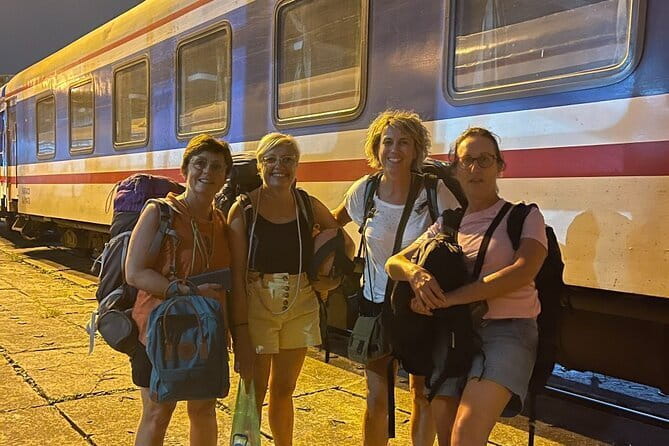
Your day 1 starts in Hanoi with the practical stuff handled for you. You’re told to go to the Vega Travel office so you can store luggage and freshen up before boarding. That’s more than convenience; it makes the night train feel like travel, not a chaotic scramble.
Then you’ll be transferred to Hanoi station in the evening, with check-in happening around 21:30. The timing is set up so you’re settled before departure, which usually means fewer last-minute hassles with tickets and seat assignments. If you’re carrying a backpack, pack it like you’ll need things quickly later: water, a light layer, and anything you’d rather not dig out at 10 pm.
This day is less about sightseeing and more about positioning. By the time you’re moving out of Lao Cai area the next morning, you’ll be ready to do what you came for: walking and meeting people.
Lao Cai arrival and Sapa drop-off: shower, luggage, then trek mode
In the morning, the train arrives at Lao Cai around 06:00. From there, pickup brings you to Sapa town, and you get a chance to shower and store luggage. That reset is important because trekking days add up fast, and you don’t want to start day 2 feeling grimy or underprepared.
This also gives your body a chance to adjust from train sleep (often broken) into mountain movement. If you’re sensitive to cold, consider wearing a warm layer for the morning transfer—mountain weather can shift quickly.
Once you’re refreshed, you’re in “trek mode” instead of “travel mode.” That’s the difference between a trip that feels like a headache and a trip that feels like an experience.
Giang Ta Chai Village trek (Day 2): hamlets, minority visits, and real walking
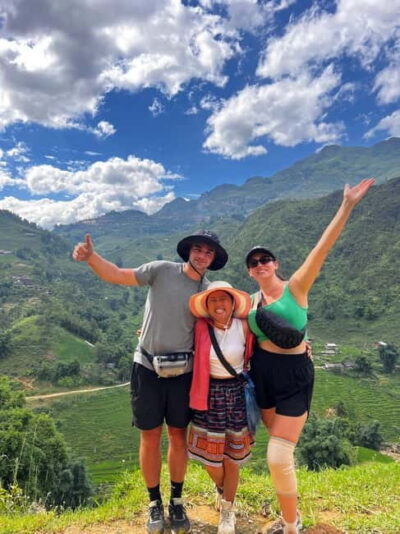
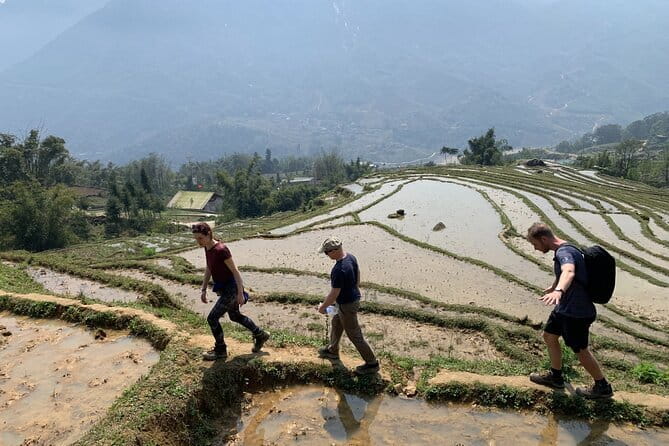
Day 2 is where the effort turns into payoff. You’re looking at roughly 5–6 hours of trekking through 4 hamlets in Giang Ta Chai Village, with visits to two different minority groups along the way.
The value here isn’t just the duration. It’s the variety inside one region. Crossing between hamlets means you see how homes sit in the terrain, how fields and paths connect, and how the village layout changes as you move. It’s also one of the better setups for meeting people and hearing about daily life—because you’re not staying in one spot.
A couple practical notes so you enjoy this part:
- Bring shoes you trust. This is a mountain trek, not a city walk.
- Expect uneven footing at times. Your pace will be guided by the route, not by your speed.
- Keep water and small snacks accessible. The itinerary is structured, but you’ll still want to manage your energy.
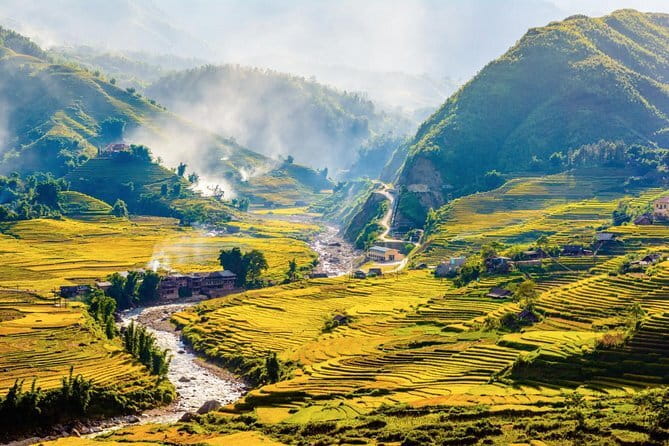
Even in months when rice fields may not look their brightest, the people and the terrain make the day interesting. One of the most repeated themes from service reports is that the guides, including Tú, try to find good viewpoints and make stops feel helpful rather than rushed.
Sapa morning and Day 3 trekking: household life before the trail
Day 3 starts early enough that you may be woken by the households. That small detail changes the whole tone of the morning. Instead of starting the day in silence, you start it with the sound and motion of people living there—preparing for work, cooking, and getting families ready for the day.
Then you set out for 3–4 hours of trekking with surprises along the way. The exact “surprises” aren’t specified, but the point is clear: the guide isn’t treating the route like a checklist. In other words, you’re more likely to get small photo stops and short moments where you can see a viewpoint, hear what’s going on in a hamlet, or step off the busiest paths.
This day also works as a good “capstone trek.” It’s long enough to feel like you earned the views, but it’s not so long you’ll be destroyed if your fitness is solid but not hardcore.
One consideration: since this is still trekking time, you’ll want to keep your pace realistic. If you go too hard early, the last stretch can feel longer than it should.
You can also read our reviews of more hiking tours in Hanoi
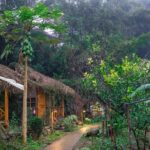
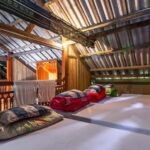
Homestay life: what you’re actually paying for
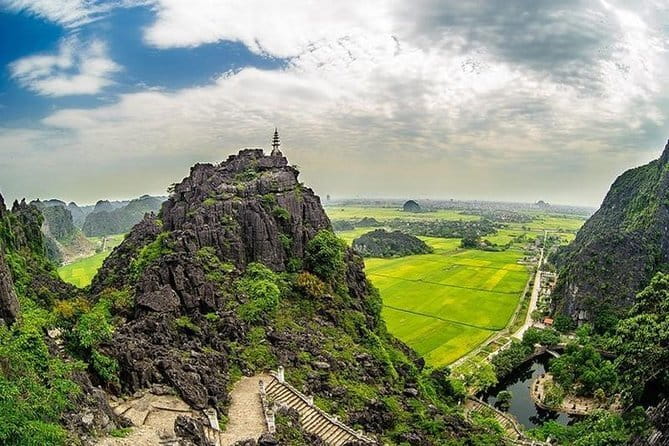
The homestay is the heart of this style of trip. You’re not just sleeping somewhere with a view. You’re staying with a family, and that’s where the experience turns from sightseeing into understanding.
From service reports, the homestay families are consistently described as welcoming and friendly, and the guide—often named Tú—plays a big role in bridging language and expectations. When a homestay feels comfortable, you spend less time guessing and more time paying attention.
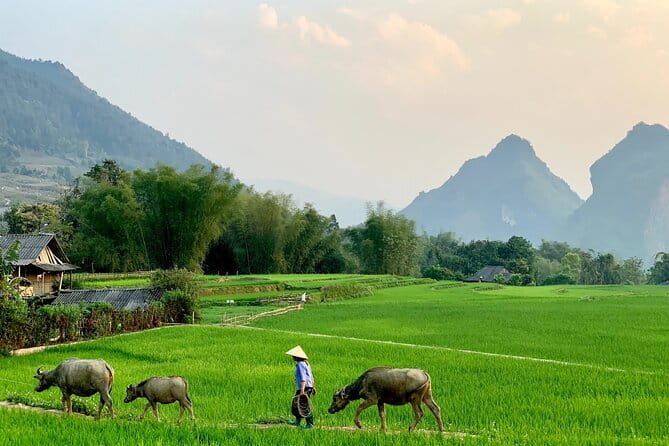
Also, Sapa is home to several ethnic groups, including Hmong and Dzao in large numbers, along with Tay, Giay, and smaller Xa Pho communities. What that means for you on the ground is variety: different clothing, farming patterns, and household routines you can notice if you stay observant and ask simple questions.
A small practical tip: homestays can have different shower and toilet setups than you’re used to. The itinerary notes shower time on the travel days, but on the homestay night, expect something more basic than a city hotel. Pack a light kit you’re comfortable using.
Price and value check for $165

At $165 per person, you’re paying for a bundle: transport by night train, trekking guidance, a homestay night, and most meals. Included items are listed as dinner, 2 breakfasts, 2 lunches, and an air-conditioned vehicle, plus admission tickets where indicated.
That’s why the price can make sense. If you tried to book:
- night train seats,
- transfers,
- a guided trekking plan through villages,
- homestay lodging,
- and meal coverage,
…you’d likely end up paying more than the package total, and you’d spend time coordinating everything yourself.
The biggest “value” test for you is pacing and preferences. If you want convenience and comfort above all, this may feel like effort. If you want to spend your money on people-to-people time and guided trekking with meals handled, it’s a fair deal.
What’s not included matters too. Alcoholic beverages and soda/pop aren’t included, so plan to budget a bit for drinks you want beyond basic meals.
Group size, guide support, and how the pace really feels
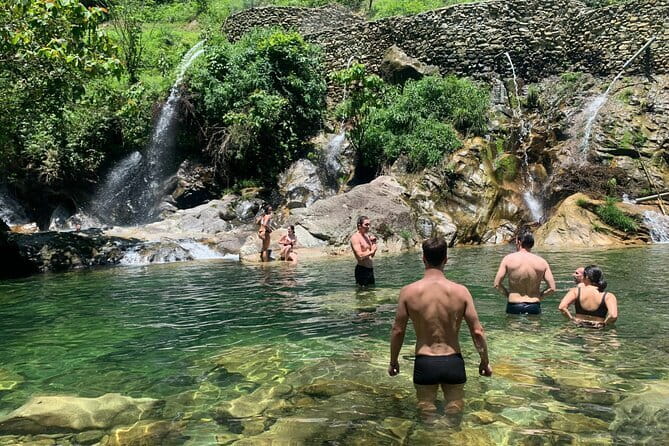
This tour caps at a maximum of 8 travelers. That’s not a throwaway detail. On trekking routes, it means your guide can manage spacing, answer questions without yelling, and adjust the route when paths get crowded or conditions shift.
Guide quality comes through in the service feedback. Tú is repeatedly named as a friendly, helpful guide who explains things and adapts the tour to people’s needs. In at least one case, Tang Thi is also specifically mentioned, which suggests Vega Travel staffs experienced guides rather than rotating random drivers.
What you should take from this as a traveler:
- You can ask questions and expect answers.
- You can likely request comfort adjustments (like pacing) as long as you communicate early.
- You’ll be more likely to get meaningful photo and viewpoint moments rather than constant movement.
Weather reality: when the mountains look their best
The experience is said to require good weather. That’s common in northern Vietnam because fog, heavy rain, or poor visibility can ruin views and make trails slippery.
Also, rice fields can look different depending on the season. Even if March isn’t peak for rice terraces in every year, you can still get stunning views, interesting terrain, and strong cultural moments. The practical takeaway: bring rain-ready gear if you travel in shoulder months, and keep expectations flexible about what the fields look like.
If poor weather cancels or changes things, the program offers a different date or a full refund. That gives you some protection, but it also means you shouldn’t plan this trip as your one fixed day with zero flexibility.
Who this fits best (and who should skip it)
This works best if:
- you want a guided trek through village hamlets, not just a viewpoint bus stop,
- you’re comfortable hiking several hours at a time,
- you like meeting people and learning the everyday parts of rural life,
- you want most meals handled and a small-group feel.
You might want to skip or choose a gentler alternative if:
- you don’t handle early starts well,
- you struggle with uneven terrain,
- you want a purely comfort-first trip with minimal walking.
The trip explicitly says travelers should have strong physical fitness, so treat that as a real warning sign, not a polite suggestion.
Should you book Sa Pa Trekking 2 Days 3 Nights with Vega Travel?
I’d book this if you’re chasing the real Sapa experience: night train energy, guided walking between hamlets, and a homestay where daily life is part of the show. The price looks fair because it bundles transport and meals, and the small group size helps keep the whole thing human.
I wouldn’t book it if your main goal is easy sightseeing with no effort. This is still a trek, and your body will feel it on day 2 and day 3.
If you do book, plan for the basics: good hiking shoes, layers for changing mountain temperatures, and a calm mindset for early mornings. And when the guide (often named Tú, sometimes Tang Thi) suggests a route or stop, treat it like advice, not background noise. That’s where the best moments usually live.
FAQ
How long is the Sapa trek experience?
The itinerary is listed as 3 days (approx.).
Where do you begin the trip in Hanoi?
The experience is based in Hanoi, with transfer to Hanoi station in the evening and a morning schedule that includes Lao Cai arrival. The start time is listed as 7:00am.
How many people are in the group?
The tour/activity has a maximum of 8 travelers.
What’s included in the price?
Included items are dinner, 2 breakfasts, 2 lunches, an air-conditioned vehicle, and admission tickets where noted.
What’s not included?
Alcoholic beverages and soda/pop are not included.
How fit do I need to be?
You should have a strong physical fitness level because the trek includes long walking days (about 5–6 hours on day 2 and 3–4 hours on day 3).
Is a homestay part of the trip?
Yes. The experience includes a homestay during the trek in the Sapa area.
What happens if the weather is poor?
The experience requires good weather. If it’s canceled due to poor weather, you’ll be offered a different date or a full refund.