
REVIEW · HISTORICAL TOURS
Hanoi: Vietnam Military History Museum and Hanoi Museum Tour
Book on GetYourGuide →Operated by CRAFT VILLAGE HANOI TOUR · Bookable on GetYourGuide
War artifacts in Hanoi can be heavy—and this tour keeps it practical. You get a focused walk through two major museums, including the Vietnam Military History Museum with its wartime exhibits and a stop at the Hanoi Museum where the city’s long story is built into the architecture. I especially like how the tour points you toward the standout objects—like the T54B tank and aircraft wreckage—without turning your day into a scavenger hunt. I also like that your guide’s language options are wide, and the information stays organized instead of random.
One thing to keep in mind: this is a museum-heavy day with a strong war theme first, so it can feel emotionally intense if you’re not in the mood for military history.
In This Review
- Key Things You’ll Notice Right Away
- A Smart Way to See Two of Hanoi’s Biggest Museums
- Inside the Vietnam Military History Museum: Tanks, Bombs, and Unusual Objects
- The T54B Tank Stop: April 30, 1975 in One Object
- Outdoor Displays Near Hanoi Flag Tower: Aircraft Wreckage and Big-Gun Reality
- Hanoi Museum: The Inverted Pyramid That Helps You Read the Past
- Four Floors of Hanoi Story: From Dynasties to Daily Life
- How the Timing and Private Group Style Works for Your Day
- Price and Value: Is $62 Worth It?
- Guides, Language, and What the Reviews Suggest About Quality
- Who This Tour Fits Best
- Should You Book This Hanoi Museum Tour?
- FAQ
- How long is the tour?
- Where is the pickup location?
- Which museums are included?
- Does the tour include guided time?
- Is there a way to avoid ticket lines?
- What languages are available for the live guide?
- Is this a private group?
- Is the tour wheelchair accessible?
- What are the main highlights to expect at the museums?
- How many floors does the Hanoi Museum have in this visit?
Key Things You’ll Notice Right Away
- The T54B tank (No. 843) tied to April 30, 1975 at Saigon Presidential Palace, now Independence Palace
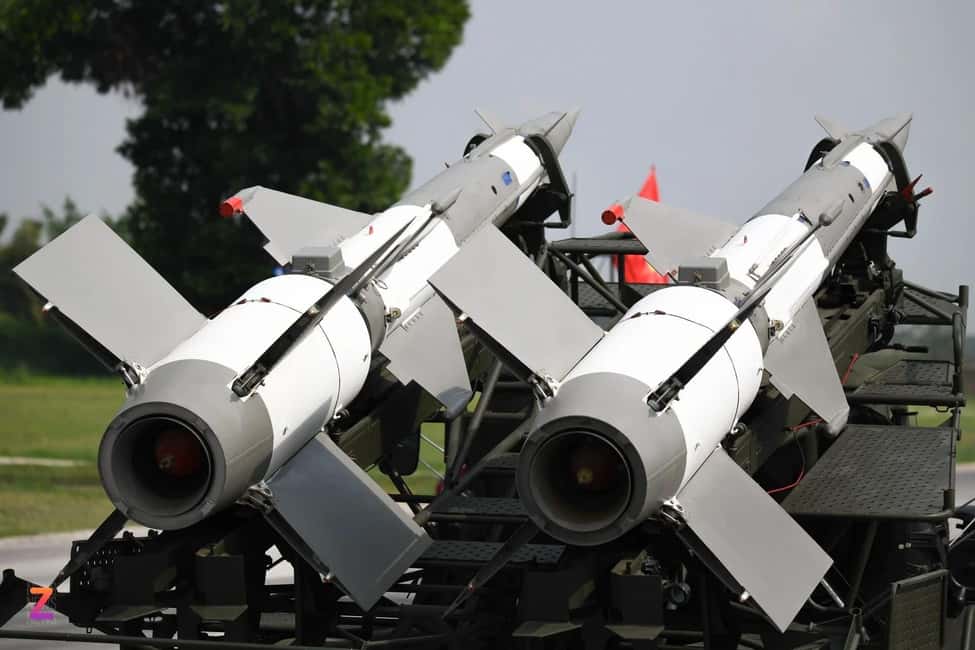
- War technology details like infrared optics, phones, shell mines, and butterfly bombs
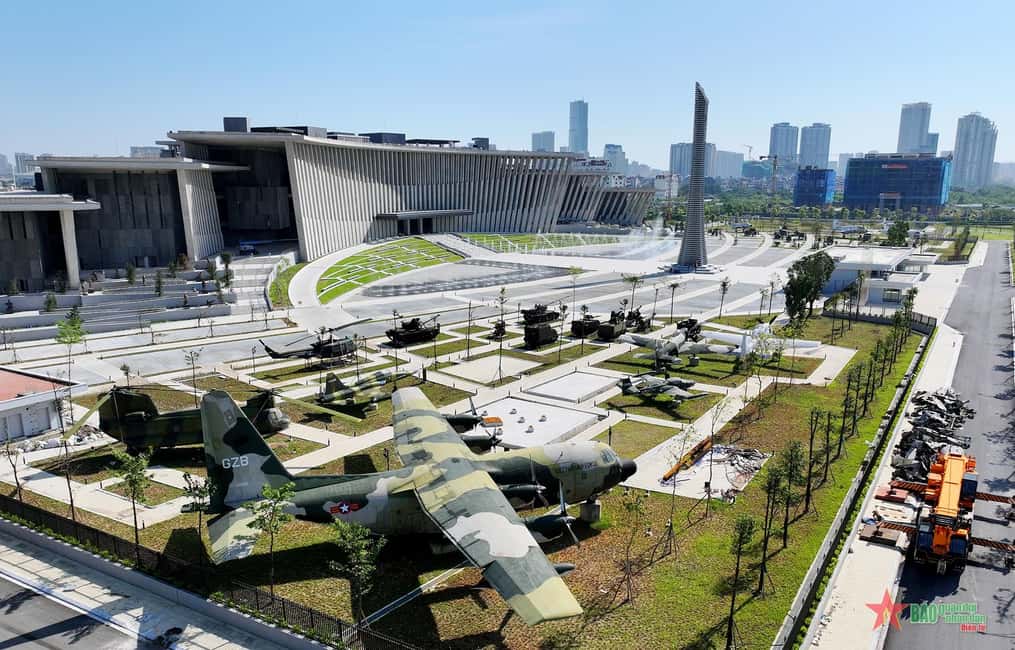
- Outdoor artifacts near Hanoi Flag Tower, including tanks, artillery, landmines, and even the tail of an American F-111A
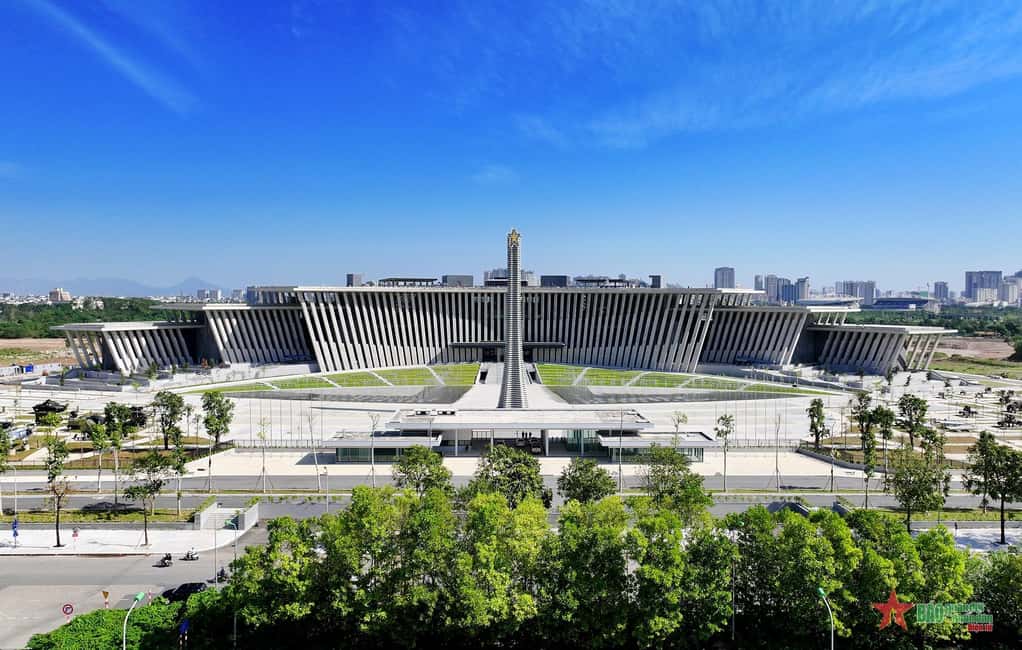
- Hanoi Museum’s inverted-pyramid design meant to shade exhibits across four floors
- A huge collection scope: the Hanoi Museum displays more than 70,000 artifacts
A Smart Way to See Two of Hanoi’s Biggest Museums
Hanoi’s museum scene can feel overwhelming fast. You’re often faced with giant buildings, long exhibit halls, and too many items to read. This tour helps by putting you on a clear track for about 5 hours total, splitting your time between the country’s war story and the capital city’s deep past.
The first half centers on the Vietnam Military History Museum, described as the largest museum in Hanoi and one of Vietnam’s six national museums. The second half shifts gears to the Hanoi Museum, built as part of the celebrations marking the 1000th anniversary of Thang Long (Hanoi). Even if you don’t love museums in general, this pairing works because the themes connect: war shaped modern Vietnam, and Hanoi became a key stage for that change.
You can also read our reviews of more historical tours in Hanoi

Inside the Vietnam Military History Museum: Tanks, Bombs, and Unusual Objects
Your day starts with a guided portion at the Vietnam Military History Museum (about 2 hours), plus a photo stop. The museum is spread across three buildings, so having a guide matters. Left on your own, it’s easy to wander into sections that are interesting but not the most “wow” or meaningful.
What I like here is that the exhibits don’t stay at the level of slogans. You get specific objects and the kinds of details that make wartime technology understandable.
A few standout categories you’ll encounter indoors:
- War artifacts and documents, including items connected to Vietnam’s resistance wars
- Shell mines and other battlefield hardware
- Infrared optics and phones, which help you understand how communication and targeting worked
- Butterfly bombs, produced by the US and used by France during the Indochina War
- Guns produced by Vietnam, connected to the resistance war against the Americans
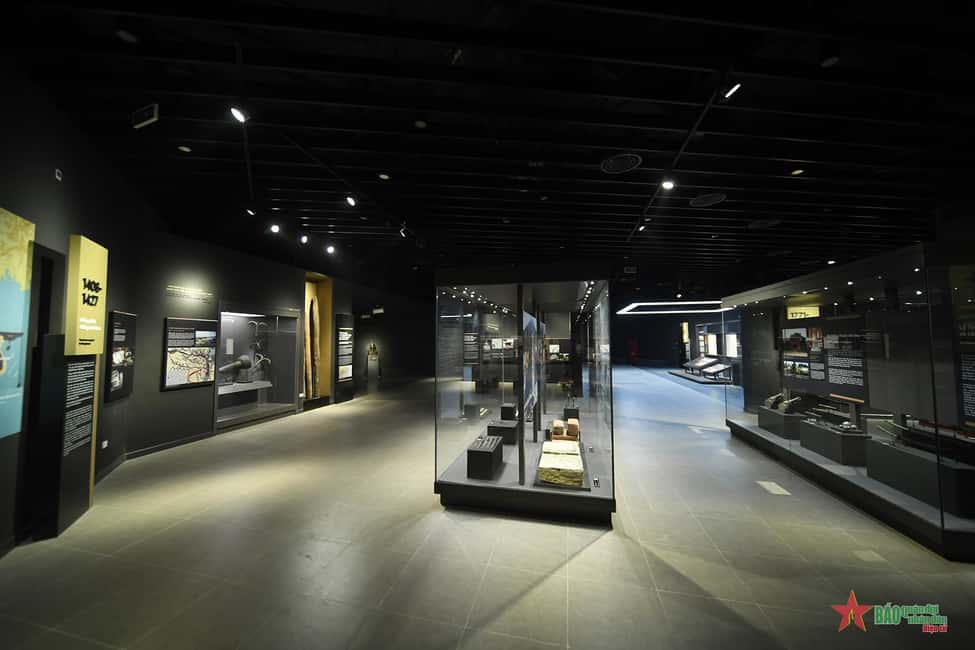
There’s also a historically specific detail that’s easy to miss unless someone points it out. You’ll see wooden wattles used in the Bach Dang naval battle against the Mongolian army in 1288. That’s a reminder that “military history” here stretches far beyond the 20th century. The museum is showing patterns—how engineering, terrain, and strategy repeat across time.
The T54B Tank Stop: April 30, 1975 in One Object

The most famous moment in the military museum visit is the T54B tank, number 843, manufactured by the Soviet Union. The museum connects it to the attack on Saigon Presidential Palace (now the Independence Palace) on April 30, 1975.
Why this matters for you as a visitor: tank exhibits can turn into static “look but don’t touch” displays. Here, the guide’s job is to tie the object to a date and a place so it stops being just machinery and becomes a story. Even if you’re not a history buff, that date reference helps your brain file the exhibit in context.
You’ll also see a bronze figure connected to Vietnam’s resistance efforts: a soldier statue created by sculptor Tran Dinh Hoe in 1960, displayed among resistance-war artifacts related to the fight against French colonialists. It’s a reminder that museums aren’t only about weapons—they’re about people, symbolism, and how a society remembers.
Outdoor Displays Near Hanoi Flag Tower: Aircraft Wreckage and Big-Gun Reality
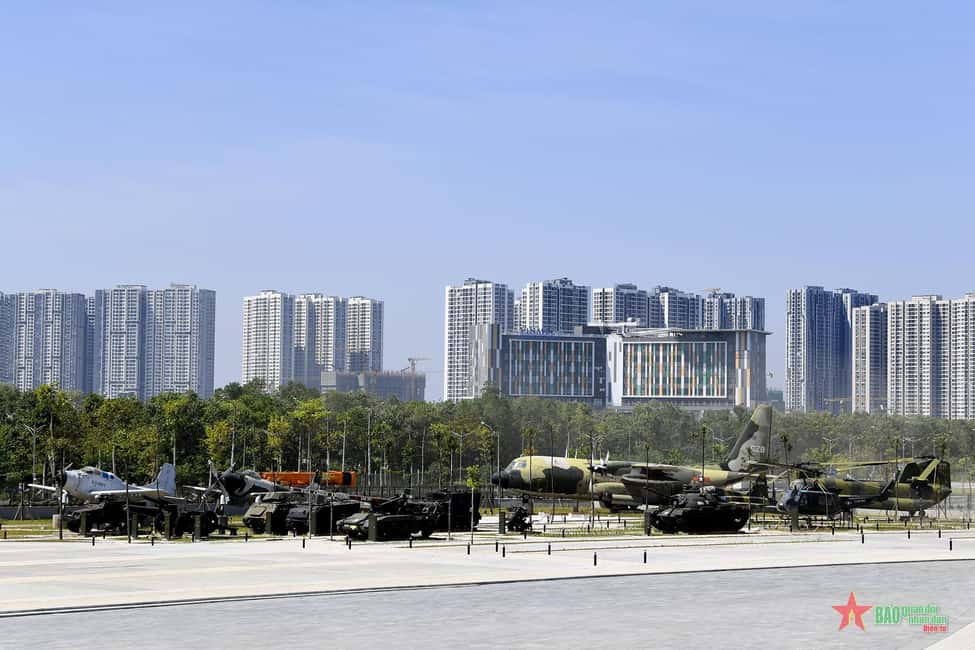
After the indoor buildings, your tour moves to the outdoor collection at the foot of Hanoi Flag Tower. This part is where the scale hits you.
The outdoor displays include:
- Airplanes, tanks, and artillery
- Landmines and other large artifacts
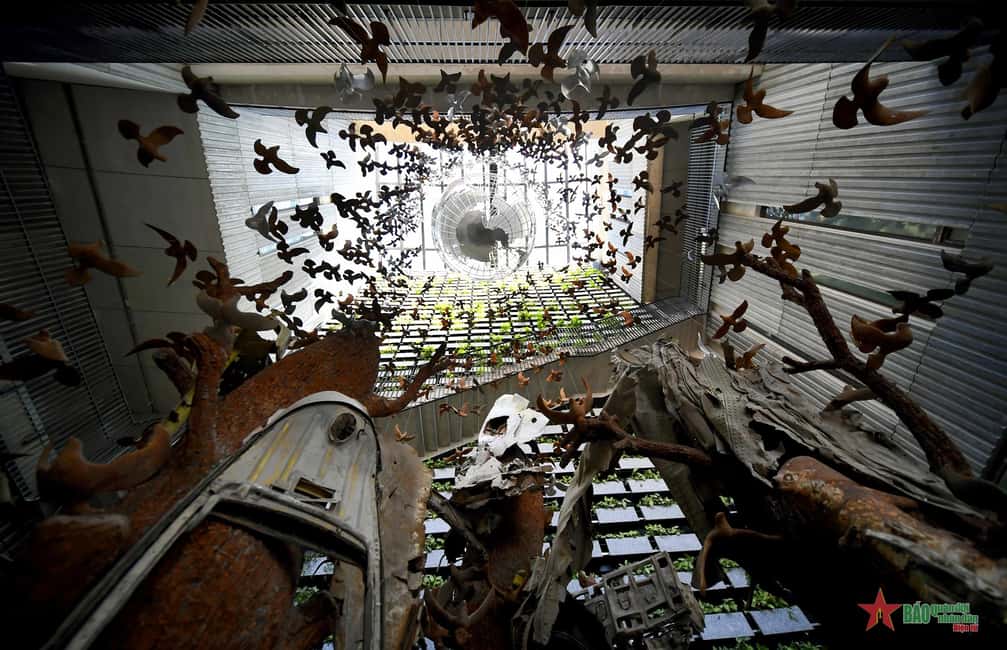
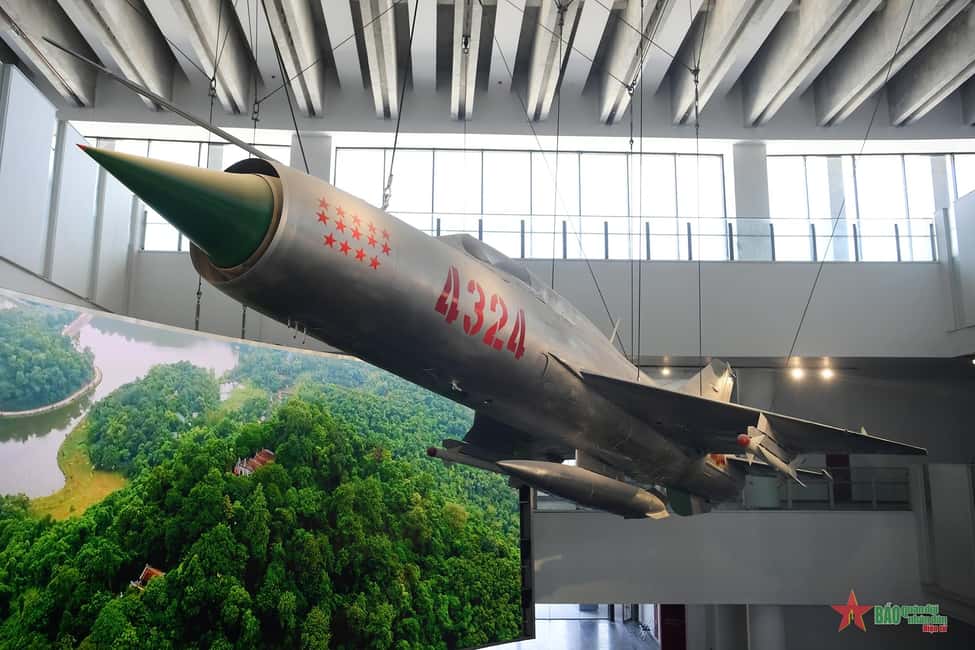
- Remnants of aircraft shot down by the Vietnamese army
One particularly striking item is the tail of an American F-111A, which crashed directly into the ground. Seeing a wreckage component like that makes the war feel immediate. It also gives you a different kind of learning: instead of reading about technology, you’re looking at its aftermath.
You’ll also hear about the different types of bombs used by the US and about Vietnamese artillery guns that shot down American B-52 heavy bombers. That’s the tour shifting from single-machine stories to systems of war—air power, bombardment patterns, and countermeasures.
If you’re the type who likes variety, there’s also an object category that breaks the usual museum pattern: the cannons of the Nguyen Dynasty, made in the 19th century and discovered around Thang Long Citadel in 2003. It adds a long-time-horizon perspective and helps you connect Hanoi’s geography to military history across centuries.
Hanoi Museum: The Inverted Pyramid That Helps You Read the Past
The second half is at the Hanoi Museum, where the focus becomes the capital city itself. This stop is about 100 minutes, with a guided visit and photo stop. This isn’t just a “nice building” museum—its design is meant to shape what you experience inside.
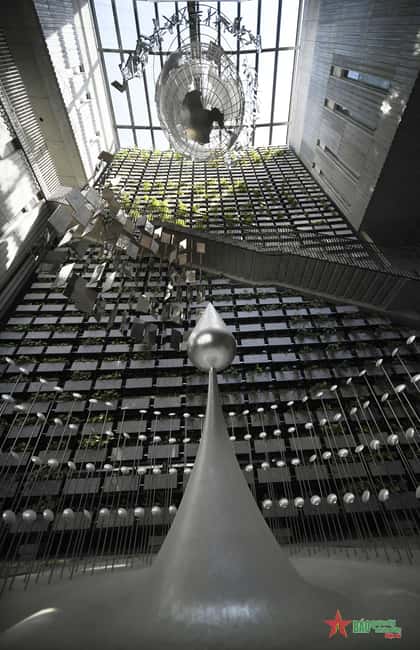
The Hanoi Museum covers more than 54,000 square meters, arranged with four floors in a layout that resembles an inverted pyramid, with terraces that extend outward. The architecture helps limit direct sunlight on the lower exhibits, which means you’ll likely spend less time fighting glare and more time reading displays.
You’ll also notice how the building is described: a square structure with a circular atrium in the middle. That open center can make the museum feel less claustrophobic than you might expect for a history site with a large collection.
You can also read our reviews of more museum experiences in Hanoi




Four Floors of Hanoi Story: From Dynasties to Daily Life
The Hanoi Museum has a big claim: more than 70,000 artifacts and materials on display, reflecting thousands of years of Hanoi’s existence. The museum also sits within a wider construction program celebrating the 1000th anniversary of Thang Long-Hanoi, which helps explain why it’s so visually intentional.
Here’s how the floors are organized, in plain visitor terms:
First floor (dynasties and written record):
You’ll see pillars carved with dragon figures from the Ly dynasty, plus documents and artifacts from the Ly, Tran, and Le dynasties.
Second floor (natural specimens and place-based images):
Expect natural artifacts such as the skeleton of the Hoan Kiem Lake turtle, a shrimp specimen from West Lake, and pictures showing Hanoi’s scenery and people. These items make the museum feel less like a “weapon museum” sequel and more like a city museum.
Third floor (ancient objects you can recognize as old-world):
This is where you’ll encounter items like bronze drums, copper coins, ancient ceramic vases, ivory, and different dragon statues and stone turtle statues.
Fourth floor (old and modern Hanoi plus space for programs):
You’ll find paintings and photos covering old and modern Hanoi. The floor also includes conference rooms, art studios, a library, and areas for temporary exhibitions.
If you like structure in your museum time, this layout is a big win. You’re not stuck reading one long corridor. You’re moving through different types of evidence: written record, artifacts, natural history, art, and photography.
How the Timing and Private Group Style Works for Your Day
This experience is built around a simple flow: pickup in Hanoi, then you move through the two museums with a guide. It’s a private group, so the pace can be kept more consistent than a large group tour—especially when you want to stop for photos or ask follow-up questions.
The day breaks down as:
- Military History Museum: photo stop plus guided tour around 2 hours
- Hanoi Museum: photo stop plus visit and guided tour around 100 minutes
- Return back to Hanoi
One real-world consideration: Hanoi weather and flooding can slow roads. In past experiences with this style of touring, guides have adjusted plans due to rain and flooding conditions. Translation for you: if the weather turns, don’t panic. The best guides know how to keep you moving while protecting your schedule.
Price and Value: Is $62 Worth It?

At $62 per person for about 5 hours, you’re paying for more than entry tickets. You’re buying:
- A guide who can connect objects to historical meaning
- Time-saving help with skipping the ticket line
- A museum route that hits two of the city’s largest collections
- Private-group attention so you can ask questions instead of waiting your turn
Whether it’s good value depends on your travel style. If you like wandering for hours on your own, you might spend less on a self-guided visit—but you’ll likely lose the big connections between objects and dates, like the T54B tank tied to April 30, 1975, or the way the indoor exhibits link technology (like infrared optics and phones) to real battlefield needs.
If you want to understand what you’re looking at and still come out of the day with highlights you can remember, this price starts to make sense fast.
Guides, Language, and What the Reviews Suggest About Quality
One of the best practical pieces of information here is the language coverage. You can get a live guide in many languages, including English and French, plus several others. That matters because these museums are packed with details, and even small translation gaps can turn a meaningful exhibit into just a list of words.
The strongest signals from guide-focused feedback are:
- Guides are able to explain the exhibits in a clear, organized way
- Language quality can be a real differentiator (French skill has been specifically praised)
- Flexibility helps when weather causes route problems
So if you care about understanding rather than just seeing, choose a language you feel comfortable with and use it. Ask about how the objects were used and what the museum is trying to teach. That’s where the tour earns its keep.
Who This Tour Fits Best
This is a good match if:
- You want a guided day in Hanoi that’s not just walking streets
- You’re interested in Vietnam’s war history and how it’s presented through objects and technology
- You like city history with an architectural angle, especially in the Hanoi Museum’s inverted-pyramid design
- You prefer a private-group format where you can move at a workable pace
It may be less ideal if:
- You want lighter, purely cultural sightseeing with no heavy war emphasis
- You prefer deep, unhurried reading of every label—this is structured time, not an all-day free-for-all across entire museums
Should You Book This Hanoi Museum Tour?
Book it if you want a guided, efficient way to see two of Hanoi’s most important museum experiences in one day—especially the military exhibits built around iconic objects like the T54B tank and the outdoor wartime hardware near Hanoi Flag Tower. The Hanoi Museum stop is a strong second act too, with its architectural design and a clear floor-by-floor organization that makes the history easier to process.
Skip it (or plan extra time on your own) if you know you want to read every detail slowly, or if a war-centered start to your day will put you off.
If you’re flexible and you like having someone turn museum items into a story, this is the kind of tour that saves you time and makes the artifacts actually mean something.
FAQ
How long is the tour?
The tour lasts 5 hours for a 1-day experience.
Where is the pickup location?
Pickup is from Hanoi.
Which museums are included?
You visit the Vietnam Military History Museum and the Hanoi Museum.
Does the tour include guided time?
Yes. You get a guided tour at the Vietnam Military History Museum (about 2 hours) and a guided visit at the Hanoi Museum (about 100 minutes), with photo stops included.
Is there a way to avoid ticket lines?
Yes, the experience includes skip the ticket line.
What languages are available for the live guide?
The tour offers live guiding in many languages, including Chinese, English, French, German, Italian, Japanese, Korean, Portuguese, Russian, Spanish, Indonesian, Thai, and Vietnamese.
Is this a private group?
Yes, it’s listed as a private group.
Is the tour wheelchair accessible?
Yes, it is wheelchair accessible.
What are the main highlights to expect at the museums?
At the Vietnam Military History Museum, you’ll see items like the T54B tank (No. 843) and a range of wartime technology and artifacts. At the Hanoi Museum, you’ll see an extensive collection of over 70,000 artifacts, across four floors in an inverted-pyramid-style building.
How many floors does the Hanoi Museum have in this visit?
The Hanoi Museum is described as having four floors, with exhibits arranged across them.
You Might Also Enjoy




More Historical Tours in Hanoi



More Tours in Hanoi
- Ninh Binh Full-Day Tour from Hanoi to Hoa Lu, Tam Coc & Mua Cave Via Boat & Bike
★ 5.0 · 4,384 reviews