REVIEW · SAPA TREKKING TOURS
From Hanoi: Visit Sapa & Fansipan With Cable Car For 2 Days
Book on GetYourGuide →Operated by ROYAL TRAVEL COMPANY · Bookable on GetYourGuide
Fansipan rewrites your idea of scale. In this fast 2-day Sapa trip, I like how it pairs Cat Cat village culture with a summit push up Fansipan, Vietnam’s roof. You get a real look at daily life in a mountain valley, then you swap into high-altitude views without spending a week on logistics.
One thing to consider: the trip doesn’t include the cable car fee, and on-the-ground explanations can vary. Also, I’d double-check any mention of Fansipan ticketing details before you assume everything is round-trip.
In This Review
- Key points to know before you go
- From Hanoi’s sleeper bus to foggy Sapa: the rhythm of Day 1
- Cat Cat village with the Black H’mong: daily life, water wheels, and questions to ask
- Fansipan cable car and the 600+ steps: what the summit climb really feels like
- Temples, giant Buddha statues, and year-round flowers up top
- Terraced fields and Muong Hoa valley views: using the scenery to orient yourself
- Price and value: what you pay $116 for (and what costs extra)
- English guidance in Sapa: helpful, but your mileage may vary
- Who this trip suits best (and who should think twice)
- Should you book this Sapa and Fansipan 2-day tour?
- FAQ
- Where does this tour operate?
- How long is the tour?
- How much does it cost?
- What transportation is included?
- What’s included for meals and lodging?
- Is there an English-speaking guide?
- Are Cat Cat village tickets included?
- Is the Fansipan cable car included in the price?
- Are there extra charges for solo travelers?
- Can I cancel after booking?
Key points to know before you go
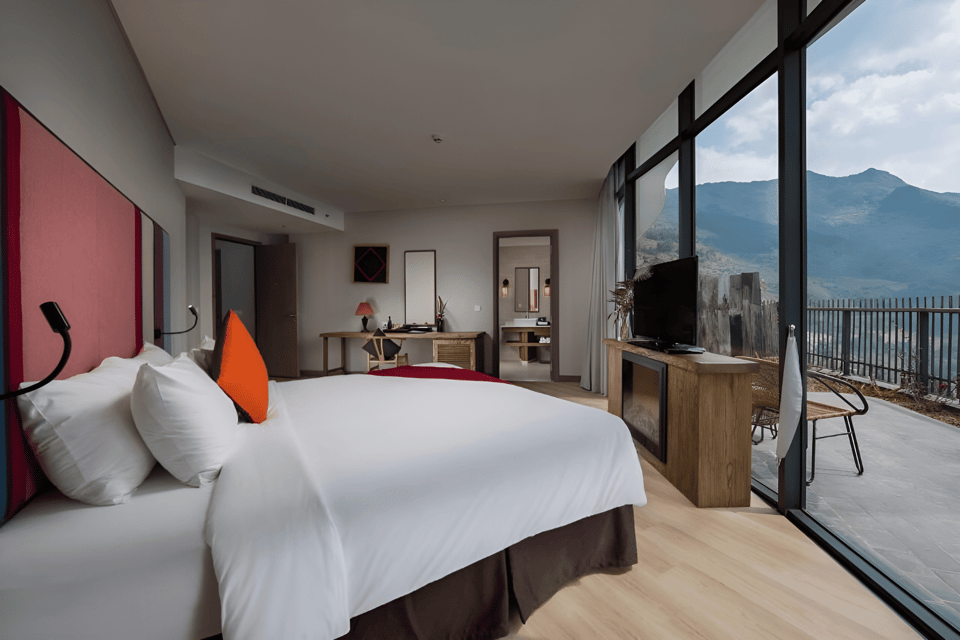
- Sleeper bus + one-night hotel keeps the trip to a tight 2 days while still covering both Sapa and Fansipan.
- Cat Cat village entry is included, so you can focus on the walk, the water features, and the H’mong craft and daily-life scenes.
- Fansipan cable car to about 2,800m is the big time-saver, followed by 600+ steps for the top payoff.
- Temples and giant Buddha statues are part of the summit route, not a quick photo stop.
- Terraced fields and Muong Hoa valley views are a major reason people rate this itinerary so highly.
- English guidance is provided in Sapa, but other languages cost extra and guidance quality can depend on the guide you get.
From Hanoi’s sleeper bus to foggy Sapa: the rhythm of Day 1
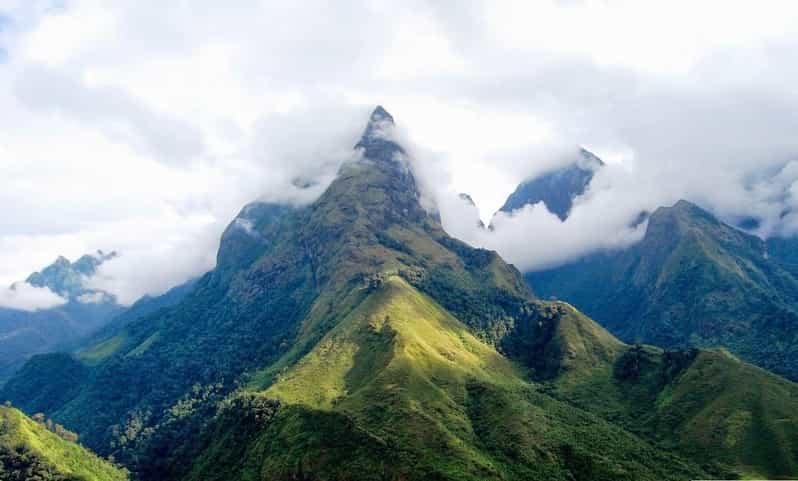
This tour starts in Hanoi, with pickup offered in the Old Quarter or at the bus station. Then you switch to a sleeper bus for the overnight ride to Sapa. The bus setup is described as modern facilities, and the key practical point is that there’s no tour guide on the bus itself—so you’re relying on the overall itinerary timing rather than live explanations during the drive.
On the highway, there’s a rest stop built into the route, and it’s there for two things: breakfast and a chance to reset. Since the meal list includes 1 breakfast, you can plan your morning stomach around that stop. Once you arrive, your Sapa guide meets you and helps you get through check-in smoothly at your hotel.
After that, you’ll eat a proper lunch with local flavors and then head out to Cat Cat village. Day 1 ends with dinner back in Sapa and an overnight stay in town, described as a foggy place where the city feels like it meets the sky.
What I like about this pacing is that you’re not trying to cram a summit climb on day one. You land, eat, and get oriented in mountain-culture mode first. The downside is obvious: a sleeper bus is still a sleeper bus. If you’re the type who needs a full night’s sleep to enjoy steps and weather, you may want to manage expectations for Day 2.
You can also read our reviews of more tours and experiences in Hanoi



Cat Cat village with the Black H’mong: daily life, water wheels, and questions to ask
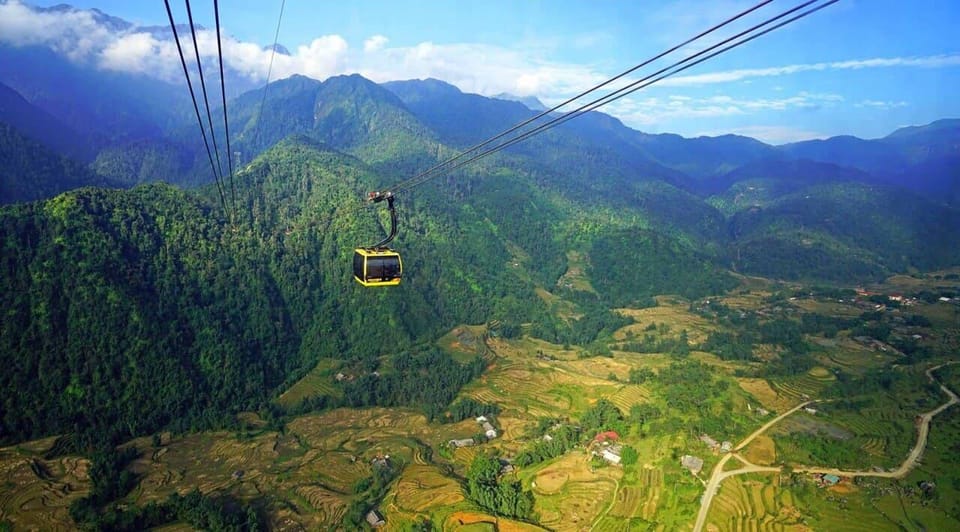
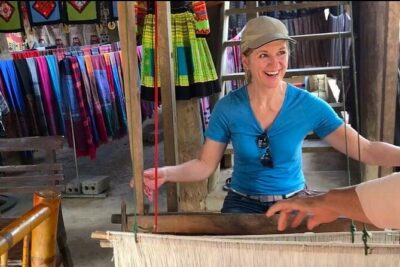
Cat Cat village is one of those places where the details matter. You’re going to see the settlement through the lens of the Black H’mong (also referred to as H’Mong people in the itinerary), with a focus on daily life, customs, and traditional crafts.
Expect a walk that helps you notice how the valley shapes life: the houses are described as sitting along mountain slopes, and the village sits in a charming valley at the foot of Fansipan. The point here isn’t just photos—it’s understanding how people live next to terraced agriculture and steep terrain.
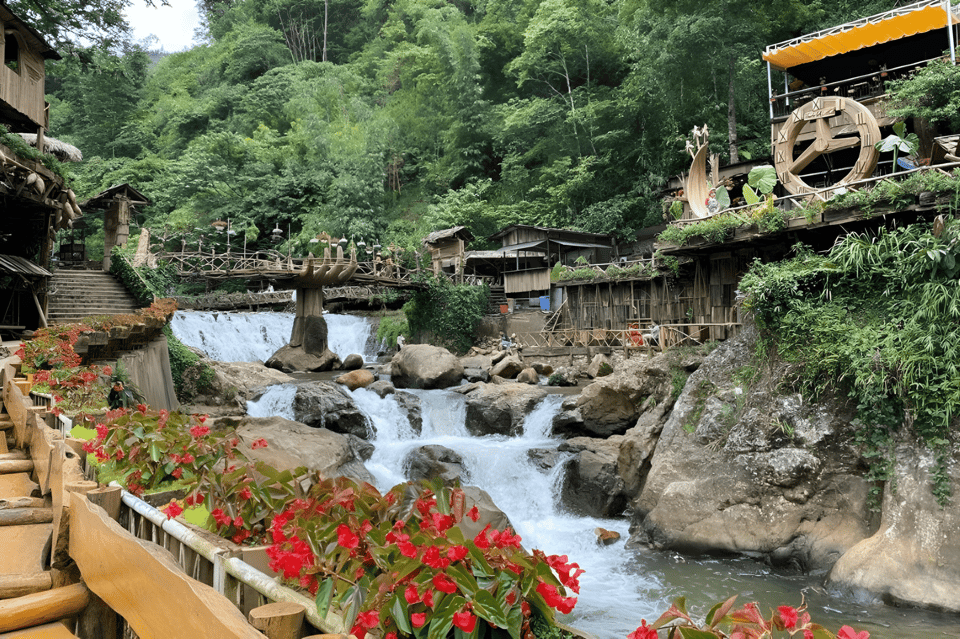
From there, the itinerary shifts to water. You’ll walk down to see a hydroelectric plant and Cat Cat waterfall, where you can hear the flow, see giant water wheels, and catch views from rustic bridges near the falls. This is where the tour earns its simplicity: the sound of water does half the work for you, and the area is built for easy wandering and quick stops.
Here’s the practical caution. The tour data includes Cat Cat entry tickets, but one real-world lesson is that your guide’s explanation level can be inconsistent. If you want deeper context—about weaving, farming cycles, or H’mong customs—don’t be shy about asking direct questions. Simple prompts help, like asking what a tool is used for, what a craft is made from, or how daily routines change with weather.
Also note what’s included: Cat Cat entrance is listed, but transportation inside Cat Cat isn’t specified as a separate paid item. So you should be ready for walking time and uneven footing around the valley.
Fansipan cable car and the 600+ steps: what the summit climb really feels like
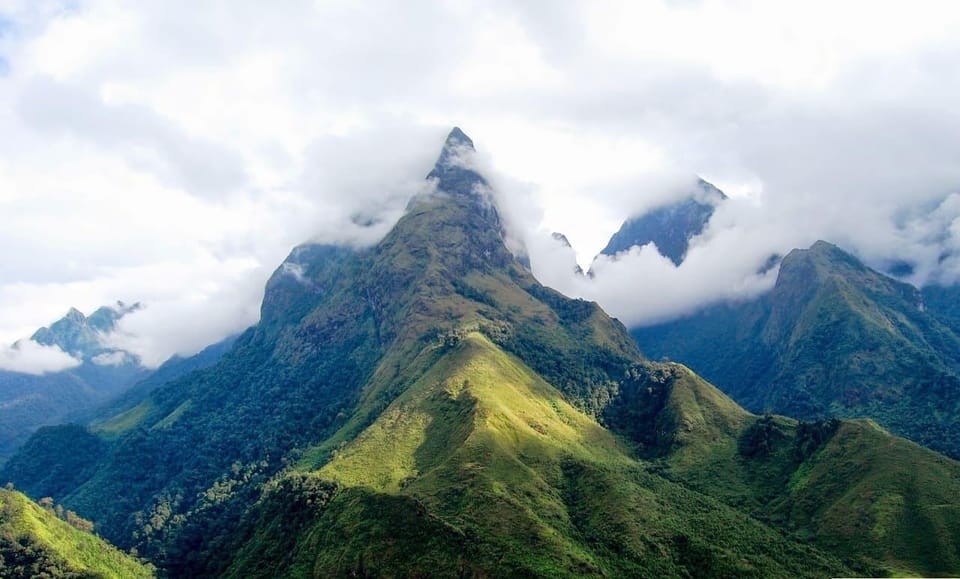
Day 2 is all about Fansipan. After a breakfast and a morning reset, you’ll be picked up again in Sapa and transferred to the Fansipan Cable Car station.
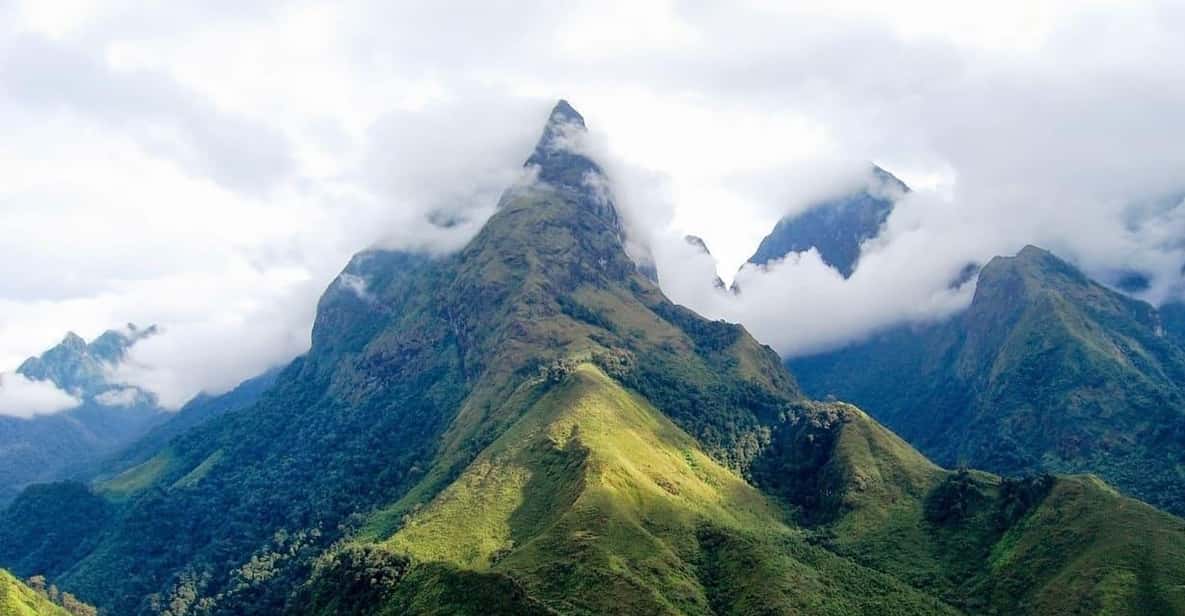
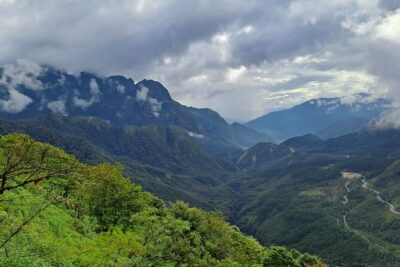
The big win here is the altitude jump. You take the cable car across the mountains and reach an elevation around 2,800m. From the cable car, the route is described as revealing a mini Sapa hidden in clouds, plus views of Muong Hoa valley and the Hoang Lien Son mountain range. Even if you’re not the type to stare at clouds for an hour, this segment is usually where you get that first true sense of scale.
Once you reach that point, you do the part that turns this from scenic to athletic: you trek more than 600 steps to reach the peak of Fansipan, described as the roof of Vietnam and Indochina. That number sounds straightforward, but the real thing to plan for is the combination of altitude and steady incline. Bring water, dress in layers, and be ready to move at your own pace.
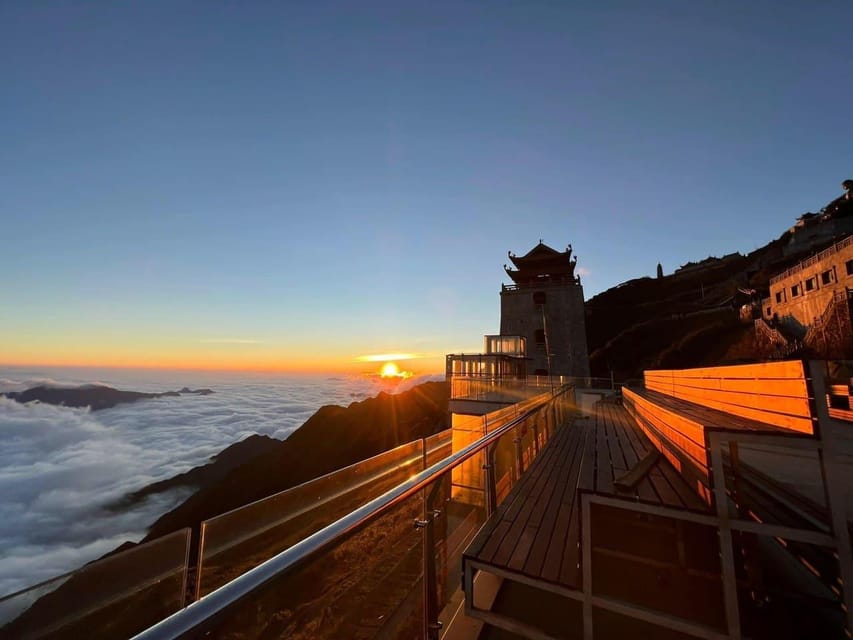
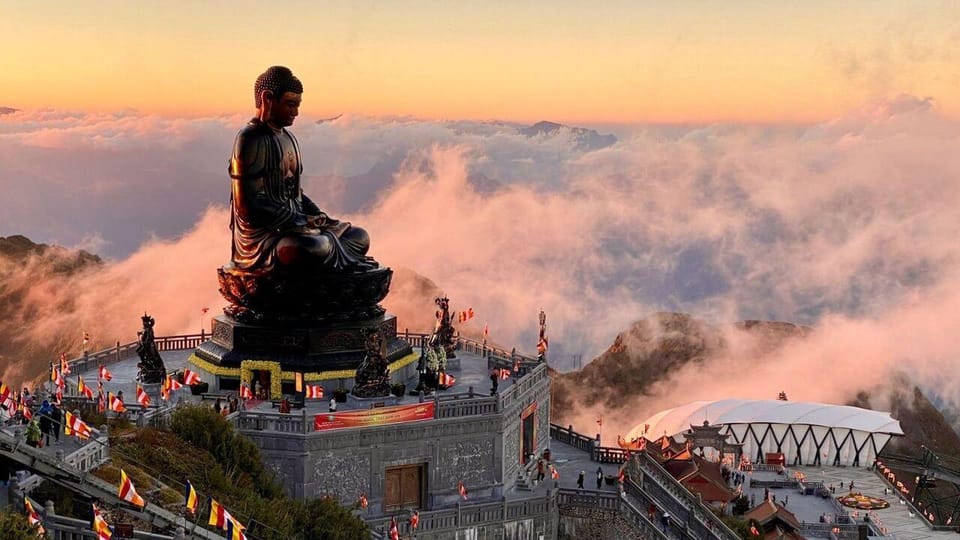
On the way up, you visit sacred temples and giant Buddha statues. This isn’t only about religious sights—it also breaks up the climb mentally. If you’re tired, it helps to have these visual stops that make you feel like you’re progressing, not just counting steps.
When you finally reach the top, the itinerary promises panoramic views including terraced fields and a miniature Sapa city. It also notes the possibility of sunlight warming the clouds below. That’s the classic Fansipan payoff: the view isn’t just pretty, it feels like the country’s geography reorganized itself around you.
Then you head back down via the cable car, return for lunch with mountain specialties, and travel back to Hanoi to close out the 2 days.
Temples, giant Buddha statues, and year-round flowers up top
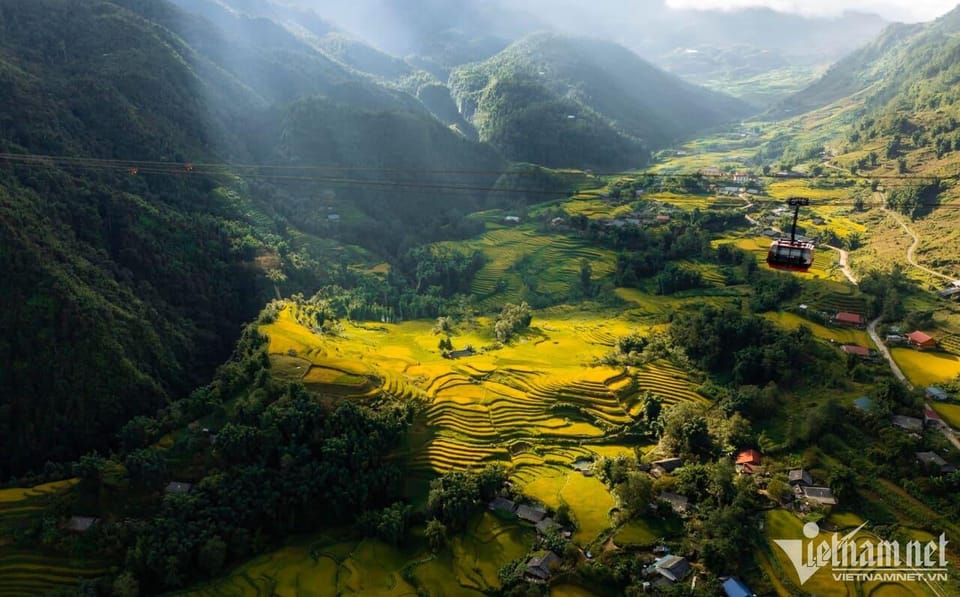
Fansipan isn’t a bare-rock summit. The itinerary explicitly includes the temples and the giant Buddha statues as part of the ascent path. So you’re not only dealing with nature—you’re also stepping into a spiritual and ceremonial zone where the route is guided by these landmarks.
The description also mentions flowers blooming all year round at the top. Since conditions at altitude can still vary, treat this as a good chance rather than a guarantee. But even if you don’t catch peak blossoms, you still get a structured walk that combines religious stops with sightseeing.
If you’re planning your photos, this is the place to aim for slow looking. The statues and temples tend to reward patience: angles change as you move up, and light at altitude can shift quickly. If you like culture as much as scenery, this is one of the best parts of the whole package.
Terraced fields and Muong Hoa valley views: using the scenery to orient yourself
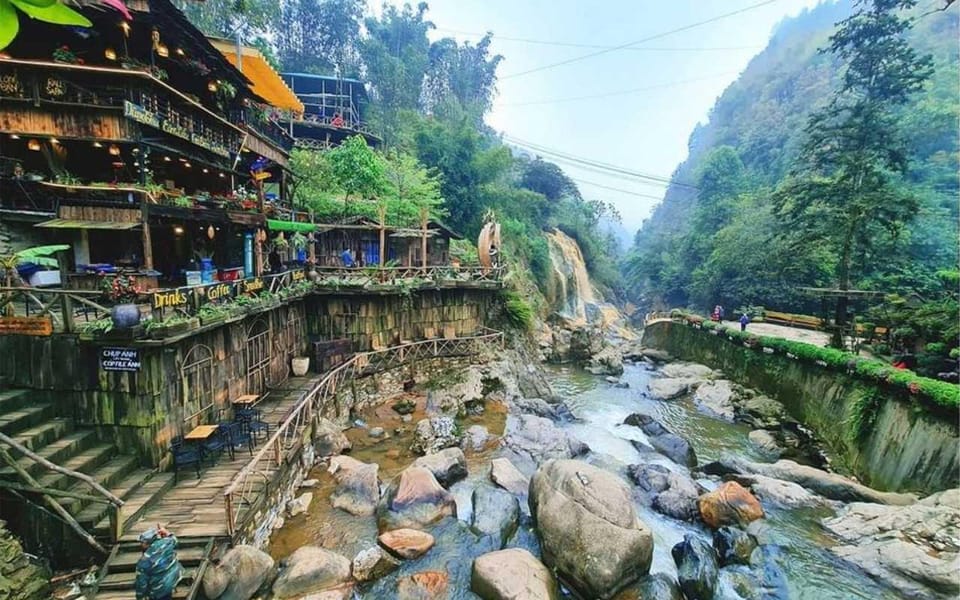
One of the smartest things about this itinerary is how it builds your understanding of the region with views in stages.
First, the cable car offers a broad overview, including Muong Hoa valley with its beautiful terraced fields. Then, after the climb, you’re positioned at the top to understand how those terraces connect to the towns and ridgelines below.
This matters because Sapa’s terraced agriculture isn’t just a pretty background. It’s tied to how people grow food on steep slopes. When you can see the geometry from above, you start to connect the dots between what you walked through on Day 1 in Cat Cat and what you’re seeing on Day 2.
I also like that the itinerary doesn’t pretend you’ll see everything. It targets the views that make Fansipan worth doing, even in just 2 days.




Price and value: what you pay $116 for (and what costs extra)
The listed price is $116 per person for a 2-day experience based in Dong Bac, Vietnam. For this price, you get a bundle that includes real logistics: sleeper bus tickets Hanoi to Sapa and back, a hotel in Sapa (for one night), English-speaking guide in Sapa, and meals. Meals include 2 lunches, 1 dinner, and 1 breakfast.
You also get key entry support: Cat Cat entrance tickets are included. And the itinerary builds around the major moments: Cat Cat village and Fansipan summit via cable car.
Now, here’s the cost reality check. The tour does not include the cable car fee, and it also lists potential add-ons like a single room surcharge for solo travelers, and extra charges for certain timing like holiday in Vietnam. There’s also an option to upgrade transportation to a limousine with different pricing, and cable car cost still stays separate.
So the value equation depends on one question: do you want everything packaged, or are you fine paying the remaining big items on top? If you’re okay with that, the included hotel + meals + guided segments can feel reasonable for a short itinerary.
My practical advice: budget not just the headline price. Treat cable car and any possible surcharges as part of the all-in cost so there are no surprises on the day you reach the station.
English guidance in Sapa: helpful, but your mileage may vary
This tour includes an English-speaking tour guide in Sapa. There’s also an option for other languages with a surcharge, including languages listed as English, Chinese, Japanese, French, German, Korean, and Spanish.
The key thing is what the guide does for you beyond walking: explanations can help you make sense of H’mong customs in Cat Cat. And up on Fansipan, you’ll also be moving through a structured route with temples and statues.
Still, one lesson from the negative experience shared is that a guide may not always provide enough context during Cat Cat. If you care a lot about culture details, ask questions early and keep your expectations practical: the guide can lead, but you’re the one who makes it meaningful by asking what things are and why they’re there.
Who this trip suits best (and who should think twice)
This 2-day option is a strong fit if you want to check three boxes fast: Sapa town + mountain culture, H’mong village life, and Fansipan with cable car access plus steps.
It’s also a good choice if you like structure. The itinerary is timed, with meals and included entries, and you’re not stuck figuring out transfers on your own.
Think twice if you’re sensitive to sleep loss from a sleeper bus. You’ll do an overnight ride, then move quickly into sightseeing. Also consider this if you hate walking. Cat Cat involves a walk down to the falls, and Fansipan involves 600+ steps at altitude.
And if you’re the kind of traveler who expects very detailed guided storytelling at every stop, be prepared to do a bit of your own learning in real time by asking direct questions.
Should you book this Sapa and Fansipan 2-day tour?
I’d book it if you want an efficient, guided way to experience Cat Cat village and still reach the top of Fansipan without turning your trip into a travel project. The combination of included hotel + meals + bus transport is a real convenience, and the summit route with cable car access makes this achievable for many people.
I’d hesitate if you’re strict about having full, detailed explanations at Cat Cat, or if you’re worried about any ticketing confusion around Fansipan logistics. Before you go, confirm what transportation parts are included versus paid separately—especially anything connected with the Fansipan cable car and how tickets are handled.
If you like practical travel and you’re ready for a day-one acclimation and a step-focused day-two summit, this is a solid value-style way to do Sapa in two days.
FAQ
Where does this tour operate?
It’s described as being in Dong Bac, Vietnam, with the trip starting from Hanoi and visiting Sapa and Fansipan.
How long is the tour?
The duration is 2 days.
How much does it cost?
The price listed is $116 per person.
What transportation is included?
The tour includes sleeper bus tickets for Hanoi – Sapa – Hanoi with modern facilities. A tour guide is not available on the bus.
What’s included for meals and lodging?
You get a hotel in Sapa plus meals: 2 lunches, 1 dinner, and 1 breakfast.
Is there an English-speaking guide?
Yes, there is an English-speaking tour guide in Sapa. Other language options are available with a surcharge.
Are Cat Cat village tickets included?
Yes. Entrance tickets in Cat Cat are included.
Is the Fansipan cable car included in the price?
No. A surcharge for Cable car is listed as not included.
Are there extra charges for solo travelers?
Yes. There is a surcharge for single room for solo travelers in Sapa.
Can I cancel after booking?
The activity says free cancellation is available up to 24 hours in advance for a full refund.
You Might Also Enjoy


More 2-Day Experiences in Hanoi
- Doris Cruise 5 star cruise 2 days visiting Halong Bay Lan Ha Bay private balcony
★ 5.0 · 2,338 reviews