REVIEW · COOKING CLASSES
Hanoi Cooking Class in Haven of Tranquility – Thom culinary
Book on GetYourGuide →Operated by Thơm Culinary · Bookable on GetYourGuide
A Hanoi herb garden sets the tone fast. You start with a cyclo ride to Dong Xuan Market, then head to Thơm Culinary, a tranquil garden house on Dong Bac that feels a world away from city noise. I especially like how the setting is part of the lesson, not just decoration.
You also get real practice, not just watching. The class is English-led (small group up to 8) and you cook multiple authentic dishes from scratch with hands-on guidance, including tips that come up again and again in Vietnamese cooking.
One thing to think about: this experience is not suitable for people with food allergies and it’s also not meant for children under 9, so it may be too limiting if you need strict dietary accommodations.
In This Review
- Key Highlights Worth Your Time
- A Garden-House Cooking Class That Starts in the Streets
- Dong Xuan Market: Street Bites and Ingredient IQ
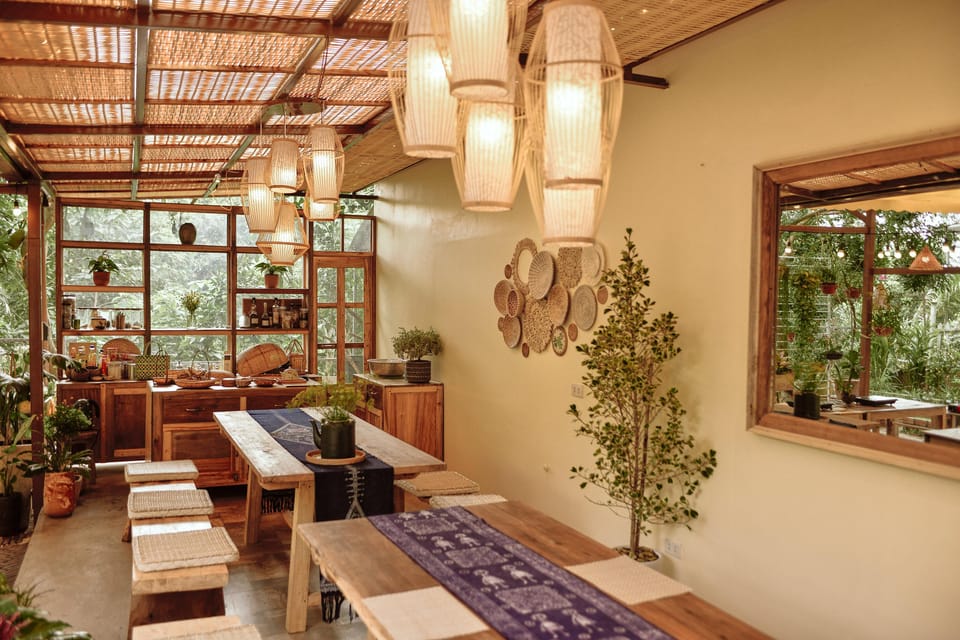
- Thơm Culinary on Dong Bac: Calm Where You Cook
- Harvesting Herbs and Learning How Vietnamese Flavor Balancing Works
- Hands-On Cooking: Four Dishes Built From Scratch
- What You Eat Beyond the Main Dishes
- Bottomless Herbal Drinks, Homemade Rice Wine, and Exotic Fruit
- Markets Beyond Dong Xuan: Cầu Đông and Thanh Hà
- Price and Logistics: Is $65 Good Value?
- Who Should Book This Hanoi Cooking Class
- Quick Tips Before You Go
- Should You Book Thom Culinary’s Hanoi Cooking Class?
- FAQ
- How long is the Hanoi Cooking Class at Thơm Culinary?
- How much does the cooking class cost?
- What’s included in the price?
- Will there be an English-speaking instructor?
- How big is the group?
- Where do they pick you up?
- Is it suitable for children, wheelchair users, or people with allergies?
Key Highlights Worth Your Time
- Cyclo ride to Dong Xuan Market, with street food tastings as you go
- Herb and fruit harvesting at the garden where you cook
- Four hands-on dishes, guided step by step (including a chicken soup experience in the class flow)
- Bottomless herbal drinks, plus homemade rice wine and exotic fruit
- Small-group format (max 8), so you can ask questions and get corrections
- Market visiting on the route, including Dong Xuan, Cầu Đông, and Thanh Hà
A Garden-House Cooking Class That Starts in the Streets
Hanoi’s food culture runs through alleyways and markets first, then comes home to the pot. This class starts with a cyclo ride to Dong Xuan Market, which is a smart way to orient you. Even if you’ve been to Hanoi before, the market chaos makes more sense once you know what ingredients matter and how people shop.
What I like is the “two-world” setup. You get the energy of street food and local trading, then you move to Thơm Culinary, a calm garden house where herbs and fruit are literally part of the menu.
You can also read our reviews of more cooking classes in Hanoi
Dong Xuan Market: Street Bites and Ingredient IQ
The market portion is more than a photo stop. You’ll taste street food specialties while your guide helps you understand what you’re seeing, what you’re eating, and why certain flavors get used.
In one example of how this is taught, the guide points out the idea of picking ingredients by maturity level, not just by name. That matters in Vietnam because herbs and aromatics can taste very different depending on how fresh and ready they are.
You’ll also be able to buy ingredients needed for the cooking portion during the market time. That’s one of those small details that improves the whole class: you’re not just learning recipes, you’re learning how a cook actually builds a shopping list.
Thơm Culinary on Dong Bac: Calm Where You Cook
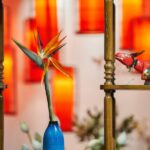
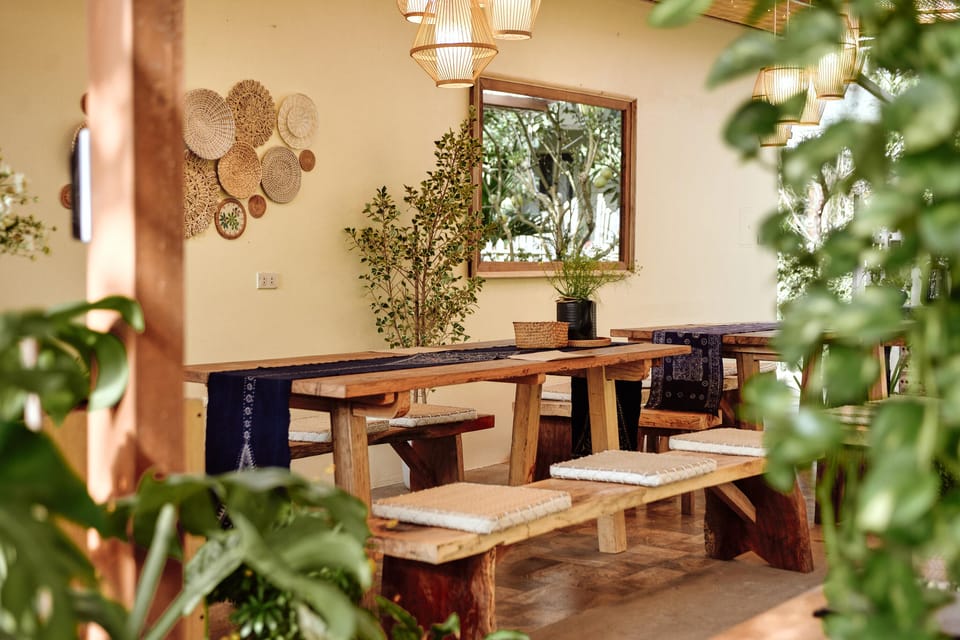
Once you leave the market, you arrive at Thơm Culinary, described as an oasis of calm in the city. Expect a garden-based setting where the teaching is built around fresh plants. It’s the kind of place where you notice smells and textures—before you even pick up a knife.
The calm isn’t just for vibes. It’s practical because herb-based cooking needs attention: you chop, smell, and adjust as you go. A garden setting keeps you focused, and it makes the herb lesson feel real.
And yes, you do more than read about plants. You get the chance to harvest herbs and other garden items as part of the experience. That hands-on touch makes it easier to remember which herbs do what once you’re back home trying to recreate the flavors.
Harvesting Herbs and Learning How Vietnamese Flavor Balancing Works
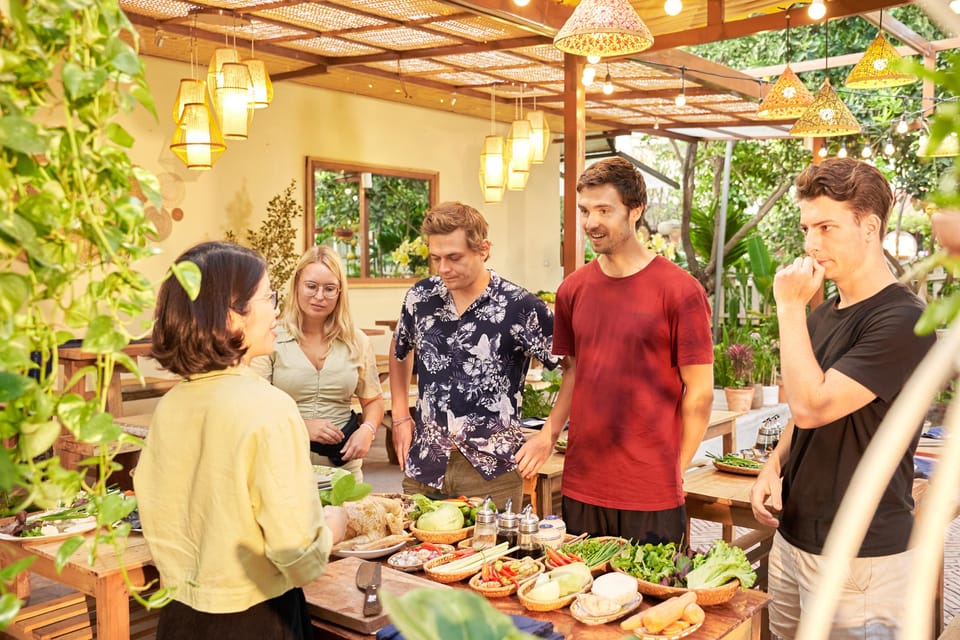
Vietnamese cooking is often described as “simple,” but the simplicity comes from balance. In this class, the herb philosophy is front and center. You’ll learn how different herbs and spices work together, and you’ll focus on the idea that flavor isn’t one-note—it’s layered.
This is where the tour earns its money. When you harvest herbs yourself, you stop thinking of them as garnish and start treating them like structure. Fresh herbs can brighten a heavy dish, soften sharp edges, and add aroma that changes how the whole meal tastes.
You’ll also learn the art of keeping flavors balanced without making everything taste the same. Expect talk about herbs used in Vietnamese dishes and how cooks use straightforward techniques to get a complex final result.
Hands-On Cooking: Four Dishes Built From Scratch
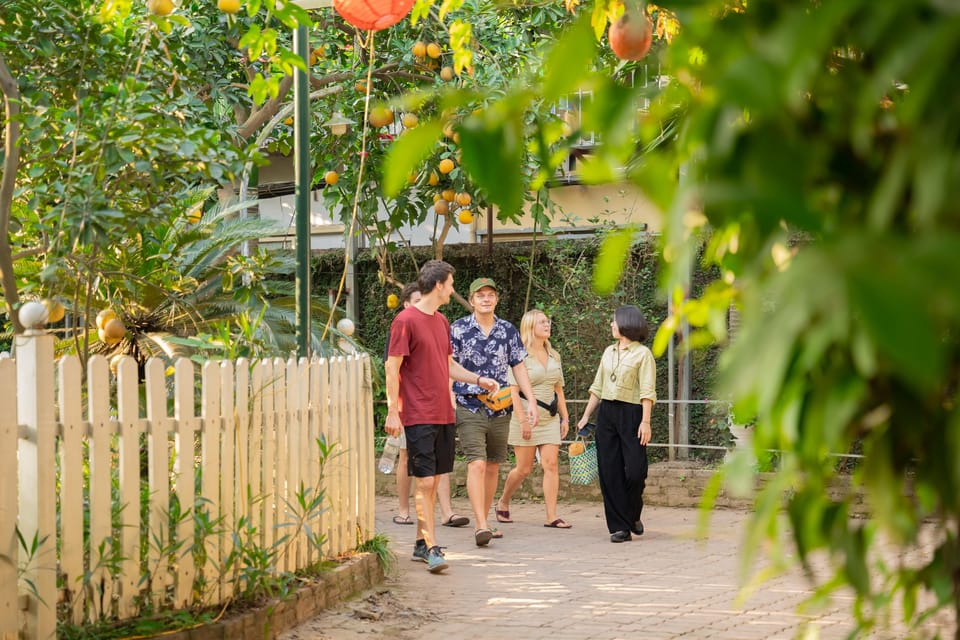
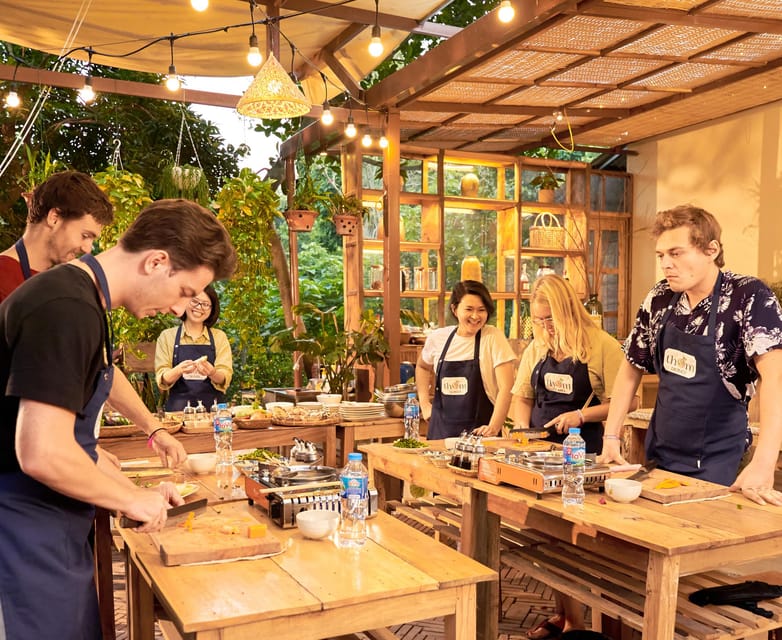
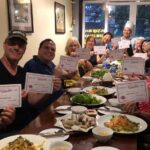
The cooking time is the heart of the experience, and you’re not passive here. You’ll handle the prep—chopping, sautéing, seasoning, and plating—while an English-speaking host guides you throughout.
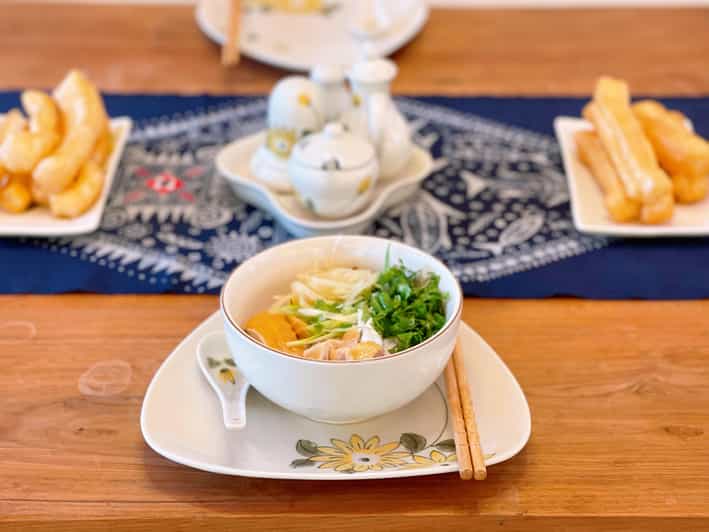
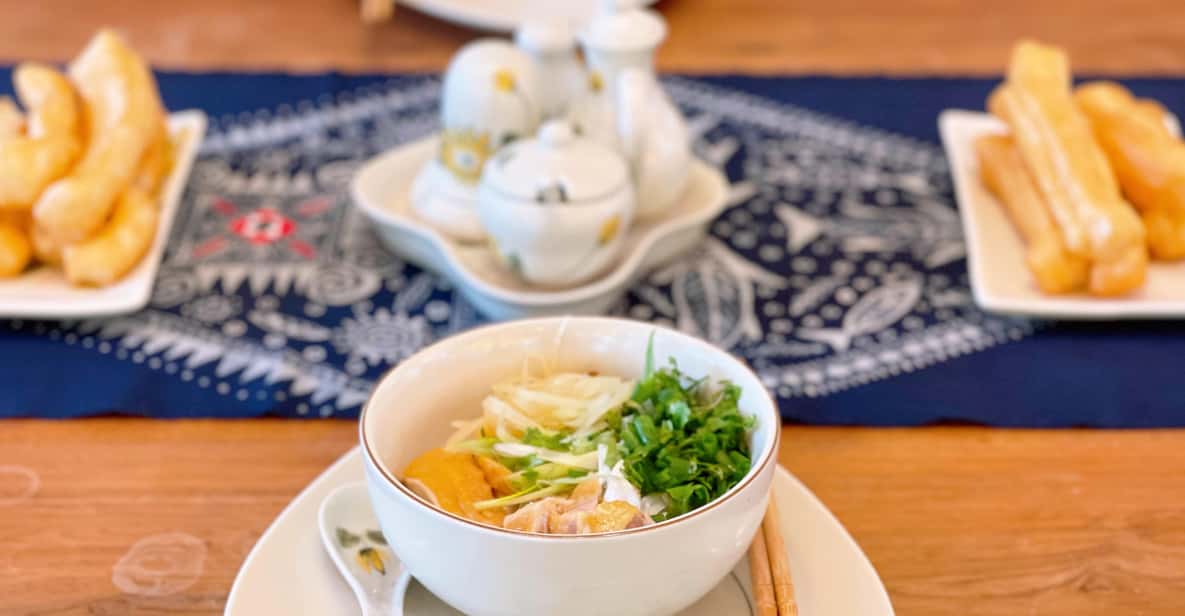
The class includes 4 hands-on cooked dishes, and the flow is designed so you get repeated practice, not just one big cooking session. One dish you might work on is a chicken soup, and the instruction style includes plenty of tips for getting it right.
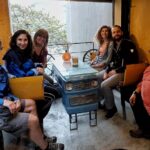
A small-group format matters because it changes the way you learn. With up to 8 people, you’re more likely to get corrections on your technique and seasoning rather than just moving on with the group. That’s especially helpful with herb-forward dishes where small changes can make a big difference.
You can also read our reviews of more tours and experiences in Hanoi
What You Eat Beyond the Main Dishes
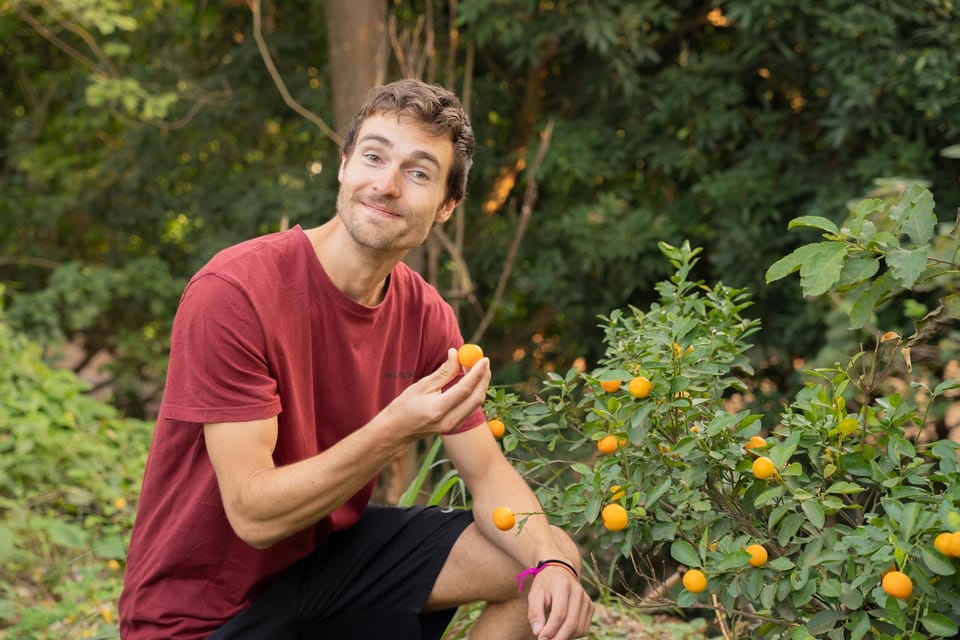
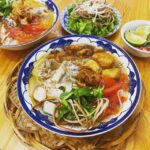
Food classes can sometimes be all about the cooking and not enough about eating. Here, you get multiple rounds of tasting and sampling.
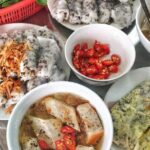
Included tastings feature street food bites at traditional markets, so you get to compare what you’re cooking with what you see in Hanoi day to day. You’ll also enjoy a unique homemade dessert and a traditional sweet treat.
Dessert is part of the learning too. Vietnamese desserts often rely on texture and mild sweetness more than heavy frosting-style sweetness. If you’re the type who likes food that’s not overly sugary, this portion tends to land well.
Bottomless Herbal Drinks, Homemade Rice Wine, and Exotic Fruit
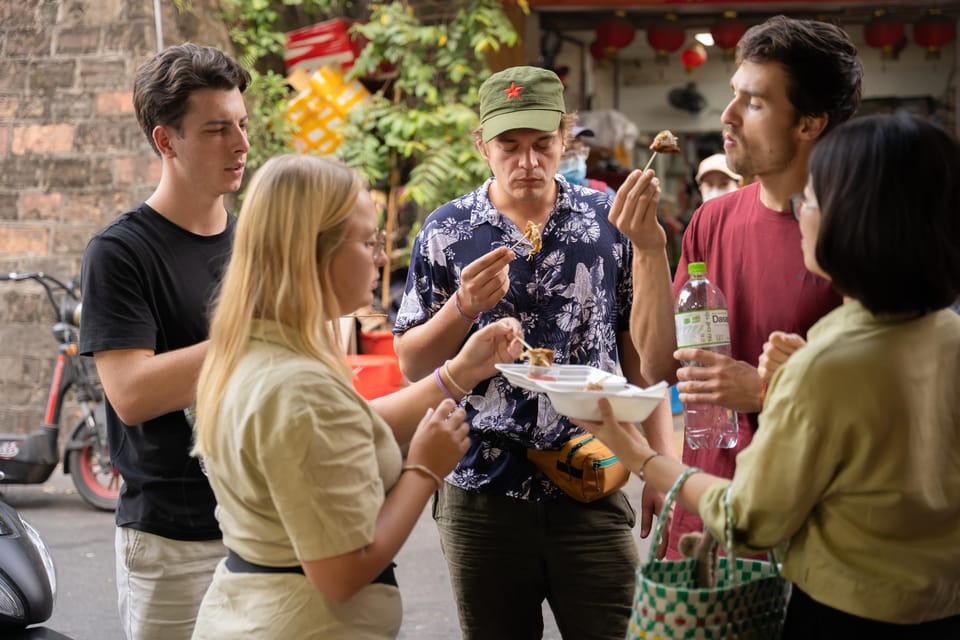
This is one of the most fun parts of the class. You’ll sip bottomless herbal drinks along with homemade rice wine and exotic fruit.
Even if you don’t drink rice wine, the herbal drinks are a real part of the experience. They tie back to the garden theme and help reinforce the herb lesson in a casual way. And since the drinks are included, you can focus on the food instead of doing mental math every time you want another cup.
If you’re sensitive to alcohol, keep an eye on your comfort level with the rice wine portion. The class includes it as part of the package, so it’s worth planning ahead if you prefer to stick to non-alcoholic sips.
Markets Beyond Dong Xuan: Cầu Đông and Thanh Hà
The experience doesn’t stop at Dong Xuan. You’ll also visit Cầu Đông and Thanh Hà markets.
This matters for context. Hanoi isn’t one market identity—it changes block by block, with different specialties and shopping styles. Hitting multiple markets gives you a broader picture of where ingredients and street foods come from, and it also keeps the day from feeling repetitive.
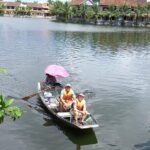
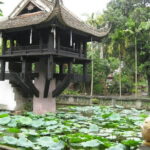
There are also a couple of cultural stops included: a tranquil family worship hall and a fish pond visit. These aren’t long showy segments, but they add a human layer to the food day, reminding you that eating here is connected to everyday life and family routines.
Price and Logistics: Is $65 Good Value?
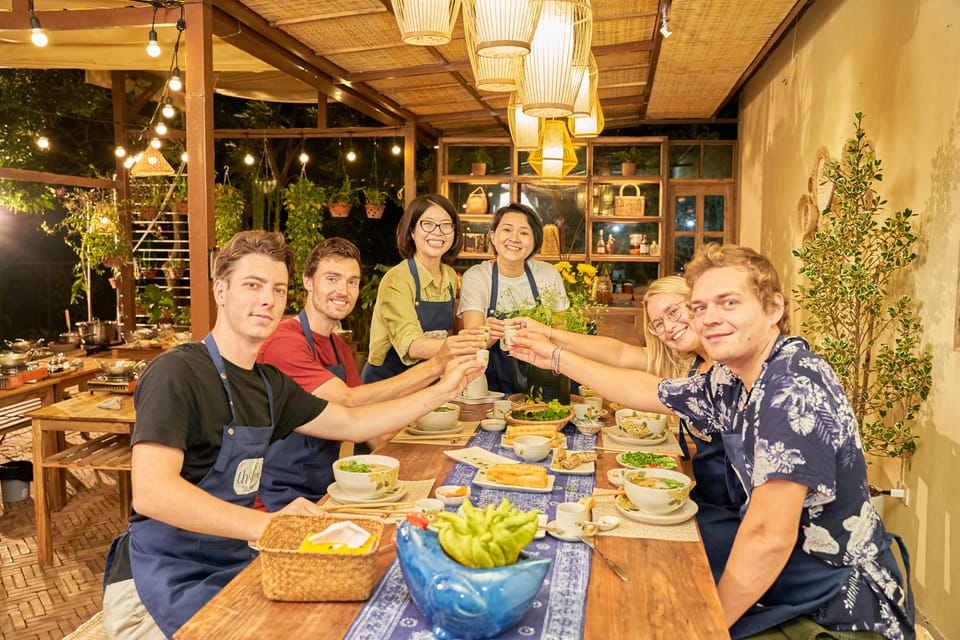
At $65 per person for about 4.5 hours, this class can be good value if you want more than a recipe download. Your price includes cyclo and round-trip transportation from the Hanoi Old Quarter area, ingredient sourcing support during market time, street food tastings, herb harvesting, and four dishes cooked by you.
It also includes drinks and dessert, including homemade rice wine and bottomless herbal drinks. When you add those included elements together—transport, guided instruction, tastings, and a full meal experience—the cost starts to look reasonable for a small-group format.
There’s also a practical advantage: you’re not stuck figuring out which markets to visit and what to buy. The class organizes the day around learning how Vietnamese cooks think.
The main consideration is fit. This isn’t aimed at kids under 9, and it isn’t designed for guests who need allergy accommodations. If either applies to you, it’s better to choose a different cooking experience or confirm constraints with the operator before paying.
Who Should Book This Hanoi Cooking Class
This experience is a strong match if you want:
- A hands-on Hanoi food lesson, with real chopping and seasoning time
- A small-group setting where you can ask questions and get corrections
- A food day that mixes markets, garden harvesting, and cooking
- An English-led guide and a schedule that feels manageable at 4.5 hours
You might skip it if you:
- Need strict help with allergies (the class isn’t suitable for that)
- Travel with young kids
- Prefer a more purely observational tour style rather than cooking
Quick Tips Before You Go
Bring comfortable shoes and bug spray. You’ll be outdoors enough to want protection, and you’ll move between market areas and the garden setup.
A sun hat helps too, especially in warmer months. If you want to remember the herb variety, bring a camera, but also give yourself a minute to smell and notice plants—your brain stores that way better than photos.
Also note the simple rules: no pets, no smoking, no littering, and don’t touch plants outside the parts where the class allows you to harvest.
Should You Book Thom Culinary’s Hanoi Cooking Class?
If you like the idea of learning Vietnamese cooking through herbs you harvest, markets you taste, and dishes you actually plate, this is an easy yes. The combination of cyclo-to-market energy and garden calm keeps the day from turning into a lecture, and the small group size makes the instruction feel personal.
If you’re choosing between a basic cooking demo and this class, go for this one. You get more than recipes: you get ingredient context, flavor balancing concepts, and a full meal experience with drinks and dessert included.
FAQ
How long is the Hanoi Cooking Class at Thơm Culinary?
It lasts about 4.5 hours.
How much does the cooking class cost?
The price is $65 per person.
What’s included in the price?
It includes cyclo and round-trip transportation, street food tastings at traditional markets, 4 hands-on cooked dishes, unique homemade dessert and a traditional sweet treat, bottomless herbal drinks, homemade rice wine, exotic fruit, market visits to Dong Xuan, Cầu Đông, and Thanh Hà, plus a visit to a family worship hall and fish pond. It also includes visits to and harvesting herbs from the garden.
Will there be an English-speaking instructor?
Yes, instruction is in English.
How big is the group?
The group is limited to 8 participants.
Where do they pick you up?
Pickup is included anywhere in the Hanoi Old Quarter area.
Is it suitable for children, wheelchair users, or people with allergies?
It’s not suitable for children under 9 and not suitable for people with food allergies. The info also says it is wheelchair accessible, but it notes it is not suitable for wheelchair users, so it’s best to confirm directly with the operator before booking.