REVIEW · HIKING & TREKKING
Hanoi – Sapa 3 Days – 2 Nights Trekking with With the locals
Book on Viator →Operated by Travel New Land · Bookable on Viator
Sapa feels close when you travel smart. This 3-day, 2-night trip links Hanoi and Sapa with VIP cabin bus and then follows H’Mông guides through real villages, not just quick photo stops. I like that the package is built to be genuinely practical: entrance fees, most meals, and transport are bundled so you can budget once and walk more.
I also like the small-group setup and flexible pacing. The tour caps the group at 10 travelers, and you can adjust your trekking pace or add/remove stops to match your fitness level. On top of that, you get a private-room homestay night plus a cooking class, which is where the experience turns from sightseeing into everyday-life context.
One thing to consider first: this trek is not easy. Expect lots of climbs and descents, and some paths can be very slippery. Also, one clear caution shows up in the feedback about lodging—if Delta Sapa is the hotel assigned, ask about your options before you settle in.
In This Review
- Key Highlights You’ll Actually Care About
- Hanoi–Sapa VIP Bus: Long Ride, Fewer Headaches
- How the H’Mông-Guided Format Changes the Trek
- Day 1 in Sapa Town and Cat Cat Village: First Impressions Without the Rush
- Day 2 Y Linh Ho to Lao Chai to Ta Van: The Trek Day That Tests Your Shoes
- Homestay Comfort on Night Two: Private Room, Local Meals, Real Life Pace
- Day 3 Giang Ta Chai and Su Pan: Finish the Trek, Then Back to Sapa and Hanoi
- Trek Difficulty and Slippery Ground: What to Pack and How to Move
- Meals, Cooking Class, and the All-In Value That Actually Helps
- Price and Value: Is $130 Fair for 3 Days With Buses, Meals, and Guides?
- Who This Sapa Trek Is Best For
- Should You Book This Hanoi–Sapa 3 Days / 2 Nights Trek?
- FAQ
- How long is the Hanoi to Sapa trekking tour?
- What does the tour include for transportation?
- Where is the meeting point in Hanoi?
- What accommodation is included?
- Who provides the guiding during the trip?
- Are meals included?
- Is a cooking class included?
- What villages will you visit?
- How hard is the trekking?
- How many people are in the group?
- Is drinks included with meals?
Key Highlights You’ll Actually Care About
- Small group size (max 10) keeps the walking and decision-making manageable
- All-in transport + meals means fewer last-minute purchases
- Homestay in a private room adds comfort compared with dorm-style stays
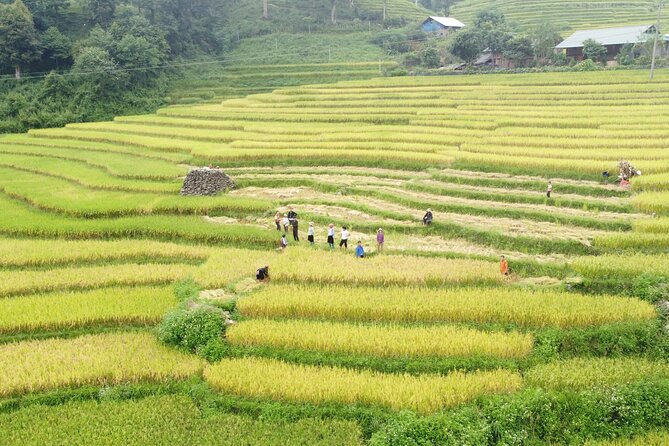
- Village-to-village trekking connects Sapa’s communities through daily life
- Cat Cat, Y Linh Ho, Lao Chai, Ta Van, Giang Ta Chai, Su Pan each adds a different village feel
- Trek difficulty + slippery sections are real, so plan footwear and stamina
Hanoi–Sapa VIP Bus: Long Ride, Fewer Headaches
The trip starts with a morning pick-up in Hanoi, then a transfer to the main departure point. You’ll take a big bus for about 5 hours of highway travel from Hanoi to Sapa, and then you’ll transfer by car into town. It’s not a short hop, but it is set up to reduce stress: you’re not hunting taxis, figuring schedules, or negotiating with drivers.
This matters because Sapa mornings are all about timing. If you arrive with the wrong plan, you end up losing daylight and energy. Here, the schedule is built so Day 1 can still include real village time instead of feeling like pure transit.
Also, the tour includes a return bus on the last day. You’ll leave Sapa and head back toward Hanoi later in the day, then be dropped at the bus station so you can get back to your hotel independently.
Practical note: this is an all-inclusive style tour, so you’ll want to think ahead about how you pack your day-to-day items. Day 2 trekking uses a small bag, and your luggage situation is handled at the hotel.
You can also read our reviews of more hiking tours in Hanoi

How the H’Mông-Guided Format Changes the Trek
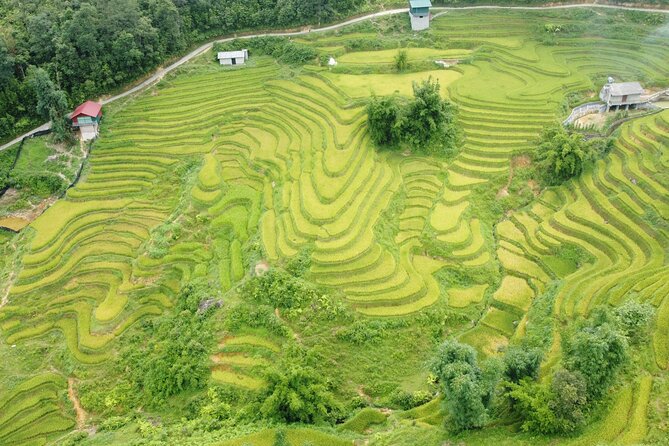
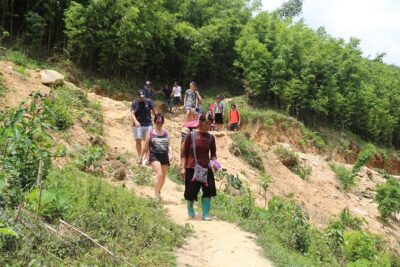
The core of this experience is guided trekking with local H’Mông guides. That’s not just a label. You’re walking between villages where daily rhythms still matter—how families farm, how traditions are practiced, and how people talk about mountain life. Even when you’re moving at a trekking pace, your guide can explain what you’re seeing rather than leaving you with only views.
The pace is also designed for real humans. The group size is small, and the guide can adjust trekking speed and stops based on your fitness level and interests. For me, that’s a big advantage in Sapa, because routes can feel intense if you try to force a hard pace.
One more value point: the tour includes travel insurance and covers entrance tickets and transportation. That’s how you keep the itinerary from turning into small add-on costs every time you stop somewhere.
Day 1 in Sapa Town and Cat Cat Village: First Impressions Without the Rush
Day 1 is about arrival, reset, and orientation. You’ll arrive in Sapa town around early afternoon, have lunch at the hotel restaurant, and check in. The itinerary gives you time to settle before the first village walk, which helps if you’re tired from the bus ride.
In the late afternoon, you’ll head to Cat Cat Village for a guided visit. This stop is a classic Sapa introduction for many itineraries because it’s close enough to reach easily and gives you a clear first picture of H’Mông village culture. You’ll walk to see the village, learn about local customs and habits, and get your bearings for the trekking style that comes next.
What to expect: Cat Cat is a good warm-up. It’s not the biggest effort day, but it’s where you start learning the vocabulary of the trip—village names, how people live across the valley, and how the trail connects different communities.
Potential downside: Day 1 still includes several transitions—bus to town, lunch, check-in, then walking to the village. If you hate schedules, keep your expectations flexible and treat this day as settling-in time.
Day 2 Y Linh Ho to Lao Chai to Ta Van: The Trek Day That Tests Your Shoes
Day 2 is where you earn your views. You’ll have breakfast at the hotel, check out, and leave your luggage at the hotel. You’ll hike with a small bag containing what you truly need for the trail.
The walking starts with Y Linh Ho. From there, you continue to Lao Chai, about 6 km from Sapa town. Lao Chai is home to the Black H’Mông and Red Dao ethnic groups, and it sits between mountain ranges in a setting that helps explain why these communities developed where they did.
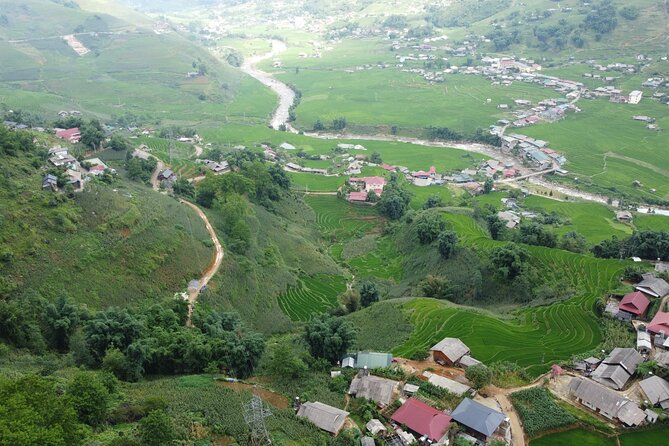
After Lao Chai, you continue on to Ta Van Village. Ta Van is located in the Hoang Lien Son range area, and it’s known for an especially lively village feel. It’s also where your homestay night comes into play later in the day.
Why this day is valuable: it connects you to multiple communities without turning the trek into a checklist. You’re not only seeing scenery—you’re moving between villages with different ethnic group identities and daily routines.
The reality check: the trek is physically demanding. One review summary you should take seriously points out heavy climbs and descents plus slippery ground in places. So this is not a casual walking tour. Plan on uneven paths, wet spots, and footwork that needs attention.
My advice to you: keep your pack light. The itinerary already tells you to use only a small bag, and that’s there for a reason.
Homestay Comfort on Night Two: Private Room, Local Meals, Real Life Pace
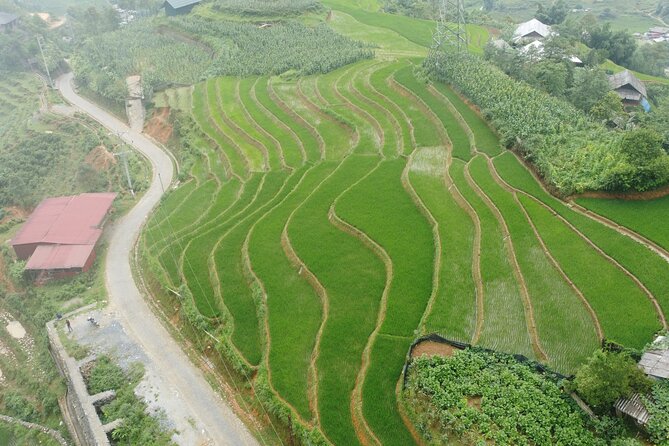
On Day 2, you’ll stay in a private room at a homestay. That’s a meaningful comfort upgrade compared with cheaper-style accommodation, because you get your own space after a long trekking day.
The tour includes dinner twice and lunch three times, plus breakfast twice. So you’re not trying to find food on the fly, especially important in rural areas where options can be limited. Drinks during meals are not included, so if you like bottled water or soft drinks, budget for that separately.
You’ll also have a cooking class included in the overall package. The itinerary data doesn’t spell out the exact timing of the class, so the safe approach is to ask your guide when you arrive or check in. Either way, a cooking class is usually one of the best places to ask practical questions about ingredients and daily routine—how food is prepared, what locals keep on hand, and what a meal means in community life.
What you’ll learn here tends to be more useful than photos: how everyday tasks fit into the mountainside schedule, and how people keep traditions alive while living with modern changes.
You can also read our reviews of more tours and experiences in Hanoi



Day 3 Giang Ta Chai and Su Pan: Finish the Trek, Then Back to Sapa and Hanoi
Day 3 begins at your homestay with breakfast, then checkout. After that, you’ll continue with village visits in the morning, including Giang Ta Chai Village and Supan Village (Su Pan). This part matters because it extends your understanding beyond the first set of villages you saw. Each stop has its own rhythm, and you’ll notice how houses, paths, and daily activity vary even within a similar mountain region.
After the morning village time, you’ll reach Su Pan for lunch at a local restaurant. Then a bus takes you back to Sapa town, with time—about an hour—to walk around Sapa Town before you head back toward Hanoi later in the day.
Then the final leg: you travel back to Hanoi by bus and end the tour at the bus station so you can return to your hotel on your own.
The timing logic here is smart for most people. You get a last village taste, a proper lunch, and then enough town time to reset before the long return ride.
Small caution: because Day 3 includes a mix of walking and transfers, you’ll want to keep your daypack organized and your energy realistic. If your trekking day was tough, this is where you’ll appreciate having a plan to sit, eat, and recover.
Trek Difficulty and Slippery Ground: What to Pack and How to Move
Let’s talk feet and balance—because this trek has the climbs and the slippery sections to match it. One piece of feedback specifically warns about “enormous” ups and downs and surfaces that can be very slippery in places. It also recommends packing light and wearing good footwear.
So here’s how I’d prepare you, practically:
- Bring footwear with solid grip for wet or muddy ground
- Wear clothes you can move in and layers you can adjust
- Use a light day bag, since Day 2 trekking is set up for that small-bag plan
- Pace yourself early. Save energy for the later descents, not just the first uphill stretch
If you’re used to flat city walking, treat this as a hiking trip first and a sightseeing trip second. The villages are the point, but you’ll enjoy them more when you’re not fighting your footing the whole time.
Meals, Cooking Class, and the All-In Value That Actually Helps
The package includes a lot of food: breakfast (2), lunch (3), and dinner (2). It also includes the cooking class. Drinks during meals are not included, but you’re not expected to handle every meal decision yourself.
That matters in Sapa for two reasons. First, it reduces decision fatigue when you’re tired. Second, it keeps the itinerary on track—less time lost searching for the next meal, more time walking with the group.
If you like cooking classes, this is one of the most “transferable” parts of the trip. A cooking class can turn names on a menu into actual ingredients and methods you can recognize later.
If you don’t love cooking classes, you can still treat it as a cultural moment. Ask questions. Listen to the guide. And focus on how the local food connects to daily life.
Price and Value: Is $130 Fair for 3 Days With Buses, Meals, and Guides?
At $130 per person, this tour is priced like a budget-friendly trekking package—but it’s not only “cheap.” It’s structured value.
Here’s what you’re getting for the money, based on what’s included:
- Round-trip transport between Hanoi and Sapa (VIP cabin bus)
- 1 night in a 3-star hotel
- 1 night in a private-room homestay
- Local English guide in Sapa and trekking support with H’Mông guides
- Entrance fees
- Travel insurance
- Meals: 2 breakfasts, 3 lunches, 2 dinners
- Cooking class
- Group limit for more personal attention
If you try to piece all of that together on your own, transport + guides + meals + lodging add up fast. The all-inclusive structure is the main reason the price works: it buys you simplicity.
The only real “value risk” is lodging quality. One feedback line calls out the Delta Sapa hotel specifically as something you should not choose. That doesn’t mean the entire tour is bad—just that you should ask what hotel you’ll be staying at and whether you’re comfortable with the assigned property before you lock in.
Who This Sapa Trek Is Best For
This is a strong fit if you want:
- A guided walk between multiple villages in a short time
- A small group experience (max 10)
- Homestay lodging with your own private room
- Meals handled, so you can focus on the trail and villages
It’s less ideal if:
- You’re looking for an easy, low-effort walk
- You get stressed by slippery terrain
- You are very particular about hotel accommodation—because the included 3-star hotel could matter to you
If you’re in decent walking shape and you pack smart, this tour makes it easier to enjoy Sapa without turning the planning into a second job.
Should You Book This Hanoi–Sapa 3 Days / 2 Nights Trek?
I’d book it if you want village trekking with local guides and you prefer an all-in schedule that keeps meals, transport, and logistics handled. The mix of Cat Cat on Day 1, the Y Linh Ho–Lao Chai–Ta Van trek on Day 2, and the Giang Ta Chai and Su Pan stops on Day 3 gives you a full Sapa experience in a tight window.
I wouldn’t rush into it if you hate steep, slippery paths or if your comfort depends entirely on a specific hotel. Before you commit, ask which 3-star hotel you’ll use for the night in Sapa town—especially if Delta Sapa is the one assigned to your departure.
If you’re ready for real walking and you want more than a tourist drive, this tour is a solid value.
FAQ
How long is the Hanoi to Sapa trekking tour?
The tour runs for about 3 days (3 days approximation listed) with 2 nights total.
What does the tour include for transportation?
It includes 2-way transport by VIP cabin bus from Hanoi to Sapa and back.
Where is the meeting point in Hanoi?
The meeting point is the Hà Nội Văn phòng Xe G8 Open Tour in the Old Quarter area on Ly Thai To, Hoàn Kiếm.
What accommodation is included?
You get 1 night at a 3-star hotel and 1 night in a private room at a homestay.
Who provides the guiding during the trip?
There is a local English tour guide in Sapa, and the trekking is guided by local H’Mông guides.
Are meals included?
Yes. The tour includes 2 dinners, 3 lunches, and 2 breakfasts.
Is a cooking class included?
Yes, a cooking class is included in the package.
What villages will you visit?
The itinerary lists Cat Cat village on Day 1, then Y Linh Ho, Lao Chai, and Ta Van on Day 2, and Giang Ta Chai Village plus Su Pan on Day 3.
How hard is the trekking?
The trek includes many climbs and descents, and some sections can be slippery. You should plan for solid walking shoes and a light pack.
How many people are in the group?
The tour maximum is listed as 10 travelers.
Is drinks included with meals?
Drinks in meals are not included.