REVIEW · HIKING & TREKKING
Hanoi: 3-Day Sapa Trek Secret Trails, Waterfall, Stay in Villages
Book on Viator →Operated by Vietmountain Travel · Bookable on Viator
Sapa on secret trails starts with Hanoi. This 3-day trek in the Sapa region mixes local guides with village visits in places like Cat Cat, Lao Chai, Ta Van, and Giang Ta Chai, plus day hikes through terraced rice fields and bamboo paths. You’re not just collecting views, you’re learning how people farm, dress, and live up in the mountains.
I love that the day-to-day rhythm leaves room for real homestays and home-cooked meals, not cookie-cutter sightseeing. In past trips, guides such as Kien and Hoai were praised for clear English and for answering questions with actual trail-and-culture context, which makes the whole walk feel purposeful.
One heads-up: you’ll need moderate physical fitness, and the route is weather-dependent since it’s a daily trekking experience. If conditions are poor, you’ll either switch dates or get a full refund, so build in flexibility.
In This Review
- Key highlights before you go
- What you’re really buying: secret trails with village life built in
- Price and value: why $163 feels reasonable here
- Day 1: Hanoi to Cat Cat, with a downhill walk and an uphill reality check
- Day 2: Y Linh Ho to Lao Chai and Ta Van, where textiles and farming come to the front
- Day 3: Giang Ta Chai’s bamboo forest morning, then the return toward Hanoi
- Guides matter: why English explanations can make or break a hike
- Homestays and meals: simple, included, and built for connection
- Trekking reality check: what to wear and how to avoid sore-day mistakes
- Who this trek is ideal for
- Should you book this Sapa Secret Trails trek?
- FAQ
- What is the total duration of the tour?
- How much does the trip cost?
- What’s included in the price?
- Are meals included, and is vegetarian food available?
- What’s not included?
- What kind of transportation is used from Hanoi to Sapa?
- What is the maximum group size?
- How fit do I need to be?
- What should I bring for the hike?
- What happens if weather is bad?
- Is the tour suitable for families with children?
Key highlights before you go
- Max 15 people keeps the experience calm and easier to ask questions during village visits.
- Hmong, Dao, and Giay culture gets attention through everyday scenes like farming and textiles.
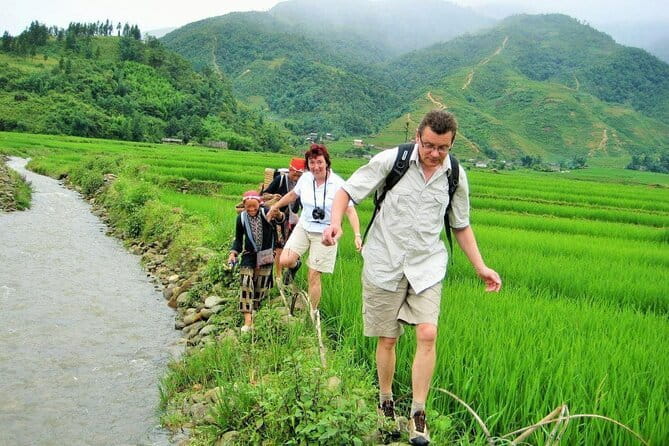
- Terraced rice + bamboo forests give you varied walking all three days, not one long repeat hike.
- Homestay style lodging plus included meals makes it easier to budget time and money on the ground.
- English-speaking local guidance is a core part of the value, with some trips led by guides like Kien and Hoai.
What you’re really buying: secret trails with village life built in
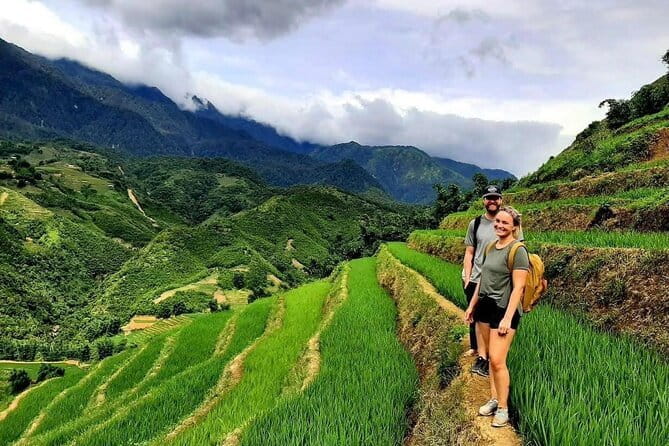
This trip is built around the idea that trekking is the delivery system, not the whole point. Yes, you’ll walk through the pretty stuff: terraced rice fields, misty mountain views, bamboo groves, and stretches that feel off-the-path. But the heart of the experience is spending time in ethnic villages and seeing how daily life works when the landscape is steep and the seasons matter.
The “secret trails” part matters because the route is designed to keep you moving through quieter footpaths rather than only stopping at the most obvious viewpoints. That usually means more time with what’s around you—fields, footbridges, village edges, and the small rhythms you’d miss if you were only following a short sightseeing loop.
You’re also not doing this as a logistics puzzle. The tour includes transport from Hanoi, a clean modern air-conditioned sleeping bus, and all the key trekking and visit fees. For $163, that’s the kind of package that saves you from piecing together bus tickets, entrance fees, and guide time one separate purchase at a time.
You can also read our reviews of more hiking tours in Hanoi
Price and value: why $163 feels reasonable here
Let’s talk money the useful way. The price includes:
- All entrance fees, trekking activities, and village visits
- Bottled water
- Meals: 3 lunches, 2 dinners, and 2 breakfasts
- Accommodation during the trek days
- An English-speaking local guide (other languages on request)
- Transport from Hanoi via the included bus, plus support on the Sapa side
The only items listed as not included are tips for the guide and beverages/personal expenses. That means most of the trip is already funded, and you’re not constantly deciding what to pay for next.
What you should think about is your biggest costs when you DIY this route: transport, guide time, and homestay coordination. This tour bundles those together, and with a maximum group size of 15, you also get personal attention instead of feeling like cargo on a conveyor belt.
Day 1: Hanoi to Cat Cat, with a downhill walk and an uphill reality check
Day 1 starts with a meet-up at 204 Đ. Trần Quang Khải in Hanoi. After that, you’re on the move—this is a trekking trip where the journey is part of it. You’ll be riding in an air-conditioned sleeping bus with a safe driver, then arriving in Sapa where you’re picked up from the bus office.
Once you arrive, the schedule is practical:
- Lunch on arrival
- Check-in at your Sapa hotel
- Trek starting at 2:30 pm
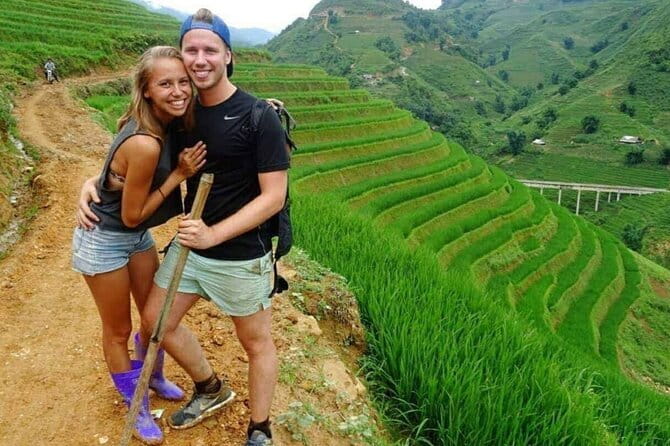
Your first trek goes from Sapa town to Cat Cat Village, and you’ll walk about 3 kilometers downhill. This is where the views typically hit first: terraced rice fields, misty mountain scenery, and plenty of photo opportunities along the descent.
Then comes the part many people underestimate mentally, even if their legs can handle it. At 5:30 pm you return, and the return trek is about 4 kilometers uphill. It’s not designed as a punishment. It’s just the real math of Sapa’s slopes, and it’s smart to be ready with the right shoes and pace.
Evening plans are simple and flexible. You’ll have a cozy dinner, plus free time in Sapa town. Think of it as your buffer: shower, rest, and reset before the next day’s longer village-to-village rhythm.
Day 2: Y Linh Ho to Lao Chai and Ta Van, where textiles and farming come to the front

You start Day 2 early. The morning begins with breakfast around 7 am, giving you that cold-mountain wake-up call followed by a warm start before the hike.
At 8:30 am you head toward Y Linh Ho Village. The route is framed as a serene destination known for a 100-year-old feature in the area (the description points to something long-standing and established), and the payoff is the feel of slow life in the valley. This is also a useful day structure: you’re walking out, learning along the way, and then continuing toward different village communities rather than repeating the same scenery.
Next up is Lao Chai, about 3 hours of time in and around the village. Lao Chai is described as the heart of the Hmong community. Here’s what makes this more than just a photo stop:
- You’ll learn about daily life
- You’ll see traditional farming techniques
- You’ll observe how locals craft textiles dyed with natural indigo
That indigo textile detail is one of the reasons this trip works for culture-minded hikers. You’re not only hearing general facts. You’re watching the handiwork and the process that comes with it.
From Lao Chai, the journey continues to Ta Van Village, a community shared by the Hmong and Giay people. The walking in this section is described with a nature-forward feel: bamboo groves, meandering rivers, and rural charm. Once you’re in Ta Van, the point is to experience village life through conversation and observation, rather than racing from one viewpoint to the next.
This is also the day where the “secret trail” style tends to shine. The scenery changes while the pace stays manageable, so the day feels like a connected walk through multiple communities.
Day 3: Giang Ta Chai’s bamboo forest morning, then the return toward Hanoi
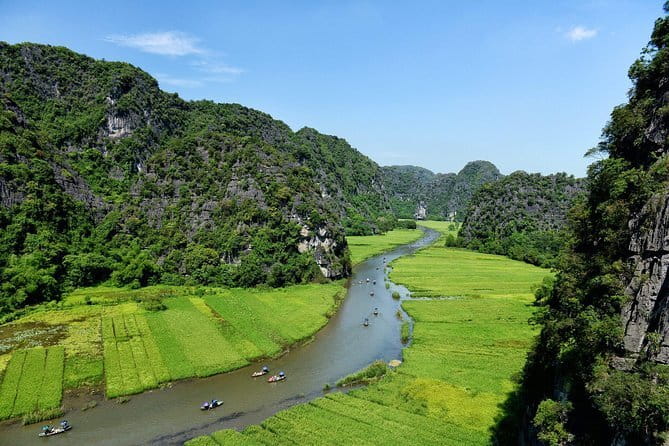
Day 3 has a calmer start, but not a lazy one. You’ll begin around 7 am with an outdoor breakfast and panoramic views of terraced rice fields. Morning in this part of Vietnam has a way of making everything look sharper, even when you’re just standing and waiting for the trail to begin.
At about 8:30 am, you start trekking through Giang Ta Chai Village, including a section through a bamboo forest. The description emphasizes the sounds of nature and the feeling of walking under a canopy of living poles—one of the easiest ways to shift your mindset from “sightseeing” to “being on the trail.”
After the morning activities, you return to Sapa town around 2 pm. There’s time to refresh with a shower, and then the logistics support kicks in again:
- A shuttle to the bus office
- Help with check-in
- A packed snack for the ride
By the end, you’re brought back to the meeting point area in Hanoi. It’s a full loop, but it stays organized.
You can also read our reviews of more tours and experiences in Hanoi



Guides matter: why English explanations can make or break a hike
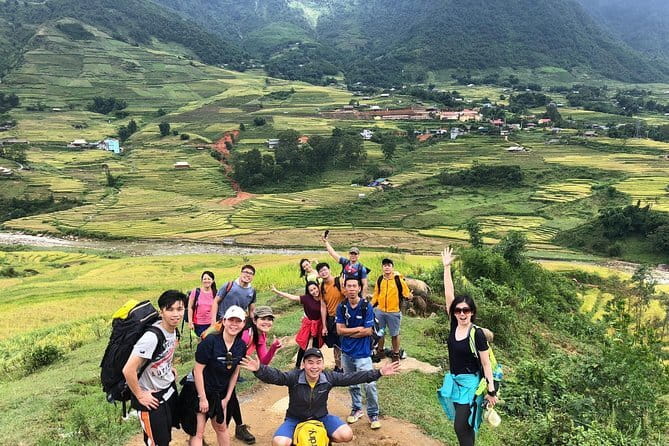
On paper, all guided treks sound similar. In practice, the guide’s role is huge, especially when the schedule includes village visits and cultural exchanges. The tour is led by enthusiastic, experienced local English-speaking guides. Other languages are available if requested, but English is the baseline.
Two names you may hear from prior groups are Kien and Hoai. Kien was highlighted for attention to detail and making the trek feel more meaningful through storytelling and care. Hoai was praised for being helpful with questions and giving insight into the trails and the local culture.
That matters because you’ll be passing through places where context changes what you see. If you know what farming cycle you’re looking at or why certain patterns show up in textiles, the walk becomes personal. If not, it can turn into a string of impressive scenes with no connection.
Homestays and meals: simple, included, and built for connection
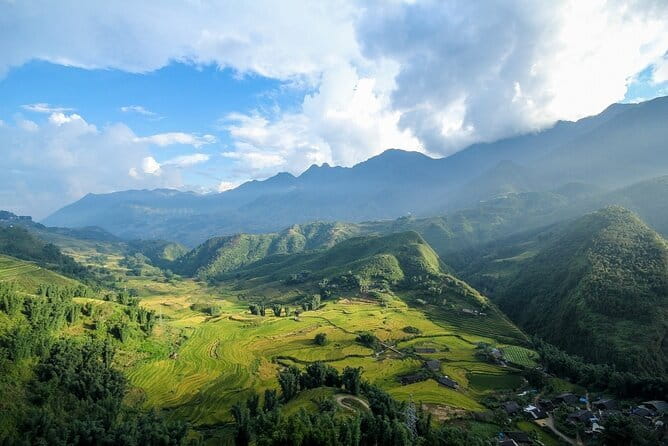
The tour includes accommodation in cozy homestays, with all-inclusive meals during the trek days. Vegetarian food is available on request, so if you have dietary limits, tell the operator before you go.
The meal plan is straightforward:
- 2 breakfasts
- 3 lunches
- 2 dinners
Plus bottled water along the way.
In an area like Sapa, homestay lodging is usually not about luxury. It’s about being hosted. One response from a previous experience specifically pointed out that the simplicity of local accommodation can be part of the authentic feel. So if you’re expecting a hotel with the same comforts you use at home, you might be happier choosing a different style of trip.
But if you like the idea of sitting down to a home-style dinner, talking with people who live there, and sleeping close to where you walked that day, the homestay piece is the glue that holds the cultural side together.
Trekking reality check: what to wear and how to avoid sore-day mistakes

This is a daily trekking experience and it requires good weather. You’ll get weather forecast updates in advance so you can prepare. The operator also states that if the trek has to be cancelled due to poor weather, you’ll be offered a different date/experience or receive a full refund.
For gear, follow the tour guidance closely:
- Wear comfortable shoes and clothing suitable for trekking and outdoor activities
- Bring a small backpack
- Bring a hat, sunglasses, and a water bottle
- Use mosquito spray
- Don’t overpack. You’ll be carrying what you need for the walk, not staging a camping expedition
If you’re prone to blisters, preempt it. If you’re unsure what counts as moderate fitness for you, think of it as: you should be able to hike multiple hours in mountain terrain across three days without it turning into a full recovery weekend.
Who this trek is ideal for
You’ll like this tour if you:
- Want culture + walking together, not one or the other
- Enjoy small group travel (max 15 people)
- Like ethnic village visits and want to ask questions in a supported setting
- Prefer an organized trip where meals, transport, and key fees are included
It’s also a reasonable fit if you’re traveling alone or as a couple, because the group size stays small enough for the guide to manage flow and answer questions.
You might want a different style of trip if you strongly prefer hotel comfort every night or you dislike trekking with elevation changes, even at a moderate level.
Should you book this Sapa Secret Trails trek?
I’d book it if you want a guided, well-paced 3-day experience that mixes terraced rice views, bamboo forest walks, and time in Hmong communities like Cat Cat, Lao Chai, and Ta Van. The value is solid because meals, trekking fees, homestays, and transport from Hanoi are bundled into the price.
I’d hesitate only if your fitness level is lower than “moderate,” or if you already know you get stressed by changes that weather can force in mountain areas. This trip is designed for movement and outdoors time. When that matches your style, it’s a memorable way to see Sapa that feels more human than theatrical.
FAQ
What is the total duration of the tour?
The tour runs for 3 days (approx.).
How much does the trip cost?
It costs $163.00 per person.
What’s included in the price?
The package includes all entrance fees, trekking activities and village visits, bottled water, meals as specified, accommodation in homestays, and an English-speaking local guide (with other languages available on request). Transport from Hanoi is also included.
Are meals included, and is vegetarian food available?
Yes. Lunch (3), dinner (2), and breakfast (2) are included. Vegetarian food is available on request.
What’s not included?
Tips for the tour guide and beverages/personal expenses are not included.
What kind of transportation is used from Hanoi to Sapa?
You travel on a clean, modern, air-conditioned sleeping bus with a safe driver, and the tour includes pickup/support when you arrive in Sapa.
What is the maximum group size?
The tour has a maximum of 15 travelers.
How fit do I need to be?
You should have a moderate physical fitness level, since the trip includes trekking.
What should I bring for the hike?
Bring comfortable shoes, a small backpack, a hat, sunglasses, a water bottle, and mosquito spray. Wear clothing suitable for trekking and outdoor activities.
What happens if weather is bad?
The trip requires good weather. If it’s cancelled due to poor weather, you’ll be offered a different date/experience or a full refund.
Is the tour suitable for families with children?
Children must be accompanied by at least one adult.