REVIEW · HIKING & TREKKING
From Hanoi: 2-Day Luxury Sapa Trekking Tour with Homestay
Book on GetYourGuide →Operated by MOC MIEN RESORT SERVICES COMPANY LIMITED · Bookable on GetYourGuide
Two days in Sapa, minus the hassle. I like that the route is built around real village time in Y Linh Ho and Ta Van, and I also like the homestay touches—especially the spring-roll cooking session.
The main thing to think about is effort. This is a moderate-high walk with about 15 km total, plus a long overnight bus rhythm—great if you’re ready, annoying if you’re not.
In This Review
- Key highlights worth your attention
- Sapa Trekking With a Homestay: Why This 2-Day Mix Works
- Overnight Hanoi to Sapa: The Sleeper-Bus Start and Your Early Morning Reset
- Day 1: Y Linh Ho and Lao Chai Hike, Then Ta Van Homestay Life
- The Ta Van Cooking Class and Evening Meals: Small Effort, Big Payoff
- Day 2: Giang Ta Chai Red Dao Trek and the Clean Trip Back to Hanoi
- Price and Logistics: What You’re Paying For (and What You’re Not)
- Fitness Level and What to Pack: The Stuff That Keeps This Comfortable
- Who Should Book This Tour (and Who Should Skip It)
- Should You Book This Sapa 2-Day Luxury Trek With Homestay?
- FAQ
- How long is the tour?
- When does pickup happen in Hanoi?
- What time do you arrive in Sapa?
- How much hiking is included?
- Which villages do you visit?
- Is homestay included, and is it private?
- What meals are included?
- What transport is included for the round trip?
- What should I bring for the trek?
- Is this tour suitable for everyone?
Key highlights worth your attention

- English-speaking guide who keeps the hike moving and helps you understand what you’re seeing
- VIP cabin bus on the return and a sleeper bus going up, both timed for a full two days
- Black H’mong stops at Y Linh Ho and Lao Chai, with a short crossing near Muong Hoa Valley
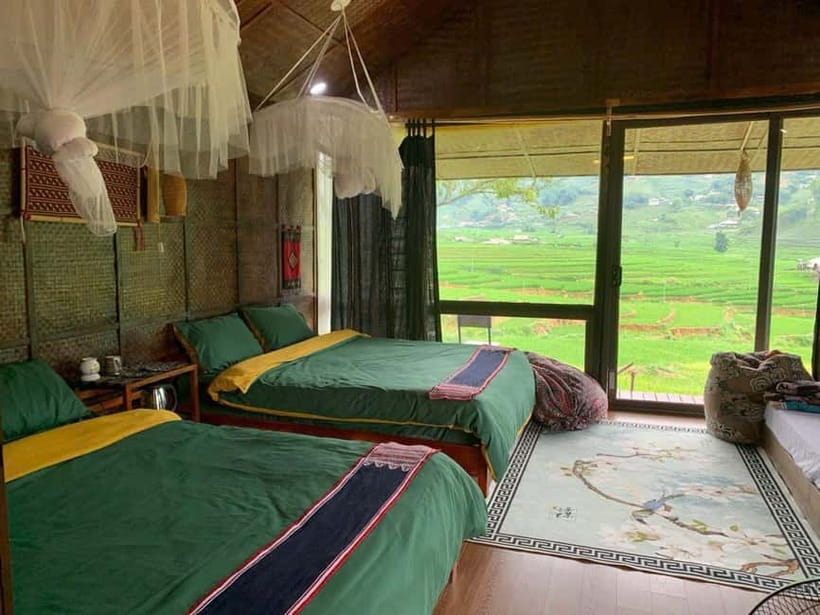
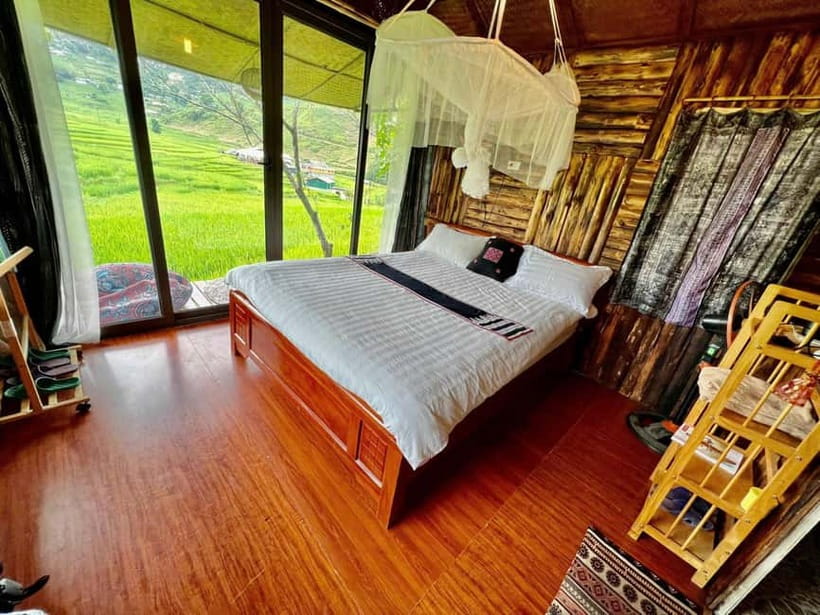
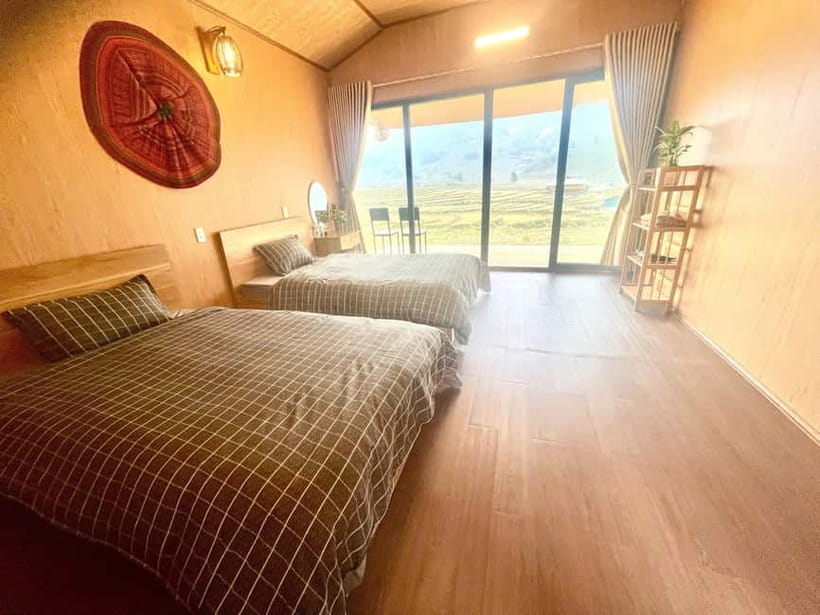
- Homestay in Ta Van with a private room, dinner, and a hands-on spring roll cooking class
- Red Dao trek on Day 2 to Giang Ta Chai through two Red Dao communities
- About 15 km of hiking total, with reviews describing difficulty around medium to moderate-high
Sapa Trekking With a Homestay: Why This 2-Day Mix Works

This tour hits a sweet spot for Sapa. You get guided time in ethnic villages, you walk through terraced fields and streams areas at a comfortable pace, and you still sleep inside a homestay for the full cultural feel. It’s not a rushed photo sprint. It’s more like a guided walk with meals and an overnight that helps you actually feel where you are.
I also like that the day structure makes sense. You’re not hiking nonstop from morning to night. On Day 1, you trek, then you check in and rest. In the evening, you eat local food and do a spring roll cooking class. On Day 2, you start early, finish the trek, then you’re back in Sapa Town and on a bus to Hanoi before the day drags on.
The “luxury” part is mostly about comfort and organization, not about flat ground and resort amenities. The homestay includes meals and a private room. The transport is handled end-to-end. If that’s your idea of luxury—clean logistics, good food, and a thoughtful route—this will fit.
You can also read our reviews of more tours and experiences in Hanoi


Overnight Hanoi to Sapa: The Sleeper-Bus Start and Your Early Morning Reset

The adventure begins at 9:30 PM. You’ll get picked up at Hanoi Capsule Station or your hotel in the Hanoi Old Quarter area. Then you settle into a sleeper bus ride toward Sapa Town.
A key detail: you arrive around 4:00 AM. You’ll have a window to rest until about 6:00 AM, then the tour guide organizes pick-up for freshening up and breakfast. That’s what keeps this from feeling like you’ve been awake for 24 hours. It’s still early. But the schedule is designed so you can function for the first hike.
This kind of transport is a trade. You’re trading a normal night in a hotel for a night on the road. The payoff is that you get two full trekking days without adding a third travel night. If you hate sleeper buses or you’re the type who needs full, uninterrupted sleep, this part may wear on you.
Day 1: Y Linh Ho and Lao Chai Hike, Then Ta Van Homestay Life

Day 1 starts with breakfast around 6:00 AM pickup and time to freshen up. Then you head out between 8:00 and 8:30 AM on a 6-kilometer hike southeast of Sapa to Y Linh Ho, a Black H’mong village.
I like this first stretch because it’s paced and focused. You’re walking into the greenery and village life right away, not spending hours “warming up” before anything interesting happens. The guided approach matters here: you’re not just trekking between points; you’re learning what you’re passing.
After Y Linh Ho, you continue for about 3 kilometers to Lao Chai. To reach Lao Chai, you traverse a small tunnel or bridge connecting you toward the Muong Hoa Valley. That’s the kind of detail that changes a trek from scenery-only to something more memorable—there’s a physical rhythm to it, and it breaks up the walk.
Around 12:30 PM, you lunch in Ta Van Village, then you check in and rest. The afternoon is intentionally lighter. You can explore Ta Van at your own pace, and if you want, your guide can lead you to terraced fields and quiet streams nearby.
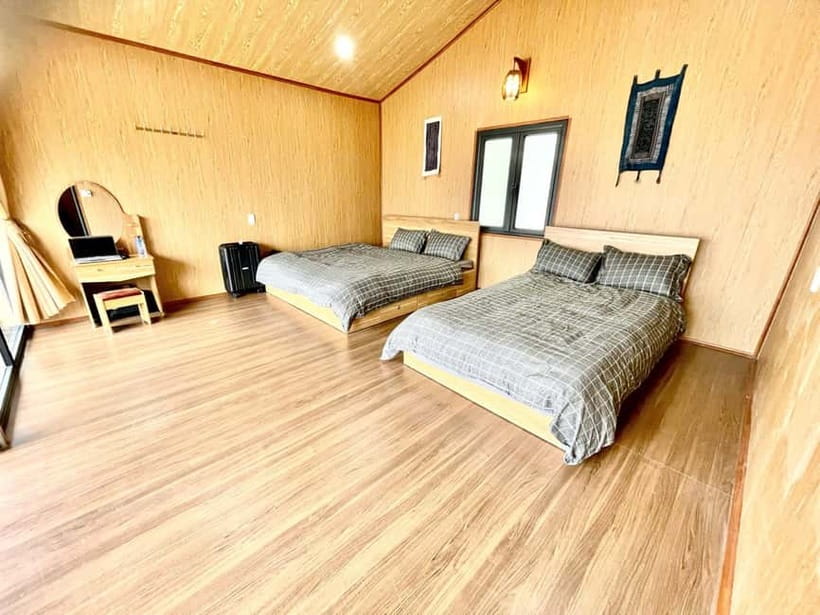
At about 4:00 PM, you head back to the homestay, then you switch into evening mode. You’ll do a cooking class—learning to make traditional Vietnamese spring rolls—then you eat dinner with local cuisine. The night ends with a comfortable private room at the homestay.
One practical drawback: Day 1 includes multiple segments—hike, lunch, check-in, rest, exploration, then cooking and dinner. If your ideal day is one long, simple hike, you might feel there’s a bit more “moving parts.” Still, it’s a good trade for more village time.
The Ta Van Cooking Class and Evening Meals: Small Effort, Big Payoff
The cooking class is one of the strongest reasons to pick this exact style of tour. You’re not just watching someone cook. You’re learning a technique you can repeat later at home, and it helps you connect the food to daily life in the area.
In the guides’ stories, this is where the personality shows. One guide named Zem stood out for making sure the group was okay during the trekking, then taught spring rolls in a way that made the evening feel worthwhile after the walking. Another guide named Sou was praised for being helpful and keeping the tour enjoyable even when the sun and effort were real.
Even if you’re not a confident cook, this usually works because the class is built around Vietnamese spring rolls—simple enough to learn without requiring culinary experience. And because it happens at the homestay, it’s not a random activity tacked on at a restaurant. It’s part of your Day 1 experience.
Dinner is included, too. That means you’re not trying to hunt for food after a hike and check-in. For me, that’s real value. After a day on your feet, reducing decisions is comfort.
Day 2: Giang Ta Chai Red Dao Trek and the Clean Trip Back to Hanoi
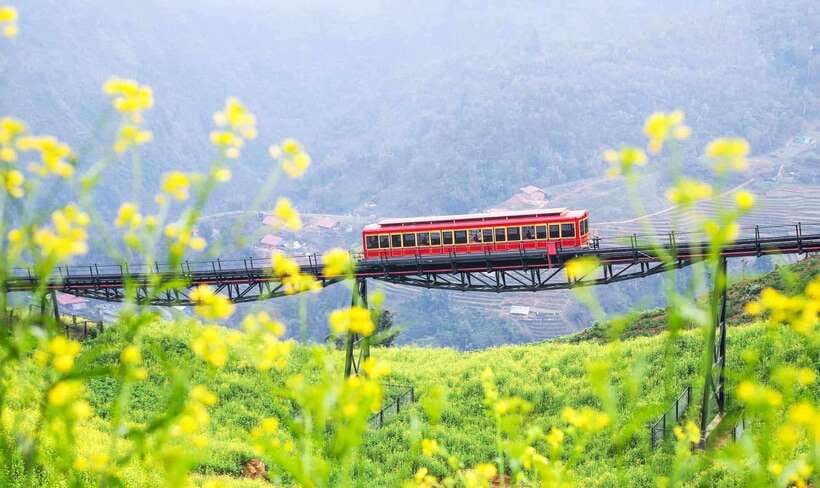
Day 2 starts with breakfast at the homestay around 7:00 AM. Then you’re ready to move at about 8:00 AM for an 8-kilometer trek to Giang Ta Chai, a Red Dao village.
What I like about Day 2 is that it gives you variety after the Black H’mong area on Day 1. You’re not doing the same village type twice. Here, the walk takes you through two Red Dao communities, and the guide helps you understand local customs and daily life.
The terrain and pace likely feel similar to Day 1—just longer than a short stroll. Reviews often describe the overall difficulty as medium to medium-high, not beginner-walk easy. The provided info also flags that you need a moderate-high fitness level and the hike totals about 9 miles (around 15 km).
By around 12:00 PM, you lunch at a local restaurant and then rest. Then, at about 2:00 PM, you return to Sapa Town by car. From there, you board a VIP cabin bus between 3:00 and 3:30 PM heading back to Hanoi.
You should plan for arrival around 10:00 PM, with drop-off in the Hanoi Old Quarter area. It’s a full end-to-end day, but it’s neatly structured: you’re not trekking into late afternoon darkness. You finish, eat, rest, then ride back.
You can also read our reviews of more hiking tours in Hanoi


Price and Logistics: What You’re Paying For (and What You’re Not)
At $110 per person, you’re paying for a bundle: guide, 1 night homestay, round-trip sleeper bus Hanoi–Sapa, meals, and scheduled sightseeing tickets. That’s the big value piece. In Vietnam, the cost of transport plus food plus a guide can add up fast if you try to cobble it together yourself.
The tour also provides the transport “comfort upgrades” that matter most on this kind of trip:
- Sleeper bus for the Hanoi to Sapa leg
- VIP cabin bus for the Sapa to Hanoi return
This isn’t just about comfort. It’s about time. You sleep while traveling, then you’re in position to start the trek early.
What’s not included is also clear. You’ll pay for coffee and soft drinks, and you’ll need your own travel insurance. That’s normal, but it’s worth noting so there are no surprises.
One more practical point: the experience provider is MOC MIEN RESORT SERVICES COMPANY LIMITED, and the tour language is English. Reviews rate the experience highly (4.4 out of 5 from 49 reviews), with strong praise for guides and the route.
Fitness Level and What to Pack: The Stuff That Keeps This Comfortable
The tour information says this involves about 15 km of hiking and needs a moderate-high level of fitness. Some reviews call it medium rather than advanced, but don’t let that loosen your prep. Even if the group pace is manageable, you’re still walking a decent distance across uneven terrain.
Here’s what you should bring based on the provided packing list:
- Passport or ID card
- Comfortable shoes (hiking shoes are best)
- Hat
- Sunscreen
- Water
- Rain gear
- Biodegradable insect repellent
I’d also add one personal rule: bring footwear you’ve already worn. New shoes can turn a “good day hike” into a blister problem.
Rain gear is not optional on a trekking itinerary. And if you’re prone to sunburn, use sunscreen even if the air feels cool. Sapa walks can still catch you.
Also, the schedule involves early starts and a sleeper bus night. If you want the tour to feel like a relaxed adventure, get sleep beforehand. It’s the simplest hack.
Who Should Book This Tour (and Who Should Skip It)
This tour makes sense if you want:
- A guided walk through Black H’mong villages (Y Linh Ho, Lao Chai) and a Red Dao village trek (Giang Ta Chai)
- A real homestay evening in Ta Van with included meals
- A clear plan that covers transport, food, and the hikes without you coordinating everything
It’s also a good choice if you enjoy a mix of activity and downtime. Day 1 includes resting and free time in Ta Van, not just continuous trekking.
But skip it if:
- You’re pregnant
- You use a wheelchair
- You’re over 95 years old
Even if you’re fit, this is still a walking-heavy trip. It’s not built for mobility limitations. And you’ll want to be honest about your fitness, because the trek includes moderate-high effort.
One more “best fit” note: guides can make this feel smooth. Review notes named guides like Mao Co as considerate, and also mentioned how guide support helped people stay okay during heat and effort. If you like being guided and having context, this tour tends to deliver.
Should You Book This Sapa 2-Day Luxury Trek With Homestay?
If you’re excited by village walks, included meals, and a one-night homestay that feels part of the experience—not an afterthought—then yes, I’d book it. The route covers multiple villages, you get guidance in English, and the transport plan is built for getting the most out of two days.
If you’re sensitive to early mornings, sleeper bus nights, or you want very low physical effort, look elsewhere. This one asks for shoes you trust, water you can carry, and a willingness to work your legs for stunning Sapa-area life.
In short: book it for culture + trekking structure. Skip it if you want “easy sightseeing.”
FAQ
How long is the tour?
It’s a 2-day trekking tour with an overnight homestay in Ta Van, plus a sleeper bus trip from Hanoi.
When does pickup happen in Hanoi?
The bus pickup starts at 9:30 PM in Hanoi, either at Hanoi Capsule Station or at your hotel in the Hanoi Old Quarter area.
What time do you arrive in Sapa?
You arrive around 4:00 AM and then have time to rest until about 6:00 AM.
How much hiking is included?
You’ll hike about 15 kilometers total across two days (with the walk distance split between Day 1 and Day 2).
Which villages do you visit?
On Day 1, you hike to Y Linh Ho and Lao Chai and then lunch in Ta Van. On Day 2, you trek to Giang Ta Chai in the Red Dao area.
Is homestay included, and is it private?
Yes. You get 1 night homestay in Ta Van with dinner and breakfast included, and you have your own private room.
What meals are included?
Meals are included during the tour. The schedule includes breakfast before the hikes, lunch on both days, dinner on Day 1, and breakfast on Day 2.
What transport is included for the round trip?
Round-trip transport from Hanoi to Sapa uses a sleeper bus, and the return to Hanoi uses a VIP cabin bus.
What should I bring for the trek?
Bring comfortable or hiking shoes, a hat, sunscreen, water, rain gear, biodegradable insect repellent, and your ID or passport.
Is this tour suitable for everyone?
No. It is not suitable for pregnant women, wheelchair users, or people over 95 years old. Insurance is also not included.
You Might Also Enjoy


More VIP Experiences in Hanoi



More Tours in Hanoi
- Ninh Binh Full-Day Tour from Hanoi to Hoa Lu, Tam Coc & Mua Cave Via Boat & Bike
★ 5.0 · 4,384 reviews