REVIEW · HIKING & TREKKING
2-Day Trekking in Sa Pa from Ha Noi by sleeping bus
Book on Viator →Operated by SAIGONESE TREKKING HOUSE · Bookable on Viator
Sapa feels more real when you walk out of town with local people. This 2-day trek pairs a sleeping bus from Hanoi with guided village-to-village hiking, plus an overnight stay in a family homestay in Ta Van. You’re not just ticking off viewpoints; you’re moving through rice-terrace country with guides who know the trail and the communities along the way.
I like two things a lot: the small group size (max 10), which keeps the pace calm and questions welcome, and the focus on authentic cultural stops like Ta Van and Red Dao areas rather than a checklist of tourist sights. In the trail rhythm, you also get a mix of bamboo-shaded paths, valley views, and practical breaks that make the harder bits feel manageable.
One thing to consider is the effort. You’ll need moderate fitness, and the walking can feel tough for some legs, especially with a long day that includes several village hops before you settle in for the night.
In This Review
- Key points at a glance
- Sleeping bus to Sapa: you sleep, you save time
- The first trek day: Sapa town to the villages in real time
- Y Linh Ho and Lao Chai: calm village views, not a speed-run
- Y Linh Ho
- Lao Chai
- Ta Van homestay: where the trip becomes human
- Bamboo forest trekking: cooler shade and a calmer rhythm
- Giang Ta Chai and Red Dao customs: learning that fits the walk
- Su Pan viewpoints and the return to Sapa: finish strong
- Price and value: what $89 actually buys
- Logistics that matter: timing, group size, and weather reality
- Who should book this trek, and who might not love it
- Should you book Saigonese Trekking House’s 2-day Sapa trek?
- FAQ
- What time does the tour start, and how long is it?
- How do you get from Hanoi to Sapa?
- Where do you sleep during the trek?
- What’s included in the price?
- Is the trek difficult?
- How big are the groups?
- What happens if weather is bad or I need to cancel?
Key points at a glance
- Sleeping bus from Hanoi and late return to Hanoi make this work for a short trip
- Homestay in Ta Van with dinner and stories in a family setting, not a hotel
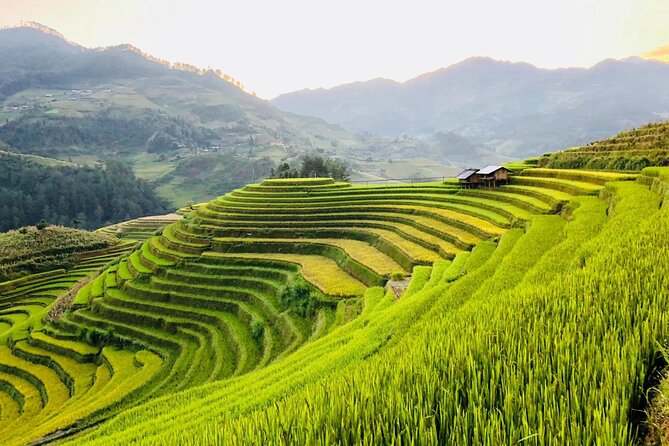
- Muong Hoa valley villages like Y Linh Ho and Lao Chai for peaceful, real views
- Bamboo forest trail between villages for cooler, shaded trekking
- Red Dao focus at Giang Ta Chai, with learning tied to daily life
- Professional, patient guiding (I’ve heard names like Sisi and Dzi in the experience reports)
Sleeping bus to Sapa: you sleep, you save time
This tour is built for people who want Sapa but do not want to lose a whole day to transport. You start with a sleeping bus from Hanoi to Sapa town, so you arrive ready to walk instead of burning daylight on the road.
In practice, the day starts early at the meeting point (Saigonese Trekking House, 02 Nguyễn Chí Thanh, TT. Sa Pa). Your local guide meets you at the bus station in Sapa town, and then the trekking begins right away with the first push toward the first village.
If you’re the type who hates packing and unpacking all trip, this is a nice fit. You’ll still have an overnight stay, but it’s in Ta Van, right where the cultural side of Sapa actually lives.
You can also read our reviews of more hiking tours in Hanoi



The first trek day: Sapa town to the villages in real time
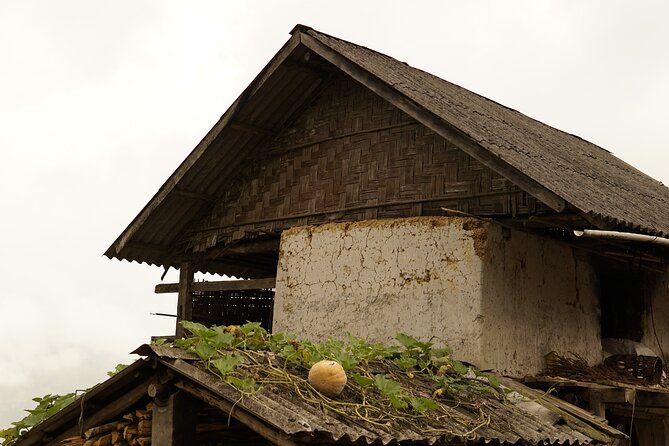
The first stop is Sapa town, and then your guide leads you on a longer first leg toward the villages. Expect about 5 hours of walking time at this stage, as you move away from the tourist center and into the Muong Hoa valley rhythm.
This is the part where proper shoes matter. The route can be uneven, and even when weather is good you’ll be stepping through hillside paths. One experience note I saw stressed that the track was not crazy slippery when the weather had been stable, but you should still pack for damp ground just in case.
A helpful detail: you’re not left to figure things out alone. Guides and local helpers are there, and I’ve seen reports that local girls are happy to assist if you need a hand. That’s especially useful on steeper sections where balance matters more than speed.
Y Linh Ho and Lao Chai: calm village views, not a speed-run
After the first big walking block, the route slows into smaller village moments.
Y Linh Ho
Y Linh Ho sits in the Muong Hoa valley and is described as beautiful and peaceful. It’s a good stop when you want a breather and time to look—not just snap photos and keep moving. You’ll get around an hour here, so it’s enough for a short reset without dragging the schedule.
Lao Chai
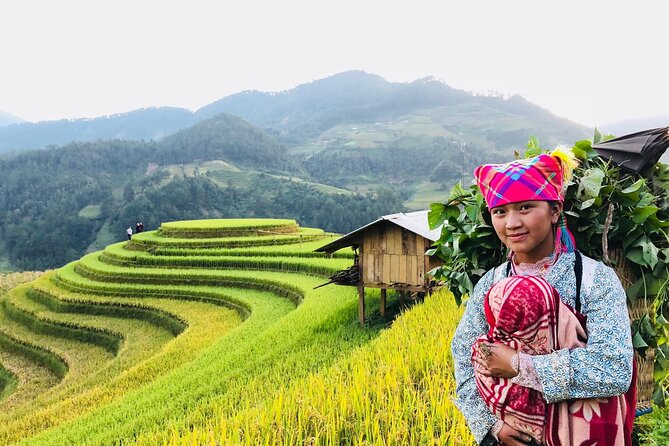
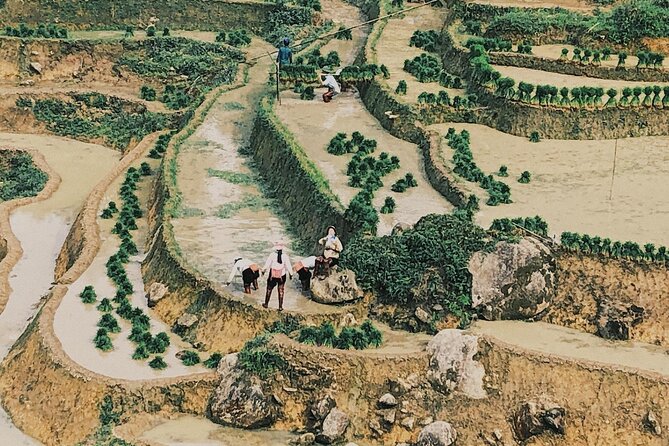
Then you reach Lao Chai Village, about 7 km southeast of Sapa town’s center, tucked into a deep valley called Muong Hoa. This is one of those places where the setting does half the work: the valley shape pulls your attention to terraces and ridgelines.
The practical win is that you’re doing this on foot, with context from your guide. Instead of hearing a generic “Sapa is scenic” line, you learn how communities fit into the valley and how daily life links to the land.
For me, these two stops are where you start feeling the difference between a quick sightseeing tour and a real trek. The scenery is still the star, but the pacing makes you notice more than just the big view.
You can also read our reviews of more tours and experiences in Hanoi
- Doris Cruise 5 star cruise 2 days visiting Halong Bay Lan Ha Bay private balcony
★ 5.0 · 2,338 reviews





Ta Van homestay: where the trip becomes human
If you care about authenticity, this is the anchor of the whole itinerary. You spend 12 hours at Ta Van village and stay overnight in a family-run homestay.
Ta Van is a Giay minority area along the river, known for warm hospitality and stilt houses. In the homestay setting, you usually share dinner and conversation with your hosts, and that’s where the trek becomes more than walking through scenery.
Here’s why it’s valuable: you get a chance to ask questions at a normal pace. You’re not sprinting between stops. You’re sitting down, eating, and seeing how people talk about their traditions and daily rhythms.
One experience note also highlighted that the guide was knowledgeable about the local area and different tribes, even touching on local economy. That kind of context lands best in a home environment, where conversation is natural.
Practical tip: bring layers and plan for simple, practical conditions. A homestay is not a resort, and that’s the point. You go for the real setting, the stories, and the chance to connect.
Bamboo forest trekking: cooler shade and a calmer rhythm

Next comes the bamboo forest section, a shaded route that connects Giang Ta Chai to Su Pan village. This is a one-hour segment, but it’s the kind of hour you remember because the feel changes once the trail dips into bamboo shade.
On a warm day, bamboo cover can be a lifesaver. Even if you’re not chasing comfort, shade helps you keep energy for the rest of the trek. And because it’s a connecting path, it also helps break up the day into manageable chunks.
When your legs start feeling the effort, a route like this gives you both a physical reset and a mental reset. You’re moving, but the environment helps you keep your pace.
Giang Ta Chai and Red Dao customs: learning that fits the walk

Giang Ta Chai is where the trek turns more educational. It’s home to the Red Dao people, and your stop here is about around an hour.
What I like about this kind of stop is that it’s not a lecture. It’s tied to what you can see and what your guide explains—things like traditional herbal medicine and Red Dao customs. Your guide’s job is to connect those details to the life of the valley.
Some guides can be especially strong here. In the experience feedback, a guide named Dzi was described as making the experience better, and another guide named Sisi was noted as knowledgeable about tribes and the local economy. If you’re lucky enough to be with either, you’ll likely get more from the stop than a quick look and a photo.
For you, the key is to show up with curiosity. Ask simple questions. How do people use local plants? What does daily life look like in this valley? Even if your answers are partial, the conversation gives you a more grounded understanding than a brochure.
Su Pan viewpoints and the return to Sapa: finish strong

After Giang Ta Chai, you reach Su Pan. It’s described as quiet and set up for panoramic views of terraced fields and rugged mountains. Expect about an hour at this stage, which is a good time to slow down and take in the valley from a higher angle.
This is also where you’ll feel the payoff for the walking you’ve done. You’re not just tired-you’re rewarded. The photos are great, but the better part is the sense that you’ve covered ground that most people don’t.
Then you head back to Sapa town by motorbike or car for comfort. This matters because it keeps the day from turning into one long endurance grind. In the evening, the bus departs back to Hanoi and you arrive late at night.
One experience note mentioned covering approximately 15 km total with lunch and breaks. That’s a helpful reality check: you’re active, but it’s not an all-day survival march where you never stop. You get time to eat and pause.
Price and value: what $89 actually buys

At $89 per person, this tour is priced like a “short trip package” rather than a bare trekking arrangement. And that’s important because it covers a lot of the expensive pain points.
Here’s what’s included:
- Round-trip sleeping bus between Hanoi and Sapa town
- Entrance tickets (as listed)
- Bottled water
- Lunch and breakfast
- Transfers in Sapa by motorbike or car
- The guiding and the homestay experience in Ta Van
What you should budget extra for:
- Insurance
- Tips
For value, the homestay and meals are a big part of why this doesn’t feel overpriced. If you tried to arrange bus tickets, local guiding, and an overnight in Ta Van on your own, you’d likely spend time and money combining different pieces.
Also, the max group size of 10 keeps your experience more personal. For a lot of Sapa trekking, the value is in the guide and the pacing, and this tour is designed for that.
Logistics that matter: timing, group size, and weather reality
This starts at 7:00 am at Saigonese Trekking House. The overall duration is listed as 23 hours to 1 day (approx.), which matches the rhythm: sleeping bus overnight, a day of trekking and village stops, then an overnight homestay, then finishing with Su Pan and the return bus.
Group size matters here. With up to 10 people, you get a better chance of a calm walk and questions that actually get answered.
Weather is another reality check. The tour requires good weather. If conditions are poor, you’ll be offered another date or a full refund. That’s not just fine print; it affects trail comfort and safety. Build flexibility into your Hanoi/Sapa schedule if you can.
Who should book this trek, and who might not love it
This is a strong choice if you:
- want Sapa beyond the town center
- enjoy village culture and walking routes through rice-terrace country
- like the idea of staying in a family homestay in Ta Van
- prefer a small group, with a guide who can explain what you’re seeing
You might want to reconsider if you:
- prefer fully paved, low-effort sightseeing (this is a trek)
- hate uneven paths or steep steps, even with breaks and help available
A small hint: if you’re on the fence about fitness, the listed requirement is moderate physical fitness, so it’s not extreme trekking, but it is still a real walk. Wear shoes you trust and bring a light rain layer.
Should you book Saigonese Trekking House’s 2-day Sapa trek?
I’d book it if your goal is a short, well-paced Sapa experience that mixes walking with real human connection. The combination of a sleeping bus, guided village trail, and the Ta Van homestay is exactly what turns Sapa from a place you pass through into a place you actually understand.
I would not book it if you want only comfort and short transfers with zero effort. This tour gives you value in exchange for getting your legs involved.
If you can walk for hours and you’re excited about meeting local communities through the trek route, this one is a solid bet.
FAQ
What time does the tour start, and how long is it?
The start time is 7:00 am. The total duration is listed as about 23 hours to 1 day, and it includes the walking time from Sa Pa to each villages.
How do you get from Hanoi to Sapa?
You take a sleeping bus from Hanoi to Sapa town on the first day. In the evening, the bus departs back to Hanoi and you arrive late at night.
Where do you sleep during the trek?
You spend the night in a family-run homestay in Ta Van village, with time to share dinner and cultural stories with your hosts.
What’s included in the price?
Tickets for the activities/entrances, bottled water, lunch, and breakfast are included. The tour also includes guided trekking and the listed transfers in Sapa.
Is the trek difficult?
It’s aimed at people with moderate physical fitness. The schedule includes a first long walking segment (about 5 hours) plus additional village-to-village trekking, so expect real walking time even with breaks.
How big are the groups?
The group size has a maximum of 10 travelers.
What happens if weather is bad or I need to cancel?
The experience requires good weather. If it’s canceled due to poor weather, you’ll be offered a different date or a full refund. You can cancel for free up to 24 hours in advance for a full refund; within 24 hours, the amount paid isn’t refunded.
You Might Also Enjoy



More 2-Day Experiences in Hanoi
- Doris Cruise 5 star cruise 2 days visiting Halong Bay Lan Ha Bay private balcony
★ 5.0 · 2,338 reviews