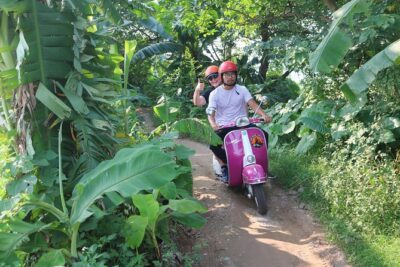
Sapa turns into real village life. This 2-day, 1-night trek pairs an expert English-speaking guide with time on the trail through Sapa’s rice terraces and streams, then hands you a night in a homestay with time to talk with your host family.
I love how the guide makes the hike feel personal, not scripted. I also like the trade-off between nature time and cultural time, with options to match your pace (the guide can steer you toward easier or harder sections). The main consideration: it’s a real trek with moderate fitness needed, and the experience depends on good weather.
In This Review
- Key Highlights You’ll Actually Feel on This Trek
- Meeting in Sapa at 9:00 and Getting Dropped Into the Right Rhythm
- Day 1: Rice Terraces, Muong Hoa Stream, and a Black Hmong Village Night
- A trail that can match your energy
- Why you’re doing Day 1 at all
- Homestay Evening: Wifi, Hot Showers, and Open-Fire Conversation
- What to expect practically
- Day 2: Ta Van Village, Bamboo Forests, Waterfalls, and the Zay Tribe
- Waterfalls and a tribe visit
- Lunch and finishing early afternoon
- Guides Who Make the Trail Feel Personal (Giang and Xa as the Standout Examples)
- Price and Value: Why $105 Can Still Feel Fair for This Package
- Who This Trek Is Best For (And When to Think Twice)
- Should You Book This 2-Day 1-Night Sapa Tribal Trek?
- FAQ
- Where does the trek start?
- How long is the trek?
- Is pickup available?
- Is this tour private?
- What kind of accommodation is included?
- Is wifi and hot shower included?
- What villages and tribes do you visit?
- What time is breakfast on Day 2?
- How physically demanding is it?
- What happens if the weather is bad?
- What is the cancellation window?
Key Highlights You’ll Actually Feel on This Trek
- Pick your pace with your guide. You can choose easy, medium, or hard options when the path splits.
- Rice terraces plus the Muong Hoa Stream. Day 1 is built around walking scenic, lived-in countryside.
- Black Hmong and Zay tribe village experiences. You’re not just passing through views—you’re meeting communities.
- Ta Van and bamboo forests. Day 2 shifts into calmer walking through village-adjacent nature.
- Homestay comfort where it counts. You can get wifi and hot showers, plus clean rooms in at least some homestays.
- Routes designed to avoid crowds. The operator tries to steer clear of other tourist routes unless you ask otherwise.
Meeting in Sapa at 9:00 and Getting Dropped Into the Right Rhythm
The day starts at 9:00 a.m. in Sapa, and the meeting point is at 690 Đường Điện Biên Phủ, TT. Sa Pa (with options to meet at your homestay or hotel, or at Lao Cai train station which is the closest station to Sapa). For most people, that matters because it reduces the stress of trying to coordinate transport on your first morning.
This is also a private tour, meaning it’s only your group. That changes the vibe. Instead of waiting your turn or getting stuck behind someone, your guide can manage pace, questions, and route choices with less friction. In a trek, that can be the difference between feeling rushed and feeling present.
You’ll be with a native, English-speaking tour guide for the full experience. Two names came up repeatedly: Giang and Xa. In practice, what people praised wasn’t just English ability—it was how they used their local understanding to connect the trail to village life, history, and culture while still keeping the hike moving.
You can also read our reviews of more evening experiences in Hanoi


Day 1: Rice Terraces, Muong Hoa Stream, and a Black Hmong Village Night
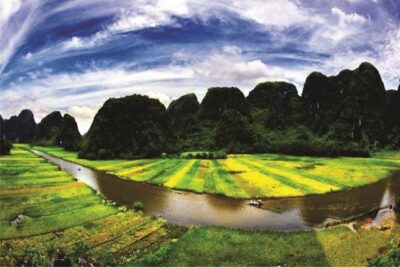
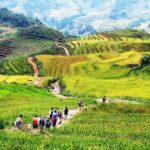
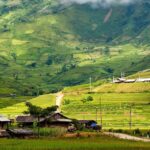
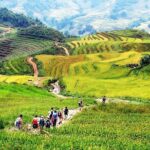
Day 1 begins with movement right away: you trek through rice terraces and alongside the Muong Hoa Stream, then continue to a Black Hmong village (the listing truncates the village name, but you’ll still be visiting a Black Hmong community along the route). This is one of those “walk where the scenery comes from” treks. You’re not just looking at rice fields from a viewpoint—you’re walking through the same working geography that shapes the villages.
Here’s why that matters: rice terraces aren’t only pretty in photos. They’re a living system tied to water, seasonal labor, and village rhythms. On this walk, you get context as you go, and guides like Giang are specifically praised for sharing detail about rice fields and how village culture connects to what you’re seeing.
A trail that can match your energy
You’ll hear about options for easy, medium, and hard sections. That’s a big deal if your group has mixed fitness. You can still stay together as a group while adjusting how you tackle steeper or longer portions.
The route style also influences how you feel later in the day. When the guide picks a path that isn’t packed with other groups, you tend to get calmer photo stops and fewer “traffic jams” on narrow paths. The operator says they try to avoid other tourist routes unless you tell them you prefer that, and that approach tends to keep the tone more authentic.
Why you’re doing Day 1 at all
The “trek into a village, then sleep with that village” structure is the heart of why this tour is memorable. If you only did the walk and skipped the night, you’d miss the part that makes it meaningful: time with your host family and a slower evening after the day’s walking.
Homestay Evening: Wifi, Hot Showers, and Open-Fire Conversation
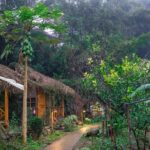
This is where the experience becomes more than sightseeing. You spend the night in a homestay or a local house with a local family. The listing specifically notes you can have wifi and hot showers, so you’re not signing up for total roughing-it.
In reviews, there’s praise for clean rooms and for host families that come across as gentle and welcoming. That matters because homestays can range widely. Here, the focus seems to be on basic comfort where it counts—clean sleeping space, and the comfort features that let you reset after hiking.
The evening tone is also part of the value. You’re encouraged to huddle around an open fire, chat, and get to know your hosts. That’s not a performance. It’s the natural kind of conversation that happens when you share food and quiet time after a full day outdoors.
And there’s a social reason behind the experience too. The operator frames booking as support for local people in a region where 70% of the population is below the poverty line, emphasizing fair wages. You don’t need that messaging to enjoy the trek, but it does help explain why the host connection feels central rather than optional.
You can also read our reviews of more hiking tours in Hanoi

What to expect practically
You’ll pack up the next morning, so plan to keep your day items accessible. Also, because it’s a village-based overnight, bring a flexible attitude toward what “hot shower” means in practice (it’s still rural Vietnam, not a hotel).
If your group likes a plan, this might surprise you in a good way. The walking is structured. The evening is more human.
Day 2: Ta Van Village, Bamboo Forests, Waterfalls, and the Zay Tribe
Day 2 starts with breakfast at 8:00 a.m. Then you pack up and say goodbye to your host family before heading back out on foot. Morning in Sapa is often when you feel the most energy for the day’s final walking—cooler air, steady light, and less “end of trek” fatigue.
Your next stop is Ta Van Village, followed by time walking through bamboo forests. This shift is important. Day 1 is rice terraces and stream travel. Day 2 leans more into a softer, quieter rhythm. Bamboo forests also tend to feel more sheltered on the trail, which can make the hike feel calmer even when the path is still uneven.
Waterfalls and a tribe visit
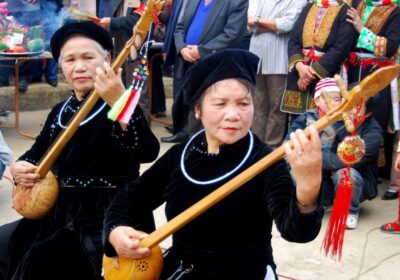
Later, the route brings you through waterfalls and onward to meet the Zay tribe. This is where the trek earns its “tribal experience” label in a practical way: you’re not only moving between scenic points, you’re learning how different communities live and adapt in the same region.
If you like explanations that connect culture to the walk, this is often the portion where it clicks. Guides like Xa were praised for patience and for teaching about rice fields, culture, and villages without making it feel like a lecture.
Lunch and finishing early afternoon
You’ll have lunch in the early afternoon, then continue toward the end of the activity. The trek finishes back at the meeting point. In other words, you’re not stuck hiking until nightfall. That makes it easier to pair with later plans in Sapa or Lao Cai.
Guides Who Make the Trail Feel Personal (Giang and Xa as the Standout Examples)
A good trekking guide does three jobs: keeps you safe, keeps you moving, and makes the time meaningful. In this experience, the guide contribution is repeatedly what people highlighted most.
Giang is mentioned for speaking very good English and sharing detailed context about history and culture that made the journey more interesting. Xa is praised for being patient and for offering options depending on how tired people felt. Both of those traits matter because trek days can swing from “easy chatting pace” to “I’m feeling it” faster than you expect.
So here’s what I’d do if I were booking for a mixed group: I’d tell the guide your preferred effort level at the start, and then check in again when you reach any fork where options are possible. The experience is built around flexible pacing, and guides who communicate well can help your group get the most out of the same day.
Price and Value: Why $105 Can Still Feel Fair for This Package
At $105 per person for about 2 days, you’re paying for more than a walk. Your money covers a private, English-speaking guide, a structured 1-night village stay, and transportation support that includes pickup offered. The listing also notes a mobile ticket and group discounts, which can help if you’re traveling with friends.
The value becomes clearer when you price out the “extras” you’d otherwise arrange:
- A homestay night that includes basic comfort features like hot showers and wifi (as stated).
- A guide who can steer you away from crowded routes.
- Cultural visits tied to the communities you walk to.
If you’ve ever done a self-guided trek in a region like Sapa, you know the hard part isn’t only the trail. It’s figuring out what you’re looking at, how to move respectfully, and how to avoid turning a village visit into something awkward. This tour is built to handle that.
The main value question is fit. If you want a super long, hardcore trekking challenge, this may feel short at 2 days. But if you want a compact trek that still includes village life and meaningful contact, the package fits well.
Who This Trek Is Best For (And When to Think Twice)
This experience is aimed at people with moderate physical fitness. If you’re comfortable hiking on uneven ground for a couple of days and you can handle steep-ish moments occasionally, you’re in the right zone.
It’s also a good match if you want:
- time in rice terraces and stream areas
- a village overnight in either a homestay or a local family home
- an itinerary that balances walking with cultural interaction
On the other hand, if your medical situation makes hiking risky, the listing advises checking with your doctor before booking. Also, it’s weather-dependent. If conditions are poor, the experience may be offered on another date or refunded.
One more practical point: since it’s near public transportation and has a clear start point in Sapa, it tends to be easier to integrate than trek options that require complicated meeting logistics.
Should You Book This 2-Day 1-Night Sapa Tribal Trek?
I’d book it if you want a trek where the culture is part of the route, not an add-on. The combination of rice terraces, village visits, and a homestay night with practical comfort makes this a strong value for a short time window in Vietnam.
I’d hesitate if you need a completely sedentary vacation, or if you hate the idea of rural lodging norms even when hot showers and wifi are available. I’d also pay attention to fitness: moderate means you’ll still earn your views.
If you do book, I’d make one choice early: ask your guide what effort level your group should aim for each day. With guides like Giang and Xa, that pacing flexibility is one of the reasons people loved the experience so much.
FAQ
Where does the trek start?
The tour starts at 690 Đường Điện Biên Phủ, TT. Sa Pa, Sa Pa, Lào Cai, Vietnam. Start time is 9:00 a.m., and your guide can meet you at your homestay, hotel, or at Lao Cai train station.
How long is the trek?
It’s listed as 2 days (approx.) with 1 night.
Is pickup available?
Pickup is offered.
Is this tour private?
Yes. It’s described as a private tour/activity, and only your group participates.
What kind of accommodation is included?
You’ll stay in a homestay with the option for a local house with a local family.
Is wifi and hot shower included?
The overview states you can enjoy wifi and hot showers during the homestay night.
What villages and tribes do you visit?
Day 1 includes a Black Hmong village visit, and Day 2 includes Ta Van Village plus time to meet the Zay tribe.
What time is breakfast on Day 2?
Breakfast is at 8:00 a.m. on Day 2.
How physically demanding is it?
It’s recommended for travelers with moderate physical fitness.
What happens if the weather is bad?
The experience requires good weather. If it’s canceled due to poor weather, you’ll be offered a different date or a full refund.
What is the cancellation window?
Free cancellation is available up to 24 hours in advance of the experience for a full refund.