REVIEW · HIKING & TREKKING
Trekking Sapa – Bac Ha Market: Sleep on Train & Homestay
Book on Viator →Operated by Go Asia Travel · Bookable on Viator
Mud roads, markets, and an overnight train. This 3-day Sapa-to–Bac Ha trip turns Hanoi-to-mountain travel into part of the experience, with big valley views and ethnic village time. I especially liked the Ta Van homestay overnight and the chance to see the Bac Ha Sunday market in full swing.
A small drawback to plan for: you’ll walk on uneven paths (some are muddy), and the homestay is basic—shared space and a public bathroom. Also, the schedule is early at both ends because the transport is the backbone of the trip.
In This Review
- Key highlights you’ll feel right away
- Getting Out of Hanoi: Overnight Train to Sapa
- Sapa Day 1: Cat Cat Waterfalls, Muong Hoa Valley, and a Light-Bag Trek
- Ta Van Homestay: Zay (Zdao) Village Life and Overnight Meaning
- Day 2 in Ta Van: Giang Ta Chai Village and a Long Village Day
- Bac Ha Sunday Market: Colorful Trading, Old Patterns, and Hoang A Tuong’s Castle
- Value and Logistics: Why This Tour Often Feels Like a Deal
- Support That Matters: English Guidance and a Small Group Feel
- Practical Stuff to Pack: Mud, Light Bags, and Comfort Trade-offs
- When This Tour Fits Best (and When It Doesn’t)
- Extra Option: From Sapa to Ha Giang Without Backtracking to Hanoi
- Should You Book Trekking Sapa – Bac Ha Market: Sleep on Train & Homestay?
- FAQ
- How much does the Sapa to Bac Ha tour cost?
- How long is the tour?
- Where is the meeting point in Hanoi?
- What transport is used for the trip from Hanoi to Sapa?
- Is there an English-speaking guide?
- Where do you sleep during the tour?
- Are meals included?
- Do I have to pay for entrance fees at stops?
- When does Bac Ha market happen?
- Can I travel from Sapa to Ha Giang without going back to Hanoi?
Key highlights you’ll feel right away
- Overnight train or sleeper bus options so you travel while you sleep
- H’Mong and Zay (Zdao) village guiding with an English-speaking guide in Sapa
- One true overnight in Ta Van homestay, not just a quick photo stop
- Bac Ha market only on Sunday morning, so dates matter
- Private car + guide for Bac Ha, including Hoang A Tuong’s castle
- Small group size (max 15) and a travel consultant style of support
Getting Out of Hanoi: Overnight Train to Sapa
This tour is built around one smart idea: don’t waste a whole day getting to the mountains. You meet at Ga Hà Nội (120 Lê Duẩn, Cửa Nam), then you head to Sapa on an overnight connection. One common setup here is catching a train around 21:30 and arriving with the morning pick-up that gets you into Sapa early enough to start exploring by the next day’s pace.
If you’re doing the train route, the plan includes an early morning transfer from Lao Cai Train Station to Sapa (about 40 km), with pickup at around 5:00. That’s an early wake-up, but the trade is real: you gain a whole day for villages, walking, and the market instead of sitting in traffic.
You also get that practical “ready to go” feeling because this tour uses a mobile ticket, so you’re not juggling paper confirmations in a place where your attention needs to be on packing, boots, and water.
You can also read our reviews of more shopping tours in Hanoi



Sapa Day 1: Cat Cat Waterfalls, Muong Hoa Valley, and a Light-Bag Trek
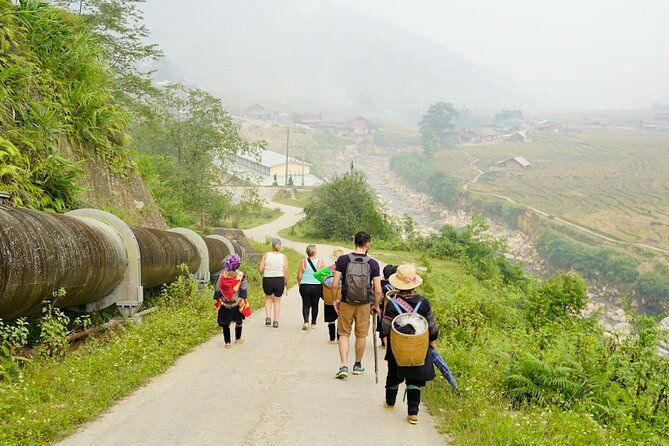
After you arrive, you start with breakfast at your hotel base in Sapa, then you prep a light bag for the short trek—an approach that makes the walk more comfortable and keeps the day from turning into a heavy-luggage workout.
Your first big village stop is Cat Cat village, home of the Black H’Mong community. The walk here is timed so you don’t just pass through. You’ll look at village life and move through scenery tied to the valley: the waterfall area, plus the Muong Hoa stream and terrace fields views that define this region. There’s also a stop related to older French-era influence—a hydroelectric power plant from that period—along with mentions of local schools. It’s a nice reminder that this isn’t just scenery; it’s a living community with layers of history and change.
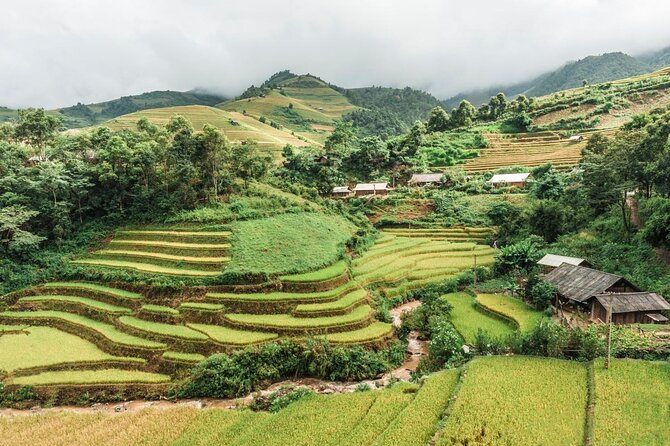
Then you continue to Lao Chai trail, another H’Mong village area set along the Muong Hoa valley and stream, at the foot of Fansipan. Expect a guided trek through terraced countryside, with the time paced around about 3 hours in the hiking block. This is where the walk starts to feel real: uneven footing, some slopes, and enough time outside for you to get that mountain air effect.
Practical note: this day is ideal for people who want a “taste” trek without committing to long, grueling hours. It also sets you up well for the next step—sleeping in the village rather than bouncing back to town.
Ta Van Homestay: Zay (Zdao) Village Life and Overnight Meaning
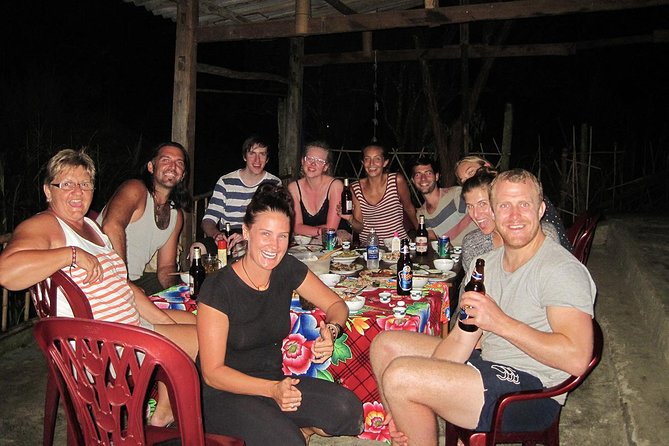
The heart of the experience is the overnight in Ta Van Village, where you stay at a homestay in the Ta Van villa area. Ta Van is home to the Zay (Zdao) people, and it sits by the Muong Hoa stream with views that don’t need filters.
What makes this more than a simple sightseeing stop is the way the time is structured: you don’t just arrive, snap photos, and leave. You settle in and spend the night here. That matters because it gives you a more normal rhythm of mountain life—when the pace slows down and you can actually notice details like how people move between their homes and fields.
The tour also highlights cultural learning through your guiding. You’ll have an English-speaking guide support in Sapa, and the homestay context is set up so you can understand the ethnic communities more deeply, not just tick off names. One review specifically praised a guide named Suà for teaching a lot about culture and the places visited—exactly the kind of thing that turns village visits from surface-level into something you remember.
Yes, it’s basic. The homestay arrangement here is described as shared room or a single mattress, and the bathroom is public. If you’re traveling with a strict comfort expectation, this is the part to adjust mentally. But if you’re looking for an authentic overnight and you’re good with simple facilities, this is where you’ll feel you got your money’s worth.
Day 2 in Ta Van: Giang Ta Chai Village and a Long Village Day
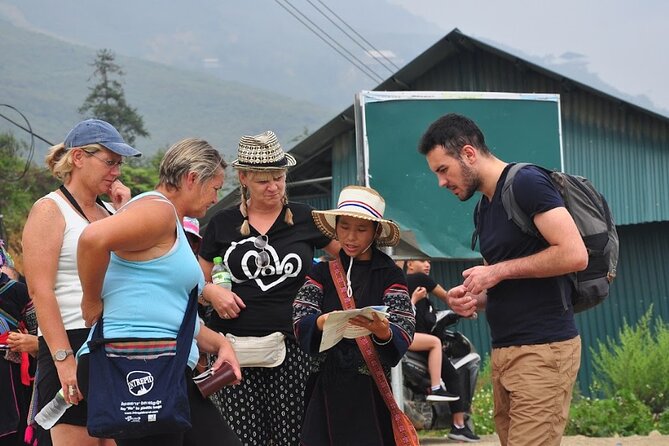
Day 2 starts with Giang Ta Chai village, home to a mix of communities including Red Zdao, Zay (Zdao), and Black H’Mong living together. The walk portion is set around about 2 hours, with views over the Muong Hoa valley, bamboo forest, and terraced rice fields. This is a good day if you like photo light but also don’t want constant motion.
After the morning village time, you return to Ta Van and get a long stretch to stay with the host at the homestay—listed as about 10 hours. That’s not “free time with no plan,” but it is free time in the sense that you’re not on a nonstop van schedule. You can use this to slow down, ask questions, watch daily routines, and generally stop feeling like you’re just moving through places.
The big value in this design is that it breaks the usual pattern in northern Vietnam—where you trek for a few hours and then retreat immediately to a car. Here, the second day gives the village time to sit in your mind. You start noticing how terraces, streams, and homes all relate to each other.
Bac Ha Sunday Market: Colorful Trading, Old Patterns, and Hoang A Tuong’s Castle
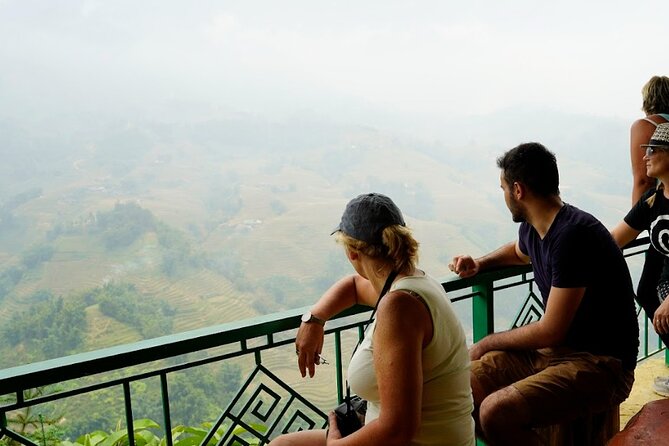
Then comes the change of pace. On your final day, you head to Bac Ha market, and the key detail is very straightforward: the market happens only on Sunday morning. If your trip dates don’t land on Sunday, you need to double-check how your operator handles that—because this stop is tied to the actual market schedule.
The Bac Ha market is described as showing the older way of exchanging goods alongside contemporary items. It’s a trading scene where locals exchange things like pigs, souvenirs, and hens in a system that feels more direct than the typical tourist market. You’re not just looking at stalls—you’re watching people negotiate, compare, and move through the market with purpose.
After the market, you visit Hoang A Tuong’s Castle, the historic residence of the H’Mong king and his family. It’s described as the most luxurious place for him and his family to live and rule. This short stop gives you important context: the market is daily life and trade, while the castle is power, leadership, and old structure.
You also get a walk toward nearby Pho village, on a quieter road away from the densest market area. It’s listed as a short walk block, but it adds balance. You’re not only in market intensity; you also get a calmer look at everyday life nearby.
You can also read our reviews of more tours and experiences in Hanoi





Value and Logistics: Why This Tour Often Feels Like a Deal
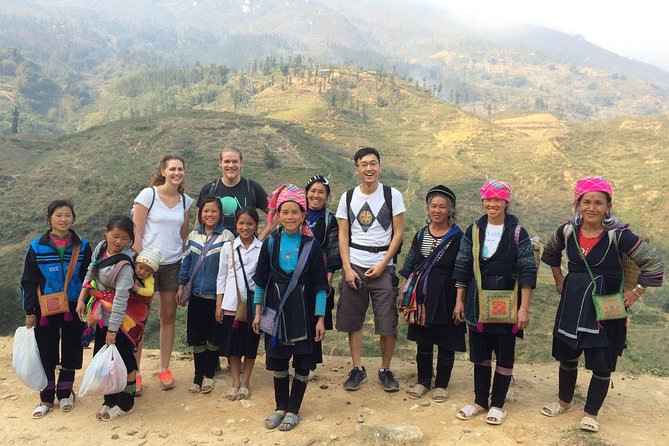
At $56 per person for about 3 days, this is positioned as strong value—especially because you’re not paying separately for every moving piece. Included items cover meals (3 breakfasts and 3 lunches) plus dinner, plus transfer and guide support, plus key entrance fees tied to Ta Van and Hoang A Tuong’s palace.
A big part of the value is also what you’re not doing:
- You’re using overnight train or sleeper bus style transfer instead of burning a daytime travel slot.
- You have private car and guide for Bac Ha, so you’re not stuck in a generic group scramble during that final market segment.
- You get a homestay overnight in Ta Van, which usually costs more when you book it as a standalone night.
Of course, there’s a flip side. This kind of pricing usually means you don’t get hotel-level comfort in Ta Van, and the trip rhythm relies on transportation timing. If you like slow travel and you dislike early mornings, you’ll need to go in with the right expectations.
Also keep in mind the tour includes a government tax (8%), and it has a holiday surcharge listed for certain dates. If you’re traveling around major holidays, factor that in early.
Support That Matters: English Guidance and a Small Group Feel
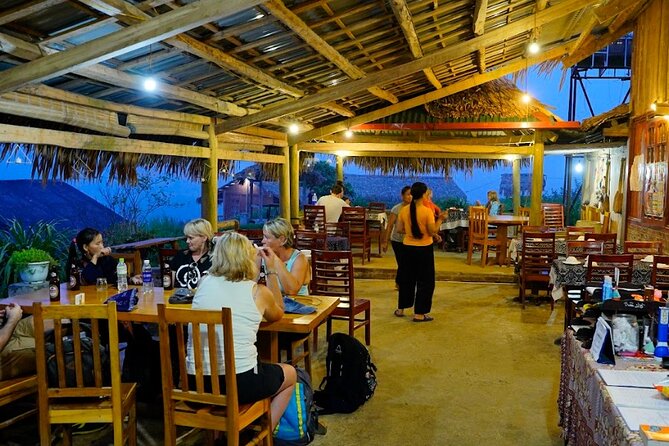
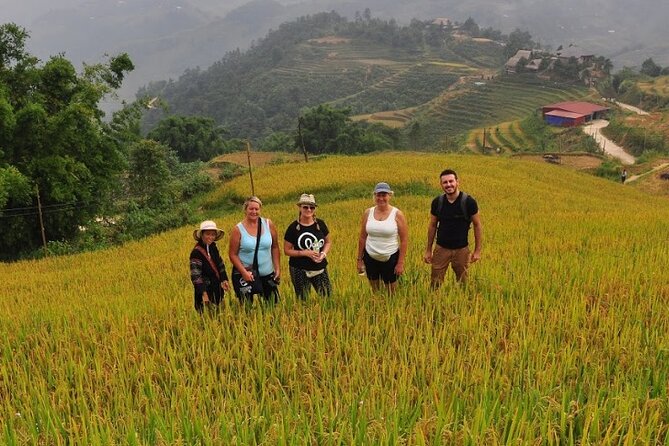
This tour runs with a maximum group size of 15 travelers, which is usually a good sign for moving through villages without feeling like you’re part of an unmanageable crowd. You’re also guided by a local English-speaking guide in Sapa; the guide can vary depending on route and timing, but the key is that you’re not left with no communication.
The tour description also stresses attentive support from a travel consultant who stays involved to solve problems and keep things smooth. That’s a practical benefit on a route that mixes walking, homestay sleep, and market logistics—especially when the day involves changing environments fast: town to village to market.
One named example from a review is Suà, praised for teaching many things about culture and the places visited. That’s the kind of guide impact you want on an ethnic village itinerary, because it changes what you notice.
Practical Stuff to Pack: Mud, Light Bags, and Comfort Trade-offs

Here’s what I’d plan for based on how this itinerary is structured:
- Comfortable walking shoes you don’t mind getting muddy. The tour specifically describes trekking on mud roads, and you’ll be on village paths where you need grip.
- A light bag for the shorter treks in Sapa. Your heavy gear can wait while your daypack does the work.
- Water. One review advice point was to prepare water during the trip.
- Expect shared sleeping arrangements and a public bathroom at the homestay. Bring basic comfort items if that matters to you.
- Moderate fitness level is mentioned as the requirement. Translation: you don’t need to be a trail athlete, but you do need to handle walking hours and uneven ground.
A small tip with homestays: if you like being prepared, bring a small towel or tissue supply, and keep a few essentials within reach. Homestays are not set up like hotels.
When This Tour Fits Best (and When It Doesn’t)
This is a strong match if you want:
- A real village overnight at Ta Van, not just a day excursion
- Guided walking that mixes views (Muong Hoa valley, bamboo, terraces) with cultural context
- A market day that feels alive and not staged
- A tour that combines transportation and activities so you’re not constantly backtracking
It may be less ideal if you:
- Hate early starts and long travel blocks
- Want private bathroom and hotel-style bedding
- Want a lot of lounging time with zero walking (the itinerary includes multiple guided trekking blocks)
Extra Option: From Sapa to Ha Giang Without Backtracking to Hanoi
One of the more convenient extras mentioned is the ability to head to Ha Giang directly from Sapa instead of going back to Hanoi first. The option described includes buses leaving at 14:30 and 19:00 from Sapa, with a limousine bus (18 seats) picking you up around 14:30 at May hotel, and the trip time listed as about 6 hours.
This is useful if you’re continuing your trip beyond northern Vietnam and want to keep momentum. The trade is that you’ll need to plan around your tour timing—because this route is also arranged around returning to the Hanoi meeting point unless you extend with this add-on.
Should You Book Trekking Sapa – Bac Ha Market: Sleep on Train & Homestay?
Book it if you want an affordable northern Vietnam mix that includes the big hits: Sapa trekking, a Ta Van homestay overnight, and Bac Ha market on Sunday morning. The price makes sense because meals, guides, and key entrances are included, and the overnight transport helps you use time well.
Don’t book it if you’re chasing luxury or if you’re likely to struggle with basic homestay comfort and walking on uneven, muddy paths. Go anyway only if you can accept that this trip is about people, villages, and timing—not plush accommodations.
If you’re the type who enjoys cultural details and doesn’t mind a little roughness in exchange for something real, this is a very solid choice.
FAQ
How much does the Sapa to Bac Ha tour cost?
The price is listed as $56.00 per person.
How long is the tour?
The duration is listed as 3 days (approx.).
Where is the meeting point in Hanoi?
The meeting point is Ga Hà Nội – 120 Lê Duẩn, Cua Nam, Đống Đa, Hanoi, Vietnam. The tour ends back at the same meeting point.
What transport is used for the trip from Hanoi to Sapa?
The tour includes transfer by limousine sleeper bus and/or overnight train, depending on the selected option.
Is there an English-speaking guide?
Yes. The tour includes a local English-speaking guide in Sapa, and for Bac Ha you also get a private car and guide.
Where do you sleep during the tour?
You sleep overnight at Ta Van homestay in shared accommodation (shared room or a single mattress) with a public bathroom.
Are meals included?
Yes. Meals listed as included are 3 breakfasts, 3 lunches, and dinner.
Do I have to pay for entrance fees at stops?
Entrance fees are included for Ta Van and Hoang A Tuong’s palace (and the tour lists entrance fees in those items).
When does Bac Ha market happen?
Bac Ha market only takes place on Sunday morning, which is important for choosing your trip date.
Can I travel from Sapa to Ha Giang without going back to Hanoi?
There is an extra option to start to Ha Giang directly from Sapa, with buses departing at 14:30 and 19:00, including a limousine option at 14:30 (pickup at May hotel, listed as about 6 hours).