REVIEW · HIKING & TREKKING
Sapa trekking – Unique Route – 2D1N
Book on Viator →Operated by Compass Travel Vietnam · Bookable on Viator
Rice terraces have a way of quieting your brain. This 2D1N Sa Pa trekking route trades busy viewpoints for real village trails and a night staying with local hosts. You’ll walk past rice terraces, cross countryside bridges, and end the day with the kind of simple dinner and conversation you don’t get from a quick day trip.
Two things I like a lot are the hands-on local guidance and the pacing that still leaves you time to enjoy the villages, not just rack up steps. I’ve also seen the operator’s team take comfort seriously, with people like Huong handling arrangements and Julia from Compass Travel checking that families felt looked after. One consideration: you are signing up for real walking time, with a 6km hike on day one and another 4km day two, so pack accordingly and bring steady shoes.
If you want Sa Pa without the “tour bus stampede,” this is a strong fit. It’s also a good match if you like your travel grounded in everyday life—farming communities, small paths, and slow moments—while still having basic modern comforts like showers and proper meals at set times.
In This Review
- 6 Key Things That Make This Trek Worth It
- Getting to Sa Pa: A Long Morning, then a Proper Start
- Day 1: Y Linh Ho to Lao Chai and Ta Van on Rice Terrace Trails
- Homestay Night: Dao Village Life with the Basics Covered
- Day 2: Giang Ta Chai via Bamboo Forest and a Bridge Exit
- Pace and Physical Reality: What the Distances Mean for You
- Meals Included: Getting Fed without Worrying Every Meal
- Price and Value: Is $116.93 Fair for This 2D1N Plan?
- Small Group Energy and Human Support
- What to Expect When You Join: Your Best Fit
- Should You Book This Sa Pa 2D1N Unique Route Trek?
- FAQ
- Where does the tour start in Hanoi?
- What time do we arrive back in Hanoi?
- How long is the trekking in total?
- What villages do you visit during the trek?
- Is there an overnight stay included?
- What meals are included?
- What is the group size limit?
- Is a mobile ticket provided?
- When do I get confirmation after booking?
- Is travel insurance included?
6 Key Things That Make This Trek Worth It
- A unique Sa Pa route with fewer crowd vibes, aimed at getting you away from the usual tourist stops
- Rice terrace and stream scenery on day one, including the Muong Hoa Stream area
- Village-to-village walking through Day ethnic communities: Y Linh Ho → Lao Chai → Ta Van
- A medium trek on day two to Giang Ta Chai, with bamboo forest scenery along the way
- Homestay in the Dao area plus built-in meals, so you’re not juggling logistics daily
- Small group size (max 10) for a more human pace and easier guide attention
Getting to Sa Pa: A Long Morning, then a Proper Start
The experience begins early in Hanoi. You depart at 6:30am from 204 Đ. Trần Nhật Duật, Phố cổ Hà Nội, Hoàn Kiếm, Hà Nội, Vietnam, then ride by bus to Sa Pa. Plan for a travel morning that feels purposeful rather than relaxing. You’ll be leaving before most coffee places really get going, but that timing matters because it positions you to start your hiking day without wasting daylight.
Once you arrive in Sa Pa, the day is structured to keep you from feeling rushed. You’ll have lunch around 13:00, then start the main trek at 14:15. This order is practical. Instead of arriving and immediately hiking on an empty stomach, you eat first, then begin walking when your energy is higher.
If you prefer “sleep in, stroll around town” travel, this setup might not be your style. But if you’re okay with an early start for an actual reason, the schedule is efficient.
You can also read our reviews of more hiking tours in Hanoi


Day 1: Y Linh Ho to Lao Chai and Ta Van on Rice Terrace Trails
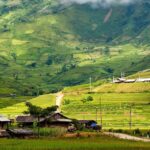
Day one is the heart of the trek. After lunch, you start at Y Linh Ho and work your way through rice terraces toward Lao Chai and Ta Van. This is a 6km trek that takes about 3.5 hours, which is a meaningful walk but still manageable for most people who aren’t looking for a steep mountain grind.
The route also includes time near the Muong Hoa Stream, which helps break up the trek with a bit of changing scenery. You’ll feel the rhythm of rural Sa Pa here: farm fields, narrow paths, and the kind of views that make you stop without anyone having to point at a landmark.
Cultural payoff is built into the movement. Lao Chai and Ta Van are home to the Day ethnic people, and the overall point is less about ticking boxes and more about seeing farming communities up close. Your guide approach matters here. When the day is run well, it doesn’t feel like you’re just passing through; it feels like you’re moving through the places where people actually live and work.
You’ll finish the trekking day and head to your stay by late afternoon, with homestay check-in around 5:45pm. That timing is important. It gives you enough day light to enjoy the walk, then a smooth transition into evening life with hosts instead of scrambling for dinner at the last second.
Homestay Night: Dao Village Life with the Basics Covered
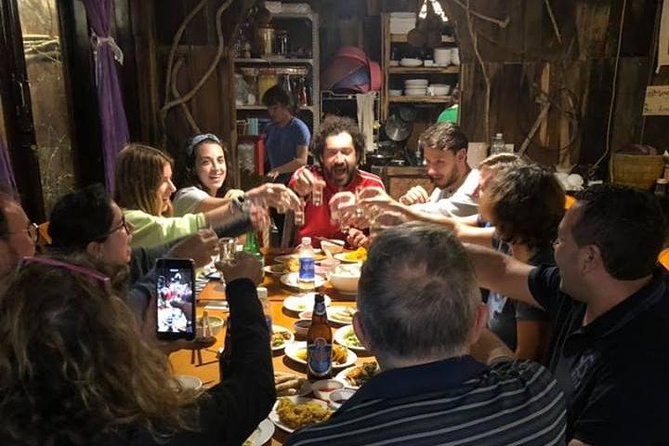
Overnight is a Dao homestay. That word can mean very different things in Vietnam, so here’s what you can take from how this trip is set up: you’re not just sleeping in a random room while everything else is handled elsewhere. The experience is designed to place you among locals while still keeping real-world needs in mind.
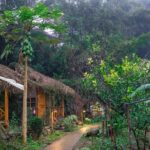
The tour description emphasizes living among local people but still having modern necessities. In practice, that usually translates to a simple but functional setup—somewhere you can wash, eat, and rest without feeling cut off. The dinner is included, which matters because after a full trekking day, searching for food on your own can be exhausting.
One note from the operator’s own communication: they’ve referenced stays in a brand new ecolodge/bungalow setting for some similar homestay combinations. That suggests you may see some variance in lodging style, depending on what’s available at the time of your trip. Either way, the intent stays the same: a night that feels tied to the local community, not just a bed near town.
Also, since the group is capped at 10 travelers, your homestay night is more likely to feel calm. Large groups can turn village visits into short stops. Smaller groups usually mean more patience, more questions, and less rushing.
Day 2: Giang Ta Chai via Bamboo Forest and a Bridge Exit
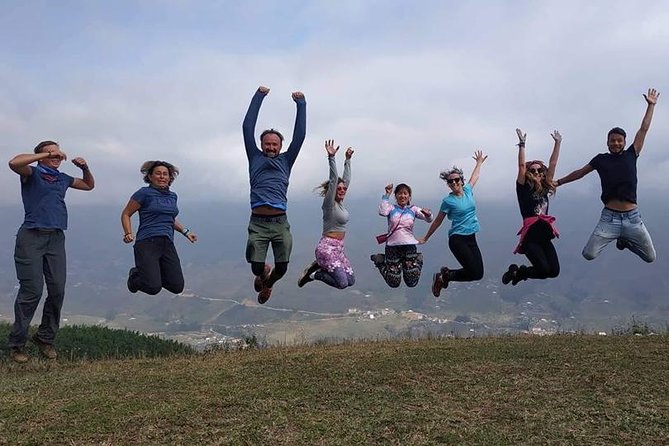
Day two starts with breakfast at 8:00am, then you begin walking again at 8:45am. The second trek is 4km and takes about 2 hours, which makes it a “medium” day compared to day one. If day one feels long, day two is the built-in breather.
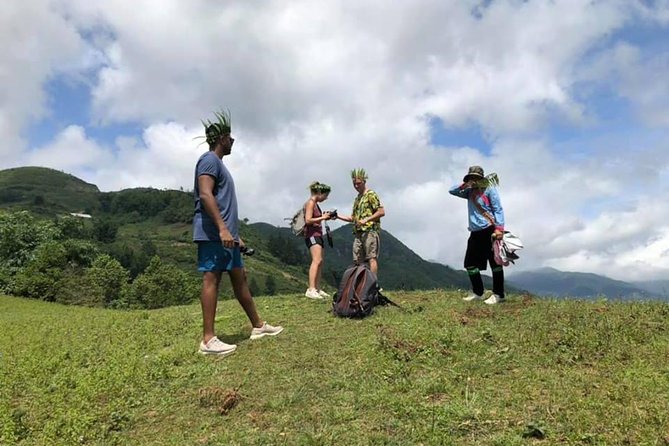
You’ll continue trekking through rice paddies and into a bamboo forest area on the way to Giang Ta Chai village. This village is home to the Red Dao people. The route again is about movement through daily life, not just a scenic highlight. Rice paddies and bamboo groves are the kind of Sa Pa details that look good in photos but feel better when you’re walking past them at walking speed.
Around 11:00am, you’ll trek through Giang Ta Chai Bridge to reach the main road, where the bus picks you up back to Sapa Town. That bridge segment is a nice pacing tool. You’re still in “trek mode,” but you can feel the end approaching. It’s also a good mental cue: you’re not stuck walking until dark.
Back in town, you get a bit of downtime. Between 12:00 and 13:00, you can shower, have lunch, and enjoy some leisure time. Then at 13:30, you meet and travel back to Hanoi by bus.
The tour ends with an arrival around 8:30pm at the bus station in Hanoi. That return time matters for planning your night in Hanoi. If you need to catch a late flight or another tour afterward, you’ll want to keep buffer time.
Pace and Physical Reality: What the Distances Mean for You
Let’s talk walking expectations in plain terms.
- Day 1: 6km, about 3.5 hours
- Day 2: 4km, about 2 hours
That’s a solid two-day trek for people who can handle several hours of walking across uneven paths. The good news is the route is not described as a technical climb. It’s more about trails through farming areas and villages.
Still, your comfort depends on gear. If you wear fashionable sneakers with poor grip, you’ll regret it. Bring shoes that handle dirt paths and potential wet spots. Also, pack light but include a rain layer. In northern Vietnam, weather changes can happen fast, and trekking days don’t pause for weather.
The phrase most travelers can participate is a good indicator that the group isn’t only for hardcore hikers. But participation still means you’ll be walking. If your idea of relaxation is mostly flat sightseeing, this might feel like work.
You can also read our reviews of more tours and experiences in Hanoi
- Doris Cruise 5 star cruise 2 days visiting Halong Bay Lan Ha Bay private balcony
★ 5.0 · 2,338 reviews





Meals Included: Getting Fed without Worrying Every Meal
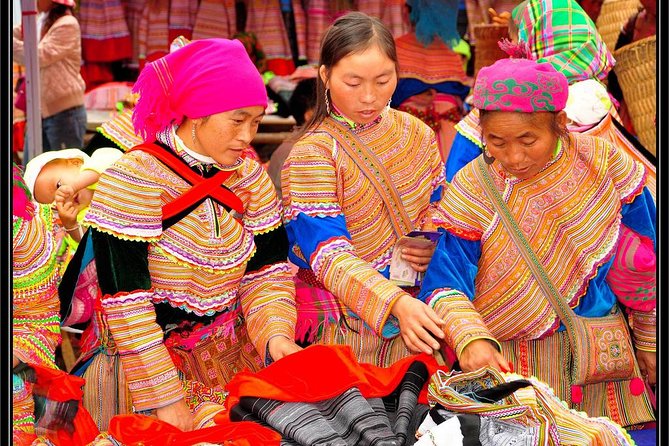
This trip builds meals into your schedule, so you don’t have to make constant food decisions.
Included meals are:
- Dinner (day one)
- Breakfast (day two)
- Lunch twice (during the itinerary)
Having food included makes a trek feel smoother. You’ll know when you’ll eat and you won’t lose time negotiating for a meal after a long walk. Lunch on day one happens right after you arrive in Sa Pa, and day two lunch comes after the return to town and your shower time.
You should expect drinks and personal expenses are not included. That’s common, but it matters if you drink more than water. Bring cash if you plan to buy snacks during town time.
Price and Value: Is $116.93 Fair for This 2D1N Plan?
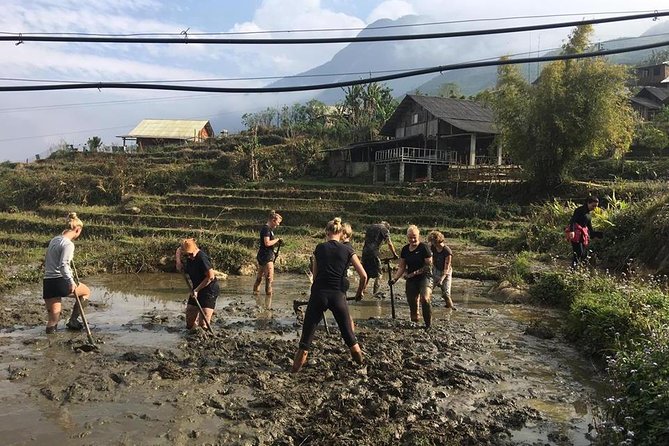
At $116.93 per person for about 2 days, you’re paying for a bundle: Hanoi-to-Sa Pa transport, guided trekking through villages, meals, and an overnight stay in the Dao area.
Is it cheap? Not really. But trekking in Sa Pa done responsibly costs real money because you’re not just paying for a guide—you’re paying for transport, meals, and local hosting. What makes the price feel more reasonable here is that the trek isn’t a token short loop. You’re walking 6km and 4km across two days, with rice terraces and village visits woven into the route.
Where you get good value is in the way the schedule reduces stress:
- You don’t have to plan how to connect Hanoi and Sa Pa with trekking days
- You don’t have to manage meals across two long walking days
- You don’t have to arrange an overnight homestay on your own
If your alternative is doing the same trekking effort with separate bookings, this package can save time and planning energy. If you want maximum comfort and zero walking, you may find better value elsewhere. But if you want real Sa Pa life, this price is in the reasonable range for a guided 2D1N experience.
Small Group Energy and Human Support
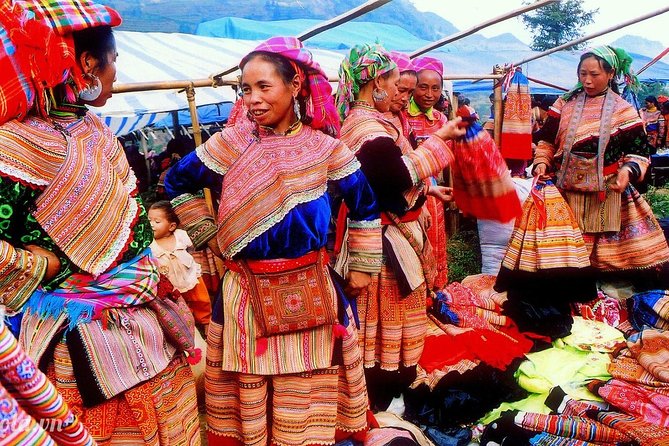
This tour caps the group at 10 travelers. That’s a sweet spot. Big groups can turn a village walk into a conveyor belt. Small groups usually mean your guide can keep an eye on the trail pace and answer questions along the way.
Also, you get mobile ticket access, which is a modern convenience. You don’t have to worry about printing. You’ll also get confirmation within 48 hours of booking, based on availability.
The operator’s customer care shows up in the kinds of comments people have shared: Huong and associates have been described as going above and beyond to make guests comfortable, with Julia from Compass Travel supporting families through the trip. That kind of support is what you want when you’re doing a trek where small logistics matter.
Finally, the meeting point is in a central Hanoi area near public transport, so it’s easier to position yourself the morning you leave.
What to Expect When You Join: Your Best Fit
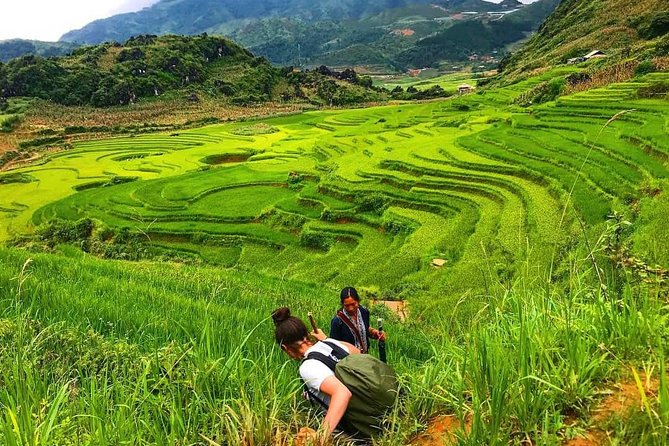
You’ll get the most out of this tour if you:
- Like walking enough to earn your views
- Enjoy village life and farming scenery
- Want to see Sa Pa in a more local, less crowded way
- Prefer a plan where meals and lodging are handled for you
You might not love it if you:
- Want only town lounging time (the schedule is trek-forward)
- Have limited mobility and can’t handle 2–3 hours of walking on day one
- Plan to fit lots of other commitments in Hanoi right after arrival, since day one’s early departure and day two’s return bring a late finish around 8:30pm
Should You Book This Sa Pa 2D1N Unique Route Trek?
I’d book it if you want a real Sa Pa experience that mixes rice terrace scenery, village communities, and a homestay night—without needing to stitch together transport, trekking, and food on your own. The route distances make it feel like an actual trek, not a short “photo walk,” while day two stays friendly enough to recover before you head back to Hanoi.
I wouldn’t book it if you’re chasing a low-effort itinerary, because the schedule includes meaningful walking both days and a long travel day both ways. But if you’re the type who likes to feel the place on foot, this tour is a strong value use of time in northern Vietnam.
FAQ
Where does the tour start in Hanoi?
It starts at 204 Đ. Trần Nhật Duật, Phố cổ Hà Nội, Hoàn Kiếm, Hà Nội, Vietnam with a 6:30am start time.
What time do we arrive back in Hanoi?
The tour returns to Hanoi by bus and ends with arrival around 8:30pm at the Hanoi bus station.
How long is the trekking in total?
Day one includes a 6km trek (about 3.5 hours). Day two includes a 4km trek (about 2 hours).
What villages do you visit during the trek?
On day one, you trek through Lao Chai and Ta Van (Day ethnic people). On day two, you visit Giang Ta Chai (Red Dao people).
Is there an overnight stay included?
Yes. You stay overnight at a Dao homestay on day one.
What meals are included?
The tour includes dinner, breakfast, and two lunches.
What is the group size limit?
This activity has a maximum of 10 travelers.
Is a mobile ticket provided?
Yes, the tour includes a mobile ticket.
When do I get confirmation after booking?
Confirmation is received within 48 hours of booking, subject to availability.
Is travel insurance included?
No. Insurance is not included, and drinks and personal expenses are also not included.
You Might Also Enjoy


More 2-Day Experiences in Hanoi
- Doris Cruise 5 star cruise 2 days visiting Halong Bay Lan Ha Bay private balcony
★ 5.0 · 2,338 reviews