REVIEW · CAT BA
Lan Ha – Ha Long Bay – Dau Be island 2D/1N from Cat Ba in less touristy areas.
Book on Viator →Operated by Cat Ba Ventures · Bookable on Viator
Lan Ha feels like Halong without the crush. What makes this 2D/1N cruise special is that it starts from Cat Ba, then targets quieter water, caves, and beaches on a tight schedule that still feels relaxed. You’ll spend time in both Lan Ha Bay and Ha Long Bay territory, plus you get real paddling time—not just sit-and-look.
I love the focus on active, hands-on scenery: kayaking through lagoons and tunnels around Ba Ham Lake with gear provided. I also like the practical food setup for a 2-day cruise: four meals (breakfast, dinner, and two lunches) plus fruit and drinking water, so you’re not chasing snacks all day.
One thing to consider: the boats can vary, and some cabins may feel a bit tired for an overnight. Also, drinks aren’t included, so if you drink a lot, budget a little extra.
In This Review
- Quick highlights
- Why this Cat Ba cruise feels quieter
- Price and what you actually get for $170.16
- Getting on the water: timing, transfers, and how the flow works
- Lan Ha Bay on day 1: caves, fishing village life, and karst views
- Ba Ham Lake kayaking: lagoons, tunnel passages, and swim time
- Dau Be Island and Ba Trai Dao Beach: the calm after the waterwork
- Halong Bay side on day 2: Cong Tau lagoon and Tien Ong Cave
- Overnight on the junk: cabins, windows, and the night rhythm
- Food on board: four meals, fruit, and water that keeps you going
- Guides matter: why Ben, Jack, Hang, Tony, Tom, Danny, and Bee show up
- What to pack for caves and kayaking in Ha Long and Lan Ha
- Weather and sea conditions: when plans shift
- Who should book this 2 days 1 night from Cat Ba
- Should you book it?
Quick highlights
- Cat Ba start means more time on the route, and usually fewer big-tour crowds on the sights
- Kayak gear included: dry bag, headlamp, and snorkel gear help you do the cave and water activities
- Dark Cave and Bright Cave add a real change of pace from just cruising
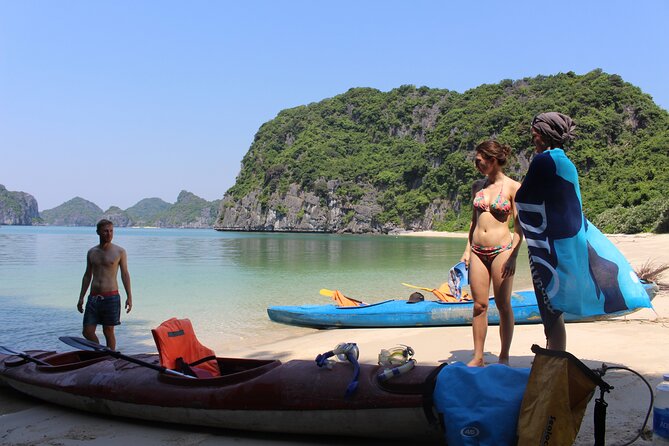
- Dau Be Island and Ba Trai Dao Beach give you a break that feels local and open
- Small group (max 18) helps you stay in the water action without getting stuck behind everyone
Why this Cat Ba cruise feels quieter
Starting from Cat Ba is the big reason this trip feels different. Many Halong-style overnights pick up from Ha Long City, then push into the main viewpoints. Here, you’re coming from Cat Ba island first, then moving through less tourist-heavy sections of the bay system.
That changes the day-to-day vibe. You get a longer cruise, yes. But you also tend to arrive at key lagoon areas with fewer boats around. The itinerary is built around that idea: caves, lagoons, and shore time that you can actually enjoy instead of squeezing through a crowd.
If you’re the type who hates being herded, you’ll like the small-group size. With a maximum of 18 people, the timing for kayaking and beach breaks feels more manageable.
You can also read our reviews of more tours and experiences in Cat Ba

Price and what you actually get for $170.16
At $170.16 per person, the honest value depends on what you’re comparing it to. This one includes a lot that day tours often charge extra for: entrance fees, meals, and the water-activity kit.
You get:
- Breakfast (1), dinner, and two lunches (4 meals total)
- Fruit and drinking water
- Kayak, dry bag, headlamp, and snorkel gear
- Entrance fees
Not included:
- Drinks
So the money isn’t just paying for a boat. You’re paying for guided access to caves and shore stops, plus paddling time with the gear you need. That’s where the value shows—especially if you’re skipping a separate kayak rental in Cat Ba.
Getting on the water: timing, transfers, and how the flow works
This tour starts at the office at 223 Một Tháng Tư, TT. Cát Bà, Cát Hải, Hải Phòng with a 11:30 am start time. From there, you’ll do a short minibus transfer (about 5 minutes) to the pier.
Day 1 begins on the boat and runs long enough that you’ll feel like you’ve “done something” even though the day starts in the late morning. The schedule also includes the kind of movement that comes with a multi-zone bay day: you’ll switch between areas and activities instead of staying in one small stretch.
One more practical note: you can’t treat this like a simple half-day excursion. It’s a full 2 days, and the pacing is designed so you’re not sitting idle the whole time. If you hate early starts, you’ll appreciate the later pickup. If you hate long days, you’ll want a relaxed mindset.
Lan Ha Bay on day 1: caves, fishing village life, and karst views
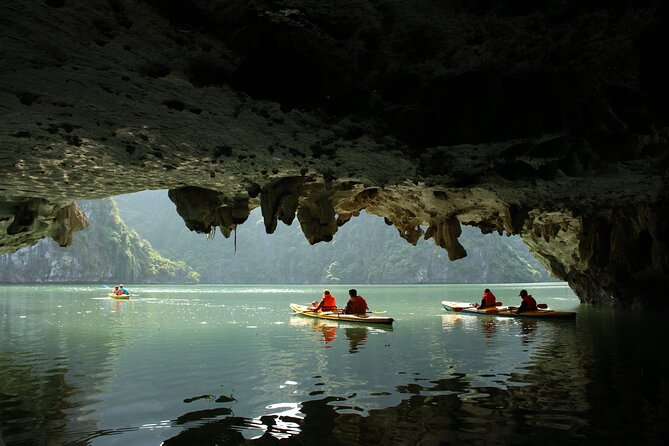
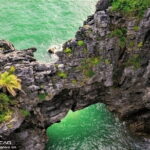
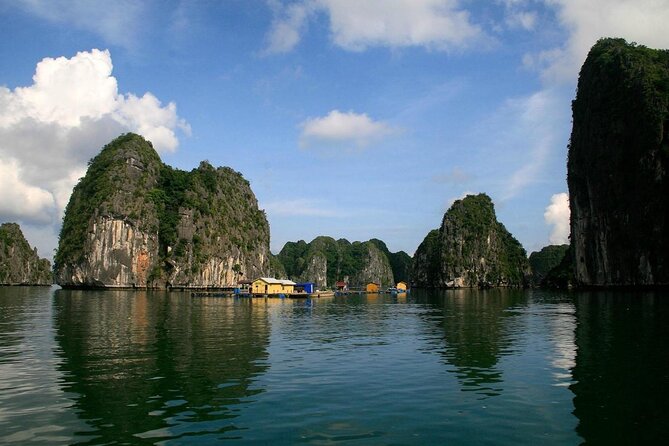
Day 1 is built around the Lan Ha side, and it’s where you get the classic bay feeling—limestone karsts rising out of calm water, with smaller local areas instead of the biggest highlight zones.
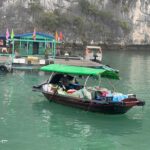
You start with cruising in Lan Ha Bay and then shift into activities that make the scenery more than a photo opportunity. The itinerary includes a floating fishing village stop, plus Dark Cave and Bright Cave.
Here’s what those caves add for you:
- Dark Cave is the “switch modes” moment. You’ll have a headlamp, which matters because cave lighting is the whole point.
- Bright Cave feels like the contrast. You’re not just moving deeper underground—you’re also getting that change from enclosed passage to open light.
A solid plus: these stops break up the day. Instead of one long boat segment, you get short activity chunks that keep everyone engaged.
Possible drawback: caves and water activities depend on conditions. If the day is rougher, expect adjustments. The tour is set up for good weather, so when conditions are poor, you’ll get the kind of rerouting or date change mentioned in the experience info.
Ba Ham Lake kayaking: lagoons, tunnel passages, and swim time

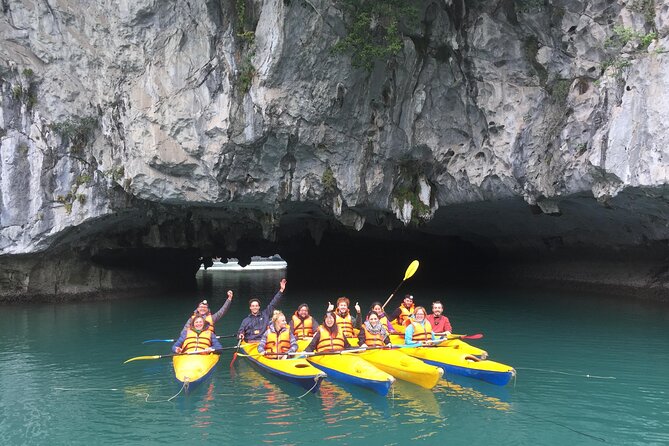
This is the part most people remember, and it’s the heart of the “Lan Ha kayaking” idea. The tour includes kayaking through the lagoons and tunnels of Ba Ham Lake, and you’ll do it with equipment designed for the job.
You’ll have:
- Kayak access
- A dry bag (very helpful for keeping phones and small bags safe)
- A headlamp (especially useful for cave-like sections)
- Snorkel gear (included, even if you end up using only parts of it)
What makes Ba Ham Lake special in practice is the feeling of variety. You’re not just paddling in open water. You’re moving through narrow sections and tunnel-like passages where the karst rock shapes the route. That changes your experience from “tourist cruise” into something closer to water exploration.
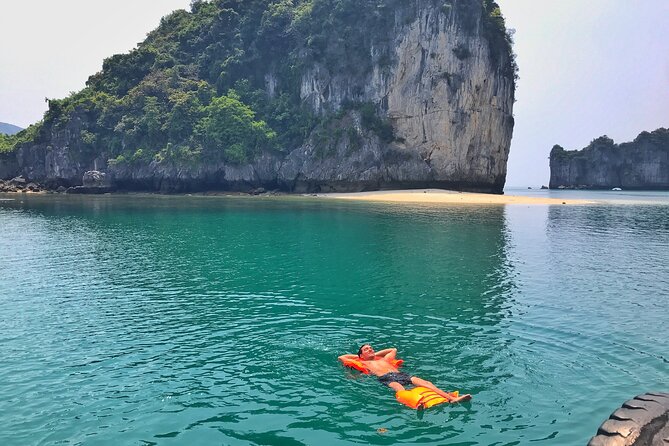
Swimming shows up too, and it’s usually the best “reset” in between kayaking. If you’re hoping for at least one moment that feels like a beach day, this is where it fits.
One consideration: kayaking is active. Even if you’re not a big athlete, you should be comfortable spending time in the water. The pacing is guided and organized, but it’s still paddling.



Dau Be Island and Ba Trai Dao Beach: the calm after the waterwork
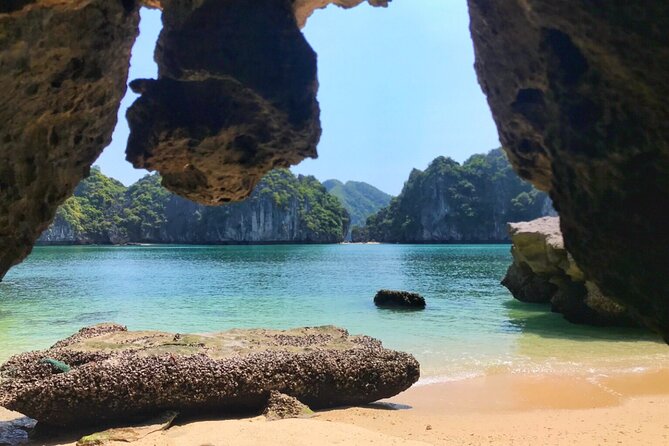
After day 2 breakfast, the route keeps moving, and Dau Be Island is one of the main reasons you do this overnight rather than a fast day cruise. You’ll also have time to relax at Ba Trai Dao Beach.
Why this matters:
- You get a break from rock tunnels and cave lighting.
- You can stretch, rest, and reset with a slower rhythm.
- Shore time makes the whole cruise feel more balanced, not just activity after activity.
This is the kind of stop that’s easiest to enjoy when you’ve already been awake and active. If you tried to add Dau Be Island as an extra after a hectic itinerary, it wouldn’t feel as good. Here, the cruise rhythm is designed so you reach the beach when you’re ready for it.
And if you’re into wildlife spotting, keep your eyes open. On past runs of this style of cruise, monkeys have been seen around the routes, so it’s worth a quick scan when the boats edge near shore.
Halong Bay side on day 2: Cong Tau lagoon and Tien Ong Cave

Day 2 starts after breakfast with more cruising, including the Cong Tau lagoon area—another zone that tends to feel quieter than the busiest viewing funnels. This is the segment that connects Lan Ha’s quieter tone back to Ha Long’s wider recognition.
One of the featured stops is Tien Ong Cave. This cave matters because it’s not just another “walk inside.” It’s part of the trip’s overall balance of:
- open-water scenery from the boat
- enclosed cave sections with provided lighting
- kayaking routes where you feel the water movement under you
After Tien Ong Cave, you continue toward Dau Be Island and your beach time, and the day stays structured so you’re not stuck waiting around on board.
If you’re deciding between a one-night and a two-night, a two-day plan tends to give you more breathing room between the main activity moments. You get at least one full reset day segment plus a second day that doesn’t feel like a rushed goodbye.
Overnight on the junk: cabins, windows, and the night rhythm
This cruise is a 2 days / 1 night format, and you’ll sleep on board. The overnight setup is a big part of what makes it feel like a real experience rather than a day trip plus an awkward late-night return.
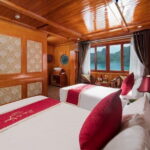
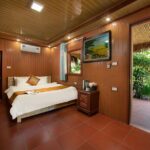
From guide-and-crew feedback on these itineraries, the cabins are generally described as clean and comfortable, with rooms sized for a restful night. Many rooms also include windows that let you watch the karst and water right from your bed area.
You also get the classic overnight rhythm:
- dinner on the boat
- time for sunset views from the deck
- sunrise moments the next morning
That deck time is more than romantic. It’s practical for photos and for absorbing the bay without being in a kayak harness or cave gear.
Just keep expectations flexible about the boat itself. Some boats used on these routes are older, and a “tired” feel has shown up in feedback before. The company still runs a well-organized trip, but if your top priority is new furniture and spotless finishes, you might want to mentally grade the boat experience as functional rather than luxury.
Food on board: four meals, fruit, and water that keeps you going
Food is one of the strongest parts of the overall value. You’re included for breakfast, dinner, and two lunches, plus fruit and drinking water.
The usual pattern works well for this itinerary:
- lunch helps you power through caves and cruising without worrying about where to eat
- dinner gives you a proper sit-down meal after paddling
- breakfast sets you up for the second day’s cave and lagoon areas
You should expect normal Asian cruise meals. Some people with Western preferences describe the food as fine and tasty rather than fancy. Still, “enough food” is the key theme, and that matters when you’ve been on water all day.
If you have dietary needs, the only thing you can do from the info here is ask ahead. The data confirms vegetarian food has been handled in family setups, but details like how many options are available aren’t stated. Better to ask during booking.
Guides matter: why Ben, Jack, Hang, Tony, Tom, Danny, and Bee show up
This trip runs with a small group and a guide who keeps the pacing under control. The guide names you might see on these cruises include Ben, Jack, Hang, Tony, Tom, Danny, and Bee, and the thread that connects them is attention to timing and explanation.
What this means for you in real life:
- You get clearer context for where you’re going and what you’re seeing.
- The time on the water feels less like waiting and more like you understand what’s around you.
- Some guides bring light humor and personality, which helps if you’re sharing the boat with people who prefer a lively pace.
English support is also commonly highlighted. That matters in caves and on kayaking routes, where safety instructions and quick explanations need to land fast.
What to pack for caves and kayaking in Ha Long and Lan Ha
You’ll be provided with key gear for water activities: kayak, dry bag, headlamp, snorkel gear, plus entrance fees. That means you don’t need to bring your own snorkeling kit or a flashlight.
Still, you’ll want to pack for comfort:
- Quick-dry clothes for kayaking and any swim time
- A light layer for when the air feels cooler on deck
- Non-slip footwear you don’t mind getting wet
- A dry bag or small pouch for personal items if you’re particular about phone safety (the tour’s dry bag helps, but it’s nice to keep your system consistent)
If you’re sensitive to cold water, you might find it helpful to have something that dries fast afterward. The itinerary includes water time, and your comfort depends on how quickly you can get dry.
And remember: caves mean you’ll be moving in a dark-to-light environment. Having your hair tied back and sunglasses secured can save you small hassles.
Weather and sea conditions: when plans shift
This experience requires good weather. If the cruise can’t run due to weather, you’ll be offered a different date or a full refund. That’s important for a bay itinerary because rough conditions affect both kayaking and cave timing.
What you should do on your side:
- Don’t schedule anything tight immediately after the cruise end time.
- If you’re visiting in a period known for sudden changes, keep some flexibility.
Even when weather is decent, sea motion can affect how you feel in caves and on deck. If you’re prone to motion sickness, you may want to plan ahead (and bring whatever you normally rely on).
Who should book this 2 days 1 night from Cat Ba
Book this if you want:
- Less-crowded bay time by starting from Cat Ba
- A mix of cruising plus real kayaking through lagoons/tunnels
- Caves (Dark Cave, Bright Cave, and Tien Ong Cave) paired with beach time
- Included meals so you can focus on the bay, not on searching for food
Skip it (or reconsider) if:
- You expect brand-new boat comfort for an overnight
- You’re the type who hates being in the water or doing active paddling
- You mainly want a simple scenic cruise with zero caves and minimal movement
For solo travelers, this style can work well because the group size stays small. You may need to share a cabin unless you choose an option for a private room, which has been mentioned as available for an extra fee.
Should you book it?
Yes—if your goal is a quiet, active Lan Ha and Ha Long experience that includes kayaking, caves, and Dau Be Island without feeling like you’re stuck behind tour crowds.
If you care most about the newest boat interior and you’d rather avoid any chance of an older cabin feel, then temper expectations. But for most people, the combination of quieter routes, included gear, and the mix of caves, lagoons, and beach time makes this one of the more sensible ways to see this part of Vietnam’s bay system over two days.
It’s the kind of trip where you’ll come back thinking less about checkmarks, more about moments: paddling through narrow water passages, the light shifts in caves, and that beach reset on Dau Be.