REVIEW · WORKSHOPS
Hanoi Tea Workshop: Specialty Fresh Lotus Tea from West Lake
Book on Viator →Operated by Hanoi Coffee Workshop: Make Taste 5 Signature Brews+History Story by Su Quan Roastery · Bookable on Viator
Lotus tea turns a simple cup into a ritual. In this Hanoi workshop, I love the West Lake lotus tea focus and the hands-on brewing practice that helps you taste the difference, not just sip politely. I also like that a portion of what you pay supports children’s education at their farm. The main consideration: fresh lotus is seasonal, so what’s available (and how it tastes) can shift with harvest time.
You’ll start at Su Quan Roastery in Ba Đình, then spend about two hours learning how Trà Sen Hồ Tây—the Hanoi specialty—gets its fragrance the old-school way. This isn’t factory flavoring. It’s a patient process that uses real lotus and real care.
If you like food and drink with a story you can actually use, this class fits. If you only want a quick, casual tasting with no instruction, you might find it a bit more structured than you expected.
In This Review
- Key things to know before you go
- What you’re really learning: Trà Sen Hồ Tây, explained simply
- Your 2-hour plan at Su Quan Roastery (and why the flow works)
- Step 1: Arrive, settle in, and start with a welcome drink
- Step 2: Guided lotus tea tasting (premium West Lake style)
- Step 3: Tea brewing practice you can repeat later
- Step 4: Cultural Q&A and optional certificate
- The lotus craft behind the fragrance (what makes it labor-intensive)
- How to taste lotus tea like you actually mean it
- Value check: $23 for tea, snacks, practice, and a PDF
- Who this workshop is for (and who might skip it)
- What I take from the quality signals (from their teaching style)
- Practical tips for getting the most out of your visit
- Should you book Hanoi Tea Workshop: Specialty Fresh Lotus Tea from West Lake?
- FAQ
- FAQ
- How long is the Hanoi lotus tea workshop?
- What does the workshop cost?
- Where does the workshop start in Hanoi?
- Is fresh lotus guaranteed for the tea?
- What’s included besides the tea tasting?
- Is it a small group experience?
- Is there any help with luggage?
- Can I cancel for a full refund?
Key things to know before you go
- Real lotus, not artificial scent: the fragrance is naturally infused into green tea using a labor-heavy method.
- Expect seasonality: fresh lotus can vary depending on harvest timing.
- You get guidance, not just samples: you’ll taste, practice brewing, and get a PDF with Vietnamese brewing notes.
- It’s kept small: maximum group size is 20, so Q&A is more likely to land where you want it.
- Local comfort included: a welcome herbal drink and traditional Vietnamese snacks come with the tea tasting.
- A meaningful bonus: part of the experience supports children’s education at their farm.
What you’re really learning: Trà Sen Hồ Tây, explained simply
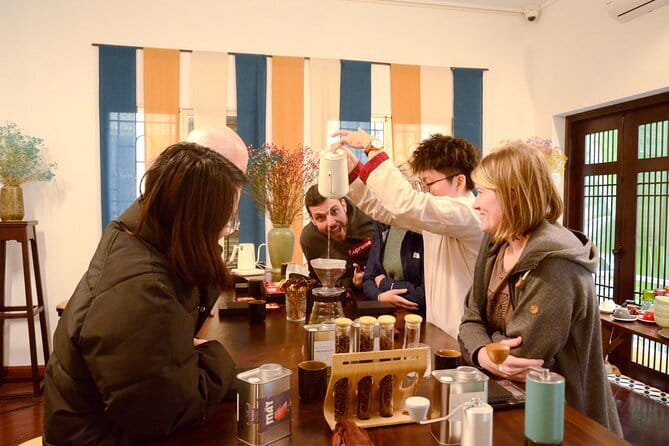
Hanoi’s West Lake lotus tea (Trà Sen Hồ Tây) is famous for one thing: the scent. But the key point is how that scent shows up.
Instead of adding flavoring, the traditional approach relies on lotus fragrance naturally transferring to green tea. The tour description even puts a number on the labor behind it: it takes over 1,000 fresh lotus flowers to make just one kilogram of tea. That matters because it explains why this tea isn’t cheap in the usual “tea is tea” way. It’s a seasonal craft.
In practice, this workshop is trying to teach you how to notice the tea’s character. Fresh lotus notes are delicate and they don’t behave like candy-sweet “flavor.” You’ll get a chance to taste the tea and then connect that taste to the process you learned.
I also appreciate that the workshop frames the tea as living heritage—something preserved through patience and respect for nature—rather than a trendy souvenir drink.
You can also read our reviews of more tours and experiences in Hanoi



Your 2-hour plan at Su Quan Roastery (and why the flow works)
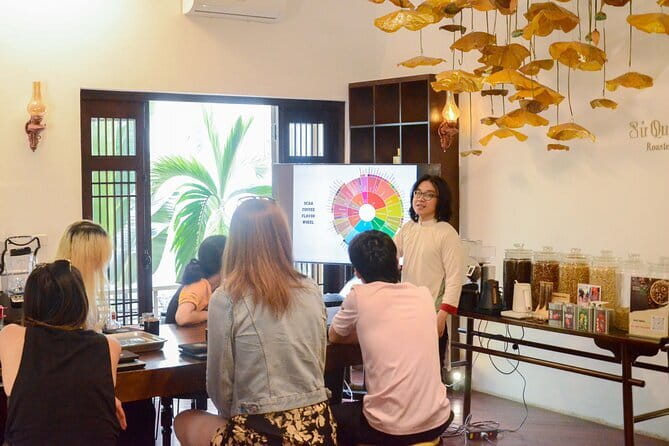
This experience runs about 2 hours and it’s built around a simple rhythm: warm-up, guided tasting, hands-on brewing, then Q&A.
Step 1: Arrive, settle in, and start with a welcome drink
You’ll begin at Su Quan Roastery at 75/173 Đ. Hoàng Hoa Thám (Ba Đình). The class starts with a welcome herbal drink plus traditional Vietnamese snacks.
That may sound minor, but it’s a good move. Tea tasting is sensitive. If you’re hungry or you have strong coffee in your stomach, you won’t catch subtleties. Snacks and a gentle drink help you focus on aroma and finish instead of reacting to an empty stomach.
Step 2: Guided lotus tea tasting (premium West Lake style)
Next comes the tasting portion: fresh lotus tea tasting plus a premium West Lake lotus tea tasting.
You’re not just being handed cups. The format is guided, with cultural storytelling and Q&A built in. That storytelling is where the workshop usually earns its keep. The tea is tied to Hanoi’s slow rhythm and craft culture, and the guide’s job is to make the process understandable—so the cup doesn’t feel like a mystery.
Step 3: Tea brewing practice you can repeat later
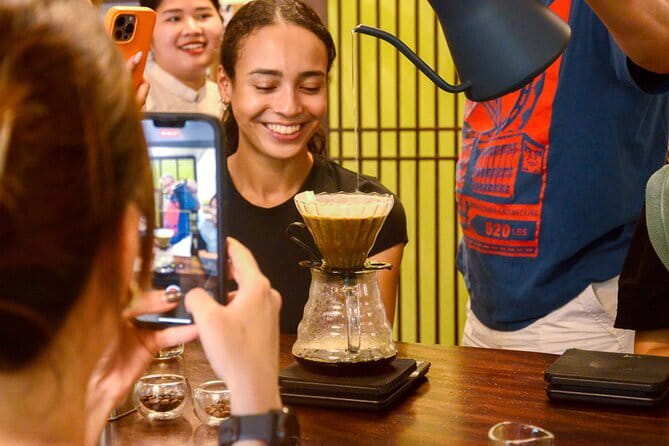
After tasting, you’ll do tea brewing practice. This is the part I’d call the “useful” section of the experience.
If you only taste, you leave with a pleasant memory. If you practice, you can reproduce something at home—assuming you have decent tea and can mimic the steeping approach. The included PDF for Vietnamese Lotus Tea brewing is there for exactly that reason. You’re meant to take the method forward, not just take a photo.






Step 4: Cultural Q&A and optional certificate
Finally, you’ll wrap up with more Q&A. There’s also a certificate available if you request it.
The certificate isn’t the point for me, but it signals something about the workshop’s intent: they treat this as a real learning session, not only a casual tasting.
The lotus craft behind the fragrance (what makes it labor-intensive)

Here’s the heart of the workshop: lotus flowers aren’t just garnish. They’re part of the infusion method.
The tour description notes the process uses over 1,000 fresh lotus flowers per kilogram of tea. That tells you two practical things:
- Freshness and timing matter. You can’t force lotus fragrance out of season.
- The “taste” you get is seasonal reality, not a constant product. That’s why the tour specifically warns that seasonal elements (fresh lotus) may vary depending on harvest time.
So when you drink the tea here, you’re tasting what the craft allows at that moment in the year. It’s more like seasonal fruit than a year-round commodity.
Also, because lotus tea is a delicate scent, it can be easy to overthink it. I like that this workshop frames it as natural infusion instead of magic. It encourages you to pay attention to aroma and how the cup changes as it cools—without requiring you to become a tea nerd overnight.
How to taste lotus tea like you actually mean it
You’ll likely taste more than one tea during the workshop (fresh lotus tasting and a premium West Lake tasting). With lotus tea, small differences are real, but you don’t need a lab.
Here’s what to focus on while you’re tasting:
- Fragrance first: lotus scent often hits before the flavor fully settles.
- Green tea base: look for the tea’s calm character beneath the floral note.
- Finish: notice whether the aroma feels clean and lingering or heavier and muted.
- Temperature changes: many teas smell different as they warm and cool.
The brewing practice helps you connect these tasting moments to what’s happening in the cup. The PDF afterward is your reminder sheet so you don’t lose what you learned the next day when real life kicks in.
Value check: $23 for tea, snacks, practice, and a PDF
At $23 per person, the workshop sits in a price range that’s reasonable for a guided, hands-on food and drink class. But the value isn’t only the tea.
You’re getting:
- a welcome herbal drink
- traditional Vietnamese snacks
- fresh lotus tea tasting plus premium West Lake tasting
- guided lotus tea workshop and tea brewing practice
- cultural storytelling and Q&A
- a certificate if requested
- a PDF with Vietnamese lotus tea brewing notes
- luggage keeper service up to 3 days
That last point—luggage keeper—can quietly raise the value if you’re moving around Hanoi and don’t want to haul bags all day. The tour doesn’t advertise it as a headline, but it’s exactly the kind of small service that can make your day smoother.
One more value angle: the workshop is tied to a farm education support piece. You’re paying for craft instruction, but part of your fee is meant to support children’s education. If that matters to you, it’s a bonus beyond the cup.
Who this workshop is for (and who might skip it)
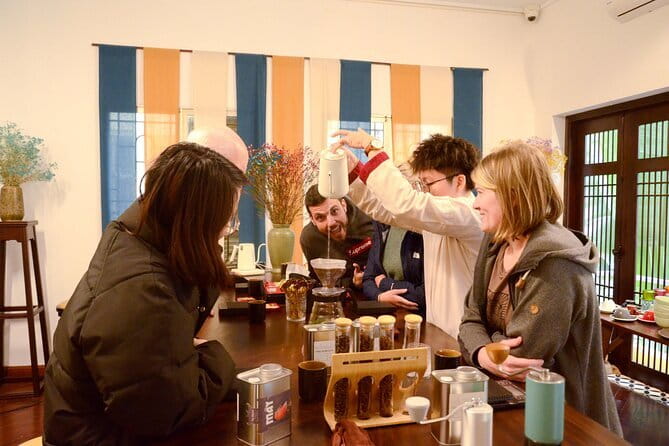
This class is a strong fit if you:
- love Vietnamese food and want a drink experience with actual technique
- enjoy small-group settings (maximum 20) and Q&A
- want something different from Hanoi’s usual coffee-first routine
- like learning how to make something, not only tasting it
You might skip it if you:
- only want a quick drink without instruction
- dislike tea or aren’t interested in scents and subtle flavor changes
- are traveling at a time when harvest conditions mean the freshest lotus elements may be limited (seasonality is real here)
What I take from the quality signals (from their teaching style)
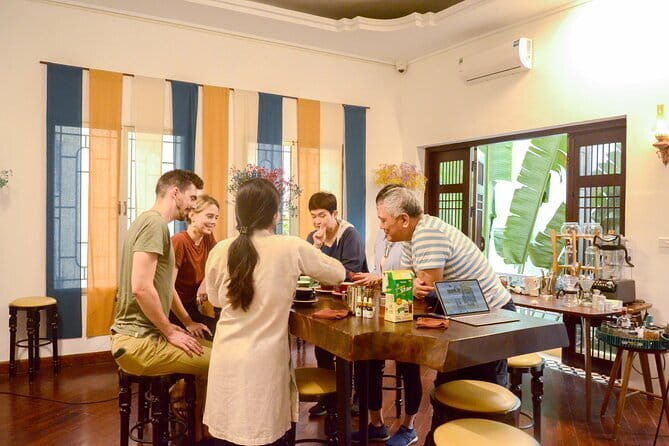
The clearest pattern from feedback about Su Quan Roastery style is that instruction tends to be patient, friendly, and structured. People often praise mentors for clear explanations and for taking time with demonstrations rather than rushing through.
In the lotus tea workshop context, that translates to a good experience if you’re the type who asks questions or wants the guide to slow down. The presence of cultural storytelling and Q&A supports that teaching approach. You’re not just sampling; you’re being taught to notice.
If you prefer hands-on learning, the brewing practice plus the PDF is a strong sign you’ll leave with something practical.
Practical tips for getting the most out of your visit
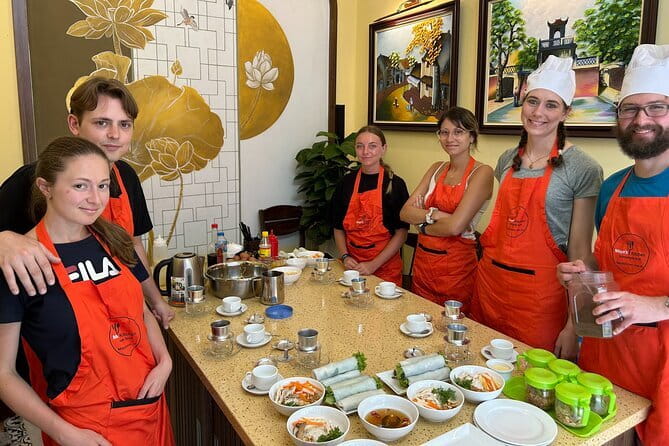
A couple of simple things will make the session easier and more rewarding.
First, go with room in your senses. If you’ve had multiple coffees today, your palate and nose may feel overloaded. A light appetite helps you enjoy the herbal welcome drink and snacks.
Second, ask questions while you’re still in the room. Lotus tea’s scent can feel abstract until you connect it to what you’re learning about infusion and seasonal ingredients.
Third, take the PDF seriously. It’s included for a reason. If you only take photos, you’ll forget the steps. If you use the notes afterward, you’ll actually carry the experience home.
Should you book Hanoi Tea Workshop: Specialty Fresh Lotus Tea from West Lake?
I’d book it if you want a calm, skills-based Hanoi food experience tied to West Lake tradition. The value stack is strong: tasting plus brewing practice, snacks and a welcome drink, small group size, and a PDF you can use later. The seasonality warning is the only real downside, but it’s also part of why the tea feels alive.
If you’re in Hanoi when lotus is in season and you enjoy aromas, this is a lovely class to add to your schedule. If you’re only seeking something fast or you dislike tea scents, you might find it less satisfying.
FAQ
FAQ
How long is the Hanoi lotus tea workshop?
The experience lasts about 2 hours.
What does the workshop cost?
It costs $23.00 per person.
Where does the workshop start in Hanoi?
You’ll meet at Su Quan Roastery, 75/173, Đ. Hoàng Hoa Thám, Ngọc Hồ, Ba Đình, Hà Nội 100000, Vietnam.
Is fresh lotus guaranteed for the tea?
Fresh lotus is part of the experience, but seasonal elements may vary depending on harvest time.
What’s included besides the tea tasting?
You get a welcome herbal drink, traditional Vietnamese snacks, fresh lotus tea tasting, guided lotus tea workshop, premium West Lake lotus tea tasting, tea brewing practice, cultural storytelling & Q&A, plus a certificate if you request one. A PDF for Vietnamese Lotus Tea brewing is also included.
Is it a small group experience?
Yes. The maximum group size is 20 travelers.
Is there any help with luggage?
Yes. There’s a luggage keeper service for up to 3 days.
Can I cancel for a full refund?
You can cancel for a full refund if you cancel at least 24 hours in advance of the experience’s start time. If you cancel less than 24 hours before, the amount paid is not refunded.