
REVIEW · SAPA TREKKING TOURS
Hanoi – Sapa 2 Days 2 Nights With Fansipan by cable car
Book on Viator →Operated by Sapa May Travel · Bookable on Viator
Fansipan plus village trekking in just two days is a smart way to do Sapa. I like the built-in Fansipan cable car and Muong Hoa train access, so you spend less time figuring out how to get up and around. I also really like the mix of walking and downtime, with a private room in Ta Van plus multiple included meals that keep the budget tight.
One heads-up: you’ll start with a late-night pickup in Hanoi and do several short-to-medium treks, including a climb of 600 steps from Fansipan Station. If you’re not comfortable with stairs or early schedules, this may feel like a lot packed into a short window.
In This Review
- Key highlights you’ll feel right away
- Overnight Hanoi to Sapa: why the schedule works
- Fansipan by cable car: the fast route to the big view
- Day 1 trekking: Y Linh Ho and Lao Chai for real village rhythm
- Ta Van Village homestay: private room and community time
- Day 2: Giang Ta Chai and Supan Village trekking, then back to Sapa
- Price and value: what $155 buys you (and what it doesn’t)
- Small group size, mobile tickets, and pickup logistics
- Fitness and pacing: the real requirement here
- Who should book this Sapa plan (and who should skip it)
- Final verdict: should you book Hanoi–Sapa 2 Days with Fansipan?
- FAQ
- What’s the duration of this Hanoi–Sapa tour?
- How do I get from Hanoi to Sapa?
- What time is pickup in Hanoi?
- Is Fansipan cable car included?
- Are there any other transport options included besides the cable car?
- Do I get a guide during the village trekking?
- Do I stay in a homestay?
- What meals are included?
- How far do the treks involve?
- What’s the cancellation rule?
Key highlights you’ll feel right away
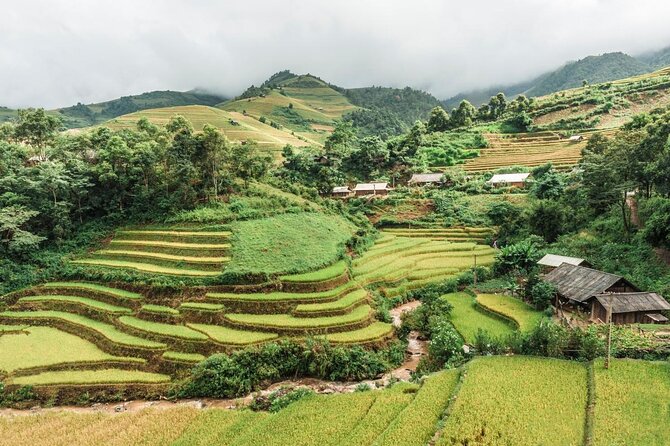
- Cable car to Fansipan plus an easy-to-reach peak approach (600 steps from Fansipan Station).
- Muong Hoa train included, giving you a smoother way into the Fansipan area.
- Local village treks with clear distances: 2 km to Y Linh Ho, ~3 km to Lao Chai, and 4 km on Day 2.
- Ta Van homestay with a private room, not just a floor-and-mats situation.
- Small group limit (max 10) for a more relaxed pace.
- Guide quality matters: one standout review highlighted guide Mao Co for making village life understandable.
Overnight Hanoi to Sapa: why the schedule works

This tour starts in Hanoi’s Old Quarter area with a pickup around 9:00–9:30 pm, then you’ll head to Sapa by VIP cabin bus. There’s no tour guide on the bus, but the big practical win is that you’re traveling while you’re likely sleeping. The plan has you arriving in Sapa in the early morning (around 4:30 am), then transferring to the hotel for breakfast.
When you reach Sapa, the day begins with a breakfast buffet at your Sapa hotel (Sapa Retreat Conodtel). That timing matters. Instead of being stuck hungry and groggy, you’re fueled before the first big mountain stop. You also get the buffer of a local transfer from the bus stop to the hotel—small detail, big difference after an overnight ride.
My take: if you want the most “mountain time” for your money, the overnight bus is the right kind of compromise. The tradeoff is obvious: you’re committing to that late pickup and an early arrival whether you feel ready or not.
You can also read our reviews of more tours and experiences in Hanoi



Fansipan by cable car: the fast route to the big view
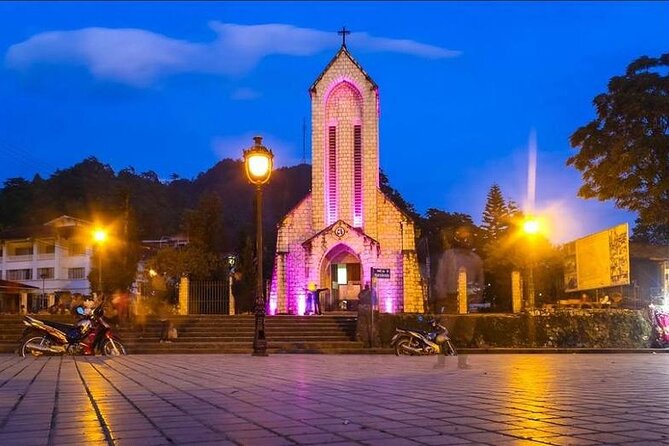
Fansipan is the headline, and the tour is designed around getting you there efficiently. You’ll first visit Fansipan via the Muong Hoa train, then continue to the cable car station. The cable car line is listed at 6,292.5 meters and drops you at Fansipan Station, which is about 600 steps from the peak area.
Two practical notes here:
- Tickets are included both ways, so you’re not stuck trying to coordinate entry on the fly.
- The tour data also says a tour guide isn’t provided for Fansipan, so you’ll be following the plan and signs rather than having someone walking you through the mountain experience minute by minute.
What I like about that setup is that it often feels calmer. You’re not trapped in a strict group flow on the mountain itself. You can take breaks at your own speed and keep moving on your own rhythm as you handle those stairs.
Consideration: if you’re sensitive to heights, crowds, or stair climbs, spend a moment thinking about the 600-step approach. It’s not a gentle “look from afar” situation—it’s part of the deal.
Day 1 trekking: Y Linh Ho and Lao Chai for real village rhythm

After the peak segment, the tour shifts from big-engine views to small paths and local communities. From the Sapa hotel, the group heads out to Y Linh Ho Village of the Black H’mong. The walk is listed as about 2 km and includes an admission ticket.
Then you continue to Lao Chai, where the trek is about 3 km. The itinerary notes that you’ll walk through a small tunnel and a small bridge to reach the village area in the Muong Hoa valley. That combination of “not just a straight path” is what makes this part feel more like travel and less like marching from stop to stop.
What you’ll likely appreciate here is the structure. You’re not thrown into a long grind with no breaks. The distances are short enough that most people can keep a steady pace, but long enough that you actually feel like you’ve left the road behind.
My caution: you’ll be hiking more than once on Day 1, and by the time you reach village areas your energy level may be lower than at the start of the day. Bring a steady pace mindset. Don’t sprint the first hour and then fade.
Ta Van Village homestay: private room and community time
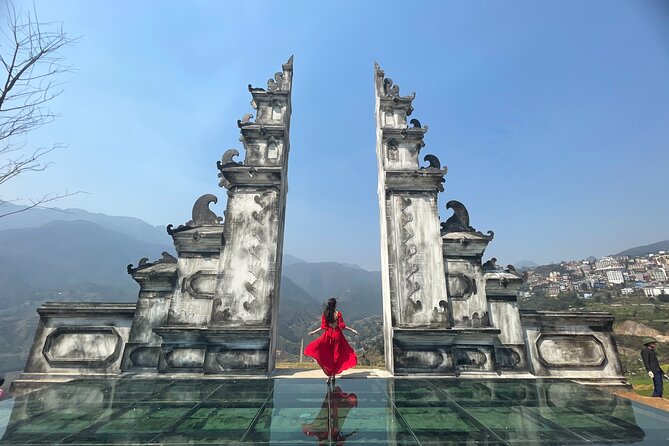
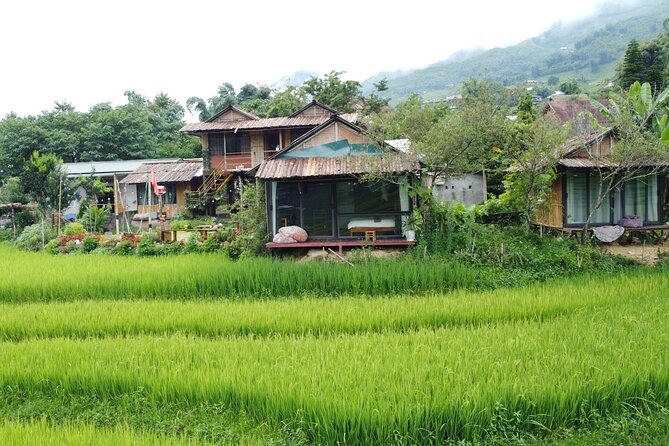
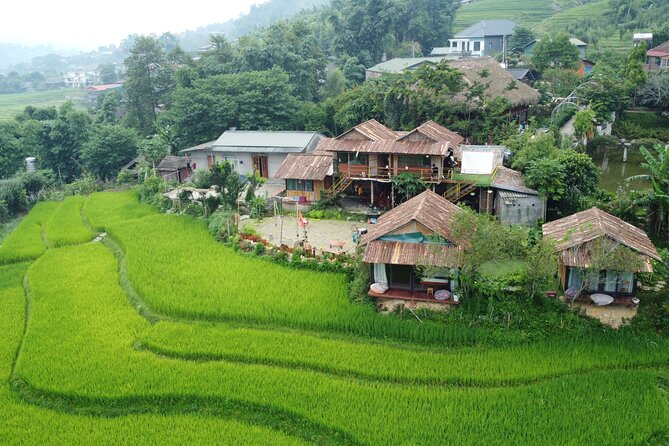
Late afternoon is when the tour slows down. Around 4:00–4:30 pm, you arrive in Ta Van village, a commune about 8 km from Sapa town. This area is described as home to multiple Vietnamese ethnic groups, including the Day and the H’mong.
You stay at a homestay with a private room in Ta Van. The tour also includes meals that keep the homestay experience from feeling like a rushed overnight stop. Breakfast is included the next morning, and dinner is included as part of the package.
This is one of the biggest value points in the whole trip. A private room means you can recover without negotiating privacy. Then the next morning starts with breakfast at the homestay and check-out, which gives you a straightforward flow.
Why it’s worth caring about: in two days, you don’t have time for long scenic detours. Ta Van is the “stay with locals” piece that turns the trip from a checklist into a story you’ll remember.
Day 2: Giang Ta Chai and Supan Village trekking, then back to Sapa
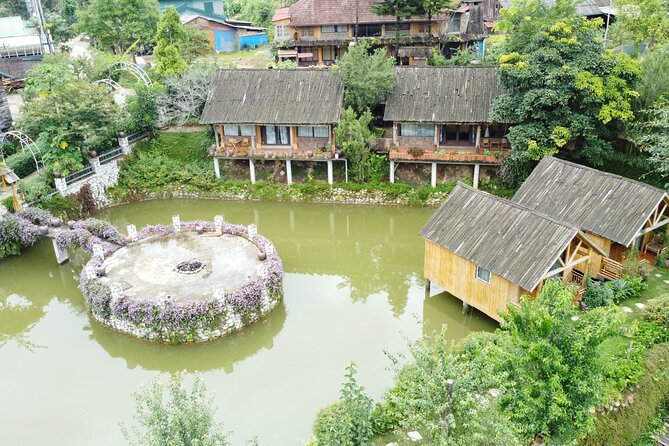
Day 2 begins with a calm morning: breakfast at the homestay from 7:00–9:00 am, followed by check-out. Then the trek begins late morning.
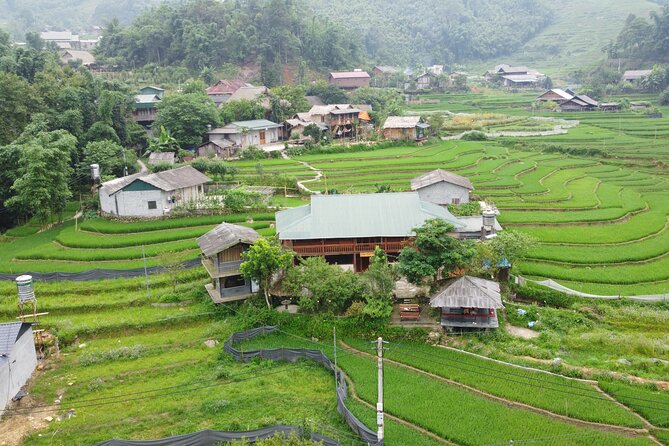
From around 9:00–9:30 am, you start a 4 km trek to Giang Ta Chai Village and Supan Village, associated with the Red Dao. Like Day 1, this is not a “walk for 6 hours” situation, but it’s long enough to create that sense of having actually moved through the area, not just toured around it.
After the trek, the schedule brings you back to Sapa town. At 1:30 pm, the bus picks you up from the local restaurant to return toward your hotel. Then there’s a window of free time in Sapa town until about 3:00 pm, with transfers to the bus station from 3:00–3:30 pm.
The return ride to Hanoi starts at 4:00–4:15 pm and ends with arrival in Hanoi Old Quarter around 22:00–22:30.
The practical takeaway: Day 2 gives you a bit of flexibility in Sapa town. If you want coffee, a quick market browse, or just time to decompress after trekking, this is your slot. But don’t count on a full afternoon of exploring—you’re on a timetable.





Price and value: what $155 buys you (and what it doesn’t)
At $155 per person, this package stands out because so many “hard-to-arrange” items are included. Here’s what’s in:
- Two-way VIP cabin bus between Hanoi and Sapa (no guide on the bus)
- 2-way cable car tickets plus Muong Hoa train
- Local English tour guide in Sapa
- Homestay with a private room in Ta Van
- Meals: dinner, lunch (2), and breakfast (2)
What’s not included is also clear:
- Drinks (like beer or wine)
- Personal expenses
- Tour guide on the bus (so you won’t have commentary during the ride)
- Tour guide when visiting Fansipan (you’re handling that segment with the route plan and your own navigation while inside the system)
So the value equation is pretty solid if you want a structured, multi-stop trip without paying extra for each transport component. It’s especially good for people who don’t want to piece together cable car, train access, and multiple village stops on their own.
If you’re the kind of traveler who likes spontaneity and independent scheduling, the included meal plan and fixed trek routes may feel a bit tight. But if you want efficiency, this is built for you.
Small group size, mobile tickets, and pickup logistics
The tour is set up for comfort with a maximum of 10 travelers, which usually means less waiting and fewer people in your immediate hiking bubble. It also includes pickup offered and uses mobile ticket support, which helps if you don’t want to deal with paper passes.
There’s also a useful operational note: the tour offers free cancellation up to 24 hours in advance for a full refund, so you’re not stuck if your plans change.
One more practical detail: the tour data says “near public transportation,” which typically means you’re not going to be stranded in the middle of nowhere for the start or end points.
Fitness and pacing: the real requirement here
This is a trekking-and-stairs trip. The tour specifically notes you should have a strong physical fitness level. Distances listed in the itinerary are manageable for many visitors, but the cumulative effect matters—especially with Fansipan’s 600 steps plus multiple village walks.
Here’s what you should plan for based on the itinerary distances:
- Day 1: roughly 2 km (Y Linh Ho) plus about 3 km (Lao Chai)
- Day 2: about 4 km (Giang Ta Chai and Supan)
None of these are described as extreme, but they add up. My advice: keep your pace steady, and don’t treat the first climb like a race. Save your energy for the bridge/tunnel section and the Day 2 trek, when tired legs usually catch up.
Who should book this Sapa plan (and who should skip it)
This tour is a good match if you want:
- A high-efficiency route: overnight bus, mountain access, two village trekking days, then return
- Included transport to Fansipan and within the mountain area (cable car plus train)
- Homestay value with a private room
- A local English guide in Sapa for the village segments
It might be a tougher fit if you:
- Hate early mornings and late-night pickups
- Dislike stair-heavy segments
- Prefer a fully guided, turn-by-turn experience at Fansipan itself (the tour data says no guide for that part)
Final verdict: should you book Hanoi–Sapa 2 Days with Fansipan?
If you’re aiming to see Fansipan and village life without spending a week planning transport, this package is a strong choice. The best parts are the practical inclusions—cable car, Muong Hoa train, meals, and Ta Van private homestay—plus a small group size that makes the trek feel more human.
The one thing to respect is effort. Between the overnight schedule, the treks, and the stair climb from Fansipan Station, this is not a sit-and-sightseeing-only itinerary.
If that effort sounds right for you, book it. If you’re hoping for an easy day trip with minimal walking, pick a gentler option.
FAQ
What’s the duration of this Hanoi–Sapa tour?
It runs for 2 days (about 2 days / 2 nights based on the tour name and schedule).
How do I get from Hanoi to Sapa?
You take a 2-way VIP cabin bus between Hanoi and Sapa. The tour does not include a tour guide on the bus.
What time is pickup in Hanoi?
Pickup is around 9:00–9:30 pm near the Old Quarter meeting point area.
Is Fansipan cable car included?
Yes. The tour includes 2-way cable car tickets to Fansipan.
Are there any other transport options included besides the cable car?
Yes. You also get Muong Hoa train access as part of the Fansipan visit.
Do I get a guide during the village trekking?
You’ll have a local English tour guide in Sapa during the village segments. The tour data also notes there is no tour guide when visiting Fansipan.
Do I stay in a homestay?
Yes. You stay in a private room in Ta Van village.
What meals are included?
The tour includes dinner, lunch (2), and breakfast (2).
How far do the treks involve?
The itinerary lists about 2 km to Y Linh Ho, about 3 km to Lao Chai, and about 4 km on Day 2 to Giang Ta Chai and Supan Village.
What’s the cancellation rule?
You can cancel up to 24 hours in advance for a full refund.
If you want, tell me your fitness level and whether you prefer fewer stairs or more village time, and I’ll help you judge if this schedule fits your style.
You Might Also Enjoy



More 2-Day Experiences in Hanoi
- Doris Cruise 5 star cruise 2 days visiting Halong Bay Lan Ha Bay private balcony
★ 5.0 · 2,338 reviews