REVIEW · COOKING CLASSES
Hanoi Cooking Class in a Haven of Tranquility – Thom culinary
Book on Viator →Operated by Thơm Culinary · Bookable on Viator
Hanoi cooking doesn’t have to feel chaotic. This class at Thơm Culinary mixes a cyclo market start with a peaceful herb-and-fruit garden, then turns into hands-on cooking with plenty of tastings.
I especially like how the experience teaches the why behind Vietnamese flavors: herbs, spices, and balancing contrasting tastes and textures. I also like the practical flow, from ingredient shopping to chopping, sautéing, seasoning, and plating, then eating together with herbal drinks, desserts, and rice wine.
One possible drawback to keep in mind: you’ll spend real time walking around markets and moving between spots, so if you want a purely kitchen-only class with minimal wandering, this style may feel like more sightseeing than you planned.
In This Review
- Key highlights at a glance
- Thơm Culinary: a tranquil garden that resets Hanoi
- The cyclo start and Dong Xuan Market shopping lesson
- Old ingredients, explained: herbs, spices, and flavor balance
- Harvesting herbs and exotic fruit from the on-site garden
- Family worship hall and a fish pond stop: food culture beyond the kitchen
- Cooking together: chopping, sautéing, seasoning, and plating
- The feast: bottomless herbal drinks, homemade desserts, fruit, and rice wine
- Pickup and group size: why the logistics feel calm
- Price and value: what you’re really paying for
- Who this Hanoi cooking class suits best
- Should you book Thơm Culinary’s Hanoi cooking class?
- FAQ
- How long is the Hanoi Cooking Class at Thơm Culinary?
- What does the tour cost?
- Is pickup included?
- How many people are in the group?
- What markets are visited during the experience?
- What’s included in the cooking and meal?
- Can I cancel for a full refund?
Key highlights at a glance
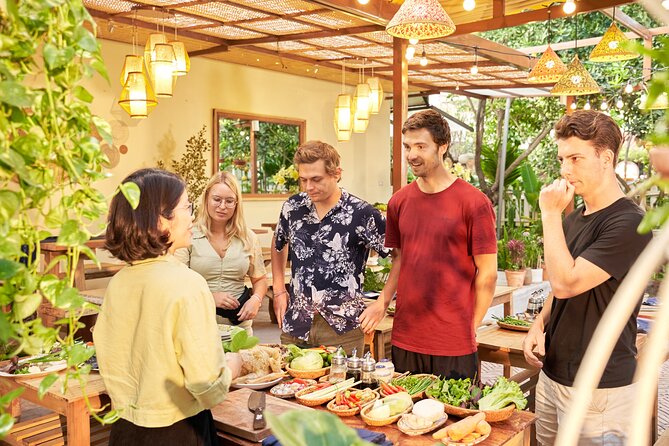
- Cyclo ride plus market tastings that help you learn ingredients in context
- Harvesting herbs and exotic fruit from the on-site garden
- Small group size (max 8) for more attention during cooking
- 4 hands-on authentic dishes made from scratch with guided coaching
- Bottomless herbal drinks plus homemade desserts and traditional sweets
- Rice wine and eating etiquette shared during the meal
Thơm Culinary: a tranquil garden that resets Hanoi
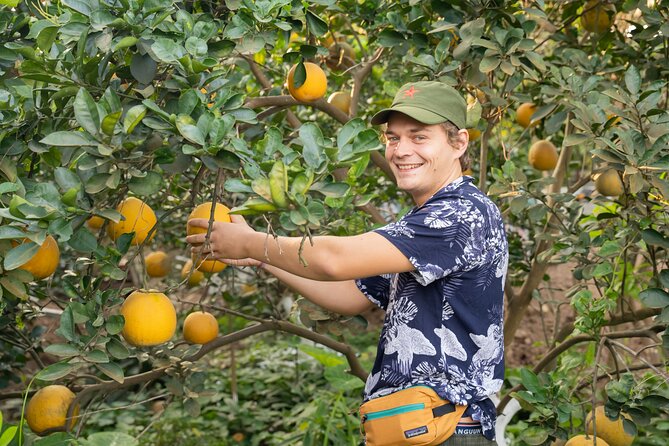
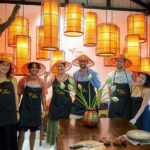
Thơm Culinary is built around a simple idea: good Vietnamese cooking starts with good ingredients, and good ingredients start with calm. When you reach the garden house, you’re surrounded by herbs and tropical fruit, which makes the whole class feel like it has room to breathe, not like a rushed tourist stop.
I like that the experience doesn’t treat cooking as just a list of recipes. You get stories about dishes and you learn why certain herbs and spices show up again and again in Vietnamese food, not just how to add them.
Also, this garden setting matters for your senses. You’ll notice aromas while you cook, and it makes it easier to understand flavor balance when you’re chopping and tasting. If you’re sensitive to strong herb smells, pace yourself when you’re harvesting and let the host know.
You can also read our reviews of more cooking classes in Hanoi
The cyclo start and Dong Xuan Market shopping lesson
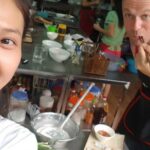
The tour begins with a cyclo ride to the Dong Xuan market. That matters because Vietnamese food isn’t made in a vacuum. You’re seeing the ingredients where people trade them daily, so the cooking class feels grounded in real shopping choices.
At the market, you’ll taste street-food-style items and learn what different ingredients are used for. You also visit additional market areas such as Cầu Đông and Thành Hà, so you get variety in stalls and products rather than one small snapshot.
You’ll also stop near the Old City Gate area as part of the route. It’s a quick but useful reminder that Hanoi’s food culture sits inside a larger street-and-market rhythm. You don’t need to be a history nerd to appreciate it; it’s more about getting your bearings fast and understanding where food comes from.
Old ingredients, explained: herbs, spices, and flavor balance
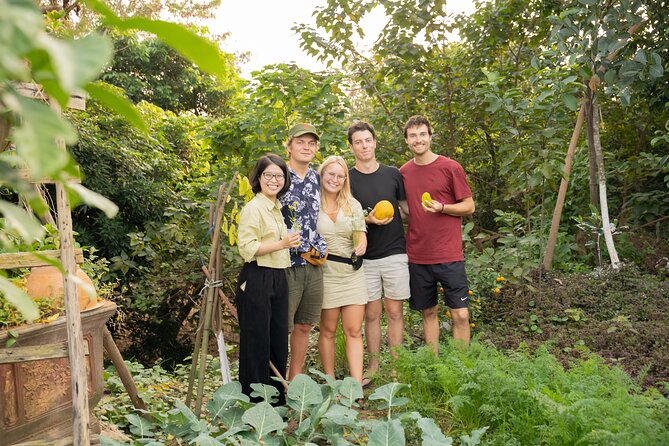
Back at Thơm Culinary, the class shifts from buying to understanding. You’ll talk about Vietnamese cooking philosophy, especially the role of herbs and spices—and how Vietnamese dishes often balance contrasting tastes and textures.
The key theme is not memorizing flavors. It’s learning to build them. Think in terms of how herbs add freshness, how aromatics bring depth, and how seasoning ties everything together. That makes you a better home cook later, because you’re not stuck following one exact method.
A big plus here is that you can connect the explanation to what you physically see. When you harvest herbs from the garden, you stop treating herbs like garnish. They become ingredients with purpose.
Harvesting herbs and exotic fruit from the on-site garden
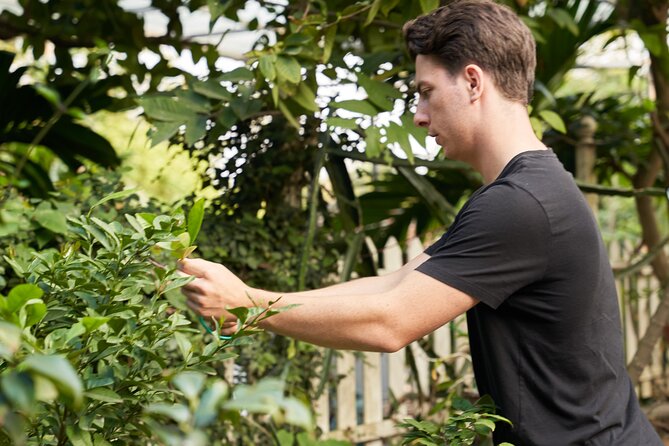
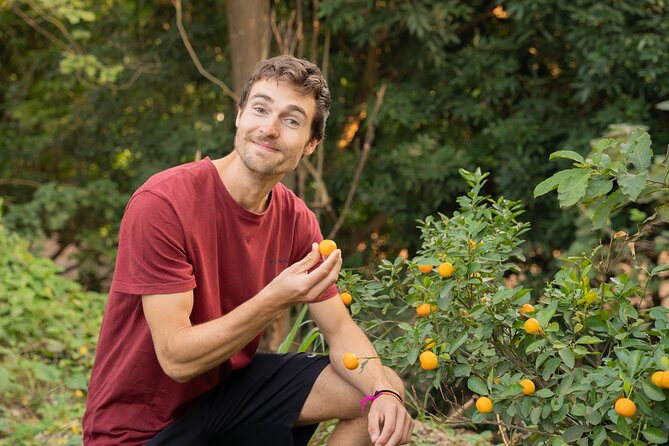
One of the most charming parts of this experience is the herb and fruit harvest. You’re guided through the garden and you’ll learn what’s growing there and how it connects to Vietnamese dishes.
I like this because it turns “Vietnamese cooking” from a general label into something specific to that place. Your hands learn the ingredients, not just your brain.
Some garden ingredients are strong-smelling, and that’s actually helpful for learning. When you chop and taste later, you’ll remember the plant’s aroma and how it behaved fresh versus cooked. Just give yourself a moment before you start chopping if you’re not used to fragrant herbs.
Family worship hall and a fish pond stop: food culture beyond the kitchen
The tour also includes visits connected to local daily life, including a family worship hall and a fish pond. These stops aren’t meant to turn the evening into a lecture. They add context, showing how food, family, and community are tied together in everyday Hanoi.
You’ll likely feel it more than you’ll analyze it. It’s a gentle change of pace between market energy and cooking work, and it helps explain why meals and traditions matter in Vietnamese culture.
This part is also practical for your mood. If you’re the type who gets overstimulated in big cities, these slower cultural moments keep the day from becoming one long rush.
You can also read our reviews of more tours and experiences in Hanoi
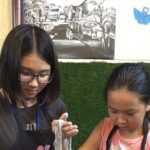
Cooking together: chopping, sautéing, seasoning, and plating
The main event is hands-on cooking, and it’s structured so you’re not just watching. You’ll cook 4 authentic Vietnamese dishes, and the guidance from the host helps you through key steps like chopping, sautéing, seasoning, and plating.
I like that the cooking is active. You’ll do real prep work—knife work, ingredient mixing, and cooking adjustments. That’s where most cooking classes either shine or fall flat, and this one puts the emphasis on you doing the work.
Hosts may include people like Trang or Mango—names that show up in the guide experience for this tour—so you can expect a warm, food-forward teaching style. Even if the host you get has a different teaching rhythm, the underlying format stays consistent: you learn the mechanics and then taste what the mechanics create.
One practical note: Vietnamese cooking can be herb-heavy by design. If you’re not a fan of fresh herbs, you can still enjoy the process, but you’ll want to pay attention during tasting so you understand what each herb is doing.
The feast: bottomless herbal drinks, homemade desserts, fruit, and rice wine
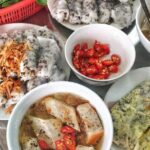
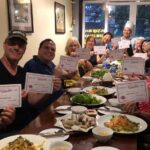
After cooking, you eat what you made, which is the whole point. The meal includes homemade desserts, herbal drinks, and exotic fruit, plus homemade rice wine.
A standout here is that the herbal drinks are described as bottomless, which turns the meal into a long, relaxed sit-down rather than a quick bite. In practice, that’s what makes the experience feel complete. You’re not just learning recipes; you’re learning the pacing of an actual Vietnamese-style meal.
You’ll also learn eating etiquette and hear stories tied to dishes. Those small teaching moments matter because they change how you approach food. Instead of eating fast and forgetting, you’ll know what to notice—flavor balance, texture contrast, and how herbs are meant to be used.
If you’re sensitive to alcohol, ask ahead how the rice wine is served. The information you’re given says it’s included, so plan accordingly.
Pickup and group size: why the logistics feel calm
This tour runs for about 4 hours 30 minutes, and it’s designed for a smooth start and end with pickup offered and return transfer back to your hotel. That’s a big deal in Hanoi, where getting around can turn into a test of patience if you do it alone.
The group maximum is 8 travelers, which helps in two ways. First, hosts can check on your chopping, seasoning, and timing while everyone is cooking. Second, the class doesn’t turn into a production line where you’re waiting your turn.
You’ll also get a mobile ticket, which makes day-of entry easier. And confirmation comes at booking time, which helps you plan without guessing.
Price and value: what you’re really paying for
At $64.31 per person, this isn’t a budget street-snack crawl. But it also isn’t just a cooking demonstration. You’re paying for a full package: market time with food tastings, cyclo and round-trip transportation, ingredient harvesting, 4 hands-on dishes, plus desserts and drinks that include rice wine.
If you price it out realistically, the value comes from three bundled things:
- Transportation and guided market time (often the most expensive part when booked separately)
- Ingredient experience (herbs and fruit harvest, not just a lesson in a kitchen)
- The meal itself (the cooked dishes plus sweet treats, herbal drinks, and rice wine)
This style works best if you want to leave with skills, not just photos. If you’re looking for a short demo where you mainly watch, you may feel the cost more than the benefit.
Who this Hanoi cooking class suits best
This is a great match if you want Vietnamese cooking to feel practical and sensory. You’ll get ingredient context in the markets, then you’ll translate that into cooking steps with guidance.
It also fits well if you like food tours that mix culture with hands-on work. The market route, Old City Gate area stop, and the family worship hall and fish pond visits add texture to the day without swallowing the evening.
You might want to skip it if:
- You dislike market walking or you want zero street-stops
- You prefer to cook without herb focus
- You want a very formal, silent class setup (this one is more social and story-driven)
Should you book Thơm Culinary’s Hanoi cooking class?
Book it if you want the best combination of market ingredient learning plus a garden-led cooking lesson that ends with a real sit-down meal. The small group size and hotel pickup make it easy to fit into your schedule, and the inclusion of multiple drinks and desserts means you’ll leave satisfied, not still hungry.
Skip it if your perfect cooking class is short, quiet, and kitchen-only. This one gives you Hanoi’s food culture in motion, from Dong Xuan market energy to a calm herb garden where you can understand what you’re cooking.
If you’re on the fence, here’s the quick decision rule I’d use: if you enjoy learning flavors by seeing ingredients first, this is a smart use of your time in Hanoi.
FAQ
How long is the Hanoi Cooking Class at Thơm Culinary?
The experience runs for about 4 hours 30 minutes.
What does the tour cost?
The price is $64.31 per person.
Is pickup included?
Yes, pickup is offered, and the tour includes round-trip transportation.
How many people are in the group?
The tour has a maximum of 8 travelers.
What markets are visited during the experience?
You’ll visit Dong Xuan Market, plus Cầu Đông and Thành Hà Market.
What’s included in the cooking and meal?
You cook 4 hands-on authentic dishes with guidance, enjoy street food tastings at the market, and have homemade dessert, traditional sweet treats, herbal drinks, homemade rice wine, and exotic fruit.
Can I cancel for a full refund?
Yes, free cancellation is available. You can cancel up to 24 hours in advance for a full refund.