REVIEW · COFFEE EXPERIENCES
Hanoi Coffee Workshop Crafting the Perfect Brew
Book on Viator →Operated by Vietnam Village Vibes · Bookable on Viator
Vietnam’s coffee is a masterclass in contrast. This Hanoi workshop teaches you how to brew classic Vietnamese styles like brown coffee and egg coffee, with tastings and printed recipes you can recreate later. The biggest catch is simple: it runs about 2 hours, so if you’re expecting a long tour, this one is more hands-on than sprawling.
I like that you leave with real technique, not just drinking. You also get an English-speaking instructor who ties the drinks to Vietnam while still staying focused on getting your cup right, with help adjusting flavors to your preferences. And with a maximum of 15 people, it stays personal enough to ask questions without shouting across the table.
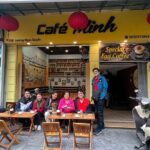
It’s based at a cafe setting near Hoàn Kiếm, starting at GẠO CAFE (10 P. Chợ Gạo, Hàng Buồm). You get a mobile ticket, and the experience includes ingredients and recipes, so you’re not guessing what to buy after class.
In This Review
- Key highlights worth showing up for
- Vietnam’s Coffee Is Built to Be Strong (and That’s the Point)
- Your Brew Toolkit: The Phin Filter and the Rhythm of Pouring
- Making Vietnamese Black Coffee the Traditional Way
- Brown Coffee: Condensed Milk Meets Strong, Bitter Brew
- Egg Coffee: A Custard-Like Twist You’ll Remember
- White Coffee: Sweet, but Not a Clone of Western Creamy Drinks
- Coconut Coffee: Tropical Creaminess with a Coffee Backbone
- Salt Coffee: The Least Expected Flavor That Works
- Latte Art Practice Without the Pressure
- Tasting, Tweaking, and Finding Your Favorite Style
- Your Final Personalized Brew: Take Home Something You Can Recreate
- Where It Happens and What the 2 Hours Feel Like
- Price and Value: About $17.73 for Skills, Recipes, and Multiple Drinks
- Who This Workshop Fits Best (and Who Might Skip It)
- Should You Book the Hanoi Coffee Workshop?
- FAQ
- How long is the Hanoi coffee workshop?
- How many coffee styles will I learn?
- Where does the workshop start?
- Is there an English-speaking instructor?
- What is included in the price?
- What is not included?
- What group size should I expect?
- Do I need good weather for the workshop?
- Is cancellation free?
- Is the ticket mobile?
Key highlights worth showing up for
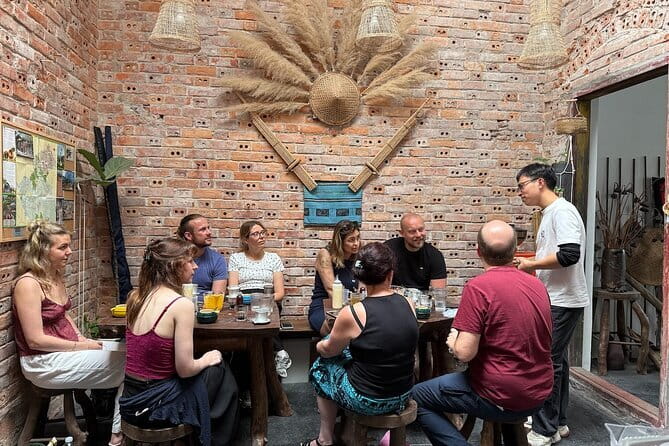
- Phin filter training so your coffee comes out strong and consistent
- Egg coffee and salt coffee that you make yourself, not just sample
- 4 to 6 distinct styles (black, brown, egg, white, coconut, salt)
- Latte art practice tied to what you brewed
- Recipes included so you can repeat at home
- Small group size (max 15) for real instruction time
Vietnam’s Coffee Is Built to Be Strong (and That’s the Point)
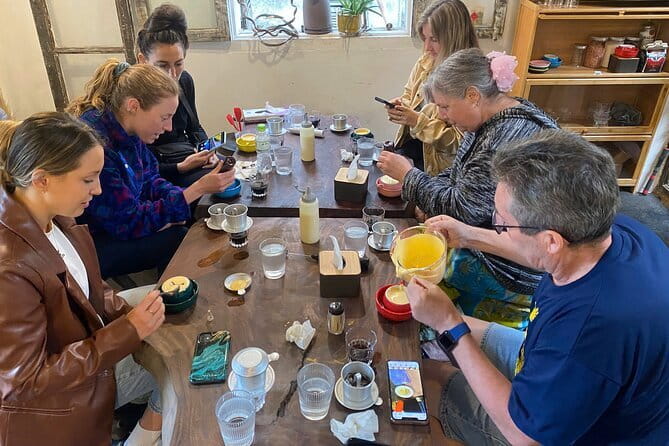
Vietnamese coffee isn’t shy. The whole culture leans into bold flavors, often using dark-roast beans and a strong brew method that delivers intensity fast. The workshop starts with the basics you actually need: what Vietnamese beans are known for, and how brewing method changes what you taste.
You’ll hear why robusta is so common in Vietnam and how that contributes to the deep, sometimes slightly bitter character many people associate with Vietnamese coffee. You’ll also learn how different drinks balance that strength with sweetness and creamy textures. This matters because once you understand the “why,” you can adjust the cup to match your taste instead of following a recipe blindly.
You can also read our reviews of more tours and experiences in Hanoi

Your Brew Toolkit: The Phin Filter and the Rhythm of Pouring
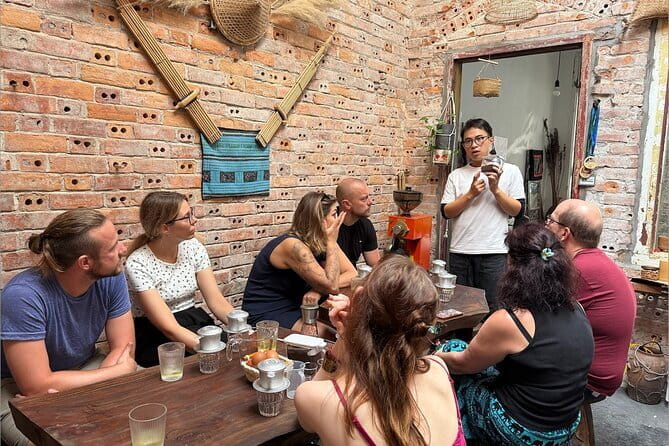
The star tool here is the phin filter, a small metal drip filter that sits over your cup. The method produces a concentrated coffee because the water drips slowly through grounds, giving you that signature Vietnamese strength without fancy machinery.
In class, you’ll practice the phin process step by step. That’s the value: you’re not just watching. You’re learning the rhythm—how to prep, how to assemble, and how to wait for the drip to finish—so your coffee comes out reliably even when you recreate it later.
One thing I especially like about workshops like this is that the instructor doesn’t treat coffee as magic. They treat it like technique. And that means you can ask, adjust, and try again if something tastes too strong or not strong enough.
Making Vietnamese Black Coffee the Traditional Way
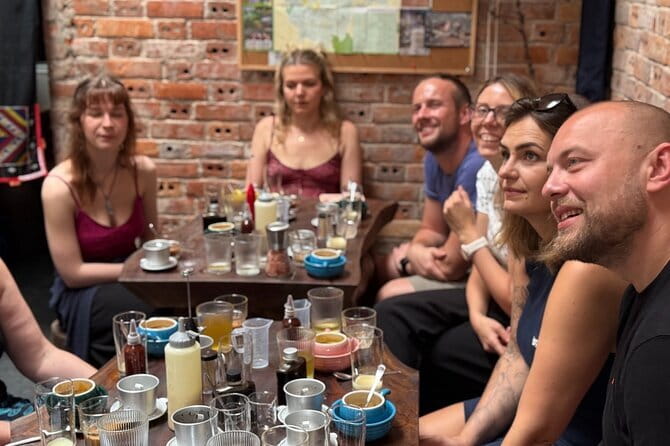
Black coffee in Vietnam usually means a phin-brewed cup that’s intense and concentrated. In the workshop, black coffee is your baseline flavor. It’s the reference point for everything else you’ll mix in later.
When you make it yourself, you’ll start noticing details that matter:
- how long the drip takes
- how the brew strength feels
- how the bitterness sits on your tongue
Then the class builds on that baseline with drinks that soften, sweeten, or rework the same core coffee. This is why the sequence works. You don’t just learn multiple recipes—you learn how each change affects flavor.
Brown Coffee: Condensed Milk Meets Strong, Bitter Brew
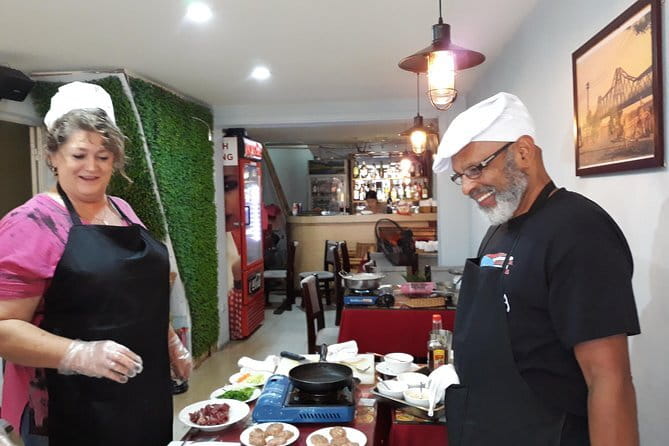
Next up is brown coffee, one of the most popular Vietnamese variations. The condensed milk is the key move: it adds sweetness and a creamy texture that balances the coffee’s natural bite.
This is a good station to practice your “mixing sense.” You’ll learn how to combine the brewed coffee with condensed milk so it doesn’t just turn into sugary sludge. The goal is contrast: creamy against bitter, sweet against dark.
If you like coffee shops back home that do sweetened coffee drinks, you’ll probably feel right at ease here. It’s approachable, and it teaches you a foundational ratio you can reuse.
Egg Coffee: A Custard-Like Twist You’ll Remember
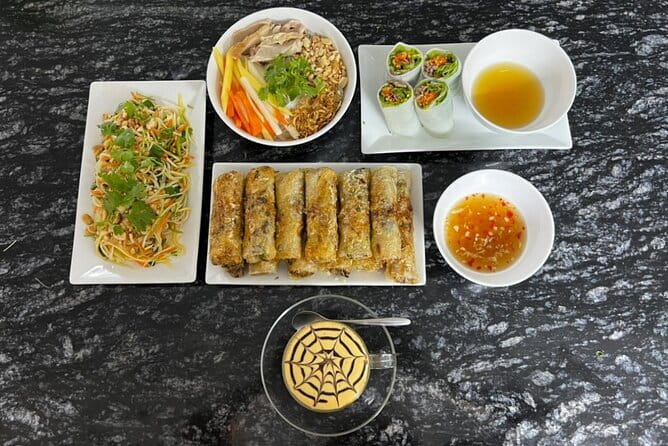
Egg coffee is the drink that gets people talking for a reason. It’s creamy, dessert-like, and it blends robusta’s bold bitterness with a custard style topping.
In the workshop, you’ll actually make and taste it, which is a big deal because egg coffee can sound strange until you’ve got the texture in front of you. Once you do, you’ll understand why it’s considered a must-try Vietnamese specialty.
What to pay attention to is the balance between:
- the coffee’s strength
- the custard-like creaminess
- how sweet it tastes compared to the bitterness
If your tastes run toward dessert drinks, this may become your favorite. If you’re more classic and prefer simple coffee, the trick is to treat it like an experiment and adjust sweetness to your preference when you have the chance.
You can also read our reviews of more tours and experiences in Hanoi


White Coffee: Sweet, but Not a Clone of Western Creamy Drinks
Vietnamese white coffee is different from the Western idea of “white coffee.” Here, it’s often robusta paired with condensed milk in a way that creates a sweet balance without losing the coffee’s bold backbone.
You’ll learn how this drink differs in flavor character from brown coffee. The point isn’t just a new recipe—it’s a new way to control sweetness while keeping that Vietnamese coffee punch.
This is also a station where you can ask questions about taste. If your egg coffee was too sweet, you’ll want to compare how the class approaches balance in white coffee. The instructor help usually matters most here, especially when they encourage you to tweak the cup to suit you.
Coconut Coffee: Tropical Creaminess with a Coffee Backbone
Coconut coffee brings a tropical angle. You’ll blend strong black coffee with creamy coconut milk, creating a refreshing mix that still respects the coffee base.
The good part about learning this style is that it shows you coffee doesn’t have to be “just sweet” to be enjoyable. The coconut adds flavor depth and a different kind of creaminess that can make the coffee feel smoother.
It’s a great option if you want something that tastes fun but still feels grounded in coffee culture rather than being a totally separate drink.
Salt Coffee: The Least Expected Flavor That Works
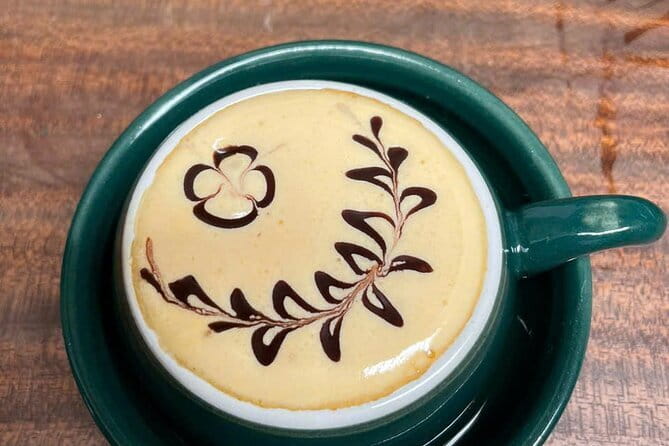
Salt coffee is one of the rising stars. It combines sea salt with milk foam and coffee for a sweet-salty-bitter harmony that can feel surprising at first.
If you’re the type who doubts strange flavor combos, salt coffee is a fair test. In class, you’ll make it rather than just hearing about it, so you can judge for yourself how the salt changes the flavor perception—often sharpening sweetness and rounding bitterness.
From the way people talk about the class, salt coffee often ends up being a standout. But the best way to judge is to taste your own cup and see how it fits your palate. Salt coffee rewards people who enjoy trying new things and then deciding what they actually like.
Latte Art Practice Without the Pressure
At some point in the workshop, you’ll get to experiment with latte art. This part is usually the most playful segment because you’re working with the foam texture and learning basic pouring technique.
You don’t need to be an art student. The instruction focus is on making something that looks good enough to share and tastes good enough to drink. And since you’ve already brewed and prepared multiple coffee types, you’ll understand how foam and coffee temperature affect results.
This is also a good moment to bring your personality into it. Want more foam? Want a thicker pour? Ask. The instructor’s job is to help you produce a cup you actually enjoy.
Tasting, Tweaking, and Finding Your Favorite Style
A key feature you should expect is tasting across the different styles. That’s how you build real “coffee memory”—you’ll start connecting flavor to technique. You may also get help adjusting recipes to your tastes, which is a huge advantage over self-guided brewing at home.
In past sessions, instructors such as Dat, Devin, Claire, and Ashley have been praised for clear guidance and for adding historical context without losing the practical focus. You don’t need to rely on names to benefit from it, but it’s a good sign when multiple people highlight the same skill: explain the why, then teach the how.
My advice: don’t rush your tasting. Take small sips, then pay attention to where the sweetness lands, where bitterness hits, and how creamy textures feel. Once you do, your last step—your personalized drink—will be much more satisfying.
Your Final Personalized Brew: Take Home Something You Can Recreate
Near the end, you craft your own personalized coffee creation. This is the “you’re in charge now” moment. Since the workshop provides recipes for each style, you’ll have a framework. Since you’ve practiced multiple bases, you’ll have the feel.
This final piece is valuable because it turns the class into a repeatable habit instead of a one-off experience. You’ll drink your final cup in the workshop setting, then you can use the recipes to rebuild your favorite at home.
If you’re traveling in Hanoi and want one activity that gives you a souvenir you can taste later, this is the best kind. Not a trinket—an ability.
Where It Happens and What the 2 Hours Feel Like
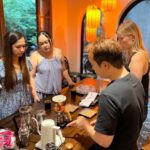
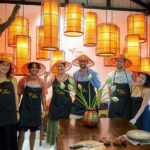
The workshop meets at GẠO CAFE in Hoàn Kiếm, then ends back there. Since it’s at a cafe, you’re working in a comfortable environment rather than running around the city to catch stations.
The duration is about 2 hours. In practice, that means the pace is steady. You’ll learn, brew, taste, and move on to the next style with enough time to practice each one. It’s long enough to get real instruction and taste multiple variations, but short enough that it won’t swallow your whole day in Hanoi.
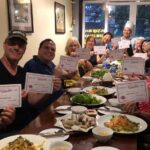
Small-group size (maximum 15) also matters here. It keeps the instructor from treating you like a passive audience. It’s easier to get help when you’re holding a phin filter and something needs adjusting.
Price and Value: About $17.73 for Skills, Recipes, and Multiple Drinks
At $17.73 per person for roughly 2 hours, this isn’t just a coffee sampling. You’re paying for:
- ingredients for multiple drinks
- recipes for each coffee style
- an English-speaking instructor
- hands-on brewing practice plus tasting
So you’re not just buying the drinks. You’re buying the ability to recreate them. That’s why the value feels good. If you only ordered coffee at a cafe, you’d get the drink but not the technique or the recipe guidance.
You also get variety built in—black, brown, egg, white, coconut, salt—meaning you’ll likely walk away with more than one favorite. That kind of payoff is hard to match with a single cafe visit.
Who This Workshop Fits Best (and Who Might Skip It)
This workshop is a strong fit if you:
- love coffee and want to understand Vietnamese style, not just order it
- want hands-on learning in a small-group setting
- like the idea of unusual drinks such as egg coffee and salt coffee
- are traveling with a friend, partner, or family group who can share tasting
It might not be for you if you want a big sightseeing day or a multi-stop tour plan. This is about technique and drinks, not long walking routes.
If you’re coffee-curious but not a super-fan, you still can have a great time. The drinks are explained, the instructor helps you get the cup right, and the tastings make it easy to figure out what you personally enjoy.
Should You Book the Hanoi Coffee Workshop?
I think you should book it if you want a memorable Hanoi experience that’s practical. You’ll learn the phin method, make multiple signature Vietnamese coffees, and take home recipes you can actually use.
Book it sooner in your trip if you can. That way, you can use your new technique later when you’re ordering coffee around Hanoi, or when you want to impress someone back home with your homemade egg coffee or salt coffee.
And if you’re the type who enjoys small-group classes with clear instruction, this one checks that box. At about $18 for hands-on brewing plus recipes, it’s one of the easiest “yes” decisions you’ll make in Hanoi.
FAQ
How long is the Hanoi coffee workshop?
The workshop lasts about 2 hours.
How many coffee styles will I learn?
You’ll work with FOUR to SIX distinct coffee styles, typically including black, brown, egg, white, coconut, and salt.
Where does the workshop start?
The start point is GẠO CAFE, 10 P. Chợ Gạo, Hàng Buồm, Hoàn Kiếm, Hà Nội 100000, Vietnam.
Is there an English-speaking instructor?
Yes. An English-speaking instructor is included.
What is included in the price?
The price includes all ingredients for making coffee and recipes for each type of coffee.
What is not included?
Additional food or drink, personal expenses, and tips are not included.
What group size should I expect?
This activity has a maximum of 15 travelers.
Do I need good weather for the workshop?
Yes. The experience requires good weather, and if it’s canceled due to poor weather, you’ll be offered a different date or a full refund.
Is cancellation free?
Free cancellation is available up to 24 hours in advance for a full refund.
Is the ticket mobile?
Yes. The workshop uses a mobile ticket, and you’ll receive confirmation at the time of booking.