REVIEW · HIKING & TREKKING
Hanoi: 3-Day Sapa Trek with Homestay
Book on GetYourGuide →Operated by VIETNAM OPENTOUR CO LTD · Bookable on GetYourGuide
Roosters wake you in Sapa. This 3-day trek around Cat Cat and terraced Hmong villages feels like a step off the tourist track, and I really like the small-group pace plus the chance to eat with your hosts. You’ll also get a practical, watch-your-step guide—Chu is calm, tireless, and keeps an eye on things (yes, even stray dogs). One thing to consider: in winter the cold and fog can be real, and the day plan can shift with conditions, so not every extra stop always shows up the same way.
You start from Hanoi early, ride a modern shuttle up to the mountains, and then spend the middle day in a local home where cooking is part of the deal. At $182 per person, it’s not just “hiking for views”—you’re also buying transport, English support, and meals that keep the trek moving without you having to plan each stop.
In This Review
- Key Moments That Make This Trek Worth Your Time
- Sapa Trek Basics: What You’re Really Buying for $182
- Hanoi Pickup and the Ride Up: Timing That Shapes Your Day 1
- Cat Cat Village Walk: Waterfall Energy and Craft Stops
- Day 2: Y Linh Ho Photos, Lao Chai Traditions, and Ta Van Welcome
- Ta Van Homestay Night: Dinner With Hosts, Not a Staged Meal
- Day 3: Bamboo Forest to Giang Ta Chai, Rooster Mornings, and Takeaway Food
- Food and Supplies: What’s Included and What You Should Budget
- Price and Logistics: Is This a Good Deal for Your Time?
- Cold, Fog, and Altitude Reality: When Sapa Turns Weather-Dependent
- Dogs, Craft Sales, and Other Small-But-Real Things
- Who Should Book This Sapa 3-Day Trek (and Who Should Skip)
- Should You Book This Hanoi to Sapa Trek With Homestay?
- FAQ
- FAQ
- How long is the trek and what days does it cover?
- What is included in the price?
- How small is the group?
- Where are pickup and meeting points in Hanoi?
- What kind of accommodation do you get in Sapa and in the homestay?
- What meals are provided during the trek?
- Is this trek suitable for kids or older guests?
- What should I pack for the weather in Sapa?
Key Moments That Make This Trek Worth Your Time

- Small group (10 max) means you can actually hear your guide and stay together on narrow paths.
- Cat Cat Village pairs an easy downhill walk with a look at hydropower, a waterfall, and hands-on craft traditions.
- Y Linh Ho terraced viewpoints give you classic Sapa photo angles tied to communities still living there.
- Homestay with a local Giay family includes dinner with your hosts, not just a place to sleep.
- A bamboo-forest trek on Day 3 feels different from the valley walks and ends with you back to Sapa in time to head down to Hanoi.
Sapa Trek Basics: What You’re Really Buying for $182

This is a 3-day / 2-night style program built around one main idea: you’ll walk through real villages, not just pass by them from a bus window. You also get the “mountain logistics” sorted—modern shuttle between Hanoi and Sapa, English guide support, and meals mapped to the trek rhythm.
What you’re paying for is the mix:
- Transport + guidance: Hanoi pickup in/near the Old Quarter area, plus an English-speaking guide for the Hanoi–Sapa portion and a local English-speaking guide once you’re in Sapa.
- Meals that keep you moving: 3 lunches, 2 dinners, and 1 breakfast are included.
- One overnight homestay: you’re not only sightseeing; you’re sleeping with a local family.
The price feels reasonable when you compare it to the cost of piecing everything together yourself—especially in the Sapa area where guides and transport are the biggest fixed costs. If you want a quiet, low-effort vacation, this probably isn’t it. But if you like seeing how people live—and you’re okay with basic comfort—you’ll likely feel like you got your money’s worth.
You can also read our reviews of more hiking tours in Hanoi

Hanoi Pickup and the Ride Up: Timing That Shapes Your Day 1

Your day starts with pickup from the Old Quarter area of Hoan Kiem district around 6:30–7:00 AM, or you can meet at 9 Hàng Hương, Hàng Mã at 6:45 AM. You’ll board a large bus, then make comfort breaks along the route, including a stop around Lao Cai before arriving in Sapa.
This matters because you don’t arrive at trekking time—you arrive first for lunch and rest. The day is structured like this:
- You get to Sapa Town with time to settle in.
- You then head out in the afternoon for a first village walk (Cat Cat).
One practical tip: treat the ride as part of the experience. If you go in thinking you’ll be “fresh” for hiking immediately, you might feel slightly rushed. If you go in expecting a warm-up day, the pacing clicks.
Cat Cat Village Walk: Waterfall Energy and Craft Stops
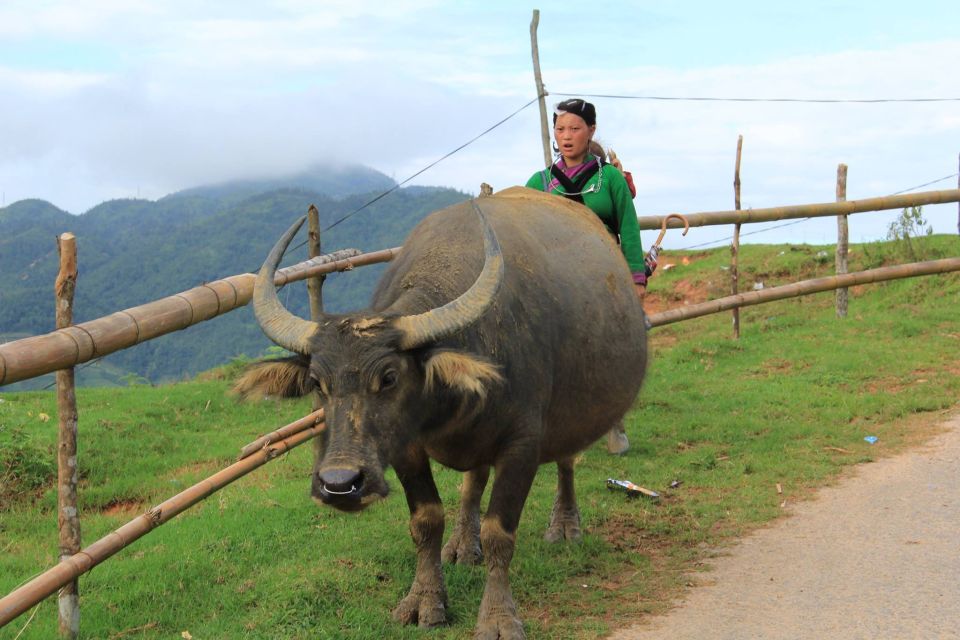
Day 1 is all about Cat Cat. After lunch and check-in at the hotel in Sapa, you leave around 2:30 PM and walk down about 3 km to explore the village area.
Cat Cat is a great choice as a first day trek because it’s active but not overwhelming. You’ll visit:
- the hydropower station
- the Cat Cat waterfall
- village culture and everyday skills, including weaving, carved silver, and hand-forged agricultural tools
You’ll also see cultural context tied to different ethnic groups, and the area has a history that includes French colonial influence over the past century. The point is less “museum facts” and more “why this village looks and works the way it does.”
Back up to Sapa is also about a 3 km walk. You’ll then have dinner around 6:30–7:00 PM and sleep at the hotel in Sapa for the night—so you start Day 2 rested enough to enjoy the longer village-to-village day.
What I like most: this is the day where you stop thinking in terms of “trekking routes” and start thinking like a visitor to a working place.
Day 2: Y Linh Ho Photos, Lao Chai Traditions, and Ta Van Welcome
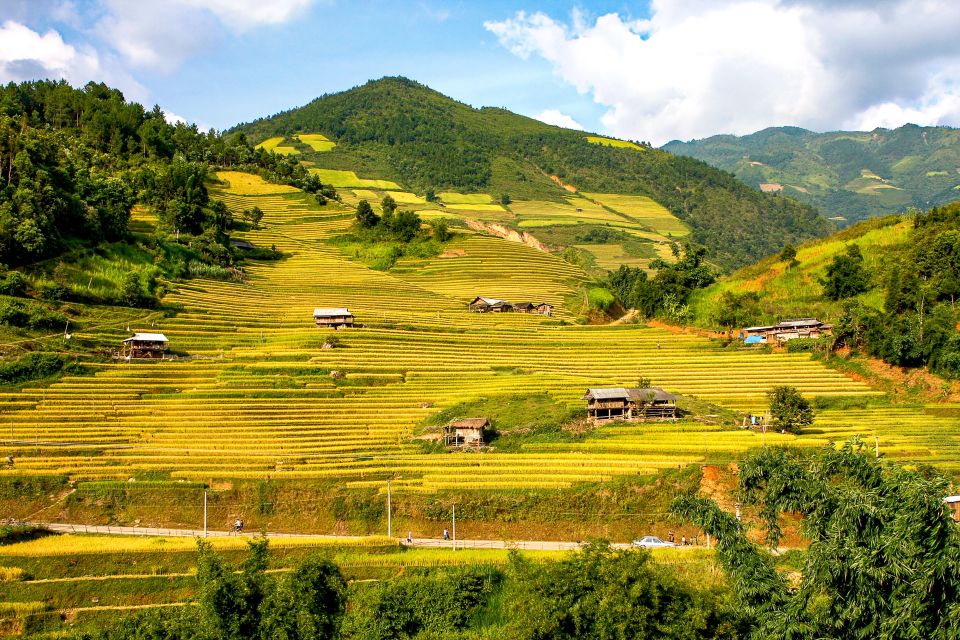
Day 2 starts with breakfast and check-out before 8:30 AM. Then you’re out early again, this time walking down toward Y Linh Ho, a village inhabited by the Hmong minority.
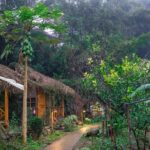
Y Linh Ho is where you get that classic Sapa terrace look—plus the bonus of learning how terraces connect to village life. The terraced fields here are estimated to be around 100 years old, so you’re not just photographing green slopes. You’re seeing long-term human work shaped by the mountains.
From Y Linh Ho, you continue to Lao Chai, where you’ll visit the Hmong home town. There’s a lunch break for about 1 hour, then you move onward to Ta Van, an established area with Hmong and Giay communities.
Here’s the homestay connection:
- you’re welcomed by a local Giay family
- you stay in their home for the night
- and you cook and share dinner with the family
This day is the heart of the trek. It’s also the day where your guide matters most. Chu’s style—calm, watchful, and very protective—stands out in how he keeps the group together and handles the little real-world issues you won’t see on a brochure, like stray dogs near the paths.
Ta Van Homestay Night: Dinner With Hosts, Not a Staged Meal
The homestay experience is where the tour stops feeling like a “sightseeing product” and starts feeling like a human one.
What you can expect from the homestay side:
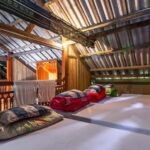
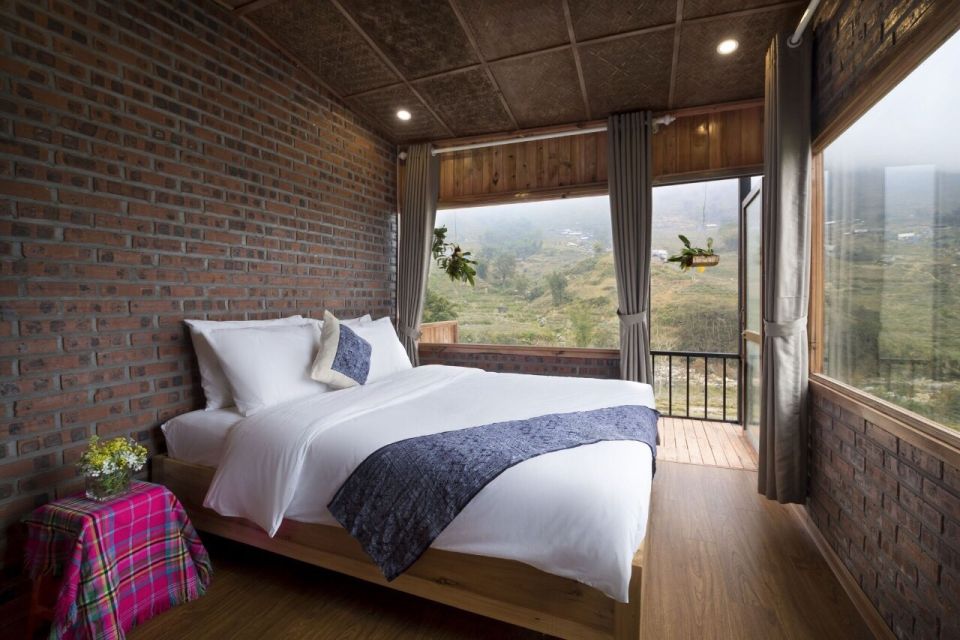
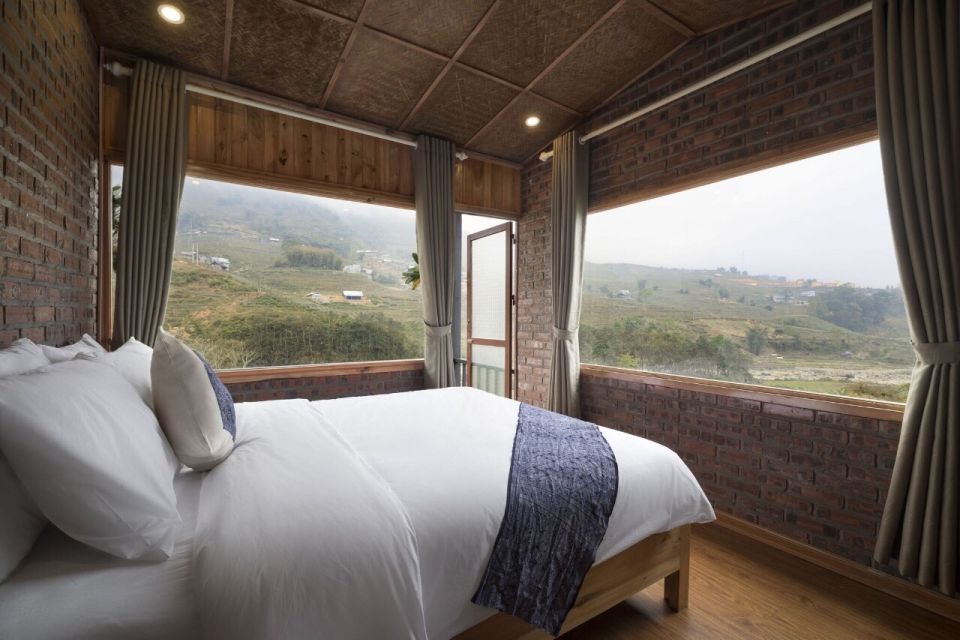
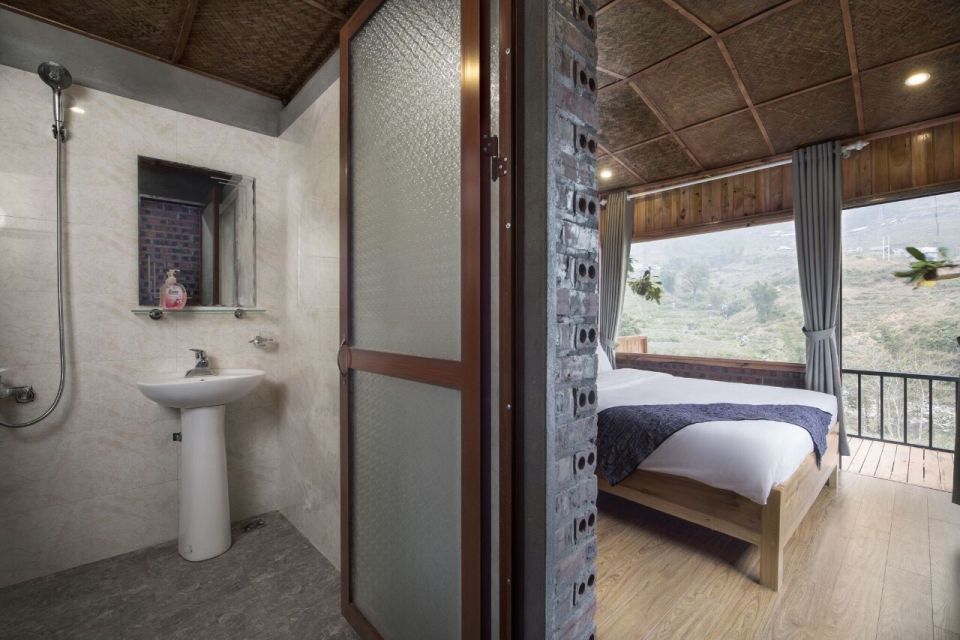
- you sleep in a local home environment (shared accommodation)
- private rooms may be available for an extra cost
- facilities are not the same as hotel standards in Sapa—think simpler comfort, not luxury
And then there’s dinner. You’ll prepare food and share it with your hosts, which is a big deal if you want more than a quick photo at the edge of a village. It’s not about eating the fanciest meal. It’s about understanding how families feed themselves and fit guests into daily rhythms.
One note from experience-style feedback you can take seriously: craft selling can happen alongside village time. If you don’t want to buy, be ready to say no politely and move on. You can still be friendly without opening your wallet every time someone offers something.
You can also read our reviews of more tours and experiences in Hanoi



Day 3: Bamboo Forest to Giang Ta Chai, Rooster Mornings, and Takeaway Food
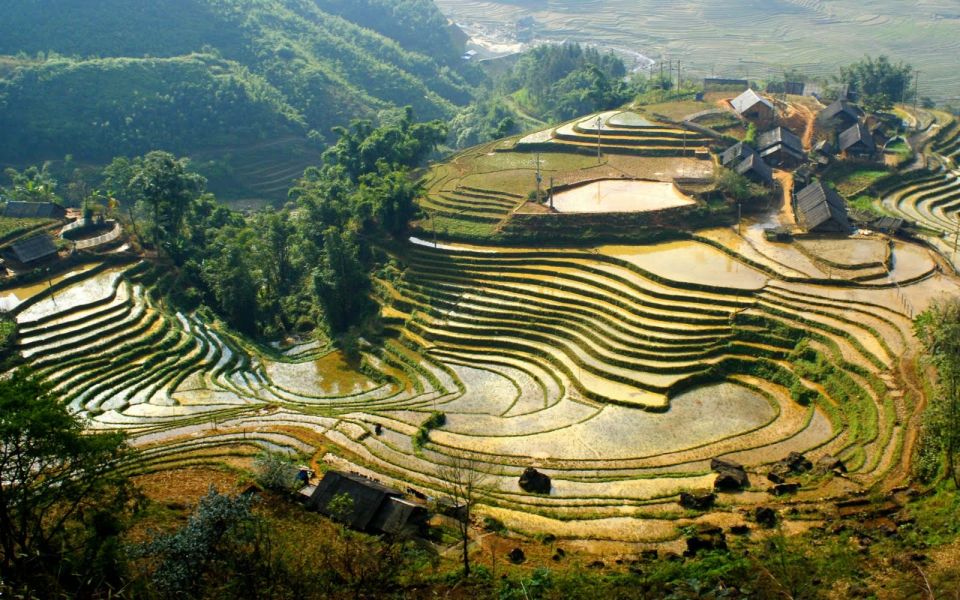
Day 3 begins differently than a hotel morning. You wake up to sounds from village life—roosters or pigs—and you’ll have breakfast outdoors. Expect pancakes plus hot tea or hot coffee, with views across the rice terraces.
After breakfast, the trek continues toward Giang Ta Chai. The route includes:
- walking through a bamboo forest
- visiting Silk Waterfall along the way
- stopping later for a picnic lunch with the scenic views
Then you head back toward the main road and catch a car or minivan to Sapa around 2:00 PM. You can shower at the hotel, and at 3:00 PM you transfer by shuttle to the bus office for your trip back to Hanoi. Before you leave, you’ll get sandwiches to take away.
This is also the day where flexibility helps. The program notes that plans can change due to weather and operating conditions. Some departures may end up feeling different than the printed version—so if you’re strict about what a “perfect Day 3” should include (like a specific picnic setup or a particular kind of stop), keep expectations flexible.
Why I think this day works: it balances movement with breaks, and it doesn’t end with you stranded in a distant village. You get back to Sapa with time to freshen up before heading down.
Food and Supplies: What’s Included and What You Should Budget
Meals included:
- 3 lunches
- 2 dinners
- 1 breakfast
- plus 2 bottles of water
Beverages are not included, so plan on buying drinks if you want something beyond water. Personal expenses also aren’t included, and it’s smart to bring cash—Vietnam Dong is best, with US dollars, euros, and Australian dollars also commonly accepted in Sapa.
What to bring matters more than most tours because this isn’t just walking on sidewalks:
- passport or ID card
- comfortable shoes and/or hiking shoes
- warm layers (Sapa nights can bite)
- hiking socks and something to protect your feet on uneven ground
- sunglasses, sunscreen, and insect repellent
If you’re planning to do any serious photo work, bring something that won’t trap you in your bag when the weather turns. The mountains can shift fast.
Price and Logistics: Is This a Good Deal for Your Time?
At $182 per person, you’re getting a full 3-day package that includes:
- Hanoi pickup and Sapa drop-off in the Old Quarter area (around 6:30–7:00 AM pickup)
- modern transport with an experienced driver
- an English-speaking guide for the Hanoi–Sapa transfer
- a local English-speaking guide in Sapa
- structured trekking with meals already handled
- 1 homestay night (with private room possible for an extra cost)
The biggest value is that you’re not doing the “coordination job” yourself. Transport up and down is handled, and the daily food schedule removes one of the hardest parts of rural treks: figuring out what’s open, what’s available, and what it costs.
Is it perfect value? If you’re the type who wants hotels every night and a clear, unchanging schedule, this might not feel “worth it.” Homestay standards are basic, and conditions can change the route plan. But if you’re aiming for real village time with a guide who knows the terrain, $182 stops feeling like a bargain and starts feeling like a fair price for an organized cultural trek.
Cold, Fog, and Altitude Reality: When Sapa Turns Weather-Dependent
Sapa has altitude, and the area can be foggy in December, January, February, and March. That affects visibility, photos, and sometimes comfort. Warm clothes are not optional if you’re traveling in cooler months.
In winter, expect:
- colder mornings and evenings
- damp feeling fog at altitude
- a stronger need for layers and a hat or scarf
Also, trekking comfort depends on footwear. The route includes downhill and uphill walking, and you’ll want shoes with grip for dirt and rock.
The tour info also notes that 9 km is not recommended for older guests or children. Even if you’re fit, this is a good guideline to respect. If you’re unsure, ask yourself honestly whether you can handle sustained walking on uneven ground while staying with a group.
Dogs, Craft Sales, and Other Small-But-Real Things
This trek has real village movement, which means real-life moments—some charming, some awkward.
Two practical ones:
- Stray dogs and narrow paths: a good guide can make a big difference here. In one example, guide Chu is described as cheerful and tireless, and he actively protected the group from stray dogs with careful awareness.
- Craft selling pressure: you may run into persistent offers to purchase crafts during village time. You can still enjoy the experience while staying firm. If you don’t want to buy, keep your budget and your boundaries clear.
The best way to handle both: treat it as part of the cultural contact, not as something that ruins the day. A polite no is enough.
Who Should Book This Sapa 3-Day Trek (and Who Should Skip)
This trip fits you if you want:
- real village walks with a guide who explains what you’re seeing
- an overnight homestay where dinner is part of the experience
- small-group trekking (10 max)
You should think twice if:
- you’re pregnant (not suitable)
- you have pre-existing medical conditions (not suitable)
- you’re traveling with people who won’t handle about 9 km of walking over the course of the trek days
Also, if you hate cold weather and you’re visiting in the foggy months, plan for layers and accept that visibility can be limited.
Should You Book This Hanoi to Sapa Trek With Homestay?
If you want a structured, guided trek that mixes viewpoints with actual village life, this is a strong choice. The value comes from the combination: transport, English guidance, meals, and that homestay dinner night where you’re not just watching—you’re eating and sharing time.
But book it with the right mindset. Sapa is weather-driven, homestay comfort is simpler than a hotel, and the day plan can shift. If you can handle modest uncertainty and you’re excited about walking in rural areas, you’ll likely come away feeling you saw Sapa the way locals see it—not just from a single viewpoint.
FAQ
FAQ
How long is the trek and what days does it cover?
It runs for 3 days and 2 nights. You start in Hanoi, arrive in Sapa for Day 1, trek and homestay on Day 2, then trek again on Day 3 before heading back to Hanoi.
What is included in the price?
The package includes pickup in the meeting point area, a modern shuttle bus with an experienced driver, water, English-speaking guides for the Hanoi–Sapa transfer and locally in Sapa, 3 lunches, 2 dinners, and 1 breakfast, plus shared accommodation in a local homestay (private rooms may be added for an extra cost).
How small is the group?
The tour is limited to a small group of up to 10 participants.
Where are pickup and meeting points in Hanoi?
Pickup is available from the Old Quarter area of Hoan Kiem district around 6:30–7:00 AM. Alternatively, you can meet at 9 Hàng Hương, Hàng Mã, Hoàn Kiếm, Hà Nội, Vietnam at 6:45 AM.
What kind of accommodation do you get in Sapa and in the homestay?
You stay overnight at a hotel in Sapa on Day 1, then you sleep in a local homestay on Day 2 night. The homestay facilities are not like hotel facilities in Sapa.
What meals are provided during the trek?
You get 3 lunches, 2 dinners, and 1 breakfast included. Beverages are not included.
Is this trek suitable for kids or older guests?
The tour information notes that 9 km is not recommended for older guests or children.
What should I pack for the weather in Sapa?
Bring warm clothing (Sapa can be cold and foggy in December through March), a scarf and hat if needed, comfortable hiking shoes, sunglasses, sunscreen, and insect repellent.