REVIEW · HIKING & TREKKING
From Hanoi: 2 Days Luxury Sapa Trek & Fansipan Peak with Dcar
Book on Viator →Operated by SST TRAVEL · Bookable on Viator
A two-day Sapa plan with minimal hassle is rare. This one earns its fans with air-conditioned Dcar transport and a small group (max 10) feel, so you spend more time walking and looking, less time organizing. You also get guided village stops that help you understand daily life beyond quick photo stops.
What you’re really buying is a smooth rhythm: Hanoi to Sapa with comfortable round-trip transfer, then short treks to places like Cat Cat Village and onward toward Lao Chai and Ta Van. For the money, the included meals and hotel keep the trip from turning into a scavenger hunt for logistics.
One thing to plan for: if you want to go up to Fansipan, the Fansipan cable car isn’t included, and weather can affect what you actually see from the top.
In This Review
- Key things that make this Sapa trip worth your time
- Hanoi to Sapa on Dcar: the part you’ll thank yourself for
- First afternoon in Sapa: check-in, lunch, and costume spotting
- Cat Cat Village walk: stilt houses, crafts, and the waterfall payoff
- Lao Chai and Ta Van: two cultures, two different rhythms
- Day two start: breakfast, checkout, and your Fansipan choice
- Fansipan and the weather problem you can’t skip
- Price and value: why $110 can work well here
- Hotels and meals: the hidden comfort layer
- Transportation timing: what to expect, and how to plan your day
- Who this Sapa trek is best for
- Practical tips to make the most of your two days
- Should you book this 2 Days Luxury Sapa Trek & Fansipan Peak with Dcar?
- FAQ
- What is the starting meeting point in Hanoi?
- What time does the pickup start?
- How long is the trip?
- Is hotel accommodation included?
- What meals are included?
- Are entrance fees included?
- Is Fansipan included in the ticket price?
- What kind of transport is included between Hanoi and Sapa?
- Is free cancellation available?
Key things that make this Sapa trip worth your time
- Comfort-first transfer from Hanoi: Round-trip Dcar Limousine takes the stress out of the long road.
- A guided trek with real village texture: You’re not just driving past; you’ll walk downhill toward Cat Cat and visit stilt houses and daily craft work.
- Culture-focused stops: Expect time around H’mong and Dzao areas, plus later visits linked to Lao Chai and Ta Van.
- Cat Cat waterfall time: It’s part of the day’s flow, not an afterthought.
- Optional Fansipan add-on: You can choose the Dragon’s Jaw mountain option or go toward Fansipan, but cable car costs extra.
- Hotel plus meals are included: Breakfast and lunches are built in, which matters when you’re trekking.
Hanoi to Sapa on Dcar: the part you’ll thank yourself for
The trip starts with pickup at Hanoi Opera House (1 Tràng Tiền, Hoàn Kiếm) around 6:30am. From there, you head to Sapa by round-trip Dcar Limousine (Hanoi–Sapa–Hanoi), which is a big deal in this kind of itinerary. Sapa road time can eat your energy, so having comfortable transport helps you arrive still ready to walk.
Most importantly, this schedule puts you in Sapa early enough to actually use the afternoon. You reach Sapa Town around 1:00pm, then you’re not stuck sitting around wondering what to do next.
If you care about getting your trip organized fast, you’ll likely appreciate that the tour uses a mobile ticket, so you’re not scrambling at the last minute.
You can also read our reviews of more tours and experiences in Hanoi

First afternoon in Sapa: check-in, lunch, and costume spotting
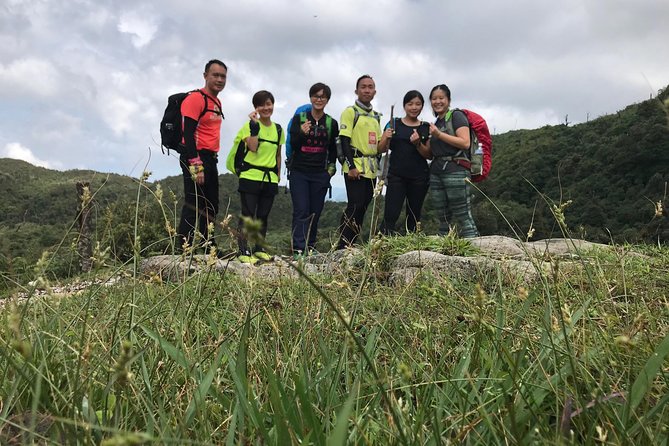
Once you arrive in Sapa, the plan is straightforward: lunch and check-in at a 3-star hotel. You’ll then have time to start exploring right away, with the trek beginning in the mid-afternoon (around 2:30pm).
Sapa can feel like a color parade when you first arrive. The region is known for traditional outfits from groups like H’mong, Dzao, and Tay, and the early look gives you a sense of place before the walking starts. Even if you’re not a “culture shopper,” it’s a useful orientation moment.
The practical win here is pacing. You don’t start trekking at dawn on day one. You settle in, eat, and then head out for a downhill walk.
Cat Cat Village walk: stilt houses, crafts, and the waterfall payoff
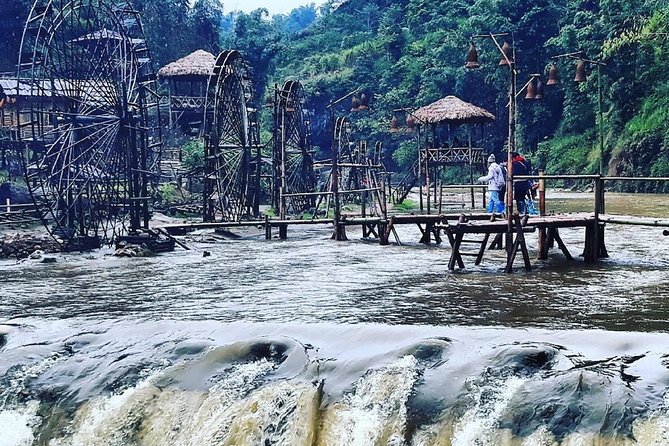
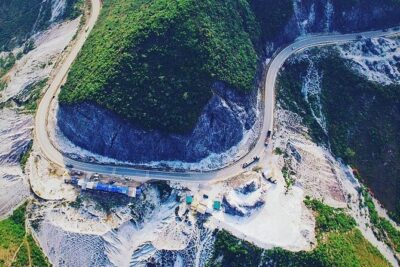
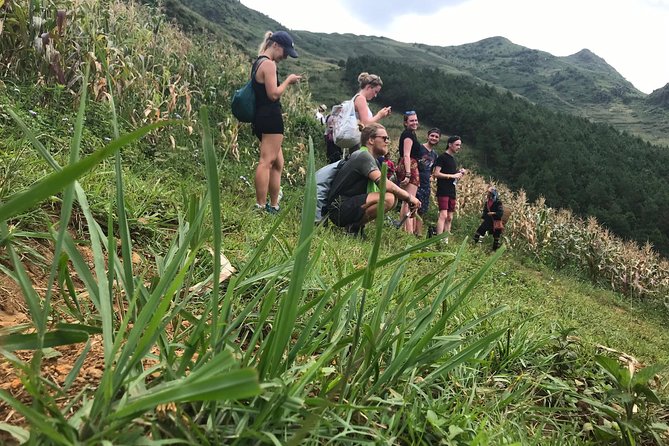
Day one’s walking section takes you downhill to Cat Cat Village, at the bottom of the Muong Hoa Valley. Expect spectacular valley views toward Fansipan from along the way—though remember that mountain visibility depends on the weather.
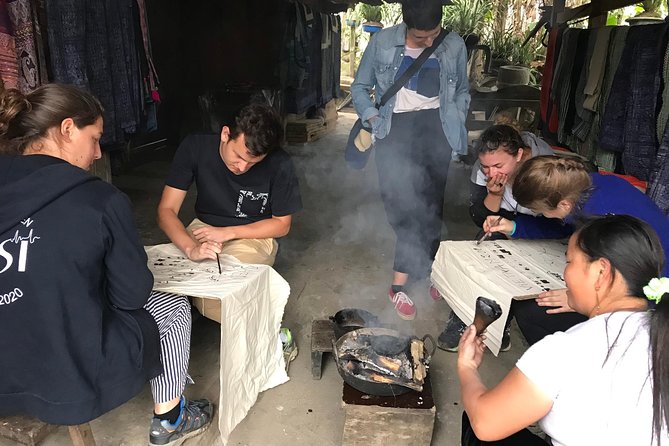
Cat Cat is more than a name on a map. You’ll have a chance to visit Black H’mong traditional stilt houses, and you’ll also see everyday work like weaving and embroidering, plus clothes being dried. This is the kind of stop that makes the trip feel lived-in instead of staged.
Then comes the part many people remember most: time to visit the Cat Cat Waterfall. It’s not a long detour, but it gives the day a natural climax before you return.
Why this is good for you: downhill treks tend to feel manageable over a short timeframe, and the sequence (village → crafts → waterfall) keeps the afternoon from feeling repetitive.
Possible drawback to consider: Cat Cat is popular. If you want quiet, slow, empty trails, you may need to set your expectations. Still, the crafts and stilt-house visit give it more meaning than a quick photo stop.
Lao Chai and Ta Van: two cultures, two different rhythms
Later in the day’s broader experience, the tour includes walking through rice-terrace country toward Lao Chai, where you can learn about Black H’mong daily life and traditional culture. This is where you start seeing how communities manage the land and seasons, not just what their clothing looks like.
The route then connects you to Ta Van village, home to the Tay minority, and the overview highlights a strong Chinese cultural influence in the area. That’s a fascinating detail to keep in mind as you walk—different villages can feel like different worlds just a few valleys apart.
Why this matters: in Sapa, the scenery is famous, but the reason people keep returning is cultural variety. Stops like Lao Chai and Ta Van turn the trip from sightseeing into understanding how people live here.
A reality check: trekking is listed at a moderate fitness level. You don’t need to be an athlete, but you should be comfortable walking on uneven paths and stairs.
Day two start: breakfast, checkout, and your Fansipan choice
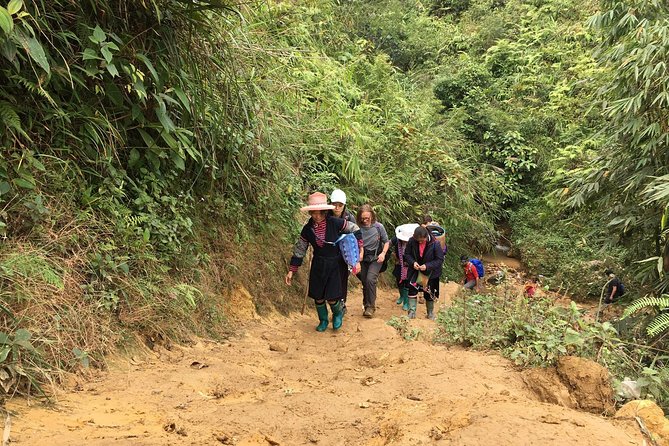
On day two, breakfast is served from about 7:00am to 8:30am, then you check out and start the second half of the experience around 9:00am.
Here’s the key fork in the road:
- You can trek up Ham Rong (Dragon’s Jaw) Mountain, which gives you another chance for sweeping views.
- Or you can travel toward Fansipan using transport like a train and cable car.
The big point: Fansipan cable car is not included in the tour price. So if Fansipan is your “must see,” plan extra time and extra budget for the final lift.
The time window on day two is tight enough that you’ll want to choose based on your energy and weather. If clouds roll in, a long ride to the top may feel underwhelming.
You can also read our reviews of more hiking tours in Hanoi




Fansipan and the weather problem you can’t skip
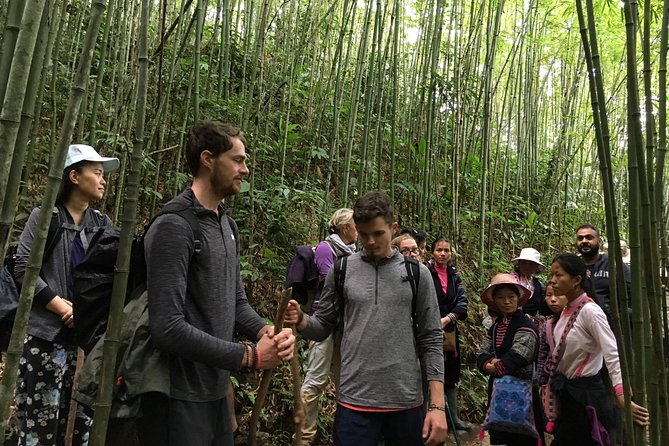
Fansipan is the highest peak in Vietnam (and part of the larger Indochina highland story). It’s a headline attraction for a reason. But the experience depends heavily on conditions.
One feedback note highlighted that rain and clouds can limit what you see while on Fansipan, so the peak might hide behind the weather. That doesn’t mean it’s pointless—mountain views can still shift quickly—but it does mean you should pack mentally for both outcomes.
Practical advice: bring a light rain layer and expect mist. If visibility is poor, treat it as a scenic ride and a moment to appreciate the scale of the terrain, not just a guaranteed photo moment.
Price and value: why $110 can work well here
The price is listed at $110 per person for about two days. At first glance, it’s easy to focus on what’s missing (like Fansipan cable car). But the value is in what’s included:
- Round-trip Dcar limousine between Hanoi and Sapa
- English-speaking guide
- Hotel accommodation (3-star or optional upgrade)
- Breakfast plus two lunches
- Entrance fees and bottled water
For many travelers, the expensive part of a short Sapa trip isn’t only the trekking. It’s the transportation and the fact that you need a guide to stitch villages, trails, and timing into a single plan.
This tour also caps group size at 10 travelers, which usually helps with comfort and how quickly questions get answered.
If you’re comparing options, ask yourself this: would you be able to line up transport, hotel, guide, entrance fees, and meal timing on your own for a similar price without stress? In this case, the inclusions are the selling point.
Hotels and meals: the hidden comfort layer
The schedule includes a 3-star hotel on day one, with an option for 5-star accommodation (single surcharges apply). The trip includes lunch twice and breakfast once, so you’re not eating on the clock while you’re walking.
One praised detail was that the hotel was clean and located close to the center and restaurants, which matters in Sapa where evenings can be busy and spread out.
Why you should care: when trekking is short and structured, the hotel and meals are what determine whether you end the day with energy or exhaustion. Included meals also help you avoid hunting for something that fits your taste and your budget.
Transportation timing: what to expect, and how to plan your day
This tour has very specific timing anchors. Pickup starts around 6:30am, you reach Sapa around 1:00pm, and the day-one trek starts roughly 2:30pm and returns about 5:00pm for rest.
Day two starts with breakfast 7:00am–8:30am, then movement begins around 9:00am.
Because the route is tight, you’ll get the most out of it if you travel light and keep your morning simple. If you’re the type who likes to start wandering on day two at 10:00am, this itinerary will feel rushed. If you like a guided plan where you know what’s next, it fits well.
Who this Sapa trek is best for
This experience is ideal if you:
- want comfortable, guided trekking without complicated planning
- prefer a small group setup
- like village visits that include stilt houses and everyday craft work
- have moderate fitness and want a two-day “taste” of Sapa
It’s less ideal if you:
- want a slow, private trek with zero crowds
- hate the idea of a weather-dependent viewpoint (Fansipan especially)
- expect everything to be included up top (Fansipan cable car is extra)
Practical tips to make the most of your two days
A few things will help you enjoy the trek more and reduce friction:
- Wear grippy shoes for uneven paths and stairs.
- Bring a light rain layer. Weather can turn fast in the highlands.
- Keep cash or payment options ready for the Fansipan cable car add-on if you go.
- Pack a small day bag so you’re not digging through your main luggage during the walk.
- Arrive with a flexible mindset: mountain visibility can change the feel of the day.
Should you book this 2 Days Luxury Sapa Trek & Fansipan Peak with Dcar?
If you want Sapa with less hassle, I’d lean yes. The big strengths are the comfortable Dcar transfer, the included guide + meals + hotel, and the fact that you’re walking to places like Cat Cat Village and the waterfall, plus onward village areas such as Lao Chai and Ta Van. That’s a lot of structure for a short timeframe, and it’s exactly what most first-timers need.
I’d think twice if Fansipan is your only goal and you can’t handle weather uncertainty or extra costs for the cable car. In that case, decide ahead of time whether you’ll still enjoy Dragon’s Jaw (Ham Rong) if visibility is poor.
FAQ
What is the starting meeting point in Hanoi?
The tour starts at Hanoi Opera House, 1 Tràng Tiền, Hoàn Kiếm, Hà Nội, Vietnam.
What time does the pickup start?
Pickup starts at 6:30am.
How long is the trip?
It’s listed as 2 days (approx.).
Is hotel accommodation included?
Yes. The tour includes accommodation in 3-star or 5-star hotels (optional).
What meals are included?
The tour includes breakfast and lunch (2 times).
Are entrance fees included?
Yes. Entrance fee is included.
Is Fansipan included in the ticket price?
Fansipan access is not fully included. The plan notes Fansipan cable car is not included.
What kind of transport is included between Hanoi and Sapa?
You get a round-trip Dcar Limousine: Hanoi – Sapa – Hanoi.
Is free cancellation available?
Yes, it offers free cancellation up to 24 hours in advance for a full refund.