REVIEW · HIKING & TREKKING
3-Days Sapa Trekking With Local Guide Overnight in Tavan Village
Book on Viator →Operated by Best Vietnam Tours · Bookable on Viator
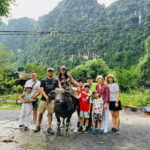
A good hike in Sapa starts before sunrise. This 3-day trek pairs an early Hanoi pickup with a long day on foot through rice terraces, streams, and hill-tribe villages, then hands you simple village nights in Ta Van. You also get an English-speaking guide and a schedule built around real walking, not just sightseeing.
I especially like two things: the way the group trek feels well-managed (the pace stays smooth even on longer stretches), and the focus on village food and hands-on moments like a cooking class that teaches dishes such as Phở and Nem Cuốn. If you’re lucky enough to have Ai or Chao as your guide, you’ll get clear explanations and practical care along the way.
One thing to consider: the trekking days can feel long, especially if you’re a beginner. Even so, the guides do know how to support you and may be able to adjust pacing with shortcuts if needed.
In This Review
- Key highlights worth your attention
- Entering Sapa’s trekking world from Hanoi (pickup to first steps)
- Sapa Town to Ta Van: Y Linh Ho, terraces, and Muong Hoa Stream
- Ta Van bungalow nights: simple stays and real village meals
- Day 2 in the hills: cooking class, bamboo forest, and Giang Ta Chai views
- The last trekking day: 6 km to Lao Chai and Hang Cung
- Logistics that affect comfort: pacing, group size, and what’s included
- Who should book this Sapa trek (and who should rethink it)
- Should you book this Sapa trekking experience?
- FAQ
- How long is this 3-day Sapa trekking tour?
- Where does the tour start in Hanoi?
- What meals are included?
- Do I need travel insurance?
- What is the trekking difficulty and fitness level?
- Can I cancel for a full refund?
Key highlights worth your attention
- English-speaking guide support with clear on-the-trail guidance and helpful info
- Ta Van bungalow overnights that keep you close to the village rhythm
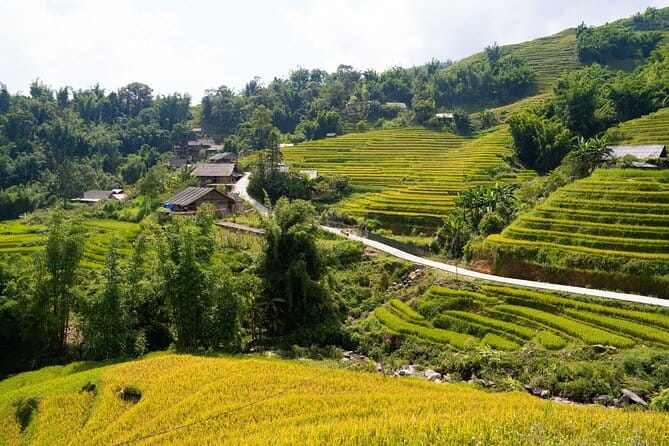
- Rice-terrace days with photo stops plus viewpoints around Giang Ta Chai and Hang Cung
- Cooking class morning (Phở and Nem Cuốn) plus a family-prepped breakfast
- A defined trekking length on the last day (about 6 km, over 2 hours)
- Small group size (max 15) which usually makes the trek feel easier to manage
Entering Sapa’s trekking world from Hanoi (pickup to first steps)
This tour is built for people who want to do Sapa with structure. You start with a 6:00 pickup from the Hanoi Old Quarter area (meeting point is 30 P. Lý Thái Tổ), then board a modern air-conditioned bus for the ride to Sapa Town.
The ride is not a quick hop, so plan to treat it like a transportation day with rest breaks. You’ll stop once around the Lao Cai highway area and again in Lao Cai city before continuing to Sapa, arriving around 13:00. That arrival time matters: it gives you daylight hours to get oriented, meet the guide and driver, and begin the trekking portion the same day.
When you reach Sapa Town, you’ll wait about 30 minutes at the bus station for pickup by your guide and driver. Then hiking starts around 14:30. This is one of those tours where the schedule moves right along—if you’re the type who hates standing around, this may feel efficient. If you need a slower transition, it can feel like a lot on Day 1.
You can also read our reviews of more guided tours in Hanoi


Sapa Town to Ta Van: Y Linh Ho, terraces, and Muong Hoa Stream
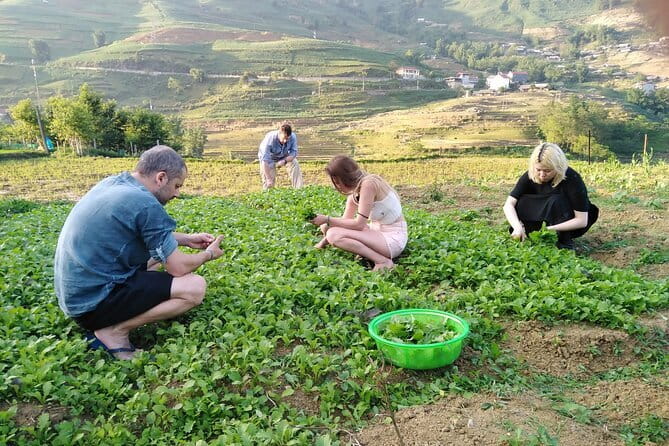
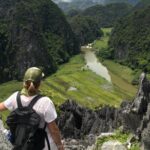
After Sapa Town pickup, the first real trekking stretch begins through Y Linh Ho, then continues past rice terraces and along the Muong Hoa Stream. The goal on this first hiking day is to reach the area of the Black Hmong village of Lao Chai, with views toward Hoàng Lien Son Mountain.
This day’s big value is that you get the iconic walking scenery early—terraced fields, stream views, and village paths—without waiting two full days to start. It also sets expectations: this is not only a gentle walk between viewpoints. You’re on trails long enough that you feel like you earned your photo stops.
Timing-wise, Day 1 is the longest “transition-and-trek” day. Even with guide support, you’ll want to wear proper shoes and bring a light rain layer if the weather shifts. By the time you finish the day’s walking, you’ll likely be ready for the simpler comfort of village-style lodging.
Also, note the lodging concept in the tour description can be slightly confusing: the overview talks about 2 nights in a hill-tribe homestay plus 1 hotel night, but the detailed plan here indicates 2 nights in bungalow. Before you go, I’d confirm exactly what nights and lodging type you’ll get for your dates.
Ta Van bungalow nights: simple stays and real village meals
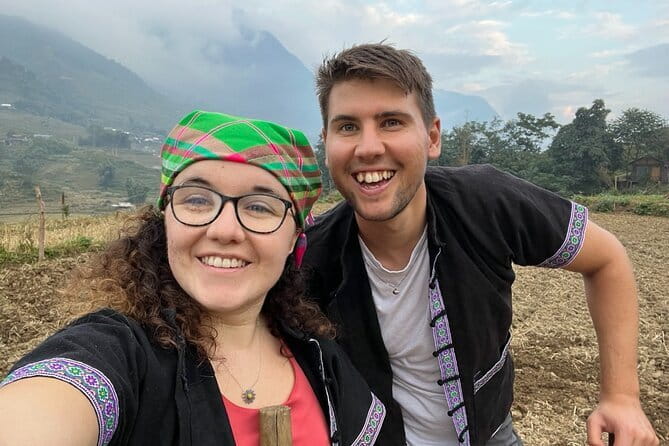
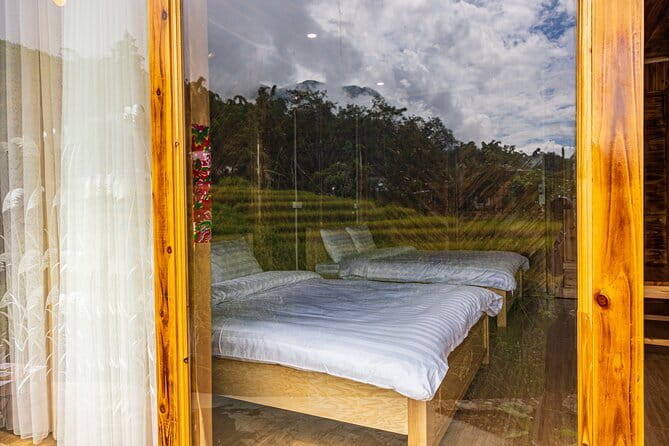
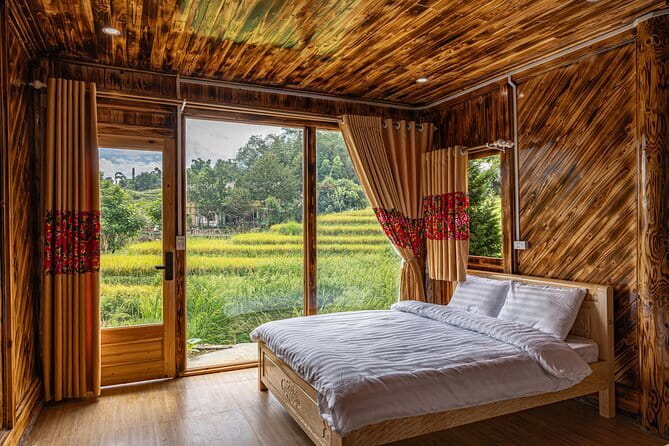
The overnight portion is a core part of why this tour works. You spend two nights in a bungalow in the Ta Van area, which keeps the experience grounded in everyday hill-tribe life rather than a hotel-based day trip.
Expect basic comfort, not luxury. In exchange, you get something more interesting: home-prepped meals and time around the family setting. The included meals are substantial: 2 breakfasts, 3 lunches, and 2 dinners, and you also get 2 bottles of water per person per way on the bus.
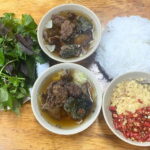
What I like about this setup is practical. You don’t have to decide where to eat after a long hike. You also get at least one structured “food experience,” which leads directly into the cooking class the next morning.
If you’re sensitive to rougher conditions—limited hot water, simpler bedding, and the general “village basic” standard—this is where you should think twice. If you’re flexible and you’d rather spend time in real places than polish hotel comforts, this part can feel like the highlight.
Day 2 in the hills: cooking class, bamboo forest, and Giang Ta Chai views
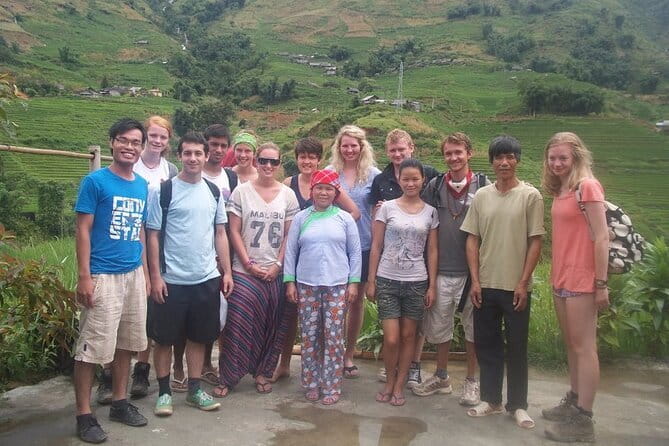
Day 2 starts with a hands-on morning. Around 7:00, you can join a cooking class where you learn to make Vietnamese favorites like Phở and Nem Cuốn. Even if you’re not chasing a foodie souvenir, this is a smart add-on because it breaks up the trekking rhythm and gives you a reason to slow down.
After that, breakfast is prepared by the family. Then you head out again around 8:00 for a trek that includes several built-in moments for scenery and photos.
At 8:45, you walk to rice paddies for a photo session. After that comes a bamboo forest segment and a viewpoint stop for a panorama around Giang Ta Chai. This is where the tour gives you “pause points” instead of making every minute walking. On a trek, those pauses matter because they let you actually look—rather than only moving through places.
The afternoon gives you breathing room: you have free time to explore Ta Van by yourself, then return to your bungalow for the night. I like this pattern because you still get guided structure in the morning, but you can wander a bit without feeling like you’re on a conveyor belt.
The last trekking day: 6 km to Lao Chai and Hang Cung
Your final day keeps a clear trekking structure. After breakfast around 7:30, you begin the walk around 8:30–8:45. The trekking distance is about 6 km, lasting over 2 hours.
The route goes through Ta Van Mong Village, then continues toward Hang Cung Village for stunning views of terraced rice fields. This is a good distance for most active people, but not a “casual stroll.” If you’re new to hiking, you might feel it more than you expect—especially with the accumulated fatigue from Day 1 and Day 2.
This is also where a good guide makes a visible difference. In past experiences of this type, I’ve seen that the best guides keep your group from getting stretched too thin and make it feel manageable. The positive feedback on Ai and Chao is exactly about that kind of on-trail steadiness—helpful information, smooth pacing, and a sense that you’re not stuck figuring things out alone.
Once the walk ends, you’re not stuck waiting around. At 15:00, you board the bus back to Hanoi. You’ll arrive around 21:30, then get back to your hotel area by yourself.
You can also read our reviews of more hiking tours in Hanoi



Logistics that affect comfort: pacing, group size, and what’s included
Let’s talk practical value. At $82 per person, you’re paying for more than a bus ticket. You get:
- Round-trip transport by modern air-conditioned bus between Hanoi and Sapa
- An English-speaking tour guide
- Two nights in a bungalow
- A full meal plan (2 breakfasts, 3 lunches, 2 dinners)
- Water bottles on the bus (2 per person per way)
- Mobile ticket support
- Small group size (max 15), which usually means less chaos on narrow trails
That bundle matters because hiking tours can become expensive fast once you add meals, guide time, and lodging. Here, the structure is already included, so your budget stays predictable.
Two things aren’t included. Beverages and travel insurance are not part of the package. Also, VAT and personal expenses aren’t included, and there can be a surcharge on public holidays like Lunar New Year, payable on-site. If you’re traveling during a major holiday window, I’d set aside a little extra cash just in case.
Who should book this Sapa trek (and who should rethink it)
This tour is a strong match if you want:
- A guided trek that focuses on walking and viewpoints, not only town stops
- Village overnight time in Ta Van, not just a day trip
- A small group where the guide can keep an eye on everyone
- A “more than sightseeing” morning with a cooking class
It may not be the best choice if you:
- Want very short, easy hikes every day
- Plan to rely on minimal walking
- Expect hotel-grade comfort every night
The physical requirement is listed as moderate fitness. That fits most active travelers, but the key word is moderate. If you’re already comfortable doing hours of walking on uneven ground, you’ll likely feel good.
If you want an extra comfort layer, pick shoes you trust, carry a small daypack, and don’t be shy about asking your guide to adjust your pacing. That support is part of how this experience stays enjoyable.
Should you book this Sapa trekking experience?

I’d book it if you want a 3-day trek that’s organized enough to feel safe, yet real enough to feel like you left the main tourist loop. The best reasons are simple: English-speaking guide care, structured trekking with photo/view stops, and real village food and village nights in Ta Van.
I’d pause and confirm lodging details if your dates depend on the promise of a hotel night, since the plan shown here centers on two bungalow nights. And if you’re a first-time hiker, I’d be honest with yourself about the longer trekking hours—this isn’t a walk-and-glance tour.
If those points fit your style, this is one of the more budget-friendly ways to do Sapa with genuine time on the trails.
FAQ
How long is this 3-day Sapa trekking tour?
It runs for about 3 days. You start early from Hanoi, hike through Ta Van and nearby villages, then head back to Hanoi on the third day, arriving around 21:30.
Where does the tour start in Hanoi?
The start point is 30 P. Lý Thái Tổ, Lý Thái Tổ, Hoàn Kiếm, Hà Nội, and pickup is offered from the Hanoi Old Quarter area.
What meals are included?
The tour includes 2 breakfasts, 3 lunches, and 2 dinners. Bottled water is also included on the bus for both ways (2 bottles per person per way).
Do I need travel insurance?
Travel insurance is not included, so you’ll want to arrange it separately if you need it.
What is the trekking difficulty and fitness level?
The tour is listed for people with moderate physical fitness. On the third day, the trek is about 6 km and lasts over 2 hours, so plan for more than light walking.
Can I cancel for a full refund?
Yes. You can cancel up to 24 hours in advance for a full refund. If you cancel less than 24 hours before the experience starts, the amount paid is not refunded.