REVIEW · HIKING & TREKKING
3 Day 2 Night Trek
Book on Viator →Operated by Sapa Tribal Trekking · Bookable on Viator
Rice terraces and real people in three days. This Sapa trek pairs an English-speaking local guide with off-the-beaten-path village routes, so the trail stays quiet and the views feel earned. You’ll meet H’Mong, Dzay, Tay, and other communities in daily life, not staged stops.
I love the homestay setup. You sleep with local families, eat family meals, and you may have wifi and hot showers, then finish the day huddled around an open fire with rice wine and local food.
The only drawback to plan for is the pace and weather. You’re aiming for moderate fitness, and the experience depends on good conditions, with the option to switch dates or get a refund if it’s canceled due to poor weather.
In This Review
- Key things that make this trek worth your time
- Sapa’s tribal villages, not the tourist conveyor belt
- Price and value: what $180 buys you in real terms
- Day 1: from Y Linh Ho into Lao Chai, then Ta Van at sunset
- Day 2: bamboo forest, Red Dzao villages, and the quiet valley
- Day 3: sunrise in Ban Ho, meeting Nam Toong, then back to Sapa
- Homestays, Wi‑Fi, hot showers, and the comfort question
- Your guide: Giang’s style and why timing matters
- What to pack (so you can enjoy the trek, not suffer it)
- Who should book this trek, and who might want something easier
- Should you book? My honest take
- FAQ
- How long is the trek?
- What time does the tour start?
- Where does the trek begin and end?
- How much trekking is there on Day 1?
- Do I get picked up in Sapa?
- What meals are included?
- Will I have access to wifi and hot showers?
- What ethnic communities and villages are visited?
- Is this a private tour?
- What if the weather is poor?
- Is service animals allowed?
Key things that make this trek worth your time
- English-speaking guide support (including local family guidance), with route timing set to your group
- Day 1 is about 12 km (around 3.5 hours), plus village walking that feels longer than the numbers
- A village sequence focused on specific ethnic communities, not random photo stops
- Homestay nights plus real evenings, often including an open fire and rice wine
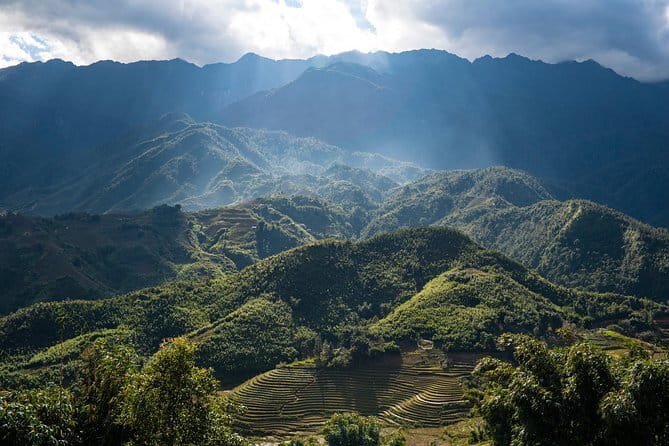
- Scenery that stays calmer, since the route is designed to avoid the most crowded trails
- Simple logistics built in, like pickup being offered and a mobile ticket
Sapa’s tribal villages, not the tourist conveyor belt
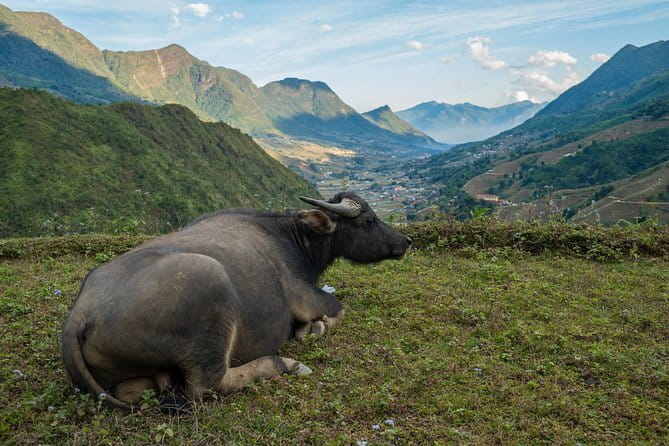
This is the kind of trek that changes your whole rhythm of travel. Instead of bouncing from landmark to landmark, you walk between villages where people actually live, farm, cook, and host. That difference shows up fast: you’ll feel like you’re joining a daily routine, not “doing” a checklist.
A big reason it works is the guide team. You’ll be with one (or more) English-speaking native local guides who know Sapa and the surrounding area, including its culture and the tribes in the region. In practice, that means you’re more likely to understand why people dress the way they do, how the rice terraces shape life, and what the mountain landscape means to the families you meet.
The other smart choice is avoiding other tourist routes. You still get big views, but the trek is paced for quiet. That matters if you’ve ever felt like you were hiking through someone else’s highlight reel.
You can also read our reviews of more evening experiences in Hanoi

Price and value: what $180 buys you in real terms
At $180 per person for about three days and two nights, the price isn’t “cheap,” but it’s also not overpriced for what you’re getting. You’re paying for three things that are hard to replicate on your own in Sapa:
- Guiding and interpretation with English support
- Homestay connections with families in multiple ethnic communities
- Meals across multiple days, including breakfast twice, lunch three times, and dinner twice
You’re also not just buying time outside. You’re buying access—access to villages like Lao Chai, Ta Van, Ban Ho, and Nam Toong, plus conversations with hosts rather than quick photo moments. Even the practical extras help. Pickup is offered, there’s a mobile ticket, and the tour is set up as a private activity for your group.
One more value signal: it’s commonly booked around 65 days in advance. That usually means people plan ahead for a better match between trekking days and weather in Sapa.
Day 1: from Y Linh Ho into Lao Chai, then Ta Van at sunset
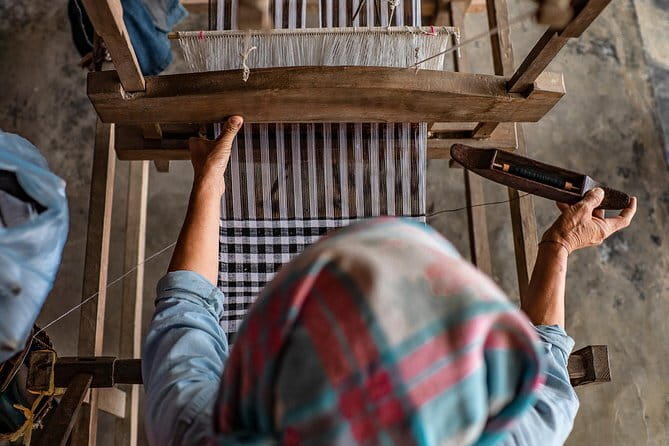
Day 1 starts with a cultural warm-up. You’ll experience colorful traditional costumes from several ethnic groups, including H’Mong, Dzao, Tay, Zay, and Xa pho. This isn’t just visual. It sets context for what you’ll see later on the trail, especially how identity shows up in everyday clothing and craft.
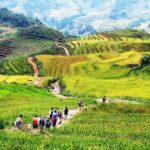
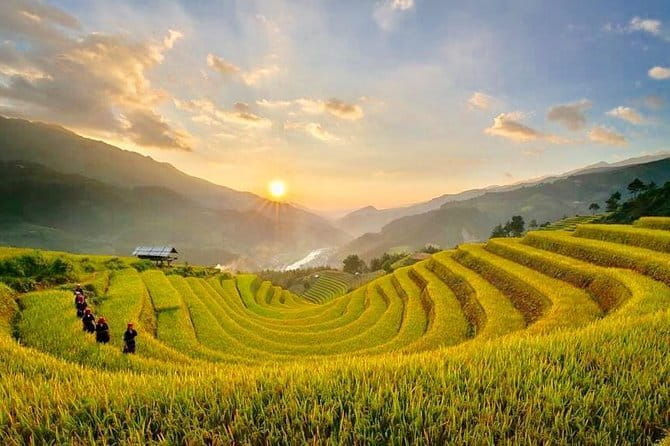
Then the hiking begins in earnest. You’ll visit Y Linh Ho and trek through the rice terraces and along the Muong Hoa Stream. From there, you’ll reach the Black Hmong village of Lao Chai and take in the view of Hoang Lien Son Mountain. This is where the trek starts feeling like a mountain journey rather than a walk.
The numbers are clear: about 12 km and around 3.5 hours of trekking. What’s not captured in a distance estimate is the rhythm of village paths, terrace steps, and breaks for photos or questions. You’ll feel it more as “slow travel by foot” than as a workout sprint.
Late afternoon you approach Ta Van, where Dzay ethnic people live. You’ll check in at your homestay or local house, meet your hosts, and watch the sunset. Dinner is either with the family or enjoyed at the homestay at your own pace. If you’re tired, this is also a kindness: Day 1 ends with mountains and family time, not another forced long activity.
Possible snag: Day 1’s length plus the first-time altitude feel can hit your legs. If you’re not used to trekking, plan for sore calves and don’t try to “make up time” during stops.
Day 2: bamboo forest, Red Dzao villages, and the quiet valley
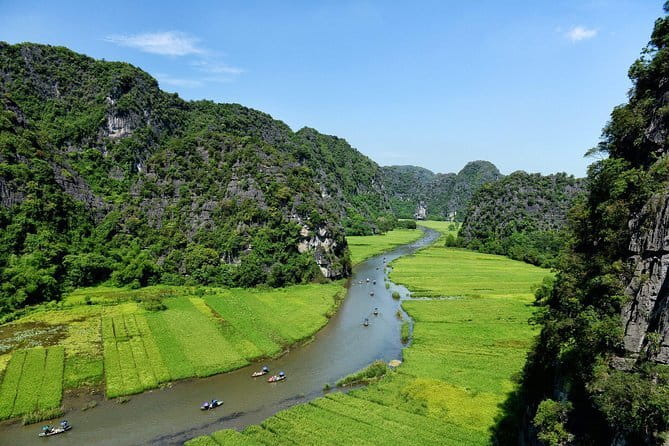
Breakfast is prepared by your host family or local house, then you head back onto the trail. One of the pleasures here is that you’re not rushing breakfast and out the door like it’s a bus schedule. You start the day with rice and local food energy, then walk through rice fields while the morning light does its thing.
You’ll trek through a bamboo forest and then pause for panoramic views of Ta Van and Giang Ta Chai village, home of the Red Dzao People. This stop is important because it changes what you think you’re hiking toward. Instead of one destination, you start seeing a whole patchwork of villages and terraced slopes connected by valleys and streams.
After that, the route takes you toward Su Pan for lunch at the home of H’Mong or Dzao ethnic people. Lunch with a family like this tends to be the real learning moment. You get a chance to ask simple questions about daily routines, farming, or what life looks like through different seasons. And it’s usually when your guide is most relaxed, too, because you’re not just passing through.
In the afternoon you’ll trek through rice terraces and along the valley with peaceful scenery and fewer people around. That matters because it gives your brain time to settle. You’ll approach Ban Ho village and check in at your homestay with Tay people.
Evening options are flexible. You may attend farming or cooking with the family, or you can take a quieter dinner and simply rest. Either way, you’re getting the “back to basics” effect the tour talks about—small conversations, simple routines, and a slower pace than town travel.
Day 2 consideration: expect uneven footing. Paths between terraces and stream edges can be slippery if conditions are damp, and bamboo forest sections can be cooler and darker. Proper shoes help a lot.
Day 3: sunrise in Ban Ho, meeting Nam Toong, then back to Sapa
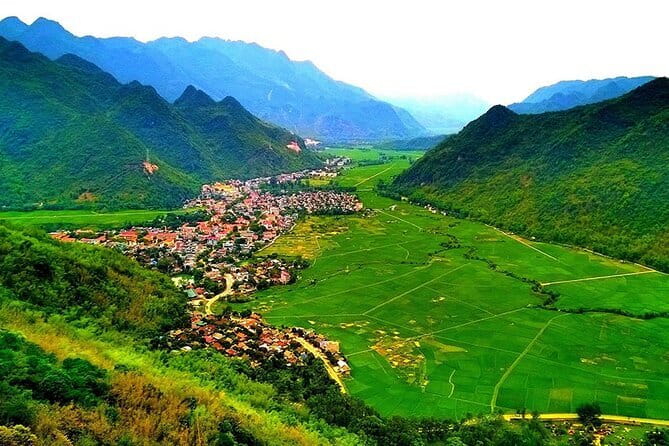
Day 3 begins with sunrise and breakfast prepared by the Ban Ho family. Waking up in a village is its own experience here because you’re not just photographing the morning—you’re living it for a meal. It’s also the day when you might notice how your relationship with the place has changed. Where you felt like a visitor on Day 1, you start feeling like you have a small place in the schedule.
After breakfast, you trek through Nam Toong village, home of Tay and red Dzao people. There’s time to meet local people and learn about daily life and how they live in the mountains. Then lunch happens either at a restaurant or a local house.
After lunch, you return to Sapa. The trip ends back at the meeting point, so you’re not stuck figuring out the last gap in town.
The biggest “trade-off” on Day 3 is emotional. The trek builds connection across three days, so leaving can feel quick. Plan a flexible afternoon in Sapa after you return, so you can decompress without rushing to your next transport.
You can also read our reviews of more hiking tours in Hanoi
Homestays, Wi‑Fi, hot showers, and the comfort question
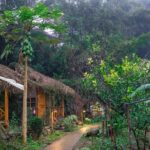
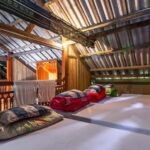
Homestays are the heart of this experience. You’re staying with families—either in a homestay option that can include wifi and hot showers, or in an authentic local house setting with a family. That means the comfort level can vary a bit depending on your specific host arrangement.
What stays consistent is the social pace. You’re not dropped off to sleep and wait. You’re expected to spend time chatting with your hosts, share meals, and participate if you want. If you like food, this is a major win: rice wine, local delights, and whatever your hosts are preparing typically become the highlight memory for many people.
My practical advice: don’t treat the wifi and hot shower details as a guaranteed “hotel replacement.” Instead, treat them as a bonus if you get them. Bring an open mind, and the homestay night becomes the main reason you booked in the first place.
Your guide: Giang’s style and why timing matters
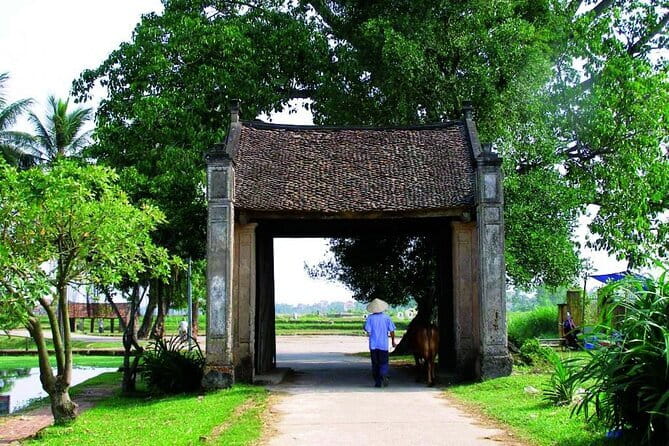
One of the strongest signals from people who do this trek is the guide. In particular, Giang comes up again and again for being helpful and responsive. She’s known for offering suggestions on how to get to Sapa from Hanoi, including arranging a taxi pickup from a bus office and handling luggage storage. That kind of help reduces stress, especially if you’re arriving by bus and juggling timing.
On the trail, guides like Giang also adjust routes and timings to match the group’s needs. That’s not a small detail. In trekking, the difference between a “brisk” walk and a comfortable pace can be the difference between enjoying village time or feeling rushed.
Giang’s family also appears in the experience. Her niece, Zo, and someone named Ma can join on guiding duties. That matters because it means you’re not just passing through while one person does the talking. You often get multiple perspectives, and those small additions can make questions feel easier and more natural.
What to pack (so you can enjoy the trek, not suffer it)

Since this is a walking-focused tour with rice terraces, streams, and forest sections, your packing strategy should be simple:
- Comfortable trekking shoes with grip
- A light layer for mornings and mornings in bamboo areas
- A rain layer or poncho if weather shifts
- A small day bag for water and essentials
Bring cash if you plan to buy small items, and keep your phone charged if you want photos. But don’t let tech take over. This tour is at its best when you’re looking up at terraces, listening, and asking questions when your guide slows down for village stops.
Also, consider the physical demands. With a Day 1 trek of about 12 km in roughly 3.5 hours, and additional walking between villages across Days 2 and 3, you should be comfortable with moderate hiking.
Who should book this trek, and who might want something easier
This is ideal if you want more than “see Sapa.” You want real village life, tribal culture context, and time to talk with hosts in the mountains. If you care about authenticity—staying overnight with families and moving via quieter routes—this fits your taste.
It also works well for solo travelers who don’t want to plan a complex route on their own, especially since English support is included and pickup is offered. Group discounts are available, but the private format means your group stays together.
If you’re the type who gets cranky after a long walk, this might feel like too much. Also, if you struggle with moderate fitness hiking or if you need consistently cushy facilities, the homestay comfort mix could be a mismatch.
Should you book? My honest take
If you want Sapa as a cultural trek—rice terraces, tribal villages, and two nights with families—this one is a strong choice. The value comes from the combination of English-speaking local guidance, meaningful village contact, and homestay nights that don’t feel like a scripted stop.
Book it if you’re excited about walking days and you like talking to people who live where you’re visiting. Consider it carefully if your body hates long hikes or if you’re traveling during the season when weather can get unpredictable. In that case, you’ll want flexible plans, since the experience depends on good conditions.
Either way, go in with the right mindset: you’re not just hiking. You’re trading city pace for mountain time.
FAQ
How long is the trek?
The tour runs for 3 days and 2 nights, with each day’s walking adding up to a full trekking experience.
What time does the tour start?
It starts at 9:00 am.
Where does the trek begin and end?
It starts at 690 Đường Điện Biên Phủ, TT. Sa Pa, Sa Pa, Lào Cai, Vietnam, and it ends back at the same meeting point.
How much trekking is there on Day 1?
Day 1 includes about 12 km of trekking and lasts about 3.5 hours.
Do I get picked up in Sapa?
Pickup is offered.
What meals are included?
Breakfast is included for 2 mornings, lunch for 3 days, and dinner for 2 evenings.
Will I have access to wifi and hot showers?
You’ll stay in homestays where wifi and hot showers are available, or you may stay in an authentic local house with a local family. The exact setup can vary.
What ethnic communities and villages are visited?
You’ll visit places such as Y Linh Ho, Lao Chai (Black Hmong), Ta Van (Dzay), Su Pan (H’Mong or Dzao), Ban Ho (Tay), and Nam Toong (Tay and red Dzao), plus costume and culture encounters tied to groups like H’Mong, Dzao, Tay, Zay, and Xa pho.
Is this a private tour?
Yes. It’s private, and only your group participates.
What if the weather is poor?
The experience requires good weather. If it’s canceled due to poor weather, you’ll be offered a different date or a full refund.
Is service animals allowed?
Yes, service animals are allowed.
If you want, tell me your trekking experience level and your travel dates, and I’ll help you decide whether this pace fits you (and what to prioritize for packing).