
REVIEW · HIKING & TREKKING
2 days 3 Nights Sapa Trekking Tour by Night Train from Hanoi
Book on Viator →Operated by Charming Vietnam Travel · Bookable on Viator
An overnight train into the mountains is a smart start. This 2 days / 3 nights Sapa trekking tour swaps long daytime driving for an overnight rail trip, then layers in guided hikes through hill-tribe villages like Cat Cat, Lao Chai, and Ta Van. I especially like the small group size (max 10) and the way the tour handles the logistics with a local guide team, including Mr Nam and Mr Phaj. The main drawback to consider is the early timing: you arrive in Lao Cai around 06:00, and even though breakfast is included, your Sapa room check-in can be later (typically 12:00–14:00, based on availability).
You’ll also get a real sense of everyday life in northwest Vietnam, not just viewpoints. The trail time is built around learning Hmong customs and daily routines in the Black Hmong, Dzao, and Dzay communities, plus time in the area’s famous rice-field scenery. Just be ready for a walking-focused schedule over two trekking days, and pack for changing mountain weather.
In This Review
- Key things to know before you go
- The 9:00 pm Hanoi night train that sets your rhythm
- Lao Cai at 06:00, then straight into Cat Cat
- Lao Chai and Ta Van: rice fields plus real community life
- Sapa’s one hotel night: choose Charm, Sapa De, or Pao
- What $178 gets you (and where the value shows up)
- The guide team matters more than you think
- Who this trek suits best (and who should look elsewhere)
- What to pack and how to pace yourself on Sapa trails
- Should you book this Sapa tour by night train?
- FAQ
- What is the departure time and meeting point for this tour?
- What time do we arrive in Lao Cai?
- What train cabin options are available?
- What villages does the trek visit?
- What meals are included?
- What hotel options are included in Sapa?
- If I need to cancel, what refund is possible?
Key things to know before you go
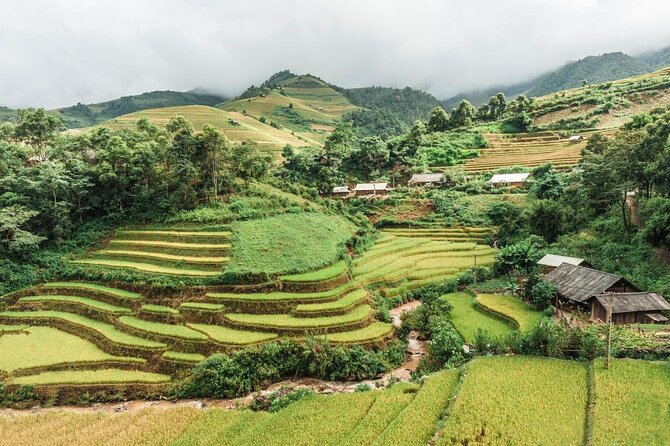
- Overnight trains (round-trip) save you daytime travel time and reduce stress.
- Cat Cat, Lao Chai, and Ta Van are the core village stops, with cultural context from your guide.
- Max 10 travelers keeps this feeling like a small-group outing, not a factory tour.
- One night in Sapa + meals included help you avoid hunting for food after trekking.
- Hotel options in Sapa range from 3-star to 5-star, depending on what you choose.
- Cabin choice on the train matters for comfort: shared for 4 or a private cabin for 4.
The 9:00 pm Hanoi night train that sets your rhythm
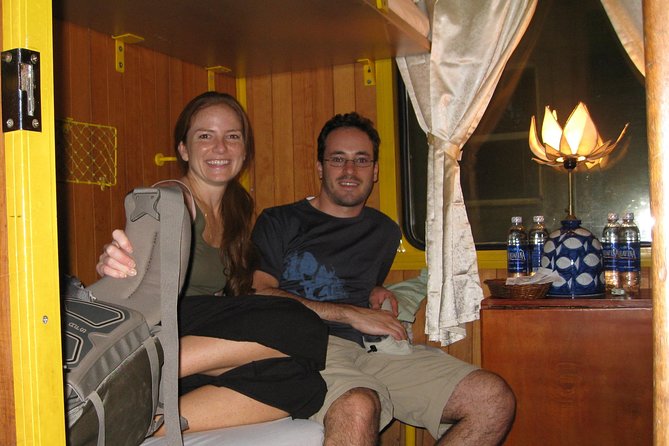
This tour starts with an overnight train leaving Hanoi at 9:00 pm from Ga Hà Nội (Ga Hàng Cỏ), at 402ntp120 Đ. Lê Duẩn. It’s a practical choice if you want to reach Sapa without losing a full day to transit. You also avoid the common problem of “sleep poorly in a hotel close to the station,” because the train itself is the move.
You get two cabin options for the train ride:
- Shared cabin for 4 people
- Private cabin for a group of 4 (if you book that configuration)
That choice affects the feel of the trip more than you might expect. In a shared cabin you’ll compromise on space and noise. In a private cabin you get a calmer setup with your group. Either way, you’re traveling at night, which is great for time and usually easier on your energy than a long day of buses.
One logistics detail I find worth noting: the tour includes hotel pickup in Hanoi, even though the meeting point is at the station. If you’re staying in the city, this can reduce the hassle of getting yourself to the train on your own. On top of that, the tour is set up for a mobile ticket, which tends to make last-minute confusion less likely.
You can also read our reviews of more evening experiences in Hanoi



Lao Cai at 06:00, then straight into Cat Cat
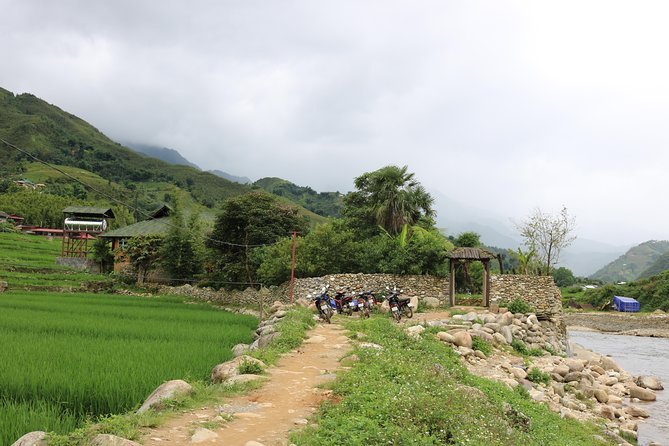
The tour’s second day is built around an efficient arrival. You reach Lao Cai Train Station around 06:00, then take a bus transfer to Sapa about 40 km away. Breakfast is included at your hotel, but don’t plan on dropping your bags and exploring instantly. The tour states your Sapa check-in is typically 12:00–14:00 on availability, so you may need to store luggage and wait a bit before your room is ready.
Once the morning routine is handled, the main action starts: at 09:30 you hike toward Cat Cat for around 4 hours, with the admission ticket included. Cat Cat is a classic entry point for Sapa trekking because it’s close enough to Sapa to feel doable, but it still delivers the mountain-village experience.
Why Cat Cat works well on day two:
- You ease into the trekking pace while you’re still fresh from the night train.
- Your guide can set context early—what everyday life looks like, how communities organize work and routines, and how traditions show up in daily decisions.
- You’re in the right zone for that “northwest Vietnam looks like it’s been carved by weather” feeling, with rice-field views that make the hike feel worthwhile even when the trail is steep.
The one thing to keep realistic expectations on: a “4-hour trek” isn’t the same as a relaxed stroll. You’ll be moving steadily on uneven ground, and you’ll want sturdy shoes. If you’re sensitive to altitude or long walking days, plan to take short pauses when your guide suggests them.
There’s also time built in for the Sapa Market area as part of the day’s flow. Markets can be fun for snacks and small gifts, but I’d treat it as a quick stop rather than a full shopping mission. Your trek schedule is the real anchor here.
Lao Chai and Ta Van: rice fields plus real community life
The third day is where the tour shifts from “intro trek” to a deeper village loop. At 09:00–09:30, your guide picks you up for a trek that targets Lao Chai, Ta Van, and Giang Ta Chai. The hiking block runs about 8 hours, with lunch included at 12:30 in a local village.
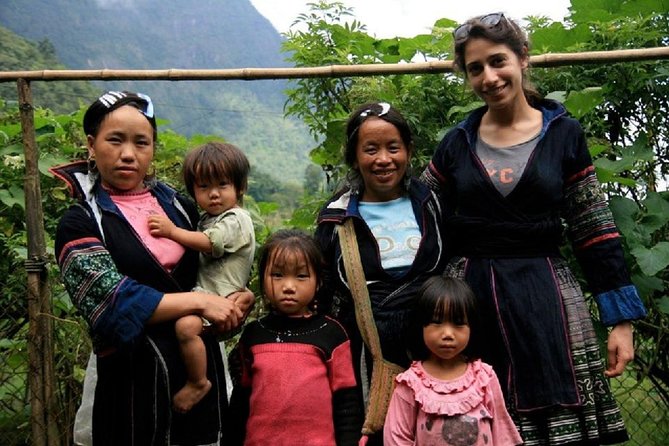
This is also where the tour’s cultural emphasis becomes clearer. The route is described as passing through areas associated with the Black Hmong, Dzao, and Dzay communities. That matters because you’re not just walking through scenery—you’re walking through places where people live their day-to-day lives, farm, socialize, and maintain traditions.
Here’s what I think you’ll enjoy most on this section:
- The pace is slower than it sounds on paper. A big part of the trek value is the time your guide uses to explain what you’re seeing.
- Lunch is part of the experience, not a timed stop. Eating at a village setting tends to change how you view the rest of the day.
- The trek continues after lunch, so you get more than one photo-worthy moment. The landscape and village life stay present as you move.
A gentle warning: an 8-hour day means you should treat it like a full day activity. Hydrate early. Don’t wait until you feel tired. Bring what you need before you’re already on the trail—on long treks in Sapa, getting what you forgot can be tricky.
In the afternoon, the schedule includes a return/finish point back near where the tour operates from (the day is listed as ending back at the meeting point overall). Even though the day’s details don’t spell out every minute, you can plan on being done by late afternoon and ready to relax after a long walking day.
Sapa’s one hotel night: choose Charm, Sapa De, or Pao

You get one night in Sapa during the trip. The tour includes a hotel with options at different star levels:
- 3-star: Charm Hotel (Muong Hoa area)
- 4-star: Sapa De Hotel
- 5-star: Pao Hotel
The hotel choice is yours, which is a nice way to balance comfort and price. If you’re the type who likes a real shower and a bed you don’t think about, this is the night to upgrade. If you’d rather spend on better trekking gear or snacks, a mid-range option is likely the sweet spot.
Also, your schedule is designed so you’ll have time the morning of day two for breakfast and the afternoon for trekking. That means your hotel night is mostly about reset and recovery. You’ll appreciate it more if you pack like you’ll sweat and then cool down later.
What $178 gets you (and where the value shows up)
At $178 per person, this tour isn’t a bargain in the “cheap and cheerful” sense. But it also isn’t overpriced if you look at what’s included and what’s offloaded for you.
What you’re paying for includes:
- Round-trip overnight trains between Hanoi and Lao Cai (two nights on train total)
- Local guide services throughout the trekking days
- Hotel night in Sapa
- Meals: dinner, two lunches, and two breakfasts
- Hotel pickup in Hanoi
- Admission/ticket included for the key trekking segment(s)
- A small group size (max 10), which usually means more attention from the guide
Where this becomes good value is in the way it prevents decision fatigue. You’re not juggling train times, cabin choices, transfers, village routes, and meal logistics. The tour does those pieces in a way that keeps you focused on the hiking and the cultural contact.
Where the math can feel less great is in what’s not included:
- Hotel drop-off on the last day from the Hanoi train station
- Tips and personal expenses
Those aren’t deal-breakers, but they can be budget line-items you should plan for.
If you’re traveling with family or friends, the cabin options also matter. A private cabin for 4 can turn a long overnight ride from stressful into fairly pleasant. And because the tour is limited to 10 travelers, group dynamics tend to stay manageable.
You can also read our reviews of more hiking tours in Hanoi




The guide team matters more than you think

One of the most helpful details from the tour experience is that it may involve two guides across different segments: Mr Nam handling the main rail-to-Sapa direction, and Mr Phaj leading the trekking day(s). That split can be practical. It reduces the chance that one person is trying to manage train logistics and complicated trekking directions at the same time.
In real life, that translates into fewer delays and less confusion. You also get a better chance to ask specific questions—like what you should notice in village life, what the rice fields mean for seasonal work, or why certain customs show up the way they do.
It’s still smart to communicate clearly with your guide at the start about your pace. If you want more photo stops, tell them early. If you’re the type who prefers a steadier rhythm, also say so. A small-group tour only works well if you coordinate your expectations.
Who this trek suits best (and who should look elsewhere)
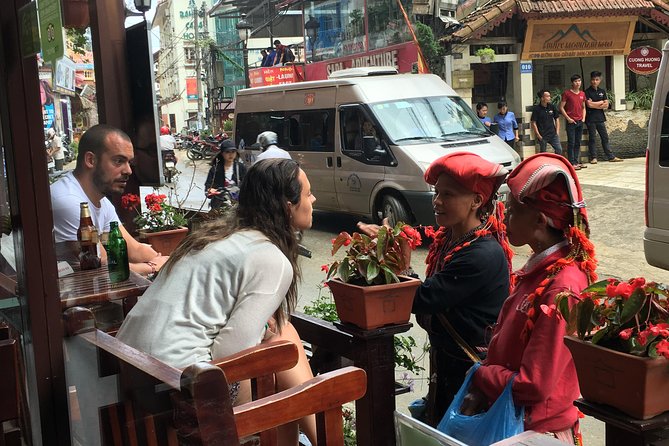
This tour fits best if you want:
- A structured way to see Sapa hill-tribe villages without planning train transfers yourself
- Guided culture context while trekking through places tied to Hmong groups and other communities
- Time-efficient travel via the overnight train
It may not be the best pick if:
- You hate long travel nights and prefer to sleep only in hotels
- You’re looking for a mostly sightseeing trip with minimal walking
- You’re extremely flexible about early starts—because arrival timing is fixed around 06:00
In general, the tour lists that most travelers can participate, but it’s still a trekking experience. Bring a mindset for walking, uneven steps, and a day that doesn’t revolve around a single perfect viewpoint.
What to pack and how to pace yourself on Sapa trails
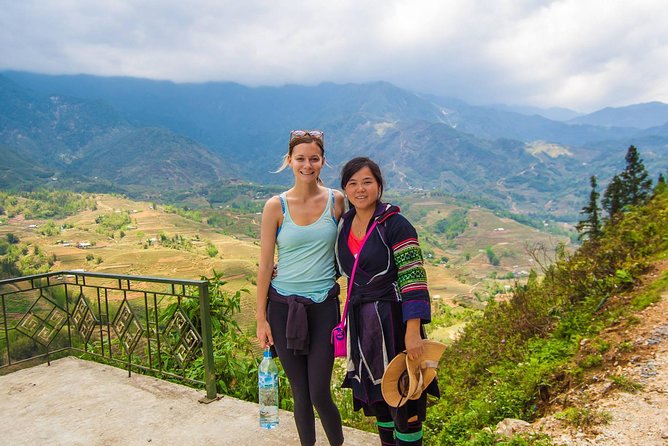
The tour info doesn’t list gear, but the activity type is clear: you’ll hike multiple hours across two trekking days. I’d pack assuming you’ll face cool mountain air and changing conditions.
My practical checklist:
- Comfortable sturdy shoes for uneven trail
- A light layer system (you’ll warm up hiking, then cool down later)
- Water bottle you can access during the hike
- A small snack or energy bite for the moments you’re hungry before lunch
- A light rain option if the weather flips
Then pace smart. On day two you have about 4 hours to Cat Cat. On day three you have about 8 hours with lunch at a village. Treat day three as the “big day.” Start steady, take short breaks, and don’t wait until you’re wiped out to slow down.
Should you book this Sapa tour by night train?
I’d book this if you want the Sapa experience with less transit stress and more guided time in the villages. The overnight train is a big part of the value because it compresses the travel window and gives you a full day of trekking instead of losing time to buses. I also like that you get one full night in a real Sapa hotel with included meals, which helps you recover for the next trek.
If you’re torn between tours, your decision should come down to two things: Are you comfortable with a long walking day (especially the ~8-hour day)? And do you prefer using the train to save daytime travel time? If yes, this is a strong, practical way to see Cat Cat, Lao Chai, and Ta Van without turning the trip into a logistics project.
If either answer is no, you might be happier with a more relaxed, shorter hike itinerary or a day-trip approach from Sapa. But if you’re okay trading comfort-in-the-moment for convenience and real trekking time, this one makes sense.
FAQ
What is the departure time and meeting point for this tour?
The tour starts at 9:00 pm at Ga Hà Nội (Ga Hàng Cỏ), 402ntp120 Đ. Lê Duẩn, Văn Miếu – Quốc Tử Giám, Hoàn Kiếm, Hanoi.
What time do we arrive in Lao Cai?
You arrive at Lao Cai Train Station around 06:00 on the second day.
What train cabin options are available?
You can choose a shared cabin for 4 people in 1 cabin or a private cabin for booking 4 people in your group.
What villages does the trek visit?
The tour includes trekking to Cat Cat, plus visits to Lao Chai and Ta Van (including Giang Ta Chai on the longer trek day).
What meals are included?
The tour includes dinner, two lunches, and two breakfasts.
What hotel options are included in Sapa?
You’ll stay one night at a selected hotel option in Sapa, including Charm Hotel (3), Sapa De Hotel (4), or Pao Hotel (5*).
If I need to cancel, what refund is possible?
You can cancel up to 6 days in advance for a full refund. Cancel 2–6 days before the start time for a 50% refund. Cancel within 2 days for no refund.
You Might Also Enjoy




More Evening Experiences in Hanoi


More Tours in Hanoi
- Ninh Binh Full-Day Tour from Hanoi to Hoa Lu, Tam Coc & Mua Cave Via Boat & Bike
★ 5.0 · 4,384 reviews