REVIEW · COOKING CLASSES
Vietnamese Home Cooking Class in Hanoi
Book on Viator →Operated by Hanoi Food Tasting Tours · Bookable on Viator
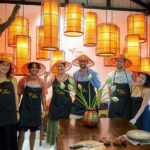
Hanoi cooking is one of the fastest ways to understand a city. This small-group class takes you into a local chef’s home and pairs it with a Hanoian market run, so you’re not just copying recipes—you’re learning how ingredients shape the food. You’ll shop, cook, then sit down to a homemade meal (lunch or dinner), with drinks that fit the moment.
My favorite part is the hands-on rhythm: you learn to make at least four Vietnamese dishes instead of watching from the sidelines. I also like that you get to choose your timing—morning for a lunch-style meal or afternoon for dinner—so you can plug it into your day without stress.
One thing to consider: you are cooking. If you dislike chopping, stirring, or getting a little messy, a hands-off class may feel like work. That said, the group size is kept small (max five), which helps the pace stay friendly.
In This Review
- Key highlights at a glance
- Hanoi Home Cooking: Why This Feels Like the Real Deal
- Hotel Pickup, Small Group Size, and the 4.5-Hour Timing That Works
- The Hanoian Market Stop: Picking Ingredients Like a Local
- Choosing Your Menu: Bun Cha, Pho, Mango Salad, and Vegetarian Che
- Hanoian Feast
- Tonkin Origin
- Vegetarian Lover
- Hands-On Cooking: Four Dishes, Real Techniques, and Egg Coffee Skill
- Lunch or Dinner at the Chef’s Table: What Comes With Your Work
- Price and Value in Hanoi: Is $41 Fair for Four Dishes?
- Who Should Book This Class (and Who Might Skip It)
- Should You Book This Hanoi Vietnamese Home Cooking Class?
- FAQ
- How long is the Hanoi Vietnamese home cooking class?
- How many people are in the group?
- Do you get hotel pickup and drop-off?
- Is there a choice between a morning and an afternoon tour?
- How many dishes will I learn to cook?
- Are vegetarian options available?
- What dishes are included in the menu options?
- What’s included in the price?
- Can I request dietary accommodations?
- What is the cancellation policy?
Key highlights at a glance
- Max five people, so you actually get time to cook and ask questions
- Hotel pickup and drop-off plus a shared transfer that keeps things simple
- Market shopping first, so you understand ingredient choices before the stove
- Three menu options, including a full Vegetarian Lover plan
- At least four dishes made, plus coffee and a homemade meal
- English-speaking local guidance, with hosts like Luke, Linh, Simon, Chris, Jessy, and Mango mentioned for their energy and patience
Hanoi Home Cooking: Why This Feels Like the Real Deal

A Hanoi cooking class works best when it stops being a show and becomes a process. Here, you start in a Hanoian market to see what people actually buy and why. That matters, because Vietnamese food is built on balance—sweet, salty, sour, herbs, and aromatics all hit together.
You’ll also learn how “home cooking” is different from restaurant versions. At home, dishes are often designed for the ingredients at hand that day. In the menus you’ll choose from, you’ll see familiar Hanoi favorites like bún chả and nem rán (fried spring rolls), plus options that reflect a wider northern Vietnamese feel.
And yes, you get to eat what you make. That’s not a throwaway perk. It’s the fastest way to catch what you did right and what you’d tweak next time when you cook back home.
You can also read our reviews of more cooking classes in Hanoi
Hotel Pickup, Small Group Size, and the 4.5-Hour Timing That Works
This runs about 4 hours 30 minutes, which is a sweet spot. Long enough to shop, cook, and eat without rushing, short enough that you still have your evening or morning free.
Logistics are designed to be painless:
- Pickup and drop-off from your Hanoi hotel
- Round-trip shared transfer included
- Bottled water provided
Small-group matters here. With a maximum of five travelers, it’s easier to keep the pace moving, and it’s easier to get help if you’re unsure about a technique. In feedback tied to this kind of class, people often highlight patient, friendly coaching—names like Simon and Chris come up for being calm and accommodating—so the experience tends to feel more personal than crowded.
If you’re the type who hates waiting around, you’ll probably appreciate how quickly the day switches from market shopping to prep work and then the stove.
The Hanoian Market Stop: Picking Ingredients Like a Local
The market visit is the ingredient education you don’t get in a typical “cook and go” class. You’ll shop for fresh items you’ll use right away, and you’ll also get the kind of practical explanations that make a shopping trip make sense later.
This is where you learn the difference between buying something that looks similar and choosing the one that behaves right in Vietnamese cooking. Think herbs, greens, crunchy salad ingredients, and sauce bases—small choices that change the final taste and texture.
You’ll likely recognize a few items from Hanoi street food, but the market context is what makes it click. In past groups, guides have been praised for making this walk feel interesting rather than repetitive. Mango, for example, is specifically called out for high energy, and Linh is noted for explaining local habits and city rhythms as you move through the area.
Tip for your best experience: bring a bit of curiosity. When you see something unusual, ask what it tastes like and what it’s used for. You’re not just sightseeing—you’re shopping with a plan.
Choosing Your Menu: Bun Cha, Pho, Mango Salad, and Vegetarian Che
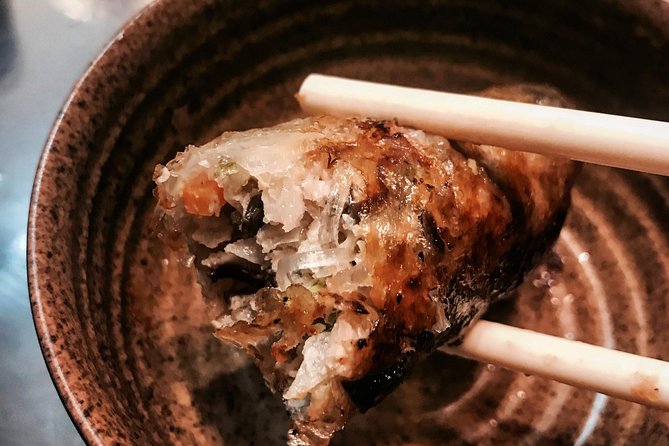
You’ll pick one of three menu options. Each one mixes classics with a teaching focus, so you learn techniques that show up across Vietnamese cooking.
Hanoian Feast
Expect a lineup built around Hanoi-style flavors:
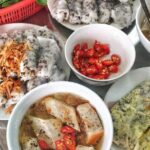
- BBQ pork with noodles and fish sauce (bún chả)
- Fried spring rolls (nem)
- Banana flowers salad with chicken or green papaya salad with dried beef (choice depends on the option you select)
- Vietnamese egg coffee
This menu is great if you want a strong mix of savory grilled meat, crisp-fried texture, and bright, herb-forward salad flavors.
You can also read our reviews of more tours and experiences in Hanoi

Tonkin Origin
This one leans toward northern Vietnamese comfort:
- Pho noodle soup with beef or chicken
- Green mango salad with seafood
- Grilled fish
- Vietnamese egg coffee
If you love soup as a travel memory, this menu is a solid pick. You also get a seafood salad and grilled fish, which teaches you how Vietnamese meals balance freshness with smoke and savory sauces.
Vegetarian Lover
You still get a full cooking lesson—no “sad veggie bonus” approach:
- Spring roll (fresh or fried)
- Tofu in tomato sauce
- Eggplant with ginger sauce
- Che (Vietnamese traditional dessert)
This is the menu I’d point to if you’re traveling with plant-based needs or you just want to see how Vietnamese home cooking stays flavorful without meat. And if you have dietary requirements, it’s best to tell the operator at booking time so the class can match your needs.
Hands-On Cooking: Four Dishes, Real Techniques, and Egg Coffee Skill
The core promise is simple: you’ll learn to make at least four dishes. In practice, that typically means you’ll handle different skill types—chopping and prepping, assembling, cooking methods like frying, grilling, or simmering, and finishing sauces.
Based on the menu options, you might work on:
- Rolling and frying spring rolls
- Grilling pork or fish components for dishes like bún chả or grilled fish
- Soup-making steps tied to pho (you’ll be taught the flow, not just poured broth)
- Salad assembly for mango papaya and banana-flower style dishes
- Vietnamese egg coffee, which is more technique than it looks
Egg coffee is a good example of why this class is worth it. People often think it’s just a sweet drink. In reality, it’s about texture and balance—coffee strength, sweetness, and the egg cream element. If you can make that at home, you’ll feel like you brought Hanoi back with you.
What I like about a format like this is that it builds confidence. After four hours, you’re not just familiar with Vietnamese names. You have a sense of how the flavors are constructed.
Lunch or Dinner at the Chef’s Table: What Comes With Your Work
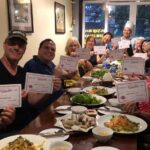
After cooking, you sit down to your homemade lunch or dinner, depending on which time slot you chose. The meal is part of the teaching arc. You cook, you taste, and suddenly the instructions mean something.
Two extras make the meal feel more “Hanoi” and less like a studio workshop:
- Traditional rice wine is served with the meal
- Coffee and/or tea comes with the end of the session
This matters if you’re planning your day. You’re not spending hours cooking and then grabbing something quick later. You’ll leave fed, not searching for food with a “what did I just cook again” brain.
Also, the sit-down moment is where you can taste compare. If you’re making a pho option, for example, you’ll likely notice how the soup balances aroma and saltiness. If you’re cooking spring rolls, you’ll understand what crispy means in Vietnamese cooking—more than just frying until browned.
Price and Value in Hanoi: Is $41 Fair for Four Dishes?
At $41.03 per person, the value comes from time and teaching style. This isn’t just a meal you eat. You’re getting:
- Market shopping
- Cooking instruction
- A small-group format (max five)
- Pickup and drop-off via round-trip shared transfer
- Lunch or dinner
- Coffee and/or tea
- Bottled water
If you compare this to paying for an upscale meal plus a separate guide plus a market visit, the class becomes easier to justify. Here, you’re paying for an experience that’s half food education and half meal.
One more practical angle: you’re learning dishes you can repeat at home. That only has value if the class gives you enough structure to reproduce the flavors. When hosts are described as patient and accommodating—like Simon with food preferences—this is a sign the teaching is meant to land, not just entertain.
Who Should Book This Class (and Who Might Skip It)
This experience is a great fit if you want:
- A hands-on Hanoi food lesson (not just tasting)
- A small-group format where you can ask questions
- Clear menu choices, including a vegetarian option
- The market + cooking pairing that makes the food make sense
It might be less ideal if you:
- Hate cooking tasks and prefer strictly tasting
- Need an ultra-fast activity with no chopping or prep
- Have very specific dietary constraints not mentioned in advance (it’s best to advise requirements at booking so the menu can be adjusted)
If you’re a solo traveler, this can feel social without turning chaotic. If you’re a couple, it can be a relaxed way to learn without being squeezed into a huge group.
Should You Book This Hanoi Vietnamese Home Cooking Class?
I’d book it if your goal is to leave Hanoi with more than photos. The market stop adds real context, and the structure—choose a menu, cook at least four dishes, then eat what you made—gives you a satisfying arc in a single half-day.
Before you confirm, pick the menu that matches your cravings:
- Want grilled pork and egg coffee? Go Hanoian Feast.
- Want soup, mango salad, and grilled fish? Choose Tonkin Origin.
- Want a full vegetarian cooking lesson and dessert? Pick Vegetarian Lover.
If you like eating well and learning why it tastes the way it does, this is a solid use of your time in Hanoi.
FAQ
How long is the Hanoi Vietnamese home cooking class?
It runs about 4 hours 30 minutes.
How many people are in the group?
The class is limited to a maximum of 5 travelers.
Do you get hotel pickup and drop-off?
Yes. Hassle-free pickup and drop-off from your Hanoi hotel is offered, and a round-trip shared transfer is included.
Is there a choice between a morning and an afternoon tour?
Yes. You can choose a morning option (serving lunch) or an afternoon option (serving dinner).
How many dishes will I learn to cook?
You’ll learn to make at least four different Vietnamese dishes.
Are vegetarian options available?
Yes. There is a Vegetarian Lover menu option.
What dishes are included in the menu options?
Menu examples include bún chả (BBQ pork with noodles and fish sauce), nem (fried spring rolls), pho noodle soup, grilled fish, Vietnamese egg coffee, and vegetarian options like tofu in tomato sauce, eggplant with ginger sauce, and che dessert.
What’s included in the price?
The price includes round-trip shared transfer, bottled water, a local guide, lunch or dinner, the cooking class, and coffee and/or tea.
Can I request dietary accommodations?
Yes. You should advise any specific dietary requirements at the time of booking.
What is the cancellation policy?
Free cancellation is available up to 24 hours in advance for a full refund.