REVIEW · MARKETS
Sapa 3 Days 2 Nights Bac Ha Market From Ha Noi
Book on Viator →Operated by Vietnam Travel Top · Bookable on Viator
Sapa feels like a whole different world. This 3-day tour pairs a guided visit to Bac Ha Market with village walks in and around Sapa, plus a smooth Hanoi connection. I like that it’s set up with vehicle support where it matters, so you’re not stuck solving transport puzzles. I also like the focus on real ethnic village areas such as Cat Cat and Ta Van, not just quick photo stops.
Two standouts for me are the day-to-day hiking plan and the guide-led cultural context. The trail sections are long enough to feel like an adventure, yet structured so you can keep moving without feeling lost. On top of that, the tour’s meals are built in (seven total), which removes a lot of decision fatigue when you’re tired from travel.
One consideration: Bac Ha Market runs only on Sundays, so the calendar matters. If the market day doesn’t line up with your schedule, you’ll want to double-check the departure date before you get excited about this part.
In This Review
- Key things to know before you go
- Bac Ha Market on Sundays: the main reason this trip clicks
- Hanoi to Sapa logistics: comfortable buses with real support
- Day 1 in Sapa: Cat Cat village and a valley view
- Day 2: the Ta Van trek, rice terraces, and village connections
- Day 3: Bac Ha Market in the morning, Hanoi return without a detour
- The meals and hotel base: how the “included” parts affect value
- Guides like Vu, Su, Mu, and Lala: what good leadership looks like here
- How to pack and pace yourself for Sapa’s walking days
- Who this tour suits best (and who should look elsewhere)
- Should you book Sapa 3 Days 2 Nights Bac Ha Market from Hanoi?
- FAQ
- What day does Bac Ha Market operate?
- How long is the tour from Hanoi to Sapa?
- What’s included for transportation between Hanoi and Sapa?
- How many meals are included?
- What hotel do you stay in during the nights in Sapa?
- Is a vegetarian option available?
- What if weather is bad for this experience?
Key things to know before you go
- Sunday-only Bac Ha Market: the tour is designed around the market day, which makes the whole trip feel more special
- Private guide + vehicle support: fewer logistics headaches on the confusing parts of the route
- Cat Cat, Ta Van, Lao Chai, and Ban Pho: you’ll hit multiple village zones rather than circling one place
- A 9-kilometer trek day: one longer walking block that turns sightseeing into a real effort
- Seven included meals: you’ll eat without constantly hunting for options mid-day
- English-speaking local guides: guide names like Vu, Su, Mu, and Lala show up often, and they tend to focus on making the experience understandable
Bac Ha Market on Sundays: the main reason this trip clicks

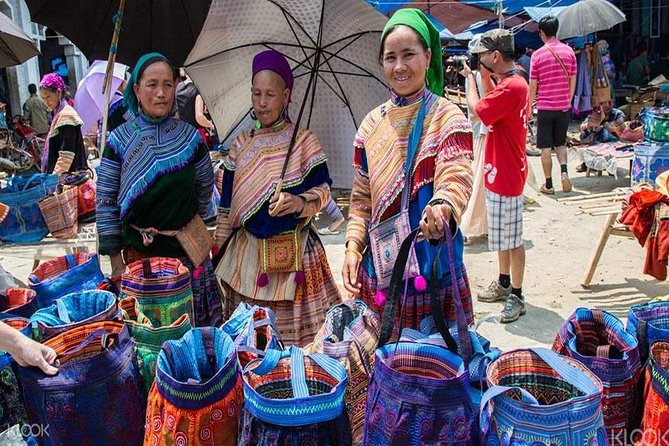
If you’ve ever looked at photos of Bac Ha Market, you’ve probably noticed one thing: it’s not a typical tourist market. It’s loud, colorful, and tied to weekly rhythms—especially the ethnic groups who come in for trading, socializing, and showing off traditional clothing. This is why the tour’s Sunday timing is a big deal, not a footnote.
On this kind of day, you’re not just looking at stalls. You’re watching people gather, greet, compare goods, and move with a local sense of purpose. That’s exactly the energy you want from a Sapa add-on. The market runs only on Sundays, so when you book, think of it as the anchor of the whole schedule.
Also, Bac Ha is far enough from Sapa that you can feel the change in pace. The drive there is part of the experience: you start the morning in the Sapa area and end up in Bac Ha town for the busiest hours of the week. If you’re the type who hates squeezing everything into too-short time blocks, this gives you a more satisfying window—market time runs from early morning into midday.
You can also read our reviews of more shopping tours in Hanoi


Hanoi to Sapa logistics: comfortable buses with real support
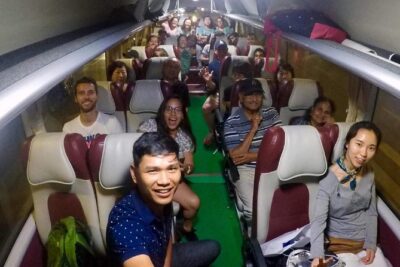
This tour uses a mix of comfort and help. You’ll get modern air-conditioned bus transport on the main Hanoi–Sapa–Hanoi legs, and there’s also two-way transfer support in the Hanoi and Sapa ends. The big idea is that you’re not doing every step alone.
Here’s how the day feels in practice:
- Early pickup in Hanoi Old Quarter, then transfer to the main bus
- Highway travel toward Lao Cai city with comfort breaks
- Arrival in Sapa Town around early afternoon
- A guided welcome and itinerary briefing, plus pickup from the bus station to your hotel
That matters because the Sapa region can feel confusing when you’re arriving for the first time. The route relies on a public Hanoi–Lao Cai–Hanoi bus, but the tour package reduces your stress by adding pickup, transfers, and a guide presence once you reach Sapa.
One practical note: you’ll keep your big luggage in hotel storage while you go light for trekking. That’s a small detail, but it saves your back—and your patience—on the walking days.
Day 1 in Sapa: Cat Cat village and a valley view
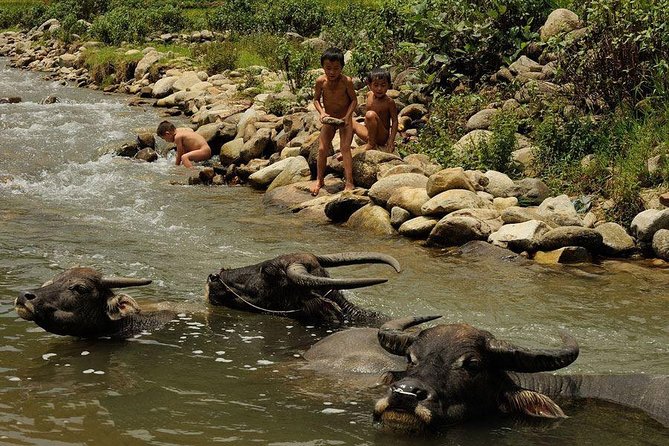
Your first full village stop is Cat Cat village, home to the Black H’mong community. Cat Cat sits near the bottom of a deep valley at the foot of Fansipan Peak, which gives the area that classic Sapa shape: winding paths, steep surroundings, and views that change with every turn.
The Cat Cat segment is about more than scenery. Your local guide is there to connect what you’re seeing to culture and daily life. That’s the part that usually makes or breaks a village visit. If you only have time for photos, you’ll miss the meaning. With a guide, you can ask questions and get context about clothing, village routines, and the reasons people gather where they do.
Timing-wise, you head out mid-afternoon and spend around a few hours in the area. That gives you a buffer for the realities of arrival day—jet lag isn’t the issue, it’s just fatigue from the bus ride. You don’t need a big early-morning stamina test on day one.
What to watch for: if you’re sensitive to uneven ground, wear grippy shoes. Cat Cat is manageable, but it’s still village terrain, not a flat city sidewalk.
Day 2: the Ta Van trek, rice terraces, and village connections
This is the day that turns Sapa from a place you visit into a place you move through.
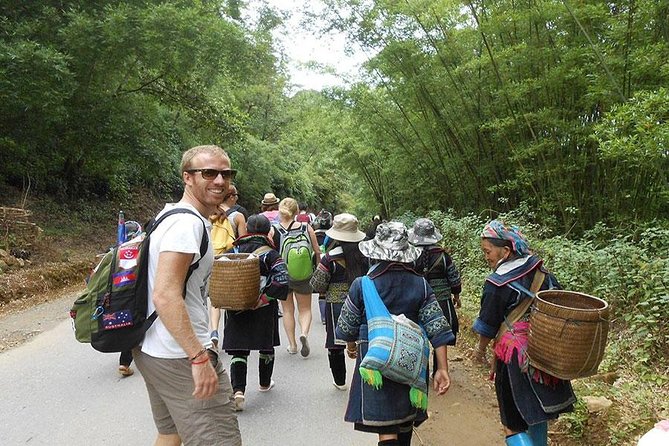
You’ll start with breakfast at the hotel, check out, and pack light. Then you trek through rice terraces and along Muong Hoa Stream toward the Black Hmong village of Lao Chai. From there, you continue on to Ta Van village.
This is where the longer walking block shows up. The experience is described as including two short treks and one 6-mile (9-kilometer) adventure, and this is the part that best matches that effort level. You’ll walk long enough to feel the rhythm of the region—ridges, terraces, and the slow narrowing of pathways as villages come into view.
Why I think this trek is a smart choice:
- It follows natural water and farmland lines (rice terraces and stream) rather than random switching
- It connects multiple village names in one coherent walking day
- It includes a route that moves you between community zones (Lao Chai to Ta Van), not just one isolated stop
You’ll also get back to Sapa afterward. The bus picks you up at Ta Van Bridge, then lunch and free time in Sapa come next. That free time matters because it gives you the chance to reset. After a long walk, you’ll enjoy Sapa town more when you’re not immediately rushed into another activity.
Day 3: Bac Ha Market in the morning, Hanoi return without a detour
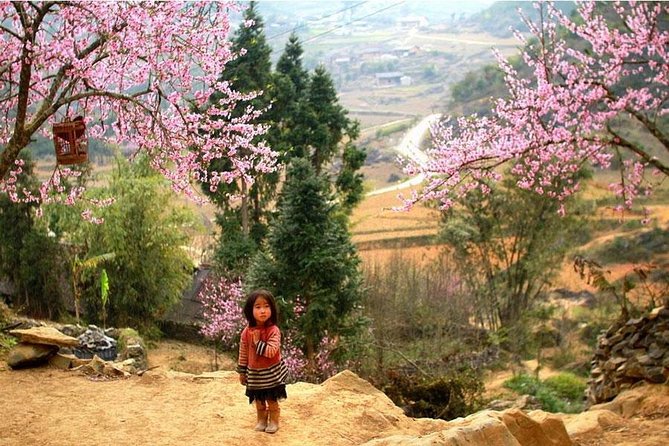
Day three starts early with breakfast and checkout, because you’re going straight to Bac Ha Market. Market time runs roughly from 7:00 to 13:00, which is ideal. You hit the busiest, most colorful hours and still have time left to breathe before the long ride back.
You’ll visit Bac Ha Market, described as the most typical weekly market with inhabitants from multiple ethnic groups. This is where you’ll see the variety of clothing and the market rhythm come together. If you’re trying to understand ethnic diversity in the Sapa region, this is one of the easiest ways to see it all in one place.
After the market, you drive back toward Lao Cai city for a shower and a wait before the Hanoi bus. The tour notes you might wait sometimes to get on the bus, and if you want to visit somewhere, you’d pay transport on your own. Plan your expectations: this is “reset and ride” time, not a sightseeing sprint.
Then it’s back to Hanoi with two rest stops, arriving in the evening.
You can also read our reviews of more tours and experiences in Hanoi





The meals and hotel base: how the “included” parts affect value
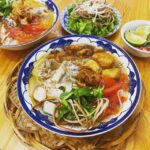
This package includes seven meals: breakfast twice, lunch three times, and dinner twice. For a trip like this, that can be a big part of the value. When you’re moving between towns and trekking, meal hunting becomes annoying fast—especially if you’re tired or your Vietnamese isn’t built for menus.
Meals also fit the day shape:
- You don’t have to plan lunch on trekking days
- You get dinner during the days you’re most likely to be drained from walking
- You have a morning rhythm on market day without scrambling
On lodging, you get two nights at a 3-star hotel in Sapa (Sapa Lodge Hotel or similar), twin sharing. A hotel base is useful here because it keeps the experience stable: you sleep in one place, you store luggage easily, and you can regroup between village legs.
There’s also a small but meaningful comfort factor: you’ll have water on the bus both ways, which helps on long travel days when it’s tempting to buy bottles repeatedly.
If you’re traveling during a major holiday period, there’s a $25 per person surcharge for Happy New Year and Lunar New Year dates. It’s worth accepting this as part of the high-demand calendar—just don’t forget to budget for it.
Guides like Vu, Su, Mu, and Lala: what good leadership looks like here
On paper, this is a trekking and market tour. In reality, what you remember is often the human part—how the walk feels, how the village visit makes sense, and whether anyone helps you handle the awkward moments.
English-speaking local guides are included in Sapa and Bac Ha, and names that show up often include Vu, Su, Mu, and Lala. The most praised style across those guides is practical care: making sure you’re okay on harder parts of the hike, explaining what you’re seeing, and keeping the day moving at a pace that works for the group.
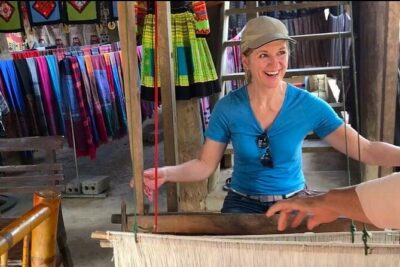
One memorable detail tied to the guides: some people mention craft touches like making vine crowns near the end of the experience. Even if that isn’t guaranteed on every run, it reflects the way these guides aim to add a light, personal element after the heavier walking and cultural learning.
For you, the key takeaway is simple: choose this tour if you want your guide to do more than point. The best version of this trip is when someone connects clothing, village routines, and the reasons markets run weekly.
How to pack and pace yourself for Sapa’s walking days

Even with vehicle support, you should treat this as a walking trip. Here’s how I’d prepare so the experience feels fun instead of stressful:
- Wear grippy shoes for uneven village paths and terrace edges
- Bring a light daypack for water and snacks (water is included on the bus, but not necessarily during every segment)
- Pack a layer for cool mornings, especially on day three when you’re up early for Bac Ha Market
- Keep a small roll for rain. Weather can matter a lot in the mountains, and this kind of tour requires good weather
Also, don’t underestimate how quickly you get tired from travel + altitude feel. The itinerary is designed with recovery time—hotel breakfasts, a lunch stop, and free time in Sapa town—so you won’t be stuck in constant motion. Still, you’ll get more out of the trip if you go into it ready to walk.
Who this tour suits best (and who should look elsewhere)
This is a strong fit if you:
- Want Bac Ha Market without figuring out transport yourself
- Like guided cultural context alongside a real hike
- Prefer hotel-based comfort over nonstop homestay logistics
- Travel with a group and want private tour handling (only your group participates)
It might not be the best match if you:
- Hate early mornings and long travel days
- Need a flexible schedule around market days (Bac Ha runs only on Sundays)
- Are looking for a fully “easy stroll” route—there is a longer 9-kilometer walking segment
If you’re a first-timer in northern Vietnam, this is also a good way to taste several Sapa areas in a short window: Cat Cat, Ta Van, Lao Chai, and the broader market-focused day in Bac Ha.
Should you book Sapa 3 Days 2 Nights Bac Ha Market from Hanoi?
I’d book this if Bac Ha Market is a priority and you can travel on a Sunday. The market timing plus guided village routes is a smart combo, and the built-in meals help you stay focused on the experience instead of constant planning.
Book it with confidence if you value:
- Guided explanation with experienced local leadership (names like Vu, Su, Mu, and Lala show up for a reason)
- A balanced schedule: trekking days with built-in recovery and town time
- Comfort-forward transport between Hanoi and Sapa, plus transfers in the key arrival/departure moments
You might skip it if you want maximum flexibility on the calendar or you’re expecting a very easy, low-walking day. In Sapa, even the “short” parts add up.
If you’re ready to walk, eat well, and see how weekly markets shape life in the hills, this is the kind of tour that makes the trip feel like more than a checklist.
FAQ
What day does Bac Ha Market operate?
Bac Ha Market is open only on Sundays, and this tour is built around that market day.
How long is the tour from Hanoi to Sapa?
It’s listed as 3 days (approximately).
What’s included for transportation between Hanoi and Sapa?
You’ll travel by modern air-conditioned bus from Hanoi to Sapa and return, with pickup offered and private two-way transfers in the Hanoi and Sapa ends. The route also includes a public Hanoi–Lao Cai–Hanoi bus connection.
How many meals are included?
Seven meals are included: breakfast (2), lunch (3), and dinner (2).
What hotel do you stay in during the nights in Sapa?
You get 2 nights in a 3-star hotel, listed as Sapa Lodge Hotel or similar, on a twin sharing basis.
Is a vegetarian option available?
Yes, a vegetarian option is available. You need to advise at the time of booking.
What if weather is bad for this experience?
The tour requires good weather. If it’s canceled due to poor weather, you’ll be offered a different date or a full refund.