REVIEW · HANOI
Hanoi: Master the Art of 4-6 Signature Vietnameses Coffees
Book on GetYourGuide →Operated by PhotheSoul · Bookable on GetYourGuide
Six cups, and you’re suddenly fluent.
This Hanoi workshop turns coffee into a small, lived-in lesson in a local space, not a rushed tasting room. I like that it’s set up for small-group focus and real hands-on brewing, with ceramic tools, fresh ingredients, and bold flavors that feel unmistakably Vietnamese.
Two things I especially appreciate: you make 4–6 signature coffees yourself, and you don’t just get recipes—you learn how people taste, adjust, and enjoy in real life. In past sessions with instructors like Jade and Eddie, the guidance includes practical adjustments you can repeat later, plus lots of friendly Hanoi context. One consideration: you’ll likely drink a good amount of coffee, so plan your day around a caffeine hit.
In This Review
- Key highlights at a glance
- Hanoi’s Old Quarter Coffee Lesson in a Real Home (Not a Class Room)
- Finding the Meeting Spot by Hanoi Opera House and the Red River
- Making 4–6 Vietnamese Coffees with Your Hands
- The Coffee Training: How Locals Balance Bitterness and Strength
- Your Signature Lineup: Black, Brown, Egg, White (Silver), Coconut, Salted Coffee
- Ingredients and Beans: Central Highlands, Seasonal Changes, Fresh Prep
- The Instructor’s Stories: Hanoi Coffee Through People You Can Talk To
- Atmosphere Details: Ceramic Tools, Sterilized Utensils, AC, and a Quiet Outside World
- Getting Value from the $22 Price: Recipes, Practice, and More than One Cup
- Practical Timing: Morning vs. Afternoon and How to Plan Your Day
- Who This Workshop Is For (and Who Might Skip It)
- Should You Book This Hanoi Vietnamese Coffee Workshop?
- FAQ
- How many Vietnamese coffees will I make?
- How long does the workshop last?
- Where is the meeting point?
- What is the price per person?
- What’s included in the experience?
- Will I have time to brew and taste, or is it just watching?
- What languages are offered?
- How big are the groups?
- Is it wheelchair accessible?
- Is it suitable for babies and older adults?
- Is childcare available?
Key highlights at a glance
- Small groups (max 10) keep it un-rushed and personal
- Make 4–6 coffees: black, brown, egg, white (silver), coconut, and salted
- Hands-on from grinding to tasting and adjusting
- Central Highlands beans + seasonal changes means flavors shift through the year
- Clear home instructions and substitutes for real-world brewing
- Local hosts share why it tastes this way, not only how to brew
Hanoi’s Old Quarter Coffee Lesson in a Real Home (Not a Class Room)
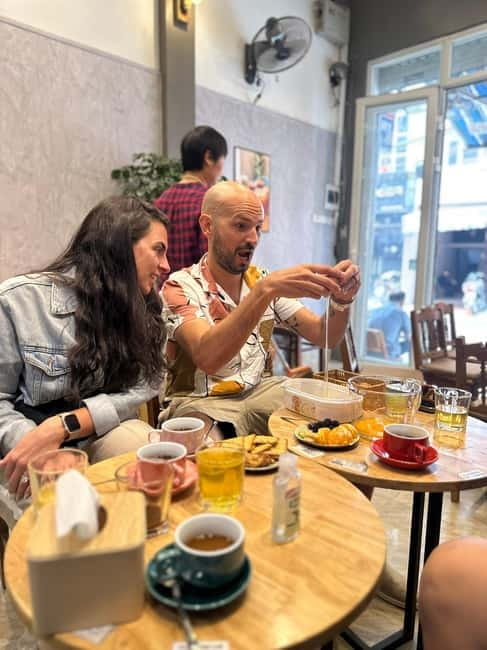
If you want your Hanoi coffee to taste like Hanoi, this is the right kind of experience. The setting matters: you don’t march into a showroom. You walk into a lived-in local space, where everyday life outside drifts in while you learn.
I like this style because it helps you understand Vietnamese coffee as a culture, not a formula. The room is warm, the tools feel real, and the flavors are bold—exactly the point. That’s also why the group stays thoughtful in size; the focus is on quality, not throughput.
The workshop runs about 1–2 hours, which makes it easy to fit between a morning walk and your next Old Quarter meal plan.
You can also read our reviews of more tours and experiences in Hanoi.



Finding the Meeting Spot by Hanoi Opera House and the Red River
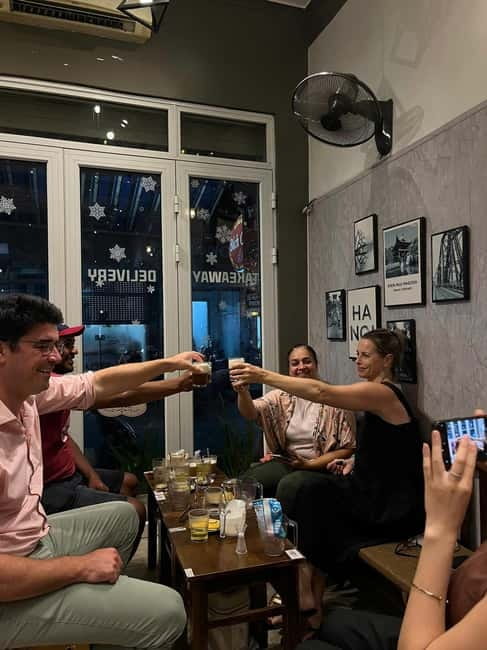
You’ll meet at a cozy local café tucked into a peaceful corner of the Old Quarter. The location is convenient for orienting yourself: it’s near the Hanoi Opera House, the Red River, Vinh Tuy Bridge, and the French Quarter.
That’s useful because you’re not stranded afterward. After class, you can head out with a better sense of where you are and what you want next—coffee shops, markets, and local bites.
One small practical note: since it’s a hidden-feeling spot inside the Old Quarter, give yourself a few extra minutes to arrive unhurried. You’ll get more out of the experience if you’re not sprinting through your first instructions.
Making 4–6 Vietnamese Coffees with Your Hands
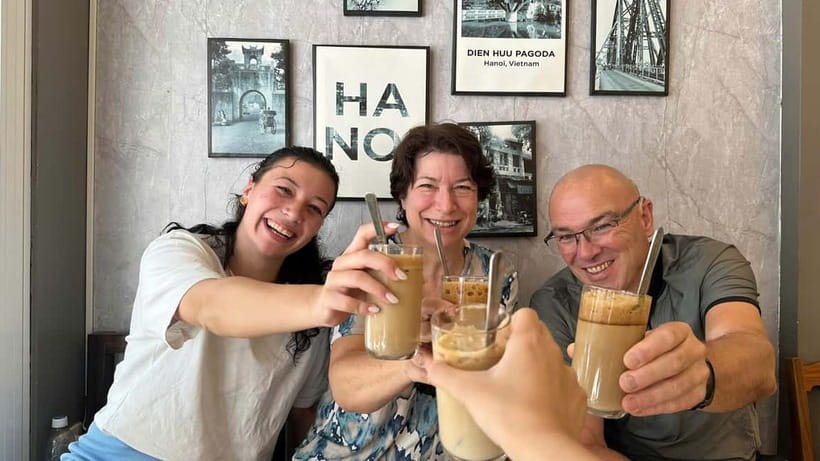
This isn’t a sit-and-watch session. You’ll be actively making coffees end to end. The workshop is designed around one loop: grind, brew, whisk, taste, adjust.
You’ll learn how to work with Vietnamese specialty coffee and how locals handle the parts that can’t be solved with one “perfect” recipe. That’s where the value lives. Coffee tastes change based on freshness, strength preferences, and how you like your balance between bitterness and smoothness.
You’ll also get recipes to take home, plus guidance on how to recreate the flavors without needing special gear. A key promise here is “learn how locals taste”—and that shows up in the way your instructor teaches adjustments.
The Coffee Training: How Locals Balance Bitterness and Strength
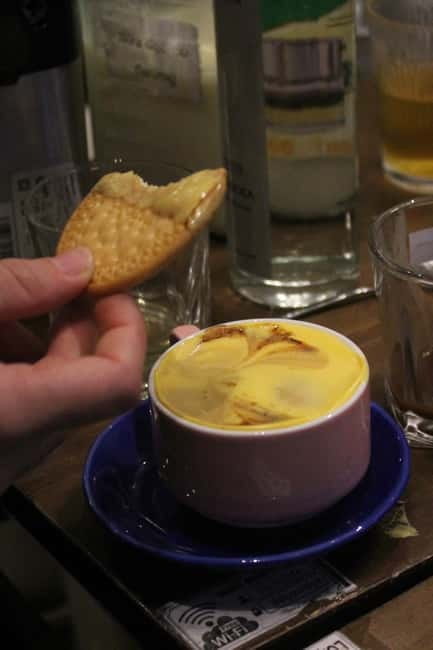
Vietnamese coffee can be intense. The good part is that you’re not left guessing. Your instructor explains how people tune the cup so it works for them, even when the brewing is less “scientific” than you might expect.
You’ll get practical tips that are actually useful at home, like how to manage strength and bitterness. The goal isn’t to make coffee taste exactly like someone else’s. It’s to help you control the knobs so your cup tastes right to you.
This approach matters because lots of coffee learning is about equipment. Here, the emphasis is on taste judgment and adjustment. That’s why even if you don’t love black coffee now, the lesson is built to help you find what you like.
Your Signature Lineup: Black, Brown, Egg, White (Silver), Coconut, Salted Coffee
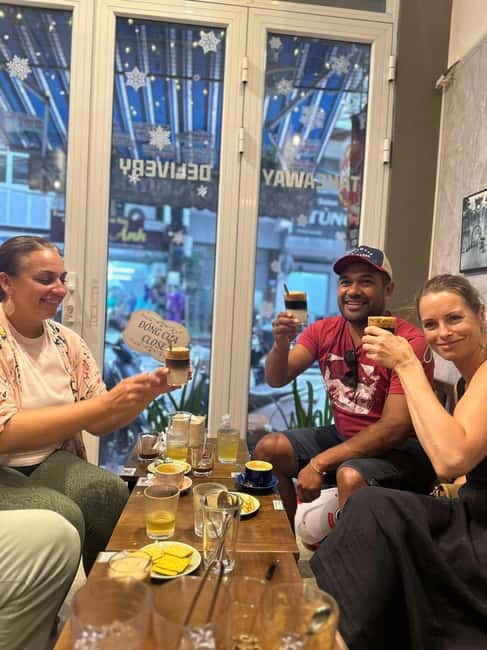
The workshop typically guides you through 4–6 iconic Vietnamese coffees, including:
- Black coffee
You’ll practice the basic style and learn how flavor comes through with Vietnamese specialty beans. If you’re a milk-and-sugar person, this is often the “I didn’t expect to like that” cup.
- Brown coffee
This gives you another direction for balance and body, with instruction focused on getting the taste right rather than copying a single measurement.
- Egg coffee
Fresh eggs and milk are part of the ingredients prepared daily. You’ll learn the texture and mixing style that gives egg coffee its distinctive feel.
- White coffee (silver)
You’ll make the version that leans lighter and smoother in character. The instruction here is about how texture and balance change the final impression.
- Coconut coffee
Coconut is prepared fresh daily, and this one often lands as a favorite. One strong takeaway: the instructor shows you how to get the smooth, slightly sweet impression without making it taste artificial.
- Salted coffee
This is where Vietnamese coffee gets playful with contrast. You’ll learn how salt changes the overall balance, so the cup feels more layered instead of just salty.
The instructors explain ingredients clearly, and they also offer easy substitutions so you can recreate the idea at home without turning your kitchen into a coffee lab. If you’re the type who wants recipes you can actually use, this matters.



Ingredients and Beans: Central Highlands, Seasonal Changes, Fresh Prep
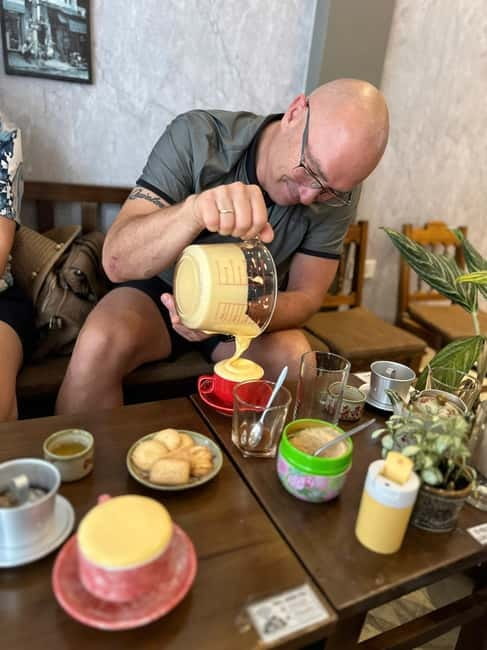
Vietnamese specialty coffee is used, and it’s not random. Beans come from Vietnam’s Central Highlands, and harvests are seasonal. That means the coffee can change throughout the year, depending on what’s available and what’s best at the moment.
Fresh ingredients are prepared daily, including eggs, milk, and coconut. Nothing is pre-made or artificial. In practice, that keeps flavors bold and helps you taste the difference between “real ingredient” and “flavoring.”
You’re also told why what you’re tasting works—so you understand the coffee better, instead of just collecting flavors.
The Instructor’s Stories: Hanoi Coffee Through People You Can Talk To
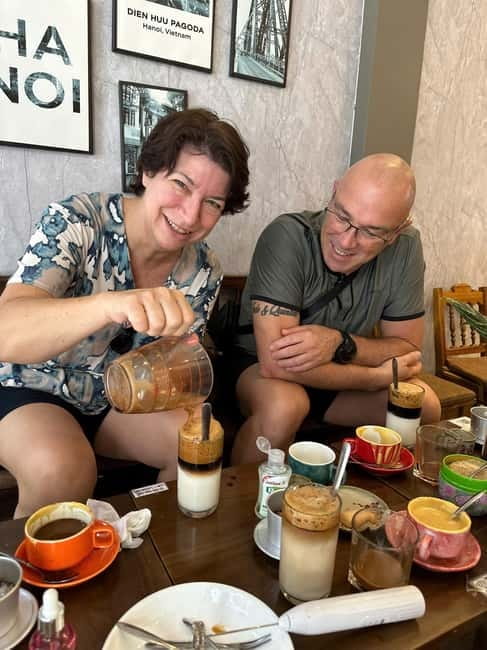
The teaching style is personal. Hosts are born and raised in Hanoi’s Old Quarter, and their approach is grounded in learning from the people who came before them—grandparents, chefs, street cafés, and years of tasting and experimenting.
In other words, the stories aren’t tacked on like trivia. They connect to what you’re making. You’ll hear about mornings in the city, how café habits shaped tastes, and how Vietnamese coffee developed into what you drink today.
It also helps that the English instruction is clear and step-by-step. In multiple experiences, guides such as Jade, Eddie, Daisy, Jessica, Zoey, Tyler, Ngoc, and Mint are highlighted for friendliness and for explaining each step thoroughly.
Atmosphere Details: Ceramic Tools, Sterilized Utensils, AC, and a Quiet Outside World
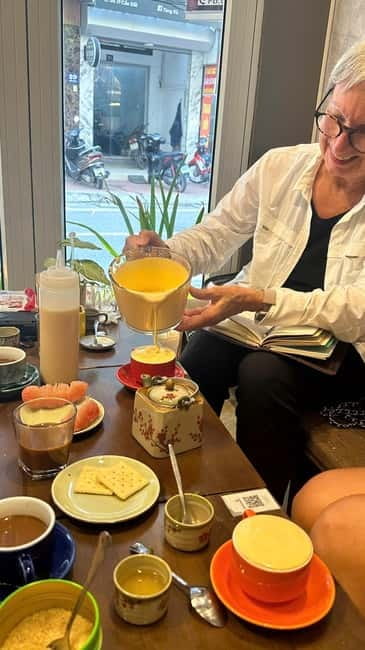
This place functions like a real home. You use ceramic tools from local pottery villages, and you feel the texture of grounds and foam while you taste.
Practical comforts are included too: air conditioning, clean restrooms, and sterilized utensils (dishwasher use is mentioned). If you’re doing this in warmer months, the AC and the calm pacing can make the whole experience easier.
There’s also a pet-friendly garden space, and childcare service is available if you need it. That’s rare in coffee classes and makes it more flexible if you’re traveling with family.
Getting Value from the $22 Price: Recipes, Practice, and More than One Cup
At $22 per person for 1–2 hours, the value is in what you actually get to do. You’re making multiple coffees (4–6), tasting your way through differences, and getting full recipes plus extra help for making coffee at home.
You also get a photographer element included through your instructor, and you’re not just left with memories—you’re given the materials to repeat the experience.
And the social value is real. Small groups and warm hosts make it easy to talk while you work. You’ll often leave with better coffee direction in Hanoi, not just better coffee technique.
Practical Timing: Morning vs. Afternoon and How to Plan Your Day
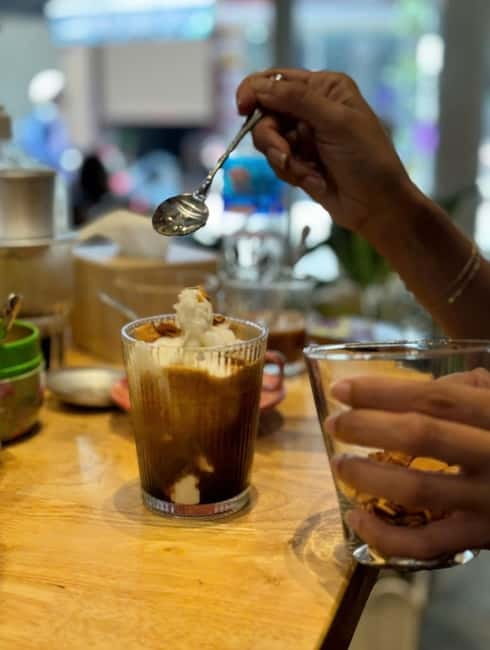
Since this is a tasting-heavy class, timing matters. If you do it in the afternoon, expect that you may not want a long queue of more coffee right after.
If you want to keep your schedule smooth, I’d treat it like a mini anchor activity. Do it early, then use the rest of your day to explore with a map of the Old Quarter and coffee recommendations from your host—some instructors even provide maps and personal suggestions.
Who This Workshop Is For (and Who Might Skip It)
This is ideal if you:
- love coffee and want to understand why the cup tastes the way it does
- want hands-on practice, not just a tasting
- like getting recipes that translate to home brewing
- enjoy culture when it’s connected to daily life, not performed at you
It might not be for you if:
- you’re very sensitive to caffeine and don’t want to drink multiple cups
- you’re traveling with a baby under 1 year or very elderly travelers over 95 years, since it’s listed as not suitable for those ages
If you fit in the main audience, you’ll probably find this one of the most satisfying “small experience” stops in Hanoi.
Should You Book This Hanoi Vietnamese Coffee Workshop?
Yes, if you want a real skill, not a souvenir. For $22, you’re getting hands-on brewing practice, multiple signature cups, ingredient clarity, and recipes you can use at home. The small group size keeps it fun and focused, and the Old Quarter home setting makes it feel like a window into daily life.
Book it especially if you like the idea of learning to taste and adjust—because that’s the part that sticks long after your trip ends.
If you only want a quick coffee tasting and nothing hands-on, you might feel it’s more work than you expected. But for coffee people, this is the kind of class that changes your next cup.
FAQ
How many Vietnamese coffees will I make?
You’ll make 4–6 signature Vietnamese coffees, including black, brown, egg, white (silver), coconut, and salted coffee.
How long does the workshop last?
It typically runs 1–2 hours.
Where is the meeting point?
You meet at a cozy local café hidden in a peaceful corner of the Old Quarter, near landmarks such as Hanoi Opera House and the Red River.
What is the price per person?
The price is $22 per person.
What’s included in the experience?
Coffee and teas are included, along with full recipes and a passionate local instructor. The experience also includes air conditioning, clean restrooms, sterilized utensils, and a dishwasher setup.
Will I have time to brew and taste, or is it just watching?
You’ll be hands-on for each cup. You grind, brew, whisk, taste, and adjust during the workshop.
What languages are offered?
The instructor is Vietnamese and English.
How big are the groups?
The group is small, limited to 10 participants.
Is it wheelchair accessible?
Yes, it is listed as wheelchair accessible.
Is it suitable for babies and older adults?
It’s not suitable for babies under 1 year or people over 95 years.
Is childcare available?
Yes, childcare service is available.