REVIEW · HISTORICAL TOURS
Hanoi Heritage: Traditional Embroidery Workshop in Ancient House
Book on Viator →Operated by Up Travel Vietnam · Bookable on Viator
A thread, a needle, and a family story in Hanoi. This traditional embroidery workshop in the Old Quarter lets you learn hand techniques from Hong, a fourth-generation artisan behind Tân Mỹ, and leave with a finished piece you can actually use as a meaningful souvenir. I especially like the hands-on pace for all skill levels and the way the workshop feels rooted in a real household business, not a staged demo. One thing to consider is that it’s a focused 60–90 minute making session, so it’s not the best fit if you’re hoping for a huge, complex work.
You’ll start in a preserved ancient house, learn the basic stitches, pick from colorful threads, and then put your own design together. I also like that you get small comforts that help the experience feel easy: a translator, complimentary Vietnamese drinks and snacks, and photos if you want them. The main drawback is simple: you’ll leave knowing how to make your own small embroidery piece, but you won’t get days of practice the way a full-length craft program would.
In This Review
- Key Things to Know Before You Go
- A 1969 Family Workshop Hiding in Hanoi’s Old Quarter
- Meet Hong: Fourth-Generation Embroidery at Tân Mỹ
- Your Hands-On Embroidery Session: Stitches, Thread Choices, and Finish Time
- Inside the Ancient House: A Short Visit With Real Atmosphere
- Complimentary Drinks and Classic Hanoi Snacks
- Optional Add-On: A Home-Cooked Hanoi Meal in the Same Setting
- Quality, Photos, and the Little Details That Help You Enjoy It
- Price and Value: Why $22 Works for Most People
- Who This Workshop Suits Best (And Who Might Want Something Else)
- Should You Book This Embroidery Workshop in Hanoi?
- FAQ
- How long is the Hanoi embroidery workshop?
- Is the workshop suitable for beginners?
- What is included in the price?
- Do I get food or drinks during the workshop?
- Where do I meet for the activity?
- Can I add a meal to the workshop?
Key Things to Know Before You Go
- Hong teaches the stitches, and her family business has roots going back to 1969
- All materials are provided (fabric, hoops, and colorful threads)
- You make a souvenir you take home, packed carefully at the end
- Complimentary drinks and classic snacks come with the class
- You can shop embroidered artwork and even arrange worldwide shipping
- An optional home-cooked Hanoi meal can turn your visit into a full, cozy experience
A 1969 Family Workshop Hiding in Hanoi’s Old Quarter
This class is set in Hanoi’s Old Quarter, in a beautifully preserved ancient house that feels like it belongs to daily life, not just tourism. The point is not big-city sightseeing. The point is craft, in a real home setting where the details matter.
You meet at 16 P. Hàng Trống (Hàng Trống, Hoàn Kiếm, Hanoi), and the activity runs from there and ends back at the meeting point. The session is about 1.5 hours total, with a 60–90 minute hands-on workshop window. That timing is good for most people: long enough to learn the basics and finish something you’re proud to take home, not so long that you feel rushed or tired.
It also helps that the workshop is private, so it’s only your group. That usually means less waiting around and more time for questions—especially if you’re a first-timer with a needle.
You can also read our reviews of more historical tours in Hanoi

Meet Hong: Fourth-Generation Embroidery at Tân Mỹ
The workshop’s heart is Hong, your host: a fourth-generation embroidery artisan and owner of Tân Mỹ. Her family business started in 1969, but her story reaches back even further, tied to a tradition of textile work handed down across generations. If you care about where a craft comes from, you’ll feel that here.
Hong’s role isn’t just to run the class. She’s there as a living link between past and present—because embroidery in this family isn’t a one-off hobby. She also explains how embroidered keepsakes were used historically, including messages of love and hope made during the war era for soldiers. That context changes the whole workshop tone. It’s not just learning a skill. It’s learning what the skill has meant to families over time.
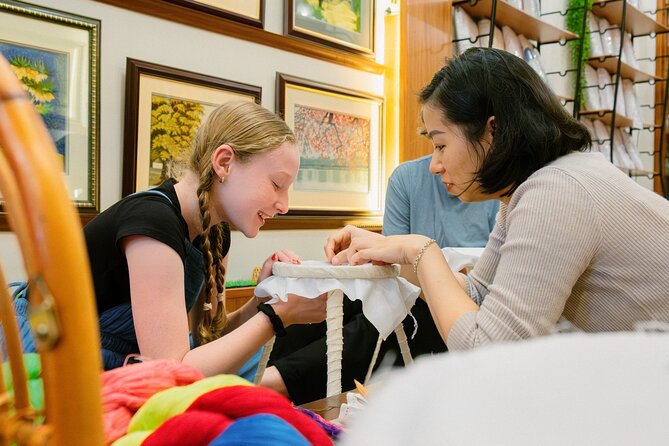
You’ll be supported by a translator during the workshop. That matters because embroidery has lots of tiny terms—stitch names, thread handling, how to keep tension neat. You’re not left guessing.
Your Hands-On Embroidery Session: Stitches, Thread Choices, and Finish Time
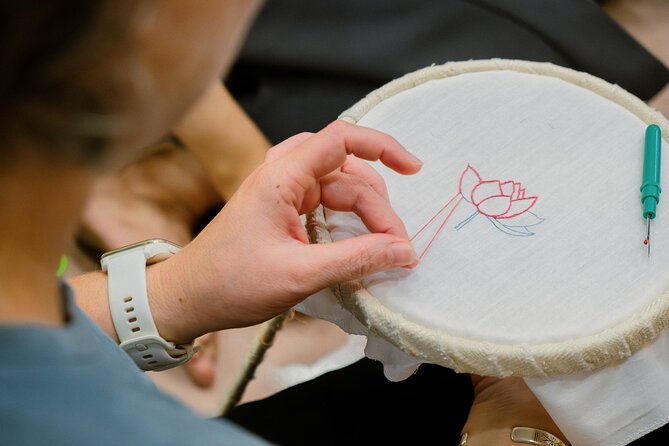
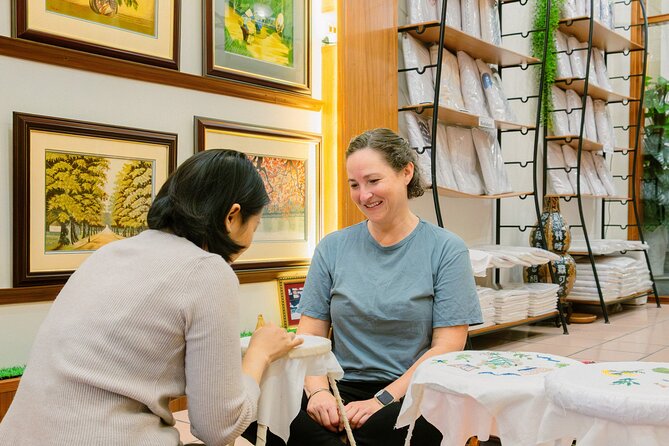
This is the part you’ll remember: you sit down, start stitching, and slowly watch your own design take shape. The class introduces you to fundamental Vietnamese embroidery techniques, using guidance passed down through the family craft.
What I like most is that it’s built for all skill levels, including true beginners. The workshop provides hoops, fabric, and colorful threads, so you’re not hunting for supplies or worrying about bringing the wrong tools. You get to focus on the technique and the decisions you’re making, not on logistics.
During the class you’ll learn the core idea behind the stitches and practice enough to create a finished embroidered piece. At the end, your work is packed carefully so it travels home with you. That packing detail is small, but it saves you from the stress of worrying how to protect your souvenir in a bag.
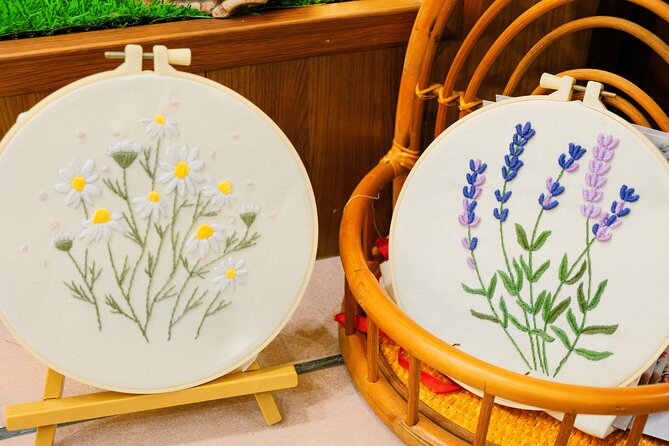
You’ll also have a choice of colors, and that’s part of the reason people leave happy. A needle can be patient, but creativity needs room. The class structure encourages you to choose and shape your own version rather than copying one rigid sample.
One practical consideration: the session is intentionally designed for learning and completion within 60–90 minutes. If you want an ultra-detailed, large embroidery that takes days, you’ll probably feel limited by time. But if you want a solid, finished take-home piece, the schedule fits well.
Inside the Ancient House: A Short Visit With Real Atmosphere
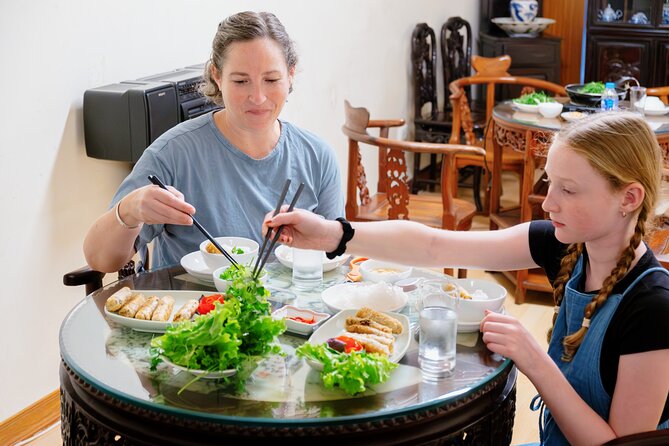
Not everything here is about stitching time. You also get a brief visit to discover the charm of the ancient house. It’s not a long tour, but it adds texture to the experience.
This matters because the workshop isn’t designed like a factory classroom. The setting supports the craft. In an older house, you notice the atmosphere: how space is used, how the environment feels lived-in, and how the workshop blends into the home context.
If you’re pairing Hanoi activities, this is a good break from constant street walking. You get a quieter pause in the Old Quarter while still staying close to the heart of the city.
Complimentary Drinks and Classic Hanoi Snacks
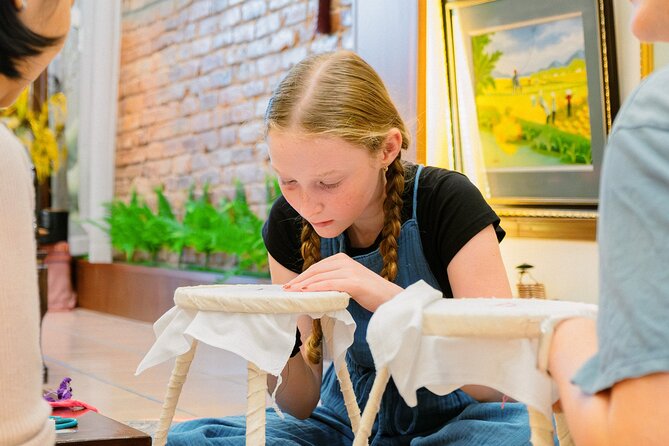
Embroidery classes can sometimes feel like you’re stuck in a chair with no breaks. Here, the comfort is built in. You’ll receive a complimentary drink (bottled water, iced tea, or seasonal fruit juice) plus local snacks.
The snacks listed are green bean cakes and peanut candy. Simple items, but they make the workshop feel more like hospitality than a lesson that starts and stops on the clock.
If you’re visiting during hot months, iced tea and fruit juice can be a relief. And if you’re visiting on a rainy day, you’ll appreciate that the core activity is indoor and schedule-friendly.
You can also read our reviews of more tours and experiences in Hanoi




Optional Add-On: A Home-Cooked Hanoi Meal in the Same Setting
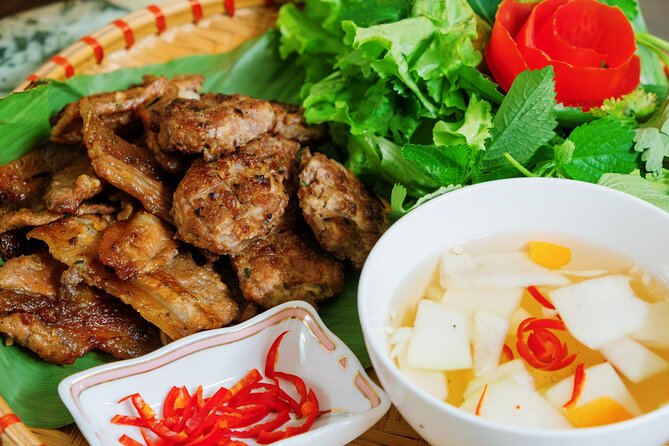
If you want to stretch the experience into a full, relaxed meal, you can add an authentic home-cooked meal featuring an iconic Hanoi specialty. It’s prepared with care by the family and served in the house’s serene setting.
This is a smart option if you’re traveling with limited time and want one ticket to cover both craft and food. It also turns the class into a slower rhythm, which can be really nice after a morning of Old Quarter walking and trying street food on your own.
Just note the tradeoff: you’ll spend more time on-site, and the meal option is only available if you select the add-on when booking.
Quality, Photos, and the Little Details That Help You Enjoy It
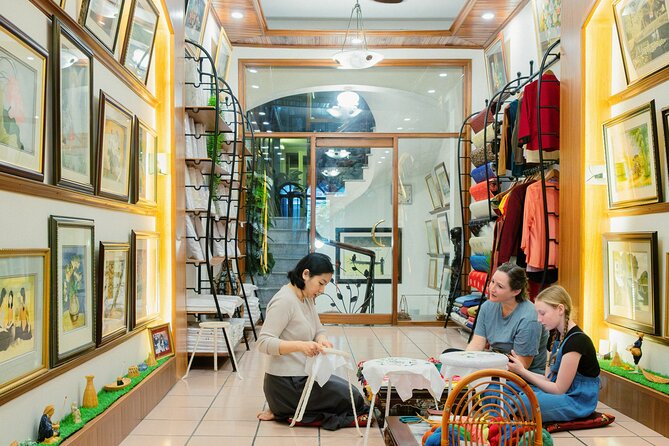
Small inclusions make a big difference in real-world comfort. For example, you can get photos taken during the session upon request. That’s handy because you’ll be focused on stitching and might not want to manage your camera the whole time.
You also get no time limitation and can enjoy the activity at your own pace. In practice, that usually means you won’t feel yanked along if you’re slower or if you want to finish neatly.
Another practical point: you receive a mobile ticket, and the meeting place is near public transportation. Hanoi Old Quarter streets can be busy and confusing, so having a clear meeting address and easy transit access helps.
Price and Value: Why $22 Works for Most People
At $22 per person, this workshop sits in the range where you’re paying for more than a simple souvenir shop visit. You’re paying for instruction from Hong, materials (fabric, hoop, and thread), the translator support, and the finished piece you take home.
What makes the pricing feel fair is that you’re not just buying an item—you’re buying time with a craft expert and leaving with something made by your own hands. That type of value is hard to match with a one-hour museum stop or a standard shopping detour.
It’s also a popular activity: the average booking window is about 20 days in advance. If you’re traveling during a busy season or want a specific time, booking early is smart.
Who This Workshop Suits Best (And Who Might Want Something Else)
This is an excellent choice if you want a hands-on cultural activity in Hanoi that doesn’t require previous experience. You’ll do fine whether you’re a total beginner or someone who already sews.
It’s also a good fit if you care about real-world craft rather than staged entertainment. The workshop gives you a connection to a family textile tradition and a teacher who’s tied to it—Hong at Tân Mỹ.
If you’re traveling with a child, the experience may still work, but you should expect the class to be more successful when everyone is ready to be patient. One visit with a 6-year-old family happened on a rainy day, and it went well with careful, thorough facilitation. So if you bring kids, plan for extra patience and flexibility rather than expecting a strict adult-only rhythm.
On the flip side, if your main goal is major sightseeing, this isn’t built as a full-day tour. You’ll get a brief ancient-house look, but most of your time is devoted to making.
Should You Book This Embroidery Workshop in Hanoi?
I’d book this if you want a meaningful take-home souvenir, a short indoor activity that’s not stressful, and a real craft story tied to a family business. You’re getting instruction, materials, translation support, and classic Vietnamese snacks in one package—plus the chance to learn and finish your own work.
Skip it if you want a long, deep craft immersion or if you dislike handwork that takes focused attention. But for most people who want something different than the usual Old Quarter routine, this is a strong value choice.
If you book, I’d also pick a time when you won’t feel rushed afterward. Even with no time limit, you’ll enjoy the class more when you can settle in and treat the embroidery like a little creative break.
FAQ
How long is the Hanoi embroidery workshop?
It runs for about 1 hour 30 minutes total (approximately), with the hands-on session typically described as 60–90 minutes.
Is the workshop suitable for beginners?
Yes. The class is designed for all skill levels, including complete beginners, and instruction is provided throughout.
What is included in the price?
You get all embroidery materials (hoop, fabric, and thread), expert instruction from an artisan, translator support, and your completed embroidery piece to take home. You also receive a complimentary drink and local snacks, plus a brief visit to see the ancient house.
Do I get food or drinks during the workshop?
Yes. You’ll receive one complimentary drink (bottled water, iced tea, or seasonal fruit juice) and snacks such as green bean cakes and peanut candy.
Where do I meet for the activity?
You meet at 16 P. Hàng Trống, Hàng Trống, Hoàn Kiếm, Hà Nội, Vietnam, and the experience ends back at the same meeting point.
Can I add a meal to the workshop?
Yes. You can opt to add an authentic home-cooked meal of a Hanoi specialty, prepared by the family and served in the house’s setting.