REVIEW · COFFEE EXPERIENCES
Hanoi Coffee Workshop: Crafting Your Perfect Brew
Book on GetYourGuide →Operated by Vietnam Vivid Travel · Bookable on GetYourGuide
Spending an hour with Vietnamese coffee feels like food history you can taste. You’ll learn the phin filter method and mix up multiple styles, from condensed-milk classics to egg and coconut coffee. The only real downside: the coffee is strong, so if you show up hungry you might end up with a caffeine hangover.
The workshop is guided in English by friendly instructors such as Gene, Jay, Moon, and Ashley, and the small group size (limited to 10) keeps the pace relaxed. I especially like that you don’t just drink; you actively brew and taste each version as you go. One practical consideration: it’s not for everyone—wheelchair users and people with diabetes should skip it.
You meet on the 1st floor of the Lotus Hanoi Hostel building, step into an air-conditioned space, and get recipes you can recreate later. I like that they offer vegan/dairy-free options if you request them ahead of time. If you want a fun, culture-meets-coffee experience without a complicated schedule, this one is straightforward.
In This Review
- Key Things You’ll Notice in This Hanoi Coffee Workshop
- Where You Start: Lotus Hanoi Hostel and the Workshop Setup
- Price and Value: Why $12 Can Be a Great Coffee Bargain
- The Core Skill: Brewing Vietnamese Coffee with a Phin Filter
- Coffee Style One: Cà Phê Đen and Cà Phê Nâu (Black and Brown)
- The Highlight Drink: Cà Phê Trứng (Vietnamese Egg Coffee)
- The Light and Milky Option: Bạc Xỉu (White Coffee)
- Adding the Chill: Cà Phê Cốt Dừa (Coconut Coffee)
- The Big Curiosity Factor: Cà Phê Muối (Salt Coffee)
- What You Learn Beyond the Drinks (Origins and Ingredients)
- English Instruction and the Small-Group Advantage
- Timing, Caffeine, and How to Avoid a Bad Aftertaste Day
- Food, Allergies, and Dairy-Free Options
- Who This Workshop Is Best For
- Should You Book This Hanoi Coffee Workshop?
- FAQ
- How many coffees will I make in this Hanoi workshop?
- How long does the workshop last?
- Do I need to know Vietnamese coffee before I go?
- Is food included with the workshop?
- What’s included in the price?
- Is the workshop suitable for everyone?
- Are vegan or dairy-free options available?
- Where do I meet for the workshop?
- Can I cancel or change my booking plans?
Key Things You’ll Notice in This Hanoi Coffee Workshop
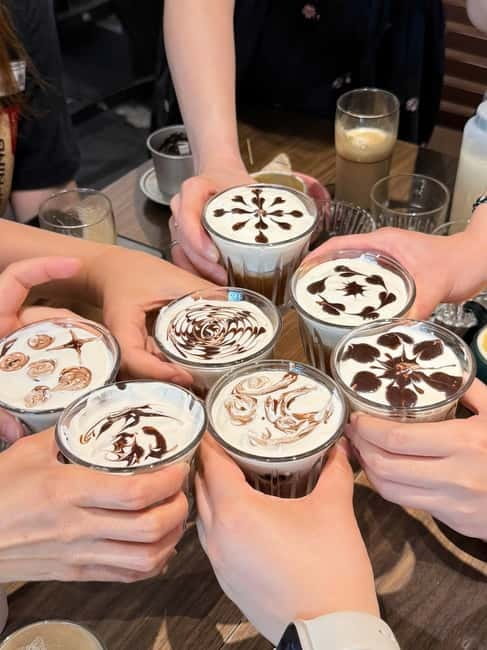
- Phin filter practice: you’ll brew the iconic Vietnamese way and taste the results immediately
- 6 coffee styles if you choose all options: from black and brown to egg, coconut, and salt coffee
- Egg coffee technique: you’ll learn the whipped egg yolk approach that makes it creamy
- English guidance with a personal feel: instructors like Jay, Gene, Moon, and Ashley keep it easy to follow
- Take-home recipes: you get written instructions so you can reproduce the drinks later
- Strength matters: even the “lighter” options can still feel bold, especially if you’re caffeine sensitive
Where You Start: Lotus Hanoi Hostel and the Workshop Setup
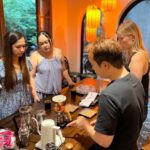
This experience is based in one main workshop space at the Lotus Hanoi Hostel in Hanoi. You’ll meet on the 1st floor of the building, then settle in under air conditioning (nice when Hanoi humidity is doing its thing). The session runs 1 to 2 hours, and it stays small—up to 10 participants—so you’re not lost in a crowd.
The format is hands-on from the start. You’ll be working with traditional Vietnamese tools, and you’ll taste what you brew rather than sampling from pre-poured cups. That matters because Vietnamese coffee is all about method: the way it’s filtered and sweetened can completely change the flavor.
Before you go, do yourself a favor and eat first. The strongest part of the experience might be how much caffeine you end up tasting across multiple drinks. If you’re sensitive, go slow and ask your guide to help you pace it.
You can also read our reviews of more tours and experiences in Hanoi

Price and Value: Why $12 Can Be a Great Coffee Bargain
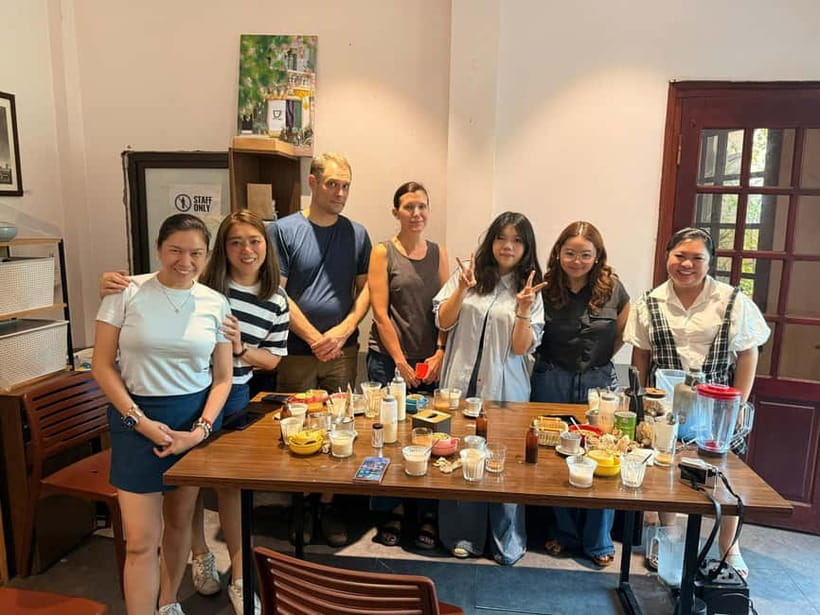
At $12 per person, this workshop is priced like a casual activity—but it includes more than you’d expect for that price. You get the coffee ingredients and tools, guided instruction in English, and you taste every coffee you prepare. You also get recipes to take home, plus access to an air-conditioned workshop space.
The value really jumps depending on what you select:
- Option 1 lets you make 4 coffees, which already covers a lot of Vietnamese coffee personality.
- Option 2 adds coconut coffee, giving you a chilled, creamy angle.
- Option 3 gives you all 6, including the more unusual salt coffee.
If you’re a coffee lover, that choice is the difference between a nice tasting and a proper education you can repeat at home. If you’re just curious, starting with 4 styles still feels like a full experience.
One more value point: vegan/dairy-free options are available upon request. Since several of the classic Vietnamese coffee drinks rely on dairy, it’s good to know you don’t have to miss the fun if you plan ahead.
The Core Skill: Brewing Vietnamese Coffee with a Phin Filter
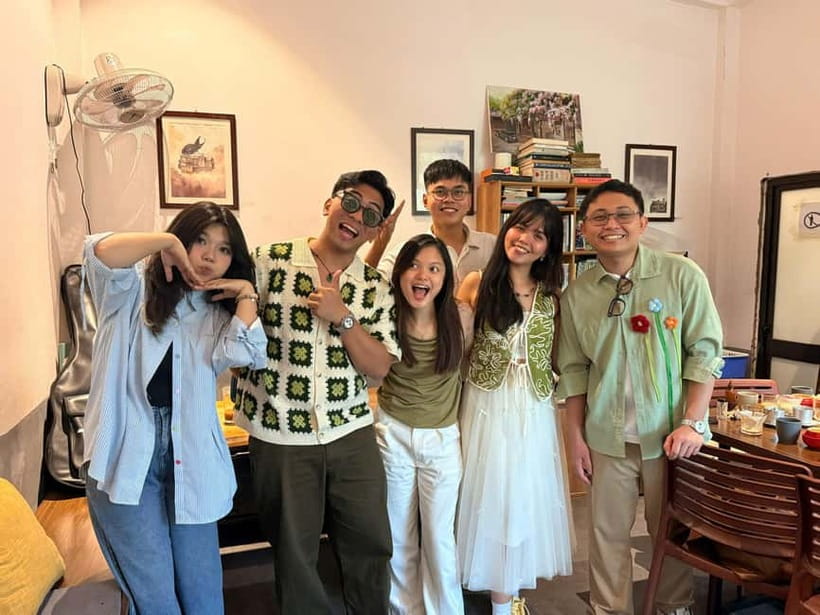
The heart of the class is learning how Vietnamese coffee is brewed using a phin filter. You’ll spend time practicing the process and then taste what the method creates. This is the part that turns coffee from a beverage into a technique.
Here’s what makes the phin style worth learning. Vietnamese coffee tends to be concentrated, aromatic, and deeply flavored. Even when the drink is sweetened or “lighter” with milk, the base brew still carries a strong coffee backbone. That’s why the pacing tip matters—if you drink fast, you’ll feel it.
Your guide will show you how to set up and brew, then you’ll move from watching to doing. In a small group, you can ask questions as you go, and instructors like Jay and Moon are known for explaining clearly and adjusting to your preferences. If you’ve ever wondered why Vietnamese coffee tastes different from what you get elsewhere, this is where the answer lives.
Coffee Style One: Cà Phê Đen and Cà Phê Nâu (Black and Brown)
Most classes start with the base drinks because they set your expectations. You’ll learn black coffee (Cà phê đen) first. It’s strong and aromatic, brewed through the phin filter, and it gives you a true sense of the coffee’s character before sweet additions.
Then you move to brown coffee (Cà phê nâu). This one is balanced and sweetened with condensed milk. The change is important: condensed milk isn’t just sweetness—it adds a round, creamy thickness that mellows the strong coffee notes.
From a practical standpoint, these two are great for calibrating your palate. If you like the bitterness of the black coffee, you’ll probably enjoy the deeper coffee flavors even in the more dessert-like styles. If black coffee is too intense for you, the brown drink can be your “bridge” into the rest of the menu.
The Highlight Drink: Cà Phê Trứng (Vietnamese Egg Coffee)
If there’s a coffee that makes people lean in and pay attention, it’s egg coffee (Cà phê trứng). You’ll learn how it gets its creamy texture from whipped egg yolk, and then you’ll taste it right after brewing.
Egg coffee can sound odd if you’ve only known coffee as a straight-up beverage. In this class, it stops being mysterious because you see how the texture is built. The egg yolk creates a rich mouthfeel that feels almost like a custard-leaning dessert.
This is also a good drink to slow down with. Egg coffee tends to feel heavy in a good way, and combined with coffee strength, it can land fast. If you’re aiming for a comfortable experience, treat egg coffee as a centerpiece, not a quick gulp.
You can also read our reviews of more tours and experiences in Hanoi


The Light and Milky Option: Bạc Xỉu (White Coffee)
Next up is white coffee (Bạc xỉu), which is generally milder and milk-forward. It’s often described as a milkier, lighter option compared with straight black coffee, and it stays popular because it’s easy to enjoy even if you’re not used to concentrated brews.
In practice, Bạc xỉu helps you understand the Vietnamese coffee “spectrum.” You’re still working with the coffee base, but milk changes the perceived intensity and adds a soothing profile. It’s a smart option if you want to keep tasting without feeling like your head is swimming after each sample.
If you’re sharing this workshop with someone who doesn’t love strong coffee, this one can help bring them along. And if you love coffee, it’s still worth it because it teaches you how the same base can create totally different experiences.
Adding the Chill: Cà Phê Cốt Dừa (Coconut Coffee)
If you choose Option 2, you’ll also make coconut coffee (Cà phê cốt dừa). This one is typically chilled and combines coffee with coconut cream. It’s refreshing in a way that the hot drinks don’t do, and coconut adds a sweet, rounded flavor that plays nicely with coffee bitterness.
Coconut coffee is a great break in the tasting flow. After strong and creamy dairy-based drinks, coconut gives you a different texture and flavor direction. It also makes the workshop feel more varied, not just like repeats with different sweeteners.
If you hate surprises, taste it first with a small sip. If you like new combinations, you’ll probably love how the coffee stays present even with coconut cream in the mix.
The Big Curiosity Factor: Cà Phê Muối (Salt Coffee)
If you go for Option 3 (all 6 coffees), you’ll finish with salt coffee (Cà phê muối). This is the one that surprises most people. It mixes bitterness and sweetness with a hint of salt, and the salt changes how the flavors show up in your mouth.
Why does this work? Salt can sharpen and balance flavors, so instead of the drink tasting only sweet or only bitter, you get a more layered profile. In a class setting, you’re tasting it immediately after learning about the ingredients, which makes it much easier to understand than trying to recreate it later from memory.
Salt coffee can be polarizing, but the workshop makes it fair: you’re not guessing what’s going on. You’re told the logic behind the ingredients, and then you taste the result yourself. If you’re the type who likes food science-y moments without the lecturing, this is a strong “yes” for you.
What You Learn Beyond the Drinks (Origins and Ingredients)
The workshop isn’t only about how to make coffee. You’ll also learn about the origins of each coffee style and the ingredients involved. That’s valuable because Vietnamese coffee is built around local habits: sweeteners, brewing tools, and flavor preferences.
You also learn how to recreate the drinks at home, and they hand you recipes to take home. In other words, you’re not leaving with just a pleasant memory—you’re leaving with a way to repeat the experience.
Some guides also talk about which beans tend to work best, and you may get practical suggestions on what to look for. That matters because at-home coffee can fail for reasons that have nothing to do with technique—often it’s the coffee itself.
English Instruction and the Small-Group Advantage
The workshop is guided in English with a small group capped at 10 participants. That sounds like a scheduling detail, but it changes the experience. You get quicker help if you’re confused about the phin filter steps, and you can adjust your tasting to what you actually like.
The human factor comes up repeatedly in the reviews you’ll hear: instructors such as Gene, Jay, Moon, and Ashley are described as welcoming, friendly, and good at explaining. One of the best parts is that your guide can adjust to your flavor preferences rather than forcing a one-size-fits-all approach.
If you’re traveling solo, this format is also friendly. You’ll get to talk to your group while you brew, but the instruction stays personal enough that you don’t feel awkward asking questions.
Timing, Caffeine, and How to Avoid a Bad Aftertaste Day
The class lasts 1 to 2 hours, which is perfect if you want something focused without eating up half your day. But there’s one thing to plan around: you are drinking multiple coffees in a short span.
The workshop itself asks you to eat beforehand to avoid caffeine hangover. I’d treat that advice seriously. If you’re caffeine sensitive, consider taking smaller sips and pacing between drinks, especially with egg coffee and condensed-milk styles that can feel richer than you expect.
Also, if you have a busy day afterward, keep it realistic. Coffee can make some people feel energetic; it can also make others feel jittery. A calm plan afterward is the smart move.
Food, Allergies, and Dairy-Free Options
Food or a meal is not included, so you’ll want to eat before you arrive. The workshop gives you coffee ingredients, tools, and tastings—but it does not replace a meal.
Vegan/dairy-free options are available upon request, which is a big deal because several core Vietnamese coffee styles use condensed milk or dairy-based creaminess. If you need dairy-free, contact in advance so they can plan accordingly and you don’t end up with an awkward swap.
People with diabetes should not book this experience based on the provided info, and wheelchair users are also not suitable for this format.
Who This Workshop Is Best For
You’ll likely love this workshop if:
- You’re a coffee person who wants to understand technique, not just flavor
- You want to try Vietnamese coffee styles you may not see elsewhere
- You like hands-on classes with recipes to take home
- You enjoy food experiments, especially the egg coffee and salt coffee options
It might not be the best fit if:
- You’re extremely caffeine sensitive, since you’ll sample multiple strong drinks
- You need wheelchair accessibility or have diabetes concerns
- You want a heavy meal or full-food experience (this is coffee-focused)
Should You Book This Hanoi Coffee Workshop?
If you like coffee and you want something local that doesn’t require a long trip or complicated logistics, I think this is a solid pick. For $12, you’re getting practical brewing experience with a phin filter, tasting multiple Vietnamese coffee styles, and leaving with recipes you can actually use.
Choose Option 1 if you want a clean, classic intro with less tasting volume. Choose Option 2 if you want one chilled curveball with coconut. Choose Option 3 if you’re curious enough to try the salt coffee and want the full “learn all the styles” experience.
Just go in fed, bring a sense of humor about egg and salt surprises, and give yourself a bit of time afterward to enjoy the rest of Hanoi on your own terms.
FAQ
How many coffees will I make in this Hanoi workshop?
You can choose between making 4 coffees, 5 coffees, or all 6 coffees. The options range from black and brown coffee to egg coffee, white coffee, coconut coffee, and salt coffee.
How long does the workshop last?
The experience runs 1 to 2 hours, depending on the schedule and which option you choose.
Do I need to know Vietnamese coffee before I go?
No. The workshop includes guided instruction in English, and you’ll learn about each coffee’s ingredients and how to recreate them at home.
Is food included with the workshop?
No. You should eat beforehand to avoid caffeine hangover.
What’s included in the price?
The price includes all coffee ingredients and tools, tasting of each coffee you prepare, English-guided instruction, recipes to take home, and an air-conditioned workshop space. Vegan/dairy-free options are available upon request.
Is the workshop suitable for everyone?
Wheelchair users and people with diabetes are listed as not suitable. If you’re unsure, it’s worth checking with the provider before booking.
Are vegan or dairy-free options available?
Yes, vegan/dairy-free options are available upon request.
Where do I meet for the workshop?
You meet on the 1st floor of the Lotus Hanoi Hostel building.
Can I cancel or change my booking plans?
The experience offers free cancellation up to 24 hours in advance, and it also uses a reserve now & pay later style so you don’t have to pay immediately.