REVIEW · SAPA TREKKING TOURS
From Hanoi: 2-Day Sapa, Fansipan, and Muong Hoa Valley Tour
Book on GetYourGuide →Operated by Vietnam Nomadtrails · Bookable on GetYourGuide
Fansipan in two days feels like a cheat code. You start with a limousine bus ride from Hanoi into the mountains, then hit Fansipan Peak by cable car and finish with a guided trek through rice terraces and ethnic villages. It’s a packed route, but it’s built for first-timers who want big views plus real community time without planning every step.
I really like the way this trip mixes altitude drama with everyday village life. The cable-car ascent is quick and efficient, then you earn the view with a climb to the top via 600 steps. On day 2, you’re walking rice-field paths with visits to places like Lao Chai (Hmong) and Ta Van (Dzay), plus lunch in a local home.
One heads-up: you should take the physical side seriously. Fansipan needs good health, the trek can be muddy, and the mountain climb or valley walking isn’t a fit if you have medical concerns like high blood pressure or heart problems. Weather can also delay or cancel the trek.
In This Review
- Key things I’d plan around
- Hanoi to Sapa: that early start (and the long ride part)
- Fansipan Peak by cable car: 25 minutes up to 2,800 meters
- Who should think twice here
- The Roof of Indochina experience: photos, pagoda time, and altitude pace
- Day 2 in Muong Hoa Valley: rice terraces, Lao Chai, and Ta Van
- Choose your trek effort: light or hard
- Lunch in Ta Van: where the day turns practical
- Village visits that feel real: learning from guides like Sue and Chia
- Sapa free time on day 2: use it well, don’t overpack it
- Price and value: what $169 covers (and what can add up)
- Fitness, weather, and safety: what can change your day
- Packing that actually helps
- Tour fit: who will love this, and who should skip it
- Should you book this 2-Day Sapa, Fansipan, and Muong Hoa Tour?
- FAQ
- What time do you get picked up in Hanoi?
- How do you get from Hanoi to Sapa?
- What’s included for Fansipan Peak?
- How long is the cable car ride, and how many steps are there?
- What villages do you visit on day 2?
- Is lunch included, and where do you eat?
- Can I choose how hard the Muong Hoa trek is?
- What should I bring for the trek?
- Is the tour suitable for wheelchairs or acrophobia?
Key things I’d plan around
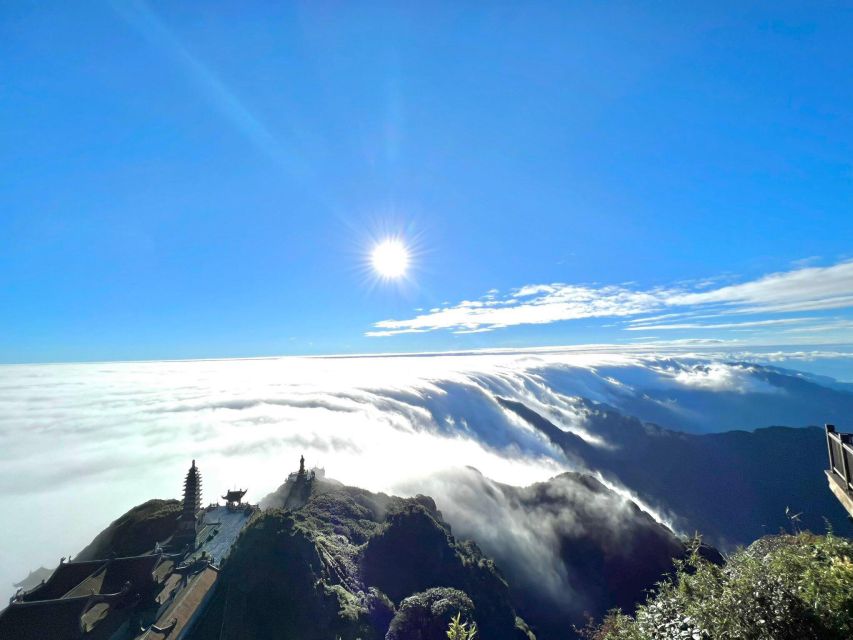
- Cable car to Fansipan plus a 600-step climb to the Roof of Indochina viewpoint
- Muong Hoa Valley trek with Lao Chai (Hmong) and Ta Van (Dzay) village visits
- Small-group size (up to 10) means you can ask questions and move at a human pace
- Local lunch in Ta Van plus time to wander the area and even swim in the Muong Hoa stream
- Guides like Sue and Chia tend to explain rice work and natural-dye clothing details clearly
- Trek timing depends on conditions since bad weather can delay or cancel the walk
Hanoi to Sapa: that early start (and the long ride part)
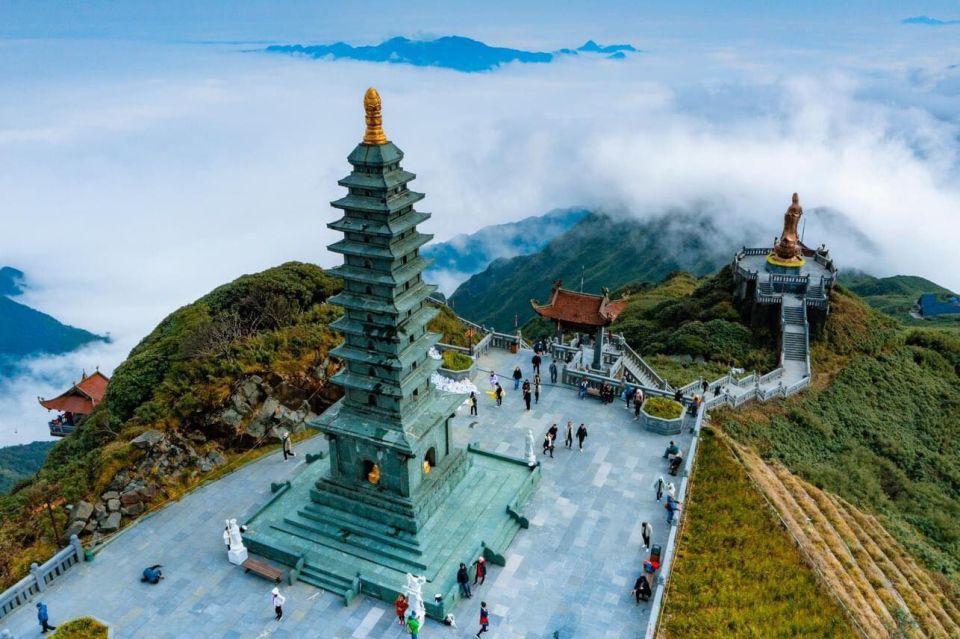
This is a true early-day departure. You’ll get picked up around 6:30 am from Hanoi Old Quarter or your hotel, then head toward Sapa by limousine bus along the Hanoi–Lao Cai highway. The goal is to get you into Sapa with enough time to reset before the afternoon Fansipan run.
You typically arrive in Sapa around 12:30. After that, you check into your hotel, shower, and get a short break before heading to the cable car station. That structure matters because Fansipan isn’t just a photo stop. You’ll climb steps after the cable car, and starting fresh helps.
One practical note: the bus is long. If you’re sensitive to bumpy roads, consider packing motion-sickness meds and bringing layers. A couple of people have mentioned discomfort with the ride, plus wanting more toilet breaks, so go into it with a calm plan rather than assuming everything will feel like a city commute.
You can also read our reviews of more tours and experiences in Hanoi


Fansipan Peak by cable car: 25 minutes up to 2,800 meters
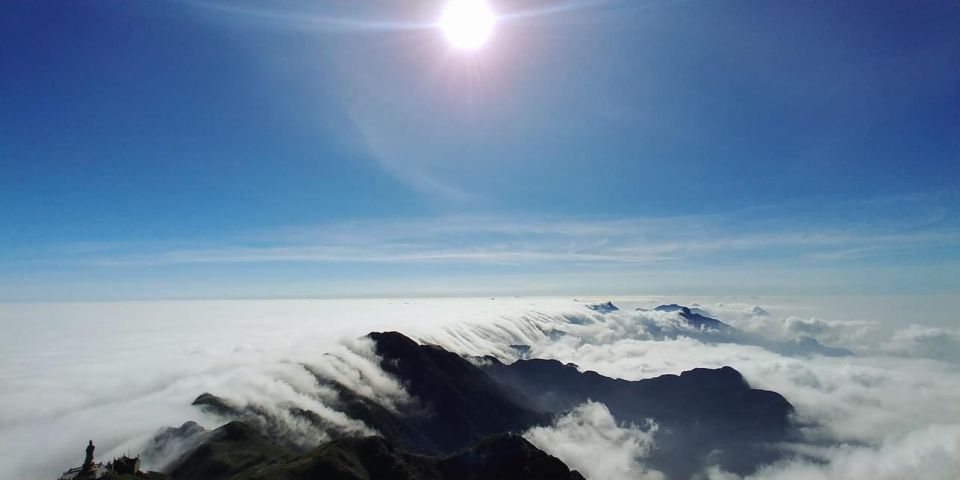
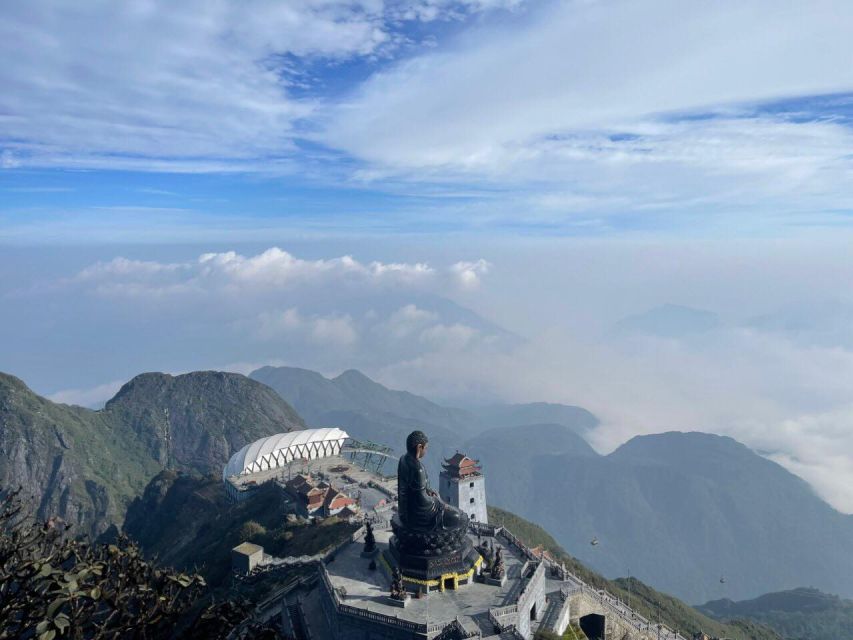
Day 1 is all about going vertical fast. Around 2:00 pm, you head to the cable car station and get about 25 minutes inside the ride. You’ll reach roughly 2,800 meters, where the air feels thinner and the view changes quickly with cloud cover.
Once you arrive, you’re not done. The route includes:
- time to take photos and enjoy the panorama
- visiting a pagoda (a spiritual stop, not just a scenic corner)
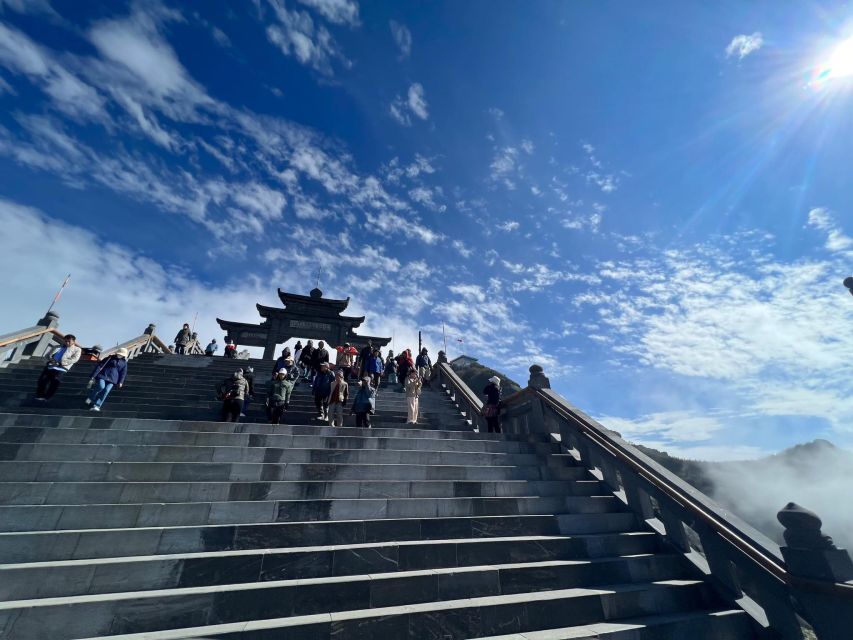
- trekking up to the top via 600 steps
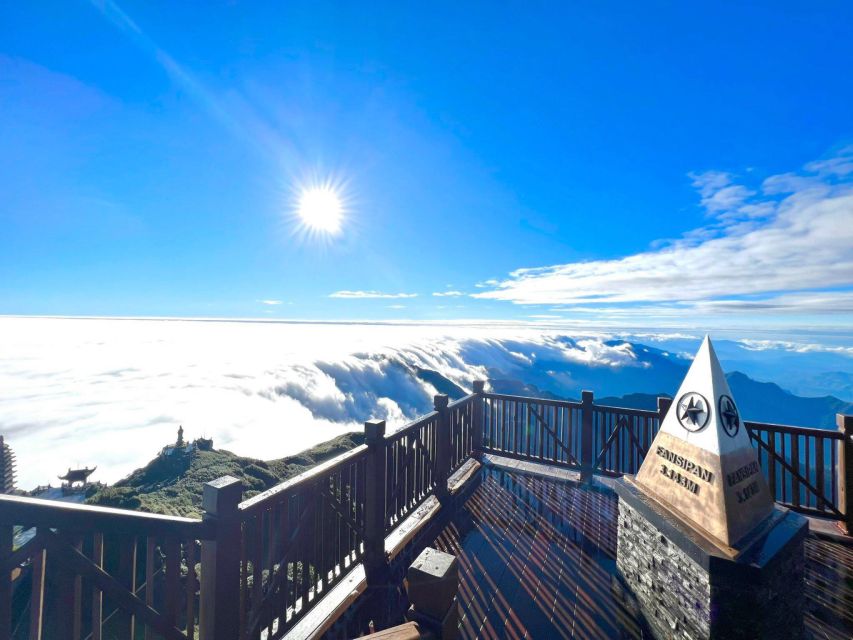
Fansipan is often called the Roof of Indochina and it’s the highest mountain in Vietnam. Your payoff is that top-of-the-world feeling: you’re high enough to look out over the valleys, and clear weather can turn the sky into a clean backdrop for photos.
That said, clouds and fog can move in. People have been lucky with visibility when the fog lifted, and they’ve also noted how quickly conditions can change. Plan for that. Bring sunscreen anyway, but also assume you might need a light layer even if it’s warm down in Sapa.
Who should think twice here
The tour says Fansipan requires good health and it’s not suitable if you have acrophobia (fear of heights). It’s also marked as not suitable for people with heart problems, high blood pressure, wheelchair users, or people over 95 years. If any of those apply, don’t try to “tough it out.” This is a full-height day with stairs and mountain altitude.
The Roof of Indochina experience: photos, pagoda time, and altitude pace
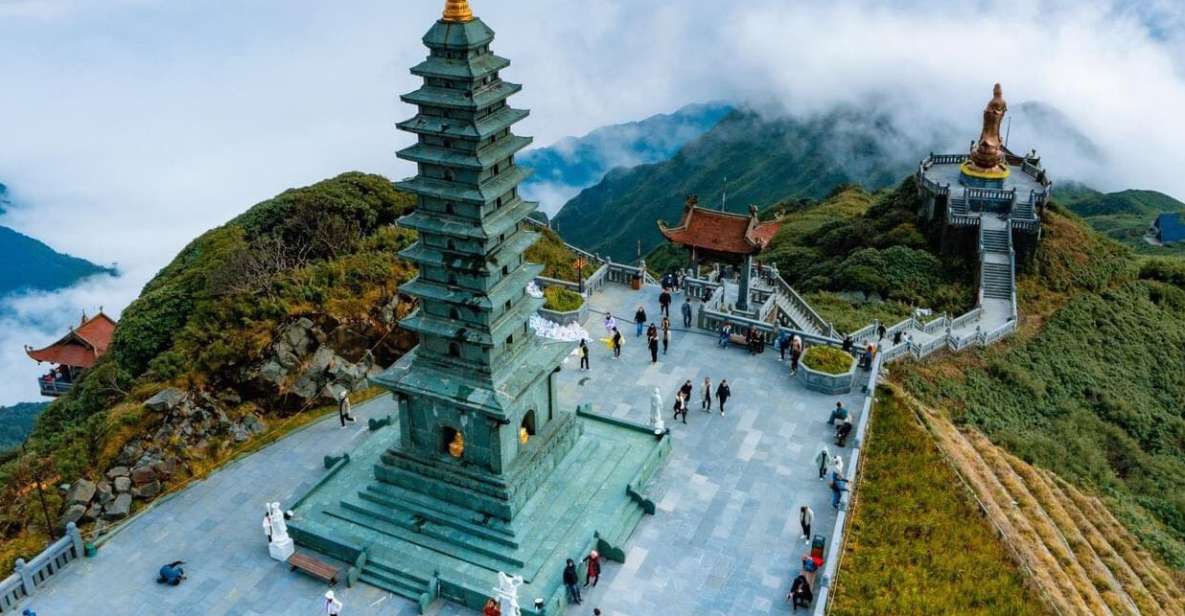
The best part of the Fansipan segment is the rhythm. Cable car first (easy win), then steps (earned view). You’re guided, so you’re not wandering around trying to figure out what matters and what doesn’t.
That pagoda stop is also worth your time. It slows you down for a moment when you’re otherwise chasing photos. Even if you’re not into religious sites, it gives the mountain a deeper context and helps break up the climb so you’re not just counting steps the whole way.
You’ll usually have time to pause, look around, and take pictures before or during the step climb. If you get a guide like Sue, you may also find that they explain cable car logistics and what to look for at the peak. That kind of guidance helps you feel more confident the moment you arrive.
Day 2 in Muong Hoa Valley: rice terraces, Lao Chai, and Ta Van
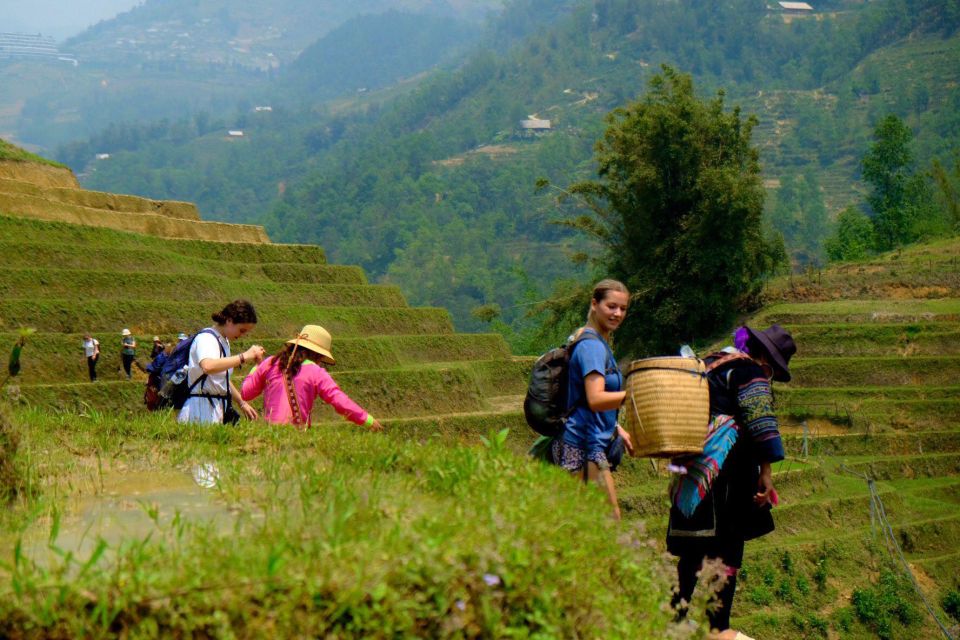
After breakfast, the tone shifts. Day 2 is the trek day through Muong Hoa Valley, where the scenery changes from height to fields.
Your walking route includes:
- Lao Chai village (Hmong)
- Ta Van village (Dzay)
- stops in local homes and even local schools
This is where the tour feels more personal than a standard sightseeing loop. The guide helps you connect what you see—rice work, daily routines, clothing—to the people you’re meeting. In the best moments, you’re not just passing by houses. You’re watching how life works, then being given a chance to ask questions.



Choose your trek effort: light or hard
You can choose between a light or hard trek depending on fitness. That flexibility is good value because it turns the same route into options instead of a one-size-fits-all hike. If you’re newer to trekking, the light choice helps you still enjoy rice terraces without feeling crushed.
If you pick the harder version, expect longer walking time and more uneven ground. One traveler noted the trek can run 3+ hours and become muddy if the area has recently been wet. That’s a good reminder: mud isn’t a surprise here. It’s part of the valley.
Lunch in Ta Van: where the day turns practical
Lunch is included and it’s a standout detail. You’ll have lunch at a local home in Ta Van. That gives you a chance to slow down and eat in a normal, everyday setting rather than squeezing your meal into a tourist restaurant.
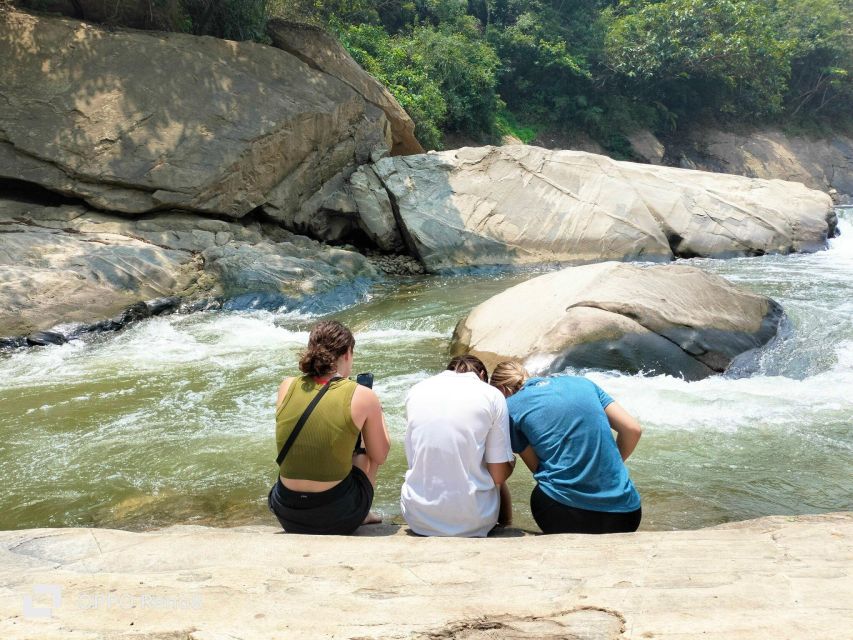
After lunch, you may have time to wander around. There’s also the option to take a swim in the Muong Hoa stream if conditions allow. If you’re the type who likes doing one spontaneous thing during a trip, this is one of those chances.
Village visits that feel real: learning from guides like Sue and Chia
The cultural part of this tour isn’t just a checklist. It’s about how your guide interprets what you’re seeing.
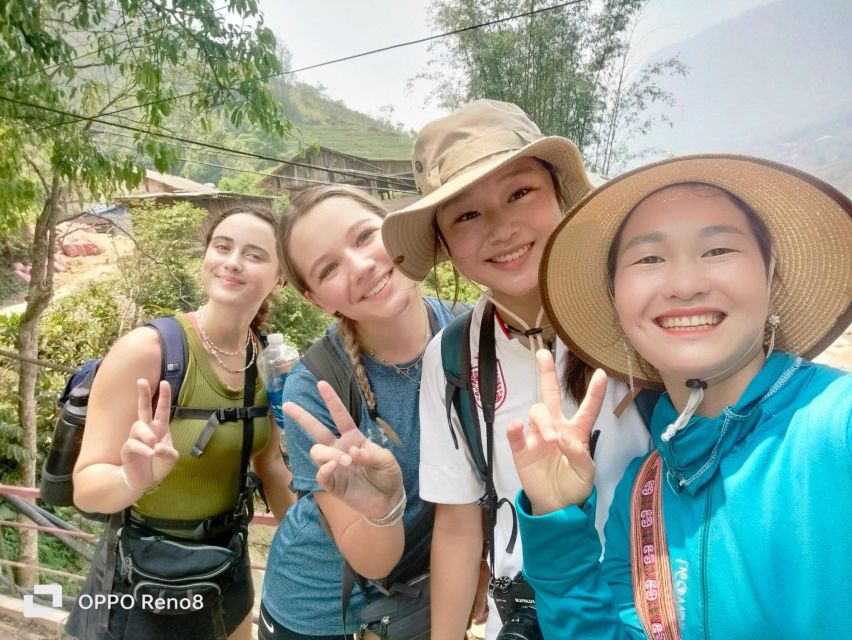
People have praised guides like Sue for explaining topics tied to daily life—rice harvesting work and traditional clothing dyeing methods made using natural processes. Others have highlighted Chia for being attentive and for guiding the group through tricky sections of the paddy terraces with confidence and care.
That matters because Muong Hoa Valley terrain can be slippery. If the ground is wet, you’ll want someone who knows where the safer footing is. Good guides also tend to handle pacing differences without rushing the slower walkers.
If you want your experience to feel meaningful, show up ready to talk kindly and ask questions that go beyond photos. Also, remember the tour rules: no littering, no pets, and no alcohol. Small respect choices make a big difference in places that are still living communities.
Sapa free time on day 2: use it well, don’t overpack it
After the trek and lunch, you’ll be picked up by van back to Sapa town. Then you get some free time to wander and explore the town.
This block is short, so I suggest having one goal: either browse the shops and markets, grab a coffee, or do one relaxed walk to stretch your legs after hiking. Don’t overplan. Your body might be tired, and you still need to be ready for the Hanoi transfer.
Price and value: what $169 covers (and what can add up)
At $169 per person, this tour is priced like a convenience package. What you’re paying for isn’t only transport to Sapa. It’s the whole “two-day plan” with several things included.
Included items:
- Return bus ticket between Hanoi and Sapa
- Fansipan cable car return ticket
- Hotel: a deluxe double/twin/triple room in a 3-star property for the overnight
- 1 breakfast and 1 lunch
- Sightseeing fees and permission for Muong Hoa Valley
- Transport from the village back to Sapa
- A Sa Pa local guide (English speaking)
- Hotel-to-cable-car and return transport
Not included (watch for these):
- Government tax (10%)
- Travel insurance
- Soft drinks
- Monorail and funicular tickets
- Possible surcharge for a French-speaking guide (15 USD per person at the meeting point)
- Lunar New Year surcharge (30 USD per person at the meeting point, during the stated dates)
So is it good value? For most people, yes—because you get the big-name peak (with cable car tickets) plus the guided valley day plus an overnight with meals. The biggest reason it feels worthwhile is the guide-led structure: you’re not trying to solve ethnic village logistics on your own.
Fitness, weather, and safety: what can change your day
This tour has real physical requirements. Fansipan requires good health, and the top is reached via a step climb after cable car. The valley trek can be light or hard, but it can still be muddy due to terrain.
Weather matters. The tour notes the Fansipan trek will be cancelled or delayed in bad weather conditions. That’s not something you can outsmart, so build flexibility into your overall travel plan.
Packing that actually helps
Bring:
- passport or ID card
- hiking shoes (real grip is key in muddy valley sections)
- sunscreen
- comfortable clothes
- insect repellent
- personal medication
If your shoes are more like city sneakers, you might regret it on slippery paddy terrain. Swap in footwear with traction, and you’ll feel safer on the uneven ground.
Tour fit: who will love this, and who should skip it
I think this is a great match if:
- you want Fansipan Peak without spending extra days planning
- you enjoy moderate trekking and walking through rice-field villages
- you like cultural exchanges with a guide who can explain what you’re seeing
- you prefer a small group (up to 10) over a massive bus-and-flow crowd
I’d skip it or choose something gentler if:
- you fear heights (acrophobia)
- you have heart problems, high blood pressure, or other health limits
- you need wheelchair access
- you know you can’t handle a day with cable car altitude plus a step climb
Also, be realistic about hotel expectations. One person called their hotel kind of rough (leaky WC, old/dingy feel). Another described their hotel more positively. So treat “3-star” as decent but not guaranteed to be spotless and modern.
Should you book this 2-Day Sapa, Fansipan, and Muong Hoa Tour?
If you want a fast, guided hit of northern Vietnam’s mountain life, I’d book it—especially if you’re comfortable with steps and outdoor walking. The value comes from the included cable car tickets, hotel, meals, and guide-led valley time with ethnic village stops.
Don’t book it if you’re worried about heights, have medical constraints listed by the tour, or you hate muddy walking days. And if weather is a big concern for your broader schedule, keep a little flexibility in mind since the trek can be delayed or canceled.
If you’re the type who likes organized travel but still wants authentic village moments, this one hits the right balance—mountain peak for the wow, Muong Hoa for the human scale.
FAQ
What time do you get picked up in Hanoi?
Pickup is around 6:30 am from Hanoi Old Quarter or your hotel.
How do you get from Hanoi to Sapa?
You ride a limousine bus from Hanoi to Sapa along the Hanoi–Lao Cai highway, with arrival around 12:30.
What’s included for Fansipan Peak?
You get a Fansipan cable car return ticket, transport to the cable car station and back, plus the on-site walking route that includes steps to the peak.
How long is the cable car ride, and how many steps are there?
The cable car ride takes about 25 minutes, and the route includes trekking up to 600 steps to reach the peak.
What villages do you visit on day 2?
On day 2, you visit Lao Chai village of the Hmong people and Ta Van village of the Dzay people.
Is lunch included, and where do you eat?
Yes. Lunch is included, and it’s at a local home in Ta Van.
Can I choose how hard the Muong Hoa trek is?
Yes. You can choose a light or hard trek depending on your fitness level.
What should I bring for the trek?
Bring hiking shoes, sunscreen, insect repellent, comfortable clothes, and your passport or ID card. Also bring any personal medication you may need.
Is the tour suitable for wheelchairs or acrophobia?
No. The tour states it’s not suitable for wheelchair users and not suitable for people with acrophobia. It also notes limits for heart problems and high blood pressure.
You Might Also Enjoy


More 2-Day Experiences in Hanoi
- Doris Cruise 5 star cruise 2 days visiting Halong Bay Lan Ha Bay private balcony
★ 5.0 · 2,338 reviews


More Tours in Hanoi
- Ninh Binh Full-Day Tour from Hanoi to Hoa Lu, Tam Coc & Mua Cave Via Boat & Bike
★ 5.0 · 4,384 reviews