REVIEW · HANOI MOTORBIKE TOURS
Chicks n Bikes: Customised Motorbike Riding Lesson in Hanoi
Book on GetYourGuide →Operated by Chicks n Bikes Hanoi · Bookable on GetYourGuide
Hanoi traffic is easier with the right lesson. This custom motorbike riding lesson with Chicks n Bikes Hanoi is designed to turn first-day nerves into real skills—balancing, braking, and controlled turns—on the streets where you’ll actually ride.
I love the step-by-step structure: you practice on a safe base first, then move to quieter roads, and finally get real-road riding guidance in Hanoi. I also like the way the instructors (including Thảo and Quang Thảo, based on past groups) give practical, in-the-moment feedback, plus tips for handling street chaos and planning rides like the Ha Giang loop.
One drawback to consider: it’s not suitable for pregnant women or people with back problems, and you’ll need to be physically comfortable in closed-toe shoes for a hands-on practice day. Also, the provider lists it as not suitable for people without experience, so if you’re truly starting from zero, confirm fit before you book.
In This Review
- Key Points to Know Before You Go
- Hanoi Motorbike Lesson: What You Really Learn Before the Road
- Starting Easy: Controls, Road Rules, and the First Moments on a Bike
- Parking-Lot Skills That Actually Transfer to Hanoi Streets
- Real-Road Riding in Hanoi: Turns, Braking, and Traffic Navigation
- Hill Training for Ha Giang Loop Dreams: Uphill and Downhill Technique
- Instructor Coaching in Practice: Thảo and Quang Thảo Style of Teaching
- Safety Gear and Realism: Helmet, Pads, Poncho, and Smart Setup
- Price and Value at $45: What You’re Really Paying For
- What to Bring (and What to Avoid) Before You Ride
- Who This Lesson Fits Best in Hanoi (and Who Should Skip)
- Should You Book Chicks n Bikes in Hanoi?
- FAQ
- FAQ
- Where is Chicks n Bikes based?
- How much does the motorbike riding lesson cost?
- What languages are the lessons taught in?
- What’s included in the lesson?
- Is motorbike rental included?
- Do I need insurance for the lesson?
- Do I need a driver’s license?
- What should I bring to the lesson day?
- What are the rules during the lesson?
- Who should not book this lesson?
Key Points to Know Before You Go
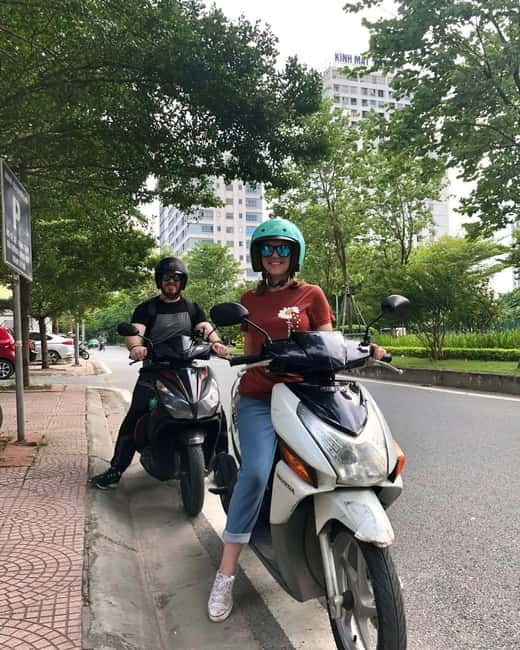
- Safe progression from basics to Hanoi street riding, not just a quick demo
- Real-road traffic navigation training so you learn how to ride in Vietnamese traffic
- Hill training for uphill and downhill technique, especially helpful if you’re aiming at Ha Giang
- Safety gear included, including a helmet and riding pads (and a poncho)
- English and Vietnamese instruction, with instructors known for friendly, clear coaching
Hanoi Motorbike Lesson: What You Really Learn Before the Road
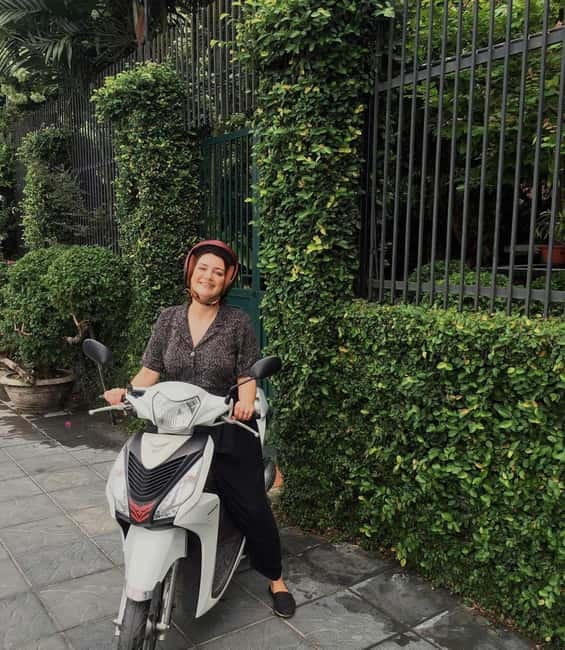
Motorbikes are the default in northern Vietnam. That’s why a Hanoi riding lesson isn’t just a fun activity—it’s a risk-reducer. You’re not only learning controls. You’re learning how to make calm decisions when everything around you is moving.
This lesson focuses on the basics you’ll use immediately: balancing, steering, and braking. Then it builds into the stuff that matters in real traffic—starting, stopping, and turning safely on roads that don’t behave like a driving test.
If you’re planning a longer trip (especially the Ha Giang loop), the lesson adds hill technique: uphill and downhill skills are a big deal there. And you’ll also get practical advice for riding with friends, so your group doesn’t turn into a bouncing, confused pack of bikes.
You can also read our reviews of more tours and experiences in Hanoi



Starting Easy: Controls, Road Rules, and the First Moments on a Bike
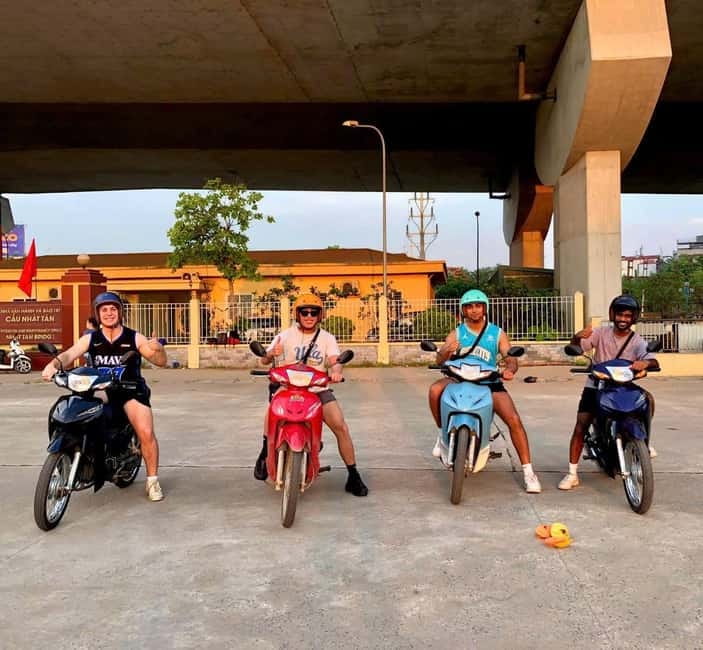
The day typically begins with a short but essential briefing. You get a quick intro to motorbike basics, plus road rules and how riding works on the ground in Vietnam. Even if you’ve watched videos for weeks, the first minutes are where people either get set up correctly—or start rehearsing bad habits.
Then you move into hands-on training that’s built for skill building. You’ll work on balancing and steering until your body starts reacting without overthinking. You’ll also practice braking in a controlled way, which helps you learn the feel of the bike rather than guessing.
This is the part I really like for value. Instead of rushing to traffic, you’re earning comfort first. That matters because Hanoi traffic doesn’t care how enthusiastic you feel—you need control.
Parking-Lot Skills That Actually Transfer to Hanoi Streets
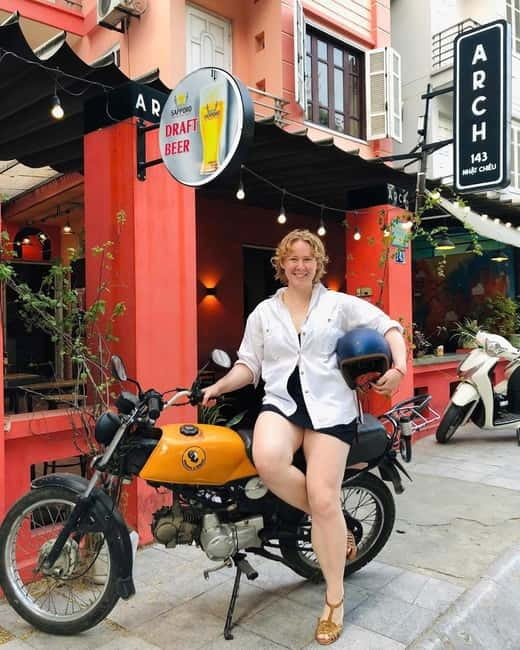
The core skills here aren’t flashy, but they’re what you need for smooth riding. You practice getting the bike moving safely, stopping without panic, and turning with better control.
In the early stages, you’ll usually start on a parking area or similar low-pressure environment. That gives you time to understand what the bike feels like under your hands and feet. From there, you shift to a quiet road for more practice before you head out into busier streets.
That progression is one reason this lesson gets such strong marks. The goal isn’t just to ride once. It’s to walk away with repeatable mechanics: how you manage speed, how you set up turns, and how you react when the road gets busy.
Real-Road Riding in Hanoi: Turns, Braking, and Traffic Navigation
Once you’re ready, you get traffic navigation training. This is where the lesson becomes more than a driving lesson and turns into street survival.
Hanoi’s flow is its own system. You’re not aiming for empty lanes and perfect spacing. You’re learning to move with traffic, make smooth decisions, and ride defensively without becoming rigid.
You’ll practice turning safely as you transition from calm areas to real streets. You’ll also keep working on braking and speed control so you don’t rely on last-second panic. The instruction is designed to help you build confidence, not just complete a route.
If you’ve ever felt overwhelmed by the idea of joining traffic, this is the practical antidote. You learn what to focus on—body position, control inputs, and scanning—so you can stay calm even when other bikes do their own thing.
Hill Training for Ha Giang Loop Dreams: Uphill and Downhill Technique
Ha Giang has a reputation for dramatic scenery. It also has a reputation for slopes that can unnerve a rider. This lesson addresses that with hill training, including uphill and downhill technique.
Uphill skills matter because you can’t treat a hill like flat ground. You need smoother throttle control, steadier balancing, and a plan for what you’ll do if traffic stacks up behind you. Downhill skills matter because speed can run away from you fast if you don’t manage control inputs early.
The lesson is aimed at helping you avoid the most common beginner hill problems: stalling, jerky control, and over-braking too late. If your bigger goal is the Ha Giang loop, these uphill and downhill basics are exactly what makes the difference between feeling nervous at the start and feeling capable once the road climbs.






Instructor Coaching in Practice: Thảo and Quang Thảo Style of Teaching
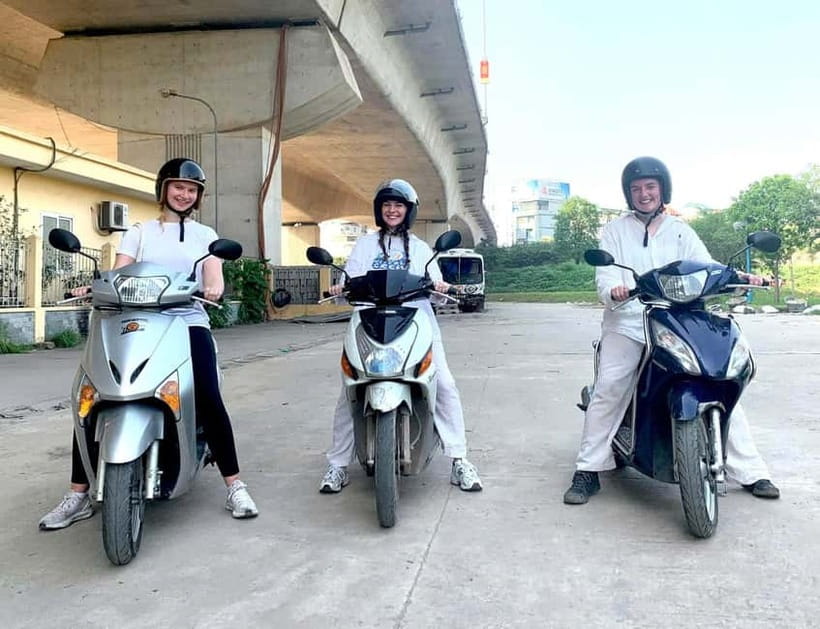
A lot of motorbike lessons are basically, Good luck. This one is more hands-on than that.
In past groups, instructors like Thảo and host Quang Thảo have been described as passionate and friendly, with English that’s easy to follow. That matters more than it sounds. When you’re trying to control a bike while traffic moves, you need clear coaching you can understand instantly.
You also get group riding tips, which help you read your own role in a group situation. Riding with friends is fun, but it becomes stressful fast if one person is overwhelmed and everyone else is stuck waiting. This lesson gives you advice so your group can move in a safer, more predictable rhythm.
Safety Gear and Realism: Helmet, Pads, Poncho, and Smart Setup
Safety gear is included. You’ll get a helmet, riding pads, and a poncho (and you’ll follow the instructor’s setup). It’s not just a checkbox. When you’re learning, falls and bumps are part of the learning curve, and gear reduces the damage.
You’ll also get lesson briefing and real road riding experience. That means the training isn’t a lecture. It’s structured practice with guidance so you don’t guess your way through.
One practical tip for you: dress like you’re going to work. Comfortable clothes and closed-toe shoes matter. You’ll want grip and protection, especially when you’re learning start/stop/turn mechanics that require steady foot placement.
Price and Value at $45: What You’re Really Paying For
At around $45 per person, this is one of those deals that only makes sense when you compare it to the cost of getting it wrong. A lesson like this isn’t paying for scenery. It’s paying for time with instruction, safety gear, and real-road practice.
You’re getting:
- personalized motorbike riding lessons
- a full briefing and skills training
- real road riding and traffic navigation
- hill training
- group riding tips
- safety equipment
It’s also important that a motorbike rental is not included. That’s not a scam; it’s clarity. You’ll still need to handle the bike situation separately, later on.
Personal insurance is also not included. That means you should think about your own coverage before you ride independently afterward. This lesson can teach you skills, but it can’t replace your safety planning.
What to Bring (and What to Avoid) Before You Ride
For this kind of lesson in Hanoi, the prep checklist is simple and practical.
Bring:
- sunscreen
- water
- comfortable clothes
- closed-toe shoes
You’ll want to stay hydrated. Hanoi can be hot, and your body is working even when you think you’re just holding the handlebars.
Know what not to do:
- no smoking
- no alcohol and drugs
Avoid alcohol or drugs before the lesson. That’s not moralizing; it’s basic safety. You need fast reactions and steady coordination.
Also check licensing. Bring your driver’s license and an international driver’s license if applicable. The lesson is about riding skill, but proper documentation still matters.
Finally, the provider notes you should be in good physical condition for participation. If you have limitations that affect your ability to balance, press foot controls, or move comfortably, this is something to discuss before booking.
Who This Lesson Fits Best in Hanoi (and Who Should Skip)
This is best for people who want to ride in Vietnam with less guesswork. It’s especially useful if you’re planning to tackle the Ha Giang loop later, because you’ll practice uphill and downhill basics and get road-confidence coaching.
It’s also a great fit if you’re already some-okay on a bike and want to refine. The lesson covers starting, stopping, and turning safely, plus traffic navigation training. That gives you structure for improving—not just more seat time.
A few groups should take extra caution:
- The provider says it’s not suitable for pregnant women.
- It’s not suitable for people with back problems.
- It also lists not suitable for people without experience, even though the overview mentions learning basics for beginners. If you’re truly brand new, confirm the fit before you pay.
If you don’t meet the physical or experience requirements, you might waste money and risk stress. In that case, consider a slower path first—start with guidance you can actually use.
Should You Book Chicks n Bikes in Hanoi?
If you want to ride Vietnam with more control and less fear, I think this booking makes sense. The big reason is the combination of personalized coaching, safety gear, and real-road traffic navigation, plus hill training that connects directly to Ha Giang planning.
Skip the booking only if your situation doesn’t match the stated requirements—pregnancy, back issues, or if you’re truly starting with no experience and aren’t sure the lesson can scale to you. In those cases, ask questions before committing.
If your goal is confidence on Vietnamese streets, this is one of the more practical ways to get there in a short time.
FAQ
FAQ
Where is Chicks n Bikes based?
It’s in Hanoi, Vietnam, with training that focuses on northern Vietnam riding conditions and Hanoi street practice.
How much does the motorbike riding lesson cost?
The price is listed as $45 per person.
What languages are the lessons taught in?
The lessons are available in English and Vietnamese.
What’s included in the lesson?
Included items are personalized motorbike riding lessons, safety equipment (helmet, riding pads, poncho, etc.), a lesson briefing, real road riding experience, traffic navigation training, hill training, and group riding tips.
Is motorbike rental included?
No. Motorbike rental is not included.
Do I need insurance for the lesson?
Personal insurance is not included.
Do I need a driver’s license?
You should bring your driver’s license and your international driver’s license if applicable.
What should I bring to the lesson day?
Bring sunscreen, water, comfortable clothes, and closed-toe shoes.
What are the rules during the lesson?
Smoking is not allowed, and alcohol and drugs are not allowed.
Who should not book this lesson?
The provider lists it as not suitable for pregnant women, people with back problems, and people without experience.