REVIEW · 3-DAY EXPERIENCES
Adventure Tour to Ban Gioc Waterfall – Ba Be Lake 3 days 2 nights
Book on Viator →Operated by Mr Linh's Adventures · Bookable on Viator
Ban Gioc makes the whole trip worth it. This 3-day, 2-night adventure tour swaps Hanoi for Ba Be National Park and the Vietnam–China border, with free hotel pickup and a small group capped at 18. The pace is built for first-timers, but it still feels like real northern Vietnam, not a checklist tour.
I love the way the itinerary centers on homestays and hands-on nature stops. You get a bamboo raft outing at Ban Gioc–Detian Falls, plus a cave walk at Nguom Ngao, and then you finish with boat time and a rainforest hike around Ba Be Lake.
The big thing to consider is road time. You’ll spend long hours in the van, and if the weather turns chilly or foggy, you may lose some comfort and visibility—plan for that weather reality.
In This Review
- Key Things You’ll Notice on This Ban Gioc and Ba Be Tour
- From Hanoi to the Border: What Makes This Route Special
- Day 1 in Lang Son and Cao Bang: War-Era Stops and a Real Homestay Night
- Day 2 to Ban Gioc and Ba Be: Raft Time, Cave Walking, and the Snake Pass
- Day 3 on Ba Be Lake: Boat Crossing, Rainforest Hiking, and An Ma Temple
- Homestays: The Comfort Trade-Off (and Why It’s Still Worth It)
- Ban Gioc and Nguom Ngao: Two Kinds of Nature Wow in One Day
- Logistics and Comfort: The Long Van Day Truth
- Value for Money at $249: What You’re Actually Getting
- Who Should Book This Tour (and Who Should Rethink)
- Should You Book This 3-Day Ban Gioc and Ba Be Adventure?
- FAQ
- What are the tour dates and departure days?
- What time and where do I meet the group in Hanoi?
- Is hotel pickup and drop-off included?
- What does the price of $249 include?
- Do I need a passport?
- How many people are on the tour?
Key Things You’ll Notice on This Ban Gioc and Ba Be Tour
- Small-group travel (max 18) keeps the experience more personal, especially on boat and hiking parts.
- Homestay nights with Tay and Nung families are the cultural heart of the trip, not an afterthought.
- Ban Gioc bamboo raft + cave time gives you more than one type of wow.
- Border-area sightseeing and permits means you’re not just driving past places—you’re actually allowed in.
- A lot of scenery from the road: mountain roads, viewpoints, and countryside stops break up the distance.
- A tight 3 days means fewer “slow hours” and more structured moments.
From Hanoi to the Border: What Makes This Route Special
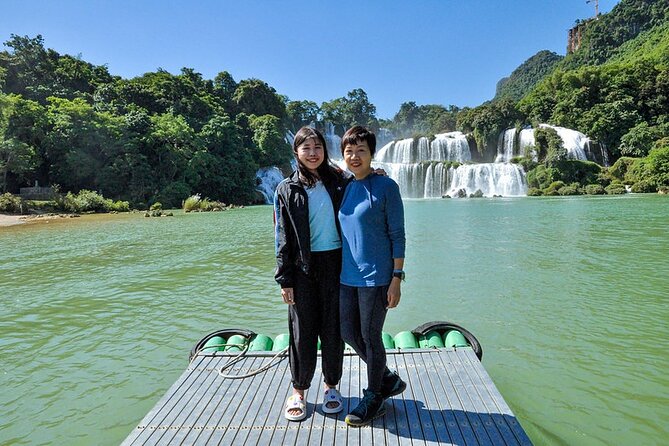
This tour is one of those “far north Vietnam, in a few days” trips. You start in Hanoi, then head into Lang Son and onward through Cao Bang, where the scenery changes fast—less traffic, more countryside, and a feel closer to the edge of the country.
The best part is that it’s not just about big landmarks. You also get historical and everyday stops along the way, then you land in nature: caves, river rides, rainforest hiking, and a lake that feels calmer than the roads that brought you there.
And you’re not doing it alone. With an English-speaking guide and transport handled end-to-end, you’re free to focus on the experience—whether that means asking questions, figuring out the route details, or just not worrying about logistics.
You can also read our reviews of more tours and experiences in Hanoi


Day 1 in Lang Son and Cao Bang: War-Era Stops and a Real Homestay Night
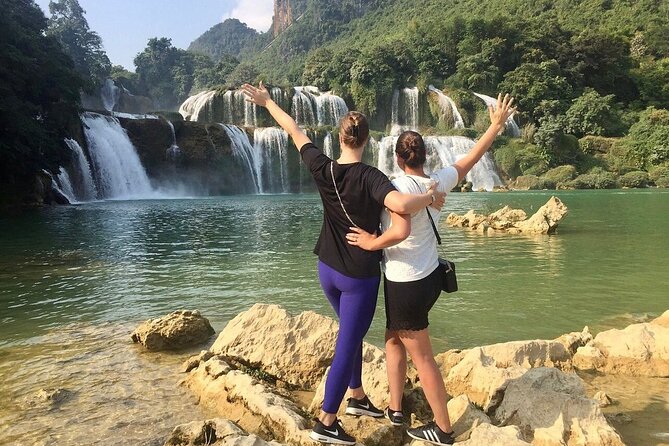
Day 1 begins with a hotel pickup in the Hanoi Old Quarter area around 7:30–8:00 am. From there, you head to Lang Son, with a stop scheduled for about 3 hours. After that, you continue to Quang Uyen and the area of Đông Khê, tied to the Battle of Đông Khê in 1950 during the First Indochina War.
This isn’t presented as a long museum day. It’s more like a chance to understand why this part of Vietnam matters, before you swap history rooms for countryside roads. If you like context, the guide’s stories and explanations can make the driving feel purposeful, not just transit.
Lunch is included along the way at local places in the Đồng Đăng area. The meal stops are part of why this tour works as an organized package: you get food arranged without you hunting down options at each stop. Do note, though, that not every included stop is perfect for everyone—some visitors have flagged hygiene at one lunch stop—so if you’re sensitive, use your own common-sense hygiene habits and carry wipes.
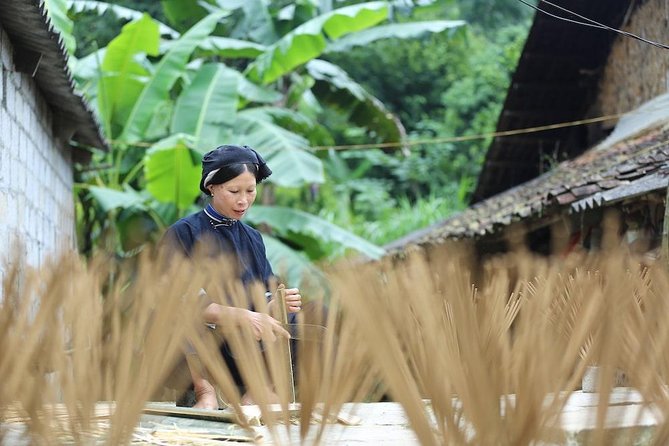
By the end of the day, you sleep in a Nung homestay in Cao Bang. This is where the trip shifts from sightseeing to staying with locals. In practice, the homestay experience can be rustic—good for the authenticity, but not the same comfort level as a city hotel.
One helpful detail from past guests: luggage may not always travel exactly the same way you do. You might walk a short distance through rice fields first, then receive your bags via motorbike. Bedrooms can be on an upper level, and bathrooms can be shared, so it’s smart to travel with comfortable clothes and basic toiletries that make you feel at home.
Day 2 to Ban Gioc and Ba Be: Raft Time, Cave Walking, and the Snake Pass
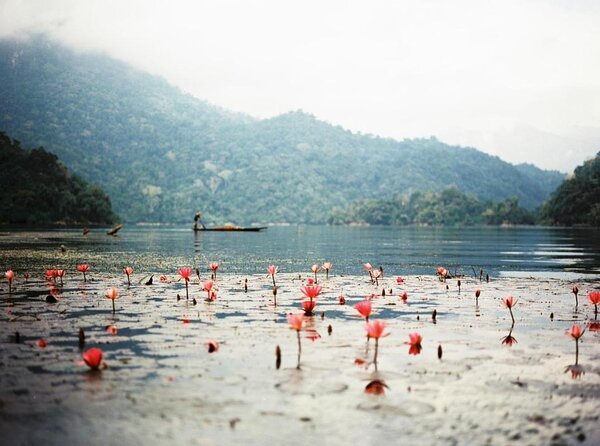
Day 2 is the big one for nature drama. After breakfast at the homestay, you head toward Trung Khanh, a border area near China. This part matters because you’re not only viewing the falls—you’re also getting closer to the local Nung communities in that region, with time to interact during the journey.
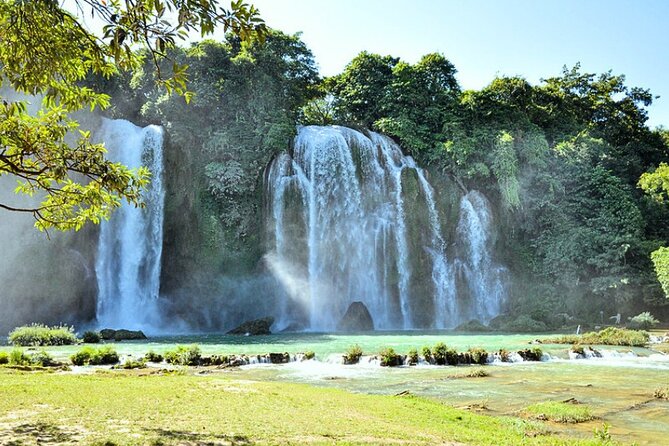
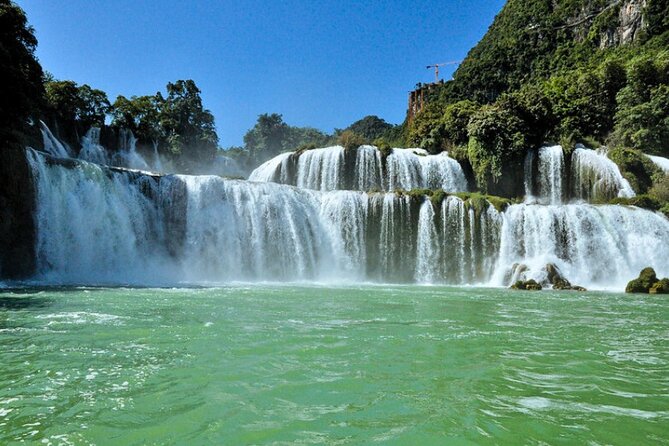
Then the day bends toward Ban Gioc–Detian Falls. This is where the tour earns its reputation. A scheduled bamboo raft tour brings you near the waterfall area, and the setting feels dramatic because it’s shared by the river boundary between Vietnam and China. On the raft, you’re in the action zone rather than standing far away with only photos as proof.
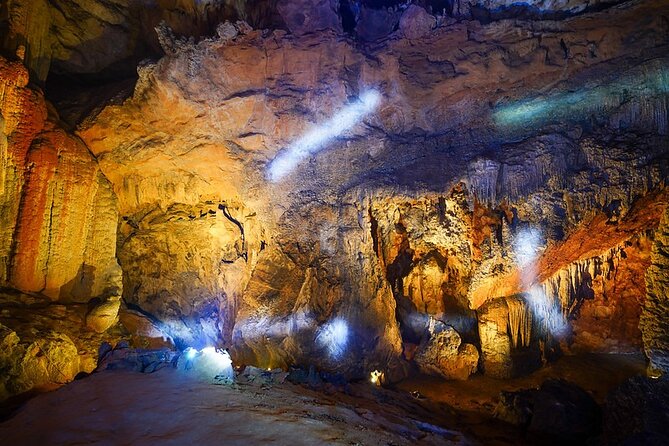
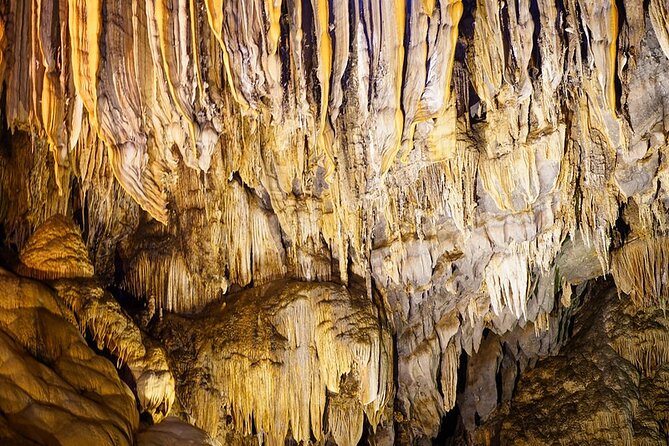
You also get Nguom Ngao Cave via a walking tour. This is a different kind of wow than the falls. Instead of wind and spray, you’re dealing with steps, cave paths, and a slower pace. If you like variety—water today, underground tomorrow—this combo works.
After the border-day highlights, you drive into Ba Be, which is the other half of the story. You’ll return to Cao Bang town and then descend the “snake pass” road down to Ba Be Lake. The nickname is fitting; you’re in winding mountain roads again, but it’s the kind of drive that changes your mood as you drop lower toward the lake.
That night you sleep in a Tay homestay near Ba Be National Park, in the Tay village of Bo Lu. This is a second homestay style, and it’s not redundant. One night shows you Nung life and the other gives you Tay village life, so you experience two cultures without needing two separate trips.
Dinner and breakfast are included, served at set times. If you prefer flexible meal schedules, you’ll need to shift your expectations. But if you like being fed and not thinking, it’s a nice deal.
Day 3 on Ba Be Lake: Boat Crossing, Rainforest Hiking, and An Ma Temple
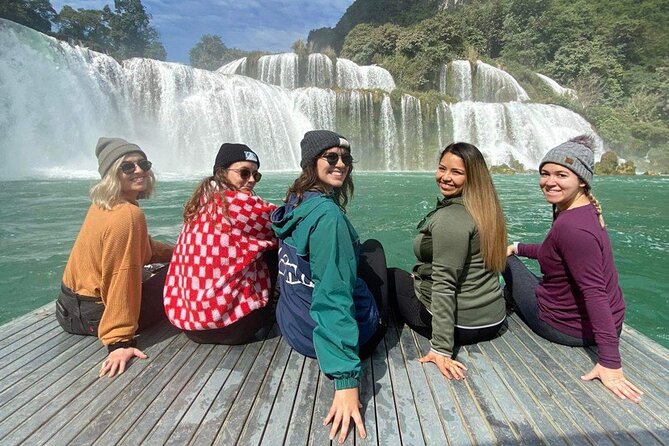
Day 3 starts calmly compared to Day 2, but it still has movement. After breakfast, you board a boat to cross Ba Be Lake to the north shore. From there, you begin a hike in the rainforest area of the central part of Ba Be National Park.
The route is timed to help you reach a meaningful stop: the An Ma temple. This temple is sacred for the Tay people, tied to the snake god and a military general of the Mac dynasty. It’s a good moment for the tour’s “more than scenery” side to show up. You’re walking through the natural setting, then meeting a spiritual landmark that explains how people see the place.
Boat time also stays flexible. The tour includes time on the water, and you’ll have options for how to spend that boat segment depending on how the day’s flow is planned. Past guests have appreciated that the boat moments give you a breather between the hiking and the final return drive.
Lunch is included back at Ba Be Jungle Houses. Then you start the long ride back to Hanoi, about 230 km, with a stop at a tea plantation among rolling hills. If you want a last visual “soft landing” from the mountains into the city routine, that tea stop works well.
Homestays: The Comfort Trade-Off (and Why It’s Still Worth It)
Let’s be real: you’re paying for more than a bed. You’re paying for access to people, meals, and daily life in rural northern Vietnam. That value hits hardest when you’re not just photographing the place from outside.
In the Cao Bang homestay, conditions can be simple. One past guest described shared bathroom facilities and a shower setup where the shower head sits next to the sink, which means more of the bathroom gets wet than you might expect. The takeaway for you is simple: pack like you’re in the countryside. Bring a small towel, expect less privacy than a hotel, and don’t plan on a spa-level shower routine.
Comfort in Ba Be is often better than day-one rustic stays, but it still isn’t a resort. Beds can be comfortable, and rooms may have air conditioning in some stays, but you should still dress for cool mornings in the north, especially if you’re traveling outside the warmest months.
The cultural side is the best part. Even when meals are basic, the routine matters. You sit down when the family serves, and you eat what’s on the table. That’s how you learn the rhythm of the place without making it into a performance.


Ban Gioc and Nguom Ngao: Two Kinds of Nature Wow in One Day
If you’re choosing between “water fun” and “sightseeing,” this day covers both. The Ban Gioc–Detian Falls bamboo raft ride is the showstopper. You get close enough to feel the power of the falls, and the border setting adds a sense of scale.
Then the day switches to cave walking at Nguom Ngao. Caves slow you down. You’re moving through a different environment, dealing with paths and steps, and seeing how the region’s geology shapes the experience. It’s a strong pairing because it keeps the day from turning into one long standing-in-one-place activity.
One practical note: this region can be affected by weather. If clouds roll in or visibility drops, your experience may feel less crisp. You can still enjoy it, but you should expect that nature doesn’t always cooperate with the schedule. If you’re the kind of person who really needs clear views, keep that in mind when you pick your travel dates.
Logistics and Comfort: The Long Van Day Truth
This tour is honest about distance. You should expect a lot of time in a vehicle over 3 days. Some past guests have described the total drive distance as close to 900–1000 km. That means you’re not signing up for a slow-moving countryside walk every hour.
The good news is that stops and breaks are built in. Bathroom stops happen along the way, and you get short segments where you can stretch, take photos, and reset. The route also includes viewpoint-worthy roadside moments and short walks that prevent the trip from feeling like one continuous highway ride.
Driving style is another thing to be aware of. Vietnam’s road behavior can feel different, and on mountain roads it can be intense. Most people handle it fine with the right mindset: you’re trusting the driver and focusing on staying comfortable. Past guests have praised drivers for safety, but you should still prepare mentally for the style of passing and lane use.
Value for Money at $249: What You’re Actually Getting
At $249 per person, this is not just “transport and two meals.” What you get is a package of the expensive parts that add up fast when you do it yourself:
- Round-trip transport with professional vehicles and commercial insurance
- An experienced English-speaking guide
- Homestay lodging (Nung on the first night, Tay on the second)
- All meals listed as breakfast, lunch, and dinner
- Sightseeing tickets and frontier permits
- Bamboo raft tour at Ban Gioc and the Nguom Ngao cave walking tour
- Hiking in Ba Be National Park
This is the kind of value that works best if you hate border-permit headaches, don’t want to coordinate multiple drivers, and prefer to spend your energy on the actual places. Also, the tour caps at 18 travelers, which matters. It reduces the “herding cats” feeling and usually keeps boat/hike moments from turning chaotic.
If you’re a true budget DIY traveler, you might find a cheaper version by booking segments separately. But you’ll be taking on more stress—and likely losing access to the smooth, permission-based routing that lets you do border-area stops.
Who Should Book This Tour (and Who Should Rethink)
This tour fits you well if:
- You want a real northern Vietnam sample in one shot, including Ban Gioc and Ba Be Lake
- You’re comfortable with homestays and shared or simpler facilities
- You like guides who explain history and place meaning, not just point-and-shoot
- You don’t mind long drives in exchange for far-reaching scenery
You might rethink it if:
- You strongly dislike car time and want more slow walking days
- You travel with mobility concerns, since there are hikes and cave walking
- You’re highly weather-dependent for your ideal photos and views
Also, if cold weather surprises you, it can change comfort quickly. One past guest traveled when it was unusually cold and foggy, and the homestay comfort didn’t match their expectations. If you’re going in cooler months, pack warm layers even if the day itinerary looks “sunny on paper.”
Should You Book This 3-Day Ban Gioc and Ba Be Adventure?
I think this is a great booking when your priority is the mix of border nature + lake calm + homestay life. Ban Gioc delivers the big energy day. Ba Be finishes with calmer rainforest hiking and temple context. And the homestays are the reason it doesn’t feel generic.
Book it if you can handle long road hours and you want everything arranged for you. Skip it (or plan a longer trip) if you want a mostly relaxed schedule or if you know you’ll be unhappy with basic rural comfort.
If your travel style is flexible and you like experiences with some edge to them, this tour is a strong way to see a quieter, wilder side of Vietnam from Hanoi.
FAQ
What are the tour dates and departure days?
The tour has set departures on Tuesdays and Fridays.
What time and where do I meet the group in Hanoi?
You meet at 7 Đinh Tiên Hoàng, Hàng Trống, Hoàn Kiếm, Hà Nội, with a start time around 7:30 am.
Is hotel pickup and drop-off included?
Yes. The tour includes free hotel pickup and drop-off.
What does the price of $249 include?
It includes professional transport, an English-speaking guide, homestay accommodation, bottled water, tickets and frontier travel permits, hiking and boat/raft activities, and meals (2 breakfasts, 3 lunches, 2 dinners).
Do I need a passport?
Yes. A current valid passport is required on the day of travel.
How many people are on the tour?
The tour has a maximum of 18 travelers.
You Might Also Enjoy

More 3-Day Experiences in Hanoi


More Tours in Hanoi
- Ninh Binh Full-Day Tour from Hanoi to Hoa Lu, Tam Coc & Mua Cave Via Boat & Bike
★ 5.0 · 4,384 reviews