REVIEW · FISHING
Ninh Binh: Rice planting and fishing by basket tour
Book on GetYourGuide →Operated by Pu Luong Altitude joint stock company · Bookable on GetYourGuide
Buffalo Cave is where this farm day starts, and it moves fast in the best way. You’ll get a close-up look at everyday rice farming and then try basket fishing using the nom tool, all with an English-speaking guide. I also like how the guide ties the tasks to the full rice cycle, not just one activity. One thing to plan for: you’re in the fields and near water, so expect mud, wet clothes, and simple logistics that favor comfy shoes.
This is priced like an activity, but it feels like a real culture lesson. I find the most valuable part is how the guide explains each step before you start, so you’re not just copying motions. The small group size (up to 8) also helps because you’ll actually get time with the tools and questions, not just stand around.
In This Review
- Key highlights to know before you go
- Rice, fish, and buffalo: what this 90-minute mix really teaches
- Getting to Buffalo Cave and fitting into a small group of 8
- 09:00–09:30 Buffalo time: feeding, bathing, and the farm rhythm
- Catch fish the traditional way with the nom basket tool
- 10:00–10:30 Planting Vietnamese rice: learning the cycle from start to finish
- 10:30–11:00 Waterfall bathing and the Buffalo Cave visit to close the loop
- Afternoon option: same experience, different timing
- What to wear, what to bring, and how to stay comfortable
- Small group energy: how the guide makes the difference
- Price and value: why $25 makes sense for hands-on work
- Who should book this tour, and who might skip it
- Should you book this tour or choose something else?
- FAQ
- How long is the tour?
- Where do I meet the group?
- What is the fishing tool called?
- What’s included in the price?
- What should I bring?
- What are the tour times?
- Is it okay to cancel last minute?
Key highlights to know before you go
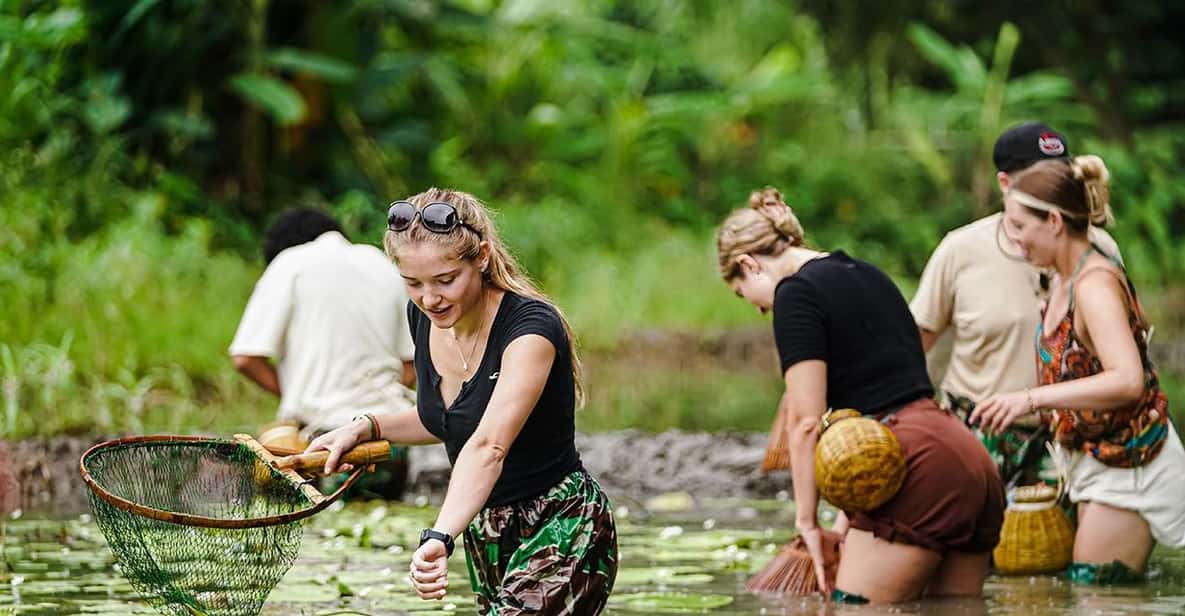
- Nom basket fishing you can actually practice, not watch from the edge
- Traditional rice planting with an explanation of the full cultivation cycle
- Hands-on time in farmland chores, guided end to end
- Up-close buffalo moments, including feeding and bathing
- Waterfall bathing plus a visit to Buffalo Cave to close the loop
Rice, fish, and buffalo: what this 90-minute mix really teaches
This tour in Northern Vietnam is built around one simple idea: farming is a sequence, not a single task. You’ll start with buffalo time, then move to fishing, then rice planting, and wrap up with a cooling stop near a waterfall and a visit to Buffalo Cave. The pace is quick enough to feel like a “day sampler,” but structured enough that you understand how the work fits together.
I like that you’re not stuck on one theme. If you enjoy hands-on experiences, you’ll get plenty: learning, dressing in traditional farm clothes, holding tools, and doing the basic steps alongside locals. It’s also the kind of tour where your questions make sense because you’re seeing the why and the how in the same morning or afternoon window.
You can also read our reviews of more tours and experiences in Ninh Binh.


Getting to Buffalo Cave and fitting into a small group of 8
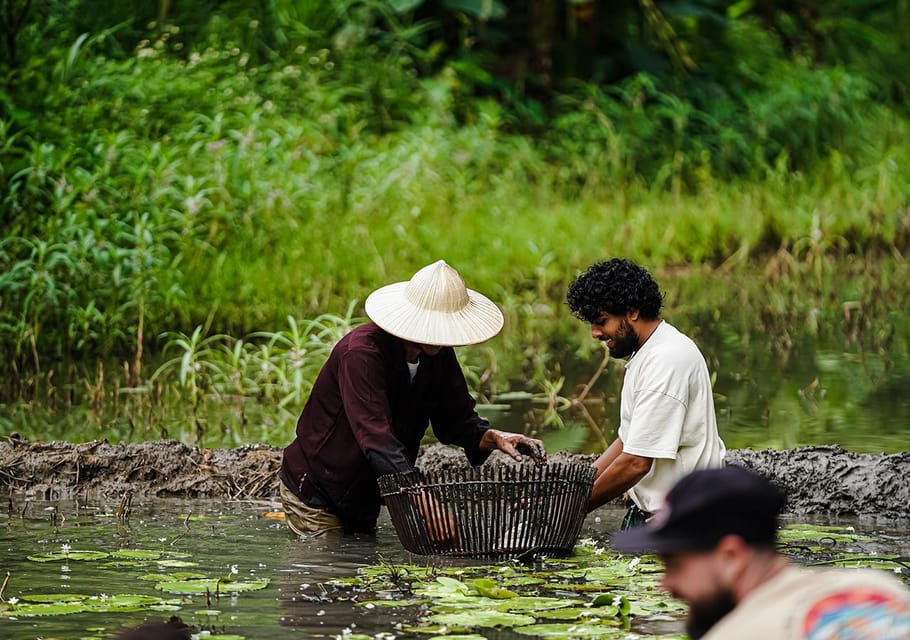
Your meeting point is Buffalo Cave, about 2 km from Tam Coc wharf. It’s on the route from Tam Coc to Bich Dong pagoda, and the signboard is next to Thung Nang parking lot. From there, you can ride a bike, take a taxi, or walk, depending on what you’re already doing in Tam Coc.
Why this matters: starting at Buffalo Cave keeps you from spending half your time in transit. With a small group limited to 8 participants, the guide can move you through the stops without rushing everyone at once. You’ll also have more room to ask questions in English, since this is an English-speaking guide experience.
09:00–09:30 Buffalo time: feeding, bathing, and the farm rhythm
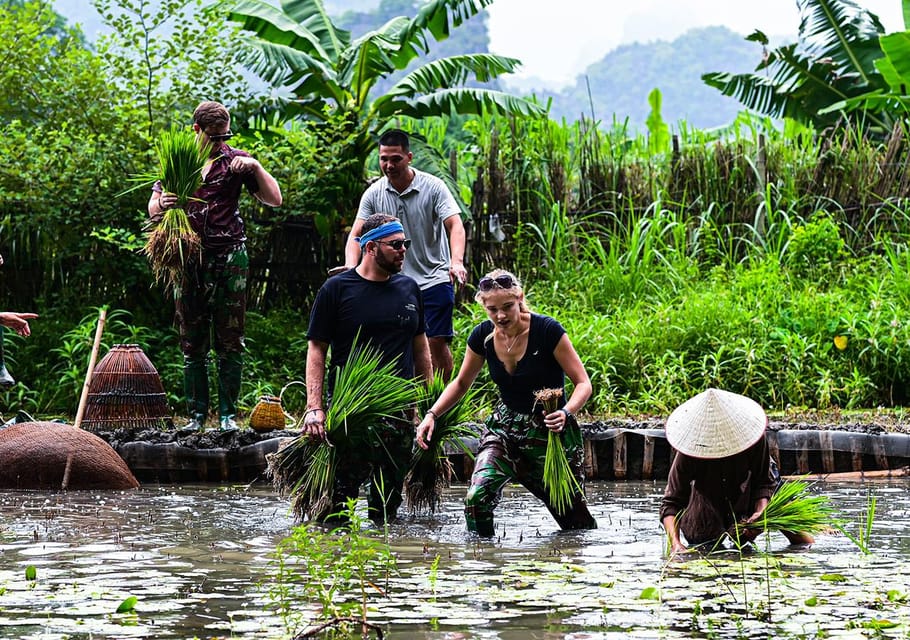
The morning schedule typically has you ready at Buffalo Cave around 08h30, with the main action starting closer to 09h00. The first block is buffalo-focused: feeding buffalo, showering for buffalo, and then riding buffalo.
This part is more than a photo opportunity. Buffalo are part of daily farm operations here, so it gives you context for what you’ll later see in the fields. You get to understand the farm rhythm from the ground up, literally starting with the animals that support the work.
Practical note: buffalo time can mean splashes and dirt, even if you’re careful. Wear clothes you’re comfortable getting wet, and plan for a quick change later if you brought one.
Catch fish the traditional way with the nom basket tool
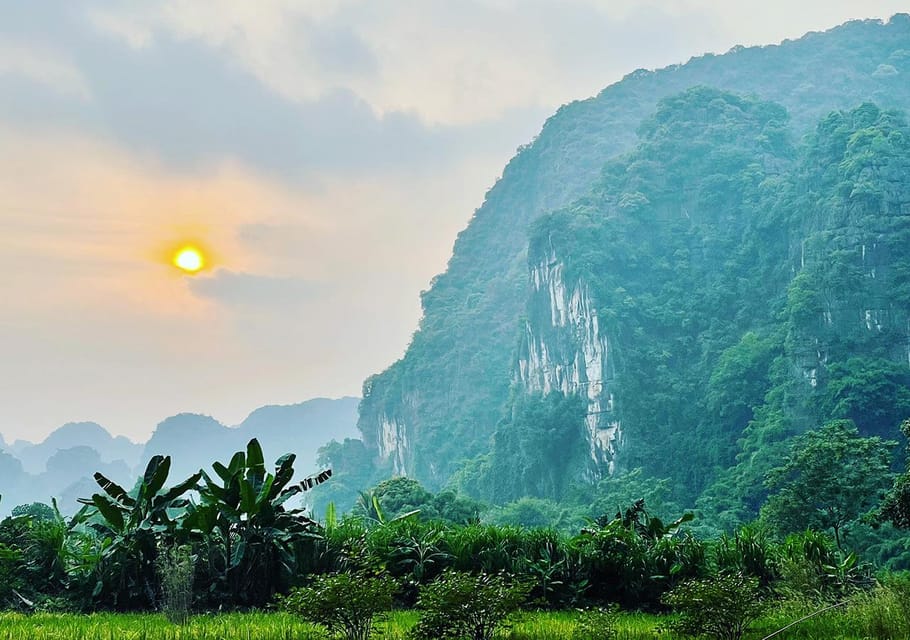
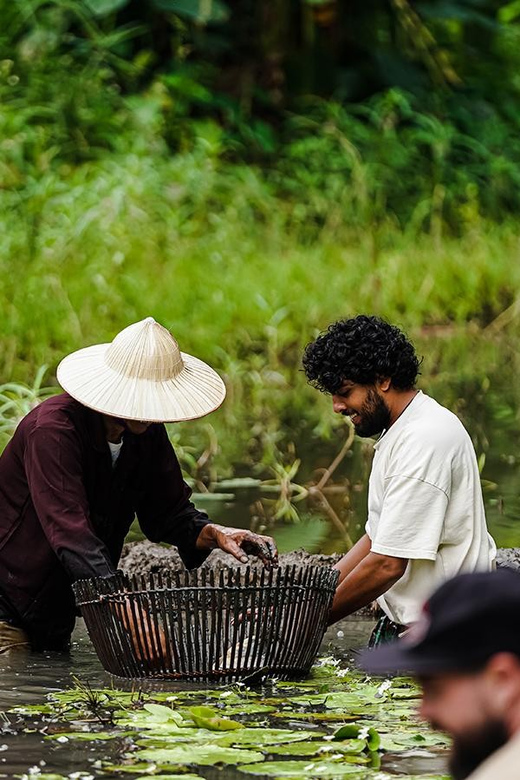
Right after the buffalo segment, the tour shifts to pond life and fishing practice from about 09h30 to 10h00. This is where you catch fish with local people and practice using the unique tool name nom.
The value here is in doing it yourself. Watching fishing is one thing; trying the method is another. The guide helps you with the tool and technique so you’re not just flailing at the water, and you’ll quickly learn why this kind of fishing matches the pond environment and local skills.
If you like activities that feel hands-on and a little messy, this is usually the highlight. One recent highlight people singled out was the fun of trying the nom fishing method, with a guide who made the step-by-step learning easy to follow.
10:00–10:30 Planting Vietnamese rice: learning the cycle from start to finish
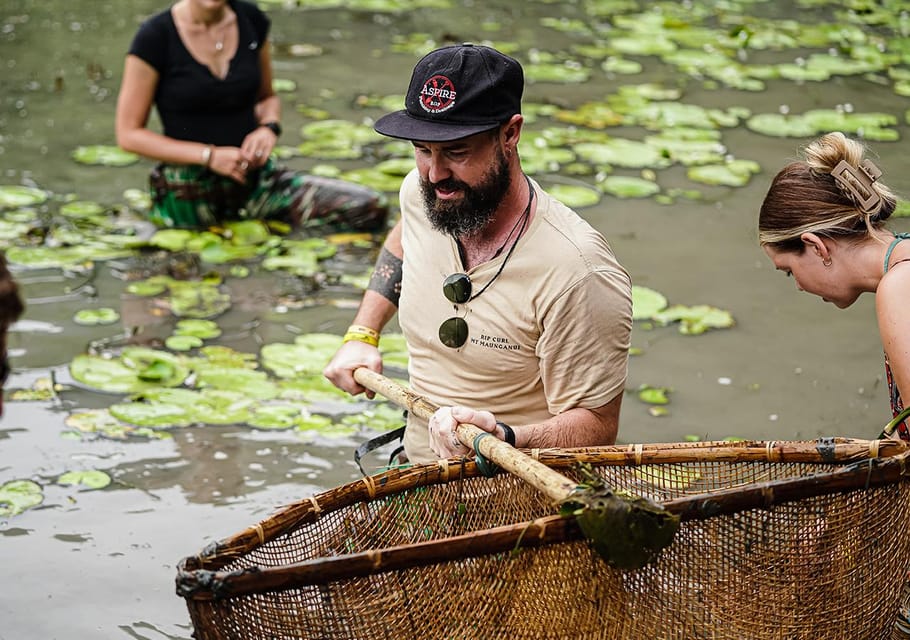
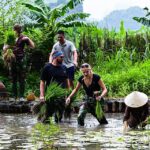
From about 10h00 to 10h30, you’ll plant Vietnamese rice with local people. Before you step into the field, the English-speaking guide explains the steps of rice cultivation and the cycle from start to finish. Then you put on traditional farming clothes and head into the fields to do the work.
This is the part I’d call “education with dirt on it.” Instead of memorizing terms, you see the sequence and why timing matters. You also get a realistic sense of how farming is labor-intensive and seasonal, not just a one-time planting event.
What to expect in the field: you’ll follow the guide’s instructions, work in the crop environment alongside locals, and get a sense of how the process flows. It’s also a great moment to ask questions, because you can point to what you’re currently doing and connect it to what comes next in the cultivation cycle.
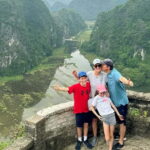


10:30–11:00 Waterfall bathing and the Buffalo Cave visit to close the loop
The final morning block, from about 10h30 to 11h00, includes waterfall bathing and a visit to Buffalo Cave. This is your reset after fields and water work.
Waterfall bathing is not a formal spa moment, so expect simple conditions: you’re cooling off, getting wet, and moving on. This is why flip-flops and a change of clothes are more than recommendations. They help you stay comfortable without turning the second half of the tour into a struggle.
Then there’s the Buffalo Cave visit, which ties the whole day together. Since your tour begins at Buffalo Cave, seeing it again at the end gives you a better sense of place and pacing.
Afternoon option: same experience, different timing
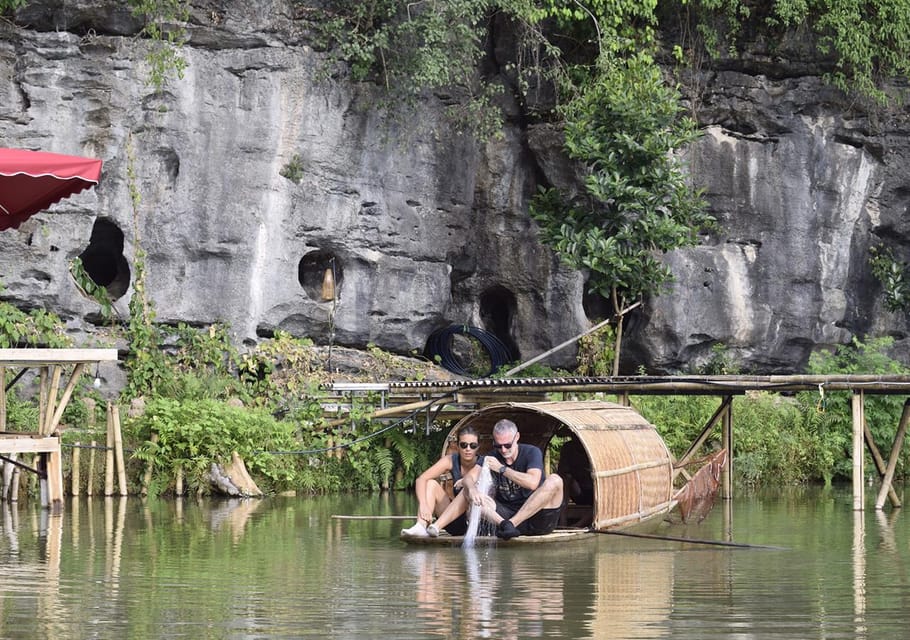
There’s also an afternoon tour that starts around 14:00 and finishes around 15:30. If you prefer sleeping in or you want to pair this with other Tam Coc plans, this timing can fit well.
Why the timing matters: late-day light can be nice for photos, and you might find the pace easier if you want a lighter schedule before dinner. If you’re heat-sensitive, the afternoon may feel better than the morning, but you’ll still be in sun and near water, so bring the same basic comfort gear.
What to wear, what to bring, and how to stay comfortable
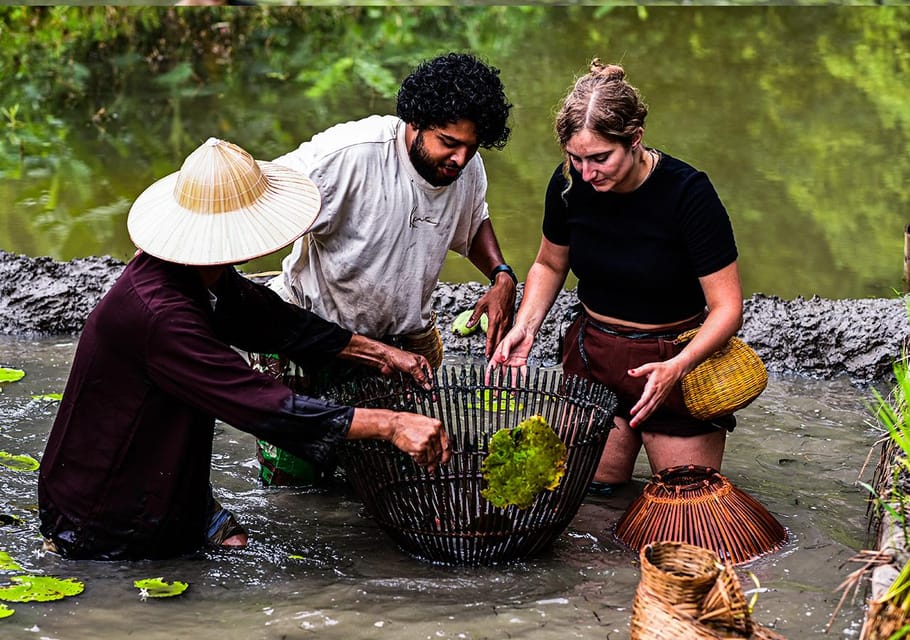
The tour gives you experience tools for the activities, and you’ll also put on traditional farming clothes for the fieldwork. Still, you control the comfort part.
Bring:
- Change of clothes
- Flip-flops
Why flip-flops: they’re easy to slip on after wet activities like waterfall bathing. You can also keep your feet protected on uneven ground compared to bare feet, especially once you’re in and out of water.
Also think about sweat and mud. Even if you move carefully, rice fields and pond edges can be rough on shoes and fabrics. Pack accordingly and you’ll enjoy the experience more.
Small group energy: how the guide makes the difference
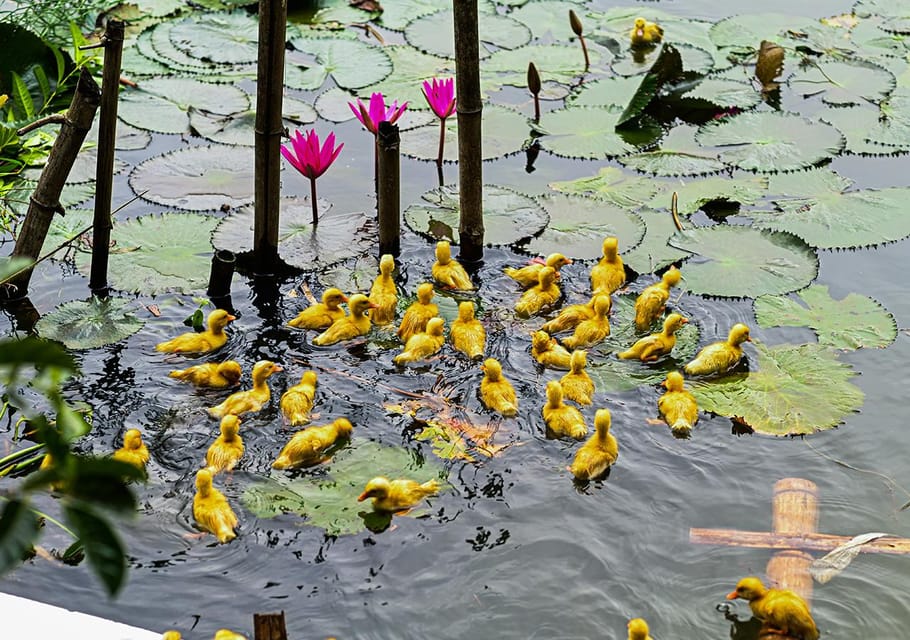
This tour is limited to 8 participants, and that size tends to change everything. You get more attention during fishing practice and rice planting, which is where most people feel like they’re actually participating. It also helps for translation quality and for handling questions in English without a long wait.
Guide quality matters, and the feedback you can rely on here is consistent: people have praised friendly, funny guides and English that’s easy to follow. In at least one case, a guide named Mia stood out for being personable and making the experience enjoyable while still explaining the steps clearly.
If you like tours where you can talk, joke, and learn at the same time, this format is a good match.
Price and value: why $25 makes sense for hands-on work
At about $25 per person for roughly 90 minutes, this isn’t priced like a “watch only” attraction. You’re paying for three practical experiences: buffalo chores, nom basket fishing practice, and rice planting with instruction, plus tools and bottled water.
A few things that affect value:
- Small group size (up to 8) means less waiting and more hands-on time
- Included tools remove the barrier of not knowing what to use
- The guide’s explanation of the rice cultivation cycle turns actions into understanding
VAT isn’t included, and the listing doesn’t spell out any other extras clearly. Still, for what you do within the time window, the cost-to-experience ratio tends to feel fair, especially compared with tours that only show you farming from a distance.
Who should book this tour, and who might skip it
This one is ideal if you:
- Want a hands-on introduction to Vietnamese farm life
- Enjoy trying tools and doing short practical tasks
- Like learning steps and processes, not just seeing a single highlight
- Prefer small groups and an English-speaking guide
It may not be the best fit if you:
- Need wheelchair access (it’s not suitable for wheelchair users)
- Are traveling with very young children (not suitable for children under 3)
- Have mobility concerns that make uneven ground, wet surfaces, or getting changed difficult
- Are 95 or older (not suitable per the tour conditions)
If you’re healthy and flexible with wet conditions, you’ll likely enjoy it. If you want a fully dry, low-activity tour, skip this and pick something more city-based.
Should you book this tour or choose something else?
Book it if you want your Vietnam trip to feel like a real local day rather than a checklist. The combination of buffalo time, nom basket fishing practice, and rice planting with explanations is a smart way to understand how farming connects land, water, and seasons. The small-group setup is the extra ingredient that helps you get meaningful time with the activities.
Skip it if you hate getting dirty, dislike water, or prefer purely scenic tours with minimal hands-on tasks. Also, if you’re short on time in Ninh Binh and want only one thing, consider whether your priorities are fishing practice and rice planting specifically. This tour is built for those two themes.
Overall, it’s a straightforward value choice: pay for an organized, guided, practical farm experience with enough variety to keep it interesting.
FAQ
How long is the tour?
The tour lasts around 90 minutes, including the learning and hands-on activities.
Where do I meet the group?
Meet at Buffalo Cave, about 2 km from Tam Coc wharf. The signboard is next to Thung Nang parking lot on the way from Tam Coc to Bich Dong pagoda.
What is the fishing tool called?
The fishing tool name is nom, and you’ll get the chance to practice using it.
What’s included in the price?
Included are an English-speaking guide, experience tools for all activities, and a bottle of water.
What should I bring?
Bring a change of clothes and flip-flops.
What are the tour times?
There’s a morning start around 08h30 to join the journey, with scheduled activities throughout the late morning, and an afternoon tour from around 14:00 to about 15:30.
Is it okay to cancel last minute?
You can cancel up to 24 hours in advance for a full refund.