REVIEW · HISTORICAL TOURS
Hanoi: Make 6 Iconic Coffees in a Heritage Home with Locals
Book on GetYourGuide →Operated by VietnamXperience · Bookable on GetYourGuide
A quiet coffee class can feel like a little time machine. In a 100-year-old French colonial house tucked in Hanoi’s Old Quarter, you learn to hand-craft 6 iconic Vietnamese coffees while locals explain the how and the why behind each cup.
I love the calm, homey setting and how it makes the whole experience feel unhurried. You’re not rushing between stops or shouting over street noise.
The other thing I really like is the hands-on teaching that keeps things traditional but lets you adjust each cup to your taste. One consideration: this is indoors, so if you want an outside, sightseeing-style tour, you might find this more low-key than expected.
In This Review
- Quick highlights (what makes it worth your time)
- Entering a 100-Year-Old Home in Hanoi’s Old Quarter
- The Small-Group Format That Keeps Coffee From Becoming Chaos
- Your Hands-On Lesson: From Tasting Beans to Brewing 6 Coffees
- What You’ll Make: Egg Coffee, Coconut Coffee, Salty Coffee, and More
- Learn to Taste With Five Senses, Not Just Your Tongue
- Who Teaches You, and Why the Atmosphere Feels Like a Home Visit
- Coffee Beans, Tools, and Hygiene That Make It Feel Legit
- Value Check: Is $22 a Good Deal for Hanoi Coffee?
- Practical Stuff You Should Know Before You Go
- Who This Workshop Is Best For (and Who Might Skip It)
- Should You Book This Hanoi Coffee Workshop?
- FAQ
- How long does the Hanoi coffee-making workshop take?
- What is the price per person?
- How many Vietnamese coffees will I make?
- Do I need any prior coffee brewing experience?
- What languages are available for the instructor?
- Is the workshop indoors or outdoors?
- What do I take home after the workshop?
- Is it wheelchair accessible, and are there options for families or pets?
Quick highlights (what makes it worth your time)
- Old Quarter, but peaceful: a tucked-away heritage home that’s intentionally calm
- 6 coffees by hand: including egg, coconut, and salty coffee
- Small group feel: limited to 10 participants for close guidance
- Five-sense tasting: learn what to notice in aroma, strength, and balance
- Receipts for coffee success: full recipes you can recreate at home
Entering a 100-Year-Old Home in Hanoi’s Old Quarter
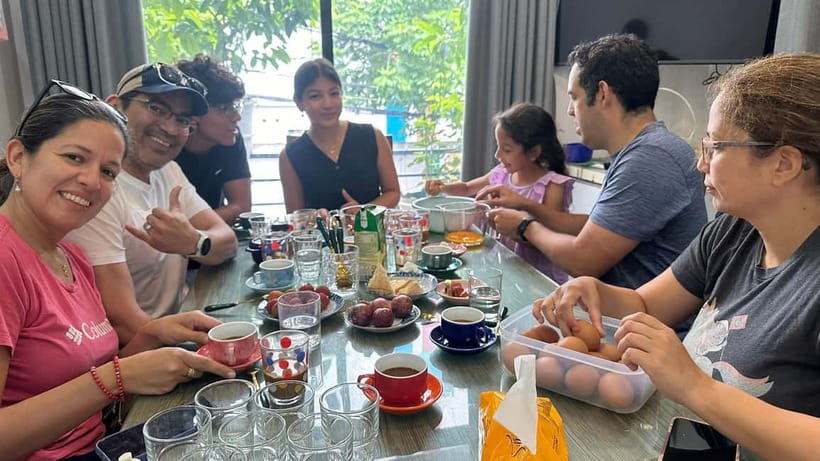
The first surprise is the location. You’re in the Old Quarter, the part of Hanoi where life moves fast, yet the house itself is deliberately quiet. Think French colonial-era charm with a lived-in, everyday feel—cozy rooms, cultural details around you, and space to pause like you’re visiting someone’s family home.
This matters more than you’d think. Many coffee experiences in Vietnam turn into a quick tasting and a sales pitch. Here, the atmosphere is built for slow attention: you can look closely at the objects and art your instructors’ family has collected over generations, and you can actually hear the explanations without constant distractions.
And yes, the setting includes moments like wandering the rooms at your own pace and taking in the balcony atmosphere during the experience. It’s not staged like a show. It feels like a house where coffee is part of daily life.
You can also read our reviews of more historical tours in Hanoi

The Small-Group Format That Keeps Coffee From Becoming Chaos
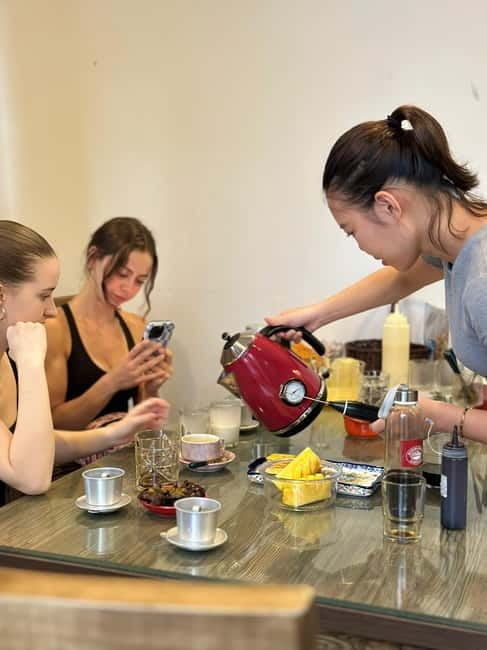
This workshop is limited to 10 participants, and that’s a big deal for something hands-on. When you’re making coffee by hand, you don’t want to be waiting your turn while everyone else is already moving on. A small group means the instructor can watch what you’re doing, correct small technique issues early, and keep the pace relaxed.
You also get more than just instructions. The teaching style is local and practical—people who grew up in Hanoi’s coffee culture share what they do without making it complicated or academic. That’s the best kind of knowledge: usable.
Another small win: it’s an air-conditioned, indoor setting with clean restrooms and proper kitchen handling (more on that later). This is comfortable for a one-to-two-hour workshop, even if Hanoi weather is a little unpredictable.
Your Hands-On Lesson: From Tasting Beans to Brewing 6 Coffees
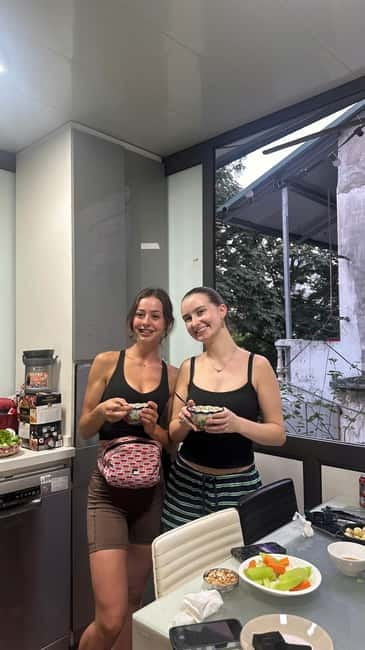
Over about two relaxed hours, you craft six iconic Vietnamese coffees by hand. The goal isn’t just to drink. It’s to learn the process well enough that you could repeat it later without guessing.
The workshop uses an open-bar setup, so the vibe stays easy. You’re not locked into a strict script where you’re only allowed to taste at the end. You can observe, taste, and then do the steps yourself, which keeps you engaged.
The instructor also adjusts each cup to your preferences while protecting the classic balance of Vietnamese coffee. That’s important. Vietnamese coffee isn’t one-size-fits-all; it’s about how strong, sweet, and textured you want it, while keeping the traditional structure that makes each style recognizable.
What You’ll Make: Egg Coffee, Coconut Coffee, Salty Coffee, and More
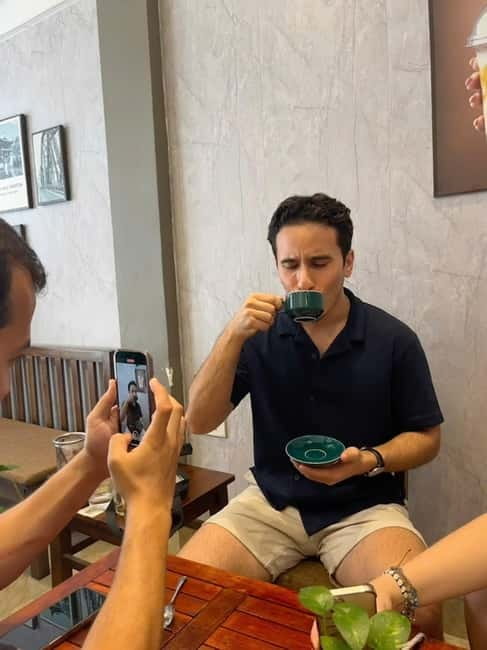
You’re guaranteed 6 styles, and you’ll definitely cover the headline classics:
- Egg coffee (the famous Hanoi style)
- Coconut coffee
- Salty coffee
Beyond those, the workshop includes other Vietnamese coffee styles too, but the key point is how you learn them: step by step, with time to practice and refine.
Egg coffee is usually the one people remember most. It’s a little playful to make, and the technique matters. The lesson helps you understand what you’re aiming for—texture, balance, and that signature richness that makes egg coffee feel like dessert but drinkable.
Coconut coffee brings a different flavor logic. You’re learning how Vietnamese coffee can be both comforting and distinct without needing fancy equipment. Salty coffee, meanwhile, teaches you a useful concept: Vietnamese coffee’s flavor balance isn’t just about sugar. It’s about contrast, and how salt can sharpen the overall cup.
And because you personalize each drink, you’re not just copying a template. You’re learning the method so you can adjust sweetness, strength, or other factors later.
Learn to Taste With Five Senses, Not Just Your Tongue
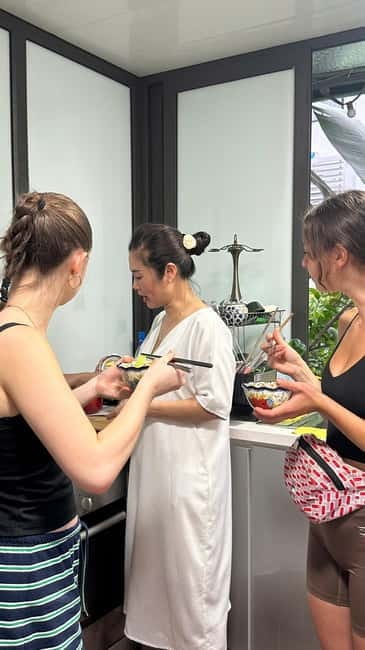
The tasting part is one of the most praised aspects. The workshop pushes you to pay attention to what’s happening in your cup before you even taste it—smell, color, texture, and how the flavor develops.
You’ll also taste Vietnamese specialty coffee beans that your hosts have carefully collected. That gives you a real reference point for what different beans contribute, not just what a finished drink tastes like.
This is also where the class becomes more than a recipe handout. If you learn what to notice—aroma strength, bitterness level, sweetness balance, and texture—you can recreate coffee styles at home even when you’re working with slightly different ingredients.
A small but practical idea: taste and compare while you’re still in the workshop. It’s easier to remember what you did wrong or right when the cups are right in front of you.





Who Teaches You, and Why the Atmosphere Feels Like a Home Visit
The instructors are Vietnamese and teach in English, and the tone is warm. In multiple accounts, hosts are described as welcoming, friendly, and organized, with English described as strong and clear.
You may see the host referred to as Jade or Jennifer/Jenny. Either way, the teaching style seems consistent: step-by-step explanations, patience, and lots of local context about coffee traditions and how different styles came to be.
This home setting also includes local elders who welcome your curiosity. That matters if you’re the kind of traveler who likes culture to feel human, not museum-quiet. You’re learning technique, yes, but you’re also hearing stories tied to daily life and local coffee routines.
One more thoughtful detail: the instructor acts as your photographer, so you’re not stuck asking other people to take photos while you’re concentrating on your cup.
Coffee Beans, Tools, and Hygiene That Make It Feel Legit
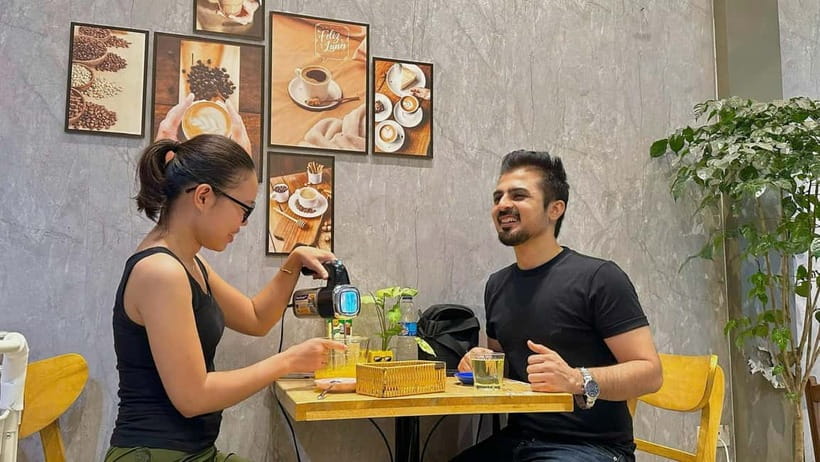
A coffee workshop should be fun, but it also needs to be clean and well run. This one includes sterilized utensils and a dishwasher, so the equipment you’re using feels maintained rather than improvised.
You’ll also be working with all necessary ingredients and equipment provided. No prior brewing experience is needed, and that’s clear in the way the workshop is structured. You’re starting from scratch, guided through the steps.
If you’re worried about the learning curve, don’t. The class is designed for beginners. The technique is taught clearly, and the instructor helps you fine-tune as you go.
Value Check: Is $22 a Good Deal for Hanoi Coffee?
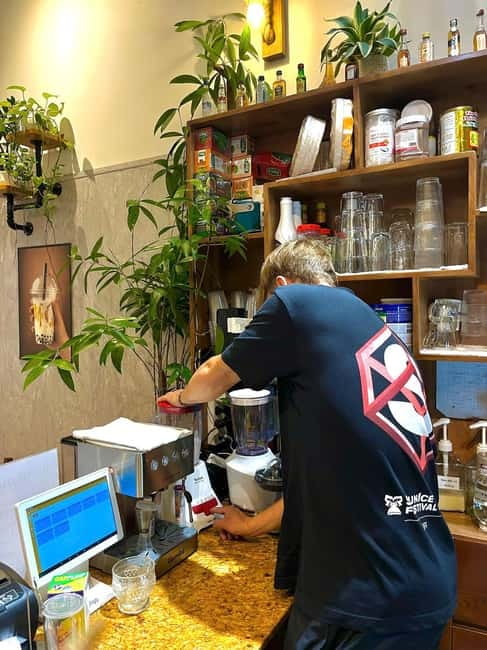
At $22 per person for a 1–2 hour hands-on class, this can be a smart value if you want skills, not just a couple of sips.
Here’s what you’re really paying for:
- Six coffee styles you learn to make by hand
- Full, detailed recipes for all six coffees and more
- Ingredient and equipment provided
- Small-group attention (limited to 10)
- A heritage home setting that makes the experience feel personal
If you only wanted to taste Vietnamese coffee, Hanoi has plenty of cafés. But cafés won’t teach you the technique, balance, and adjustments behind each style. This experience is closer to paying for a mini skill workshop than paying for coffee tourism.
So if you’re the type who enjoys bringing something back you can actually repeat at home, $22 doesn’t feel steep. If you only want a quick stop and don’t care about learning, then it might feel like more time than you want.
Practical Stuff You Should Know Before You Go
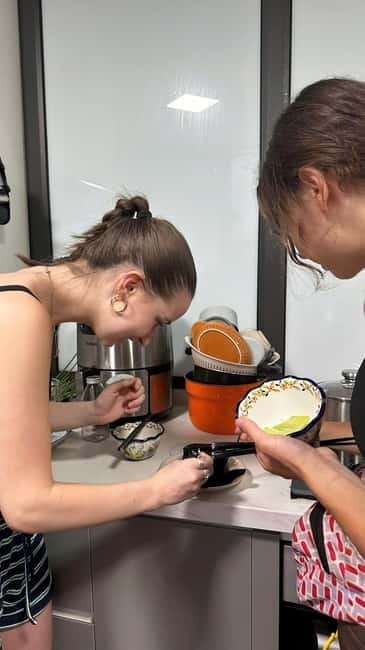
How long is it? Plan for about 1–2 hours, with the main brewing taking place over a relaxed pace.
Is it indoors? Yes. The workshop is conducted indoors with air conditioning, so it’s a good choice when Hanoi’s weather is less cooperative.
Group size? Small group, up to 10 people. That helps you get individual guidance.
What’s included? Coffees and teas, full recipes and more, a passionate local instructor, and a photographer (the instructor takes photos).
Hygiene and setup: sterilized utensils and clean restroom access are included, plus a dishwasher for proper kitchen handling.
Families and pets: there’s childcare service available and a pet-friendly garden space. If you’re traveling with kids or a pet, this is unusually considerate for a local workshop setting.
Mobility: it’s wheelchair accessible, so you don’t have to worry about hidden steps or inaccessible rooms based on what’s listed.
Who This Workshop Is Best For (and Who Might Skip It)
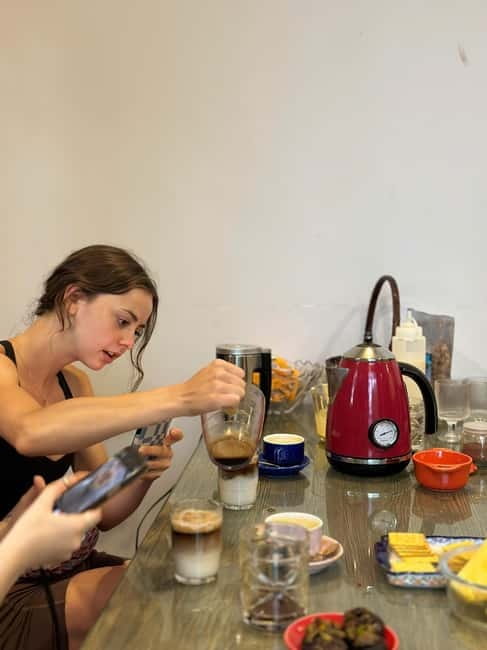
This is perfect for you if:
- You want an authentic Hanoi coffee experience inside a real home setting
- You enjoy food-and-drink learning where you leave with a usable skill
- You like the idea of making multiple iconic styles, not just trying one
- You’re traveling with family (childcare is available) or want a more comfortable environment
You might skip it if:
- You’re hunting for outdoor street scenery and don’t want an indoor activity
- You prefer purely social café time over learning technique
- You only want one or two drinks, not six hands-on recipes
Should You Book This Hanoi Coffee Workshop?
Book it if you want more than a souvenir. This workshop gives you technique, balance, and a set of recipes you can recreate—plus the bonus of doing it in a heritage home that feels calm and personal.
I’d especially recommend it if you’ve never made Vietnamese coffee before. The teaching is designed for beginners, with step-by-step guidance and room to adjust your cups. And if egg coffee, coconut coffee, or salty coffee are on your Hanoi wish list, you’ll leave knowing exactly how to make them instead of just remembering how they tasted.
If you tell me your travel dates and whether you’re more into food learning or sightseeing, I can help you decide where this fits best in your Hanoi plan.
FAQ
How long does the Hanoi coffee-making workshop take?
The experience runs for 1 to 2 hours, depending on the starting time and the pace of the group.
What is the price per person?
The price is $22 per person.
How many Vietnamese coffees will I make?
You’ll craft 6 iconic Vietnamese coffees by hand, including egg coffee, coconut coffee, salty coffee, and other Vietnamese coffee styles.
Do I need any prior coffee brewing experience?
No. No prior coffee brewing experience is required, and all ingredients and equipment are provided.
What languages are available for the instructor?
The instructor teaches in Vietnamese and English.
Is the workshop indoors or outdoors?
The activity is conducted indoors.
What do I take home after the workshop?
You take home full, detailed recipes for all six coffees plus additional practical guidance and skills you can recreate at home.
Is it wheelchair accessible, and are there options for families or pets?
Yes. It is wheelchair accessible, and there is childcare service available. There’s also a pet-friendly garden space.