REVIEW · SAPA TREKKING TOURS
From Hanoi: Premium 2-Day Sapa Adventure with DCAR Limousine
Book on GetYourGuide →Operated by SST Travel · Bookable on GetYourGuide
Sapa arrives fast, even before breakfast. This 2-day tour from Hanoi pairs DCAR Limousine comfort with English local guides once you reach the mountains, plus a small group capped at 9. I especially like the village treks to places like Lao Chai and Ta Van, and the fact you can choose between a homestay-style night or a Sapa hotel. One thing to consider: the walking is not optional, and weather can affect views (and Fansipan access can be limited).
Pickup is early—between 6:30 and 6:45—from the Hanoi Old Quarter, then you’ll be back in Hanoi late evening. Expect two lunches and one breakfast included, while dinner is on your own. The transport Hanoi–Sapa is provided without a guide, so your mountain day starts once you’re settled in Sapa.
In This Review
- Key highlights to watch for
- Sapa in Two Days: what this Hanoi-to-Sapa trip really includes
- DCAR Limousine pickup and timing: the early start that works
- Two routes, two different guide styles: homestay/bungalow vs center hotels
- If you’re outside central Sapa (homestay/bungalow route)
- If you’re in central Sapa (3/4/5-star hotel route)
- Day 1 outside the center: Lao Chai, Y Linh Ho, Ta Van, and spring rolls
- Morning: arrive, lunch, then start walking
- Lao Chai and Muong Hoa valley
- Ta Van village: Ancient Rock Beach and Cau May
- Evening: homestay check-in and a cooking class
- Day 1 in central Sapa: Cat Cat Village, waterfall, and a French-built plant
- Cat Cat Village and the H’mong connection
- Waterfall and the hydroelectric plant
- Dinner on your own
- Day 2 choices: Fansipan option or the Y Linh Ho–Lao Chai–Ta Van trek
- Option 1: Fansipan Peak
- Option 2: Trek through Y Linh Ho, Lao Chai, and Ta Van
- Overnight pick: homestay or 3–5 star hotel
- Choose homestay/bungalow if you want hands-on culture
- Choose a hotel if you want comfort and easier downtime
- How hard are the treks, and what should you pack?
- Food and local life: two lunches, breakfast, and spring rolls
- Price and value: what $109 covers, and what costs extra
- When weather changes the plan: how to stay flexible
- Who this tour suits best (and who should skip it)
- Should you book this Sapa adventure?
- FAQ
- Where does pickup happen in Hanoi?
- What time will I be back in Hanoi?
- Are there different itineraries depending on my Sapa accommodation?
- Is Fansipan included in the price?
- What’s included for meals?
- Can I cancel for a full refund?
Key highlights to watch for

- DCAR Limousine round-trip: a smoother ride between Hanoi and Sapa, with bottled water and rest stops.
- Small group (up to 9): less crowding during village visits and photo stops.
- Two route options: homestay/bungalow route for quieter village areas, or center-hotel route with Cat Cat.
- Village-focused experiences: Muong Hoa valley viewpoints, Red Dao traditions, and Ta Van spots like Ancient Rock Beach and Cau May.
- One overnight included: choose 3/4/5-star hotel or a homestay/bungalow depending on your package.
- Fansipan is optional: cable car admission isn’t included, and safety/maintenance can reduce the odds.
Sapa in Two Days: what this Hanoi-to-Sapa trip really includes
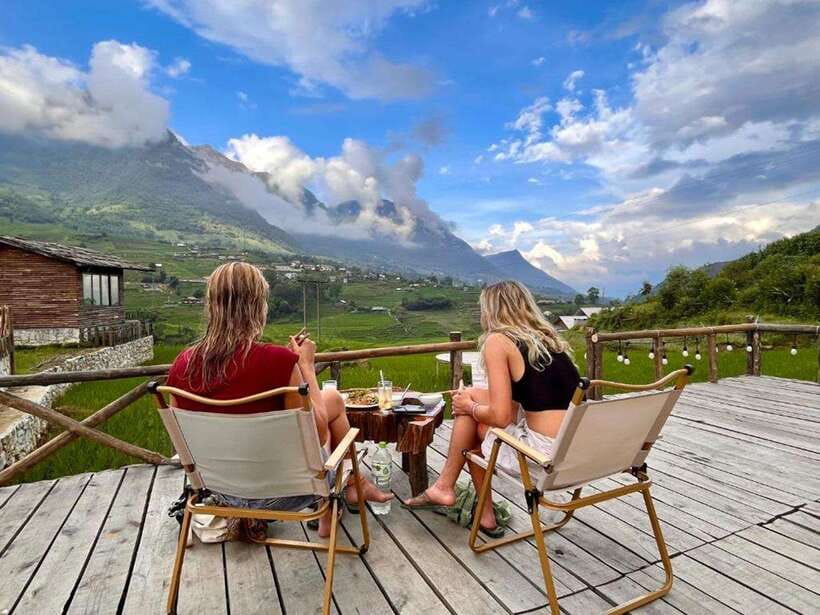
This is a practical 48-hour way to reach Sapa and still do the stuff that makes Sapa worth the trip: mountain villages, terraced rice area viewpoints, and time with ethnic minority communities. You’re not stuck in one place. You’re moving—day by day—between Hanoi and the Sapa region, then between villages and viewpoints.
The tour is also built around choice. Depending on whether you book the homestay/bungalow-style package (outside central Sapa) or the hotel-in-town package, your Day 1 activities change. Day 2 then follows a similar theme: either more trekking through villages or a trip toward Fansipan Peak (with important caveats).
For your time, the value is strong because you’re getting more than sightseeing. You have an overnight stay, English guiding for the mountain portions, and two lunches plus breakfast. The tour also lists admissions to attractions as included, and you’ll get basic comforts like bottled water and wet tissue.
You can also read our reviews of more tours and experiences in Hanoi


DCAR Limousine pickup and timing: the early start that works
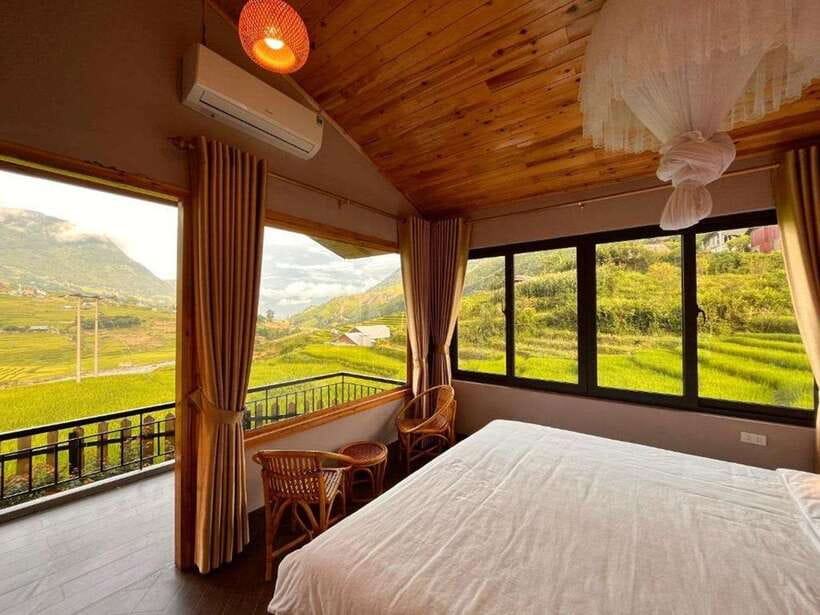
This tour starts early on purpose. Pickup is from Hanoi Old Quarter hotels/hostels/Airbnbs, typically between 6:30 and 6:45 AM. Plan to be ready at the pickup point a little before that. The ride up to Sapa is long enough that “almost on time” can feel like “late late.”
One detail I like: the limousine service is described as luxury and comfortable for the round trip between Hanoi and Sapa. You also get bottled drinking water and free Wi-Fi on the vehicle (noted in feedback). There are also rest stops along the way, which matters because you’ll be walking the next day.
Just know what you’re not getting. The Hanoi–Sapa transfer is provided without a tour guide. That’s not a deal-breaker, but it does mean you’ll want to have your questions ready for the local guides once you arrive in Sapa and start the guided day.
Return timing is late: you’ll drop off around 21:00 to 21:30 in Hanoi (on the listed streets). That late arrival is normal for a two-day itinerary that includes an overnight and a morning start in the mountains.
Two routes, two different guide styles: homestay/bungalow vs center hotels

This tour is a combined program with two routes, and your route depends on where you’ll sleep.
If you’re outside central Sapa (homestay/bungalow route)
You start Day 1 with travel into the Sapa area, lunch, then trekking through villages. By the evening, you’re checking in to a homestay or bungalow and joining a hands-on cooking class. This route feels more like village life than “a quick stop.”
Day 2 continues with another village visit and a trek segment, then lunch, then a return to Sapa and Hanoi.
If you’re in central Sapa (3/4/5-star hotel route)
Day 1 includes a visit to Cat Cat Village plus stops tied to the local setting, then you check into your Sapa hotel. Dinner is still self-arranged.
Day 2 offers more choice: either a Fansipan Peak option or a village trek option that includes Y Linh Ho, Lao Chai, and Ta Van.
One more small-but-real point: the tour notes that it’s a combined tour with two different tour guides (matching the two routes and/or days). So you’ll meet different guides depending on your route and day.




Day 1 outside the center: Lao Chai, Y Linh Ho, Ta Van, and spring rolls
If you choose the homestay/bungalow route, your first mountain day is about getting your bearings in the valley and meeting communities in a calmer setting.
Morning: arrive, lunch, then start walking
After pickup and arrival in Sapa, you have lunch and then begin with trekking. The listed distances are:
- 6 km to Y Linh Ho
- then 3 km to Lao Chai village
This is a classic Sapa pacing: you start with a substantial walk and then build toward key village areas. The trekking also connects to Muong Hoa valley, which is where a lot of the region’s signature terraced views show up when conditions cooperate.
Lao Chai and Muong Hoa valley
Lao Chai is included specifically for exploration in the Muong Hoa valley area. If you want photos that show the rice terraces and mountain folds, this is where you’ll likely spend your best camera time.
Ta Van village: Ancient Rock Beach and Cau May
From Lao Chai, you arrive in Ta Van village and visit Ancient Rock Beach and Cau May. These are set activities rather than vague wandering, so you get a real sense of what to look for and why the stops matter.
Evening: homestay check-in and a cooking class
Check-in happens at the homestay/bungalow, and you’ll join a cooking class to make spring rolls. This is one of the most “you can’t fake it” parts of the experience: it’s practical, social, and it gives you a reason to slow down after the walking.
Dinner is not included here. The tour expects you to handle dinner yourself at the homestay/hotel area (or enjoy street food). That gives you flexibility, but it also means you’ll want to plan for an early meal after an active day.
Day 1 in central Sapa: Cat Cat Village, waterfall, and a French-built plant
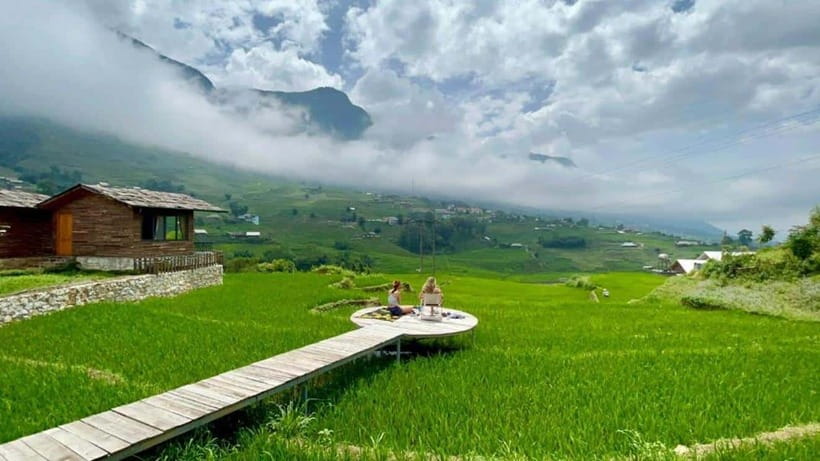
If you’re staying in a hotel in the center of Sapa, your Day 1 shifts from trekking right away to a guided cultural outing.
Cat Cat Village and the H’mong connection
You head to Cat Cat Village to explore H’mong culture. This is not just a photo stop. It’s structured as a village visit so you can learn what you’re seeing instead of guessing.
Waterfall and the hydroelectric plant
The itinerary also includes the Cat Cat waterfall and the French-built hydroelectric plant. Those two details help explain the area’s history and how people shaped the landscape and water supply for work and daily life.
Dinner on your own
As with the other route, dinner is self-arranged. That can be a plus if you like choosing your own meal, but it does mean your Day 1 ends with less scheduling certainty.
Day 2 choices: Fansipan option or the Y Linh Ho–Lao Chai–Ta Van trek
Day 2 is where this tour gives you leverage. You can go for a summit goal—or you can stay village-focused and keep walking.
Option 1: Fansipan Peak
You can choose Fansipan Peak. The note says the cable car ticket is not included. Also, Fansipan is frequently under maintenance for safety, so it may not be accessible.
If you’re set on Fansipan, I’d treat it as a conditional win, not a guaranteed one. Cloud and fog can also reduce visibility, even when access is available.
Option 2: Trek through Y Linh Ho, Lao Chai, and Ta Van
Instead of Fansipan, you can trek the villages:
- Y Linh Ho
- Lao Chai
- Ta Van
Lunch is at a local restaurant, then you return to Sapa by car around 14:00 to 14:30, and you continue back to Hanoi for an evening drop-off.
This second option tends to feel more consistent. Even if weather changes, a village trek usually still gives you real moments with people and daily routines.
Overnight pick: homestay or 3–5 star hotel
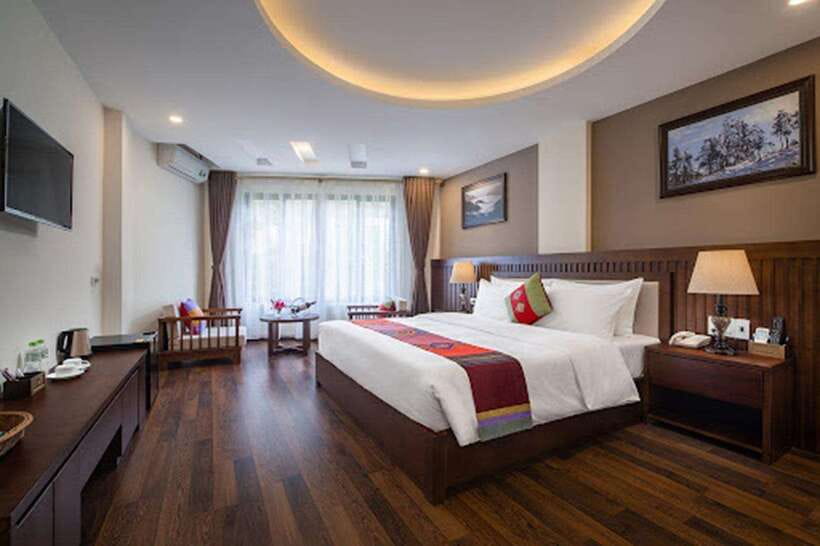
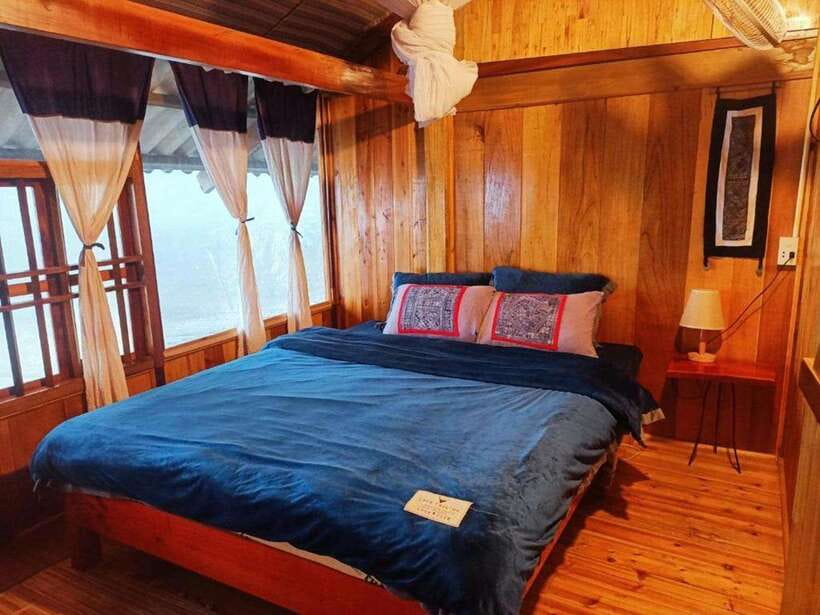
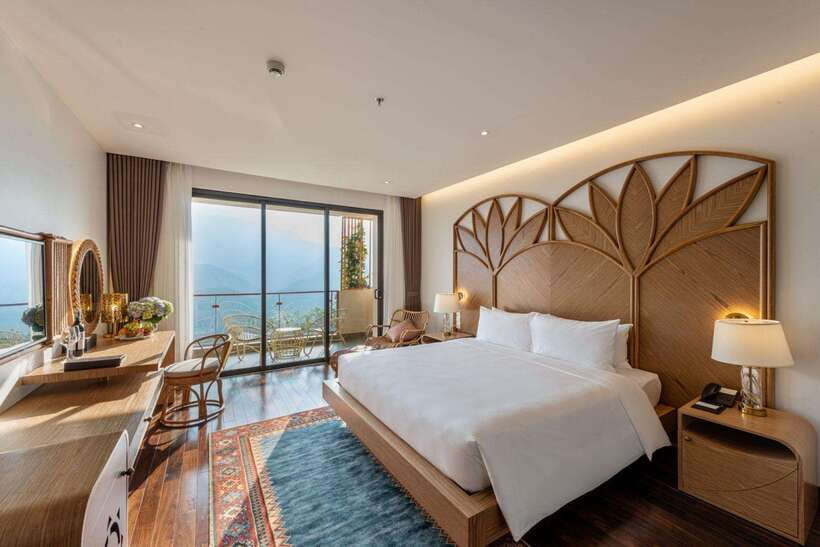
The tour offers several accommodation tiers:
- Homestay or bungalow for the outside-center route
- 3-star hotel and up to 4-star hotel/bungalow
- 5-star hotel option for central Sapa
So what should you pick?
Choose homestay/bungalow if you want hands-on culture
The cooking class and the village setting make this route feel more grounded. You’ll sleep nearer to where you walk, which is often less stressful than constantly commuting.
Choose a hotel if you want comfort and easier downtime
The center-hotel route keeps you near services. That can be a relief if you’re tired after trekking and just want a clean room and an easy breakfast setup.
In both cases, breakfast is included and dinner is not.
How hard are the treks, and what should you pack?
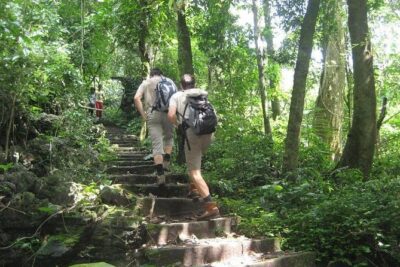
This is a walking tour. Even the “simple walk” moments still mean you’ll be on uneven paths in a mountain climate.
You’ll see specific trekking distances on the schedule, depending on your route:
- Day 1 homestay route includes 6 km + 3 km
- Day 2 homestay route includes an 8 km trek to Giang Ta Chai
- The hotel route includes a trek option among Y Linh Ho, Lao Chai, and Ta Van (exact distances are not spelled out for every segment in the summary, but it’s clearly designed as a guided trek day)
What to bring is clearly stated:
- Comfortable shoes
- Warm clothing
- Camera
- Snacks
- Water
- Rain gear
I’d treat warm clothing and rain gear as non-negotiable. Sapa weather can swing, and walking with wet socks is miserable.
Also, avoid overpacking. Your day bag needs room for snacks and rain protection, and you’ll appreciate not lugging a heavy pack during village walks.
Food and local life: two lunches, breakfast, and spring rolls

This tour keeps meal planning simple:
- Breakfast included
- Lunch on both days included (2 x lunch)
- Dinner is self-arranged
On the homestay/bungalow route, the cooking class is a highlight because you’re not just watching. You’re making spring rolls, which makes the evening feel like a cultural event, not a checkbox.
On the trek days, lunch at a local restaurant is part of the itinerary—so you aren’t left hunting for food after a long walk. Still, because dinner is your own choice, it’s worth keeping an eye on where you can eat near your overnight stay.
Price and value: what $109 covers, and what costs extra
At $109 per person for a 2-day program, you’re paying for several big ticket items:
- round-trip DCAR Limousine
- 1-night accommodation
- an English speaking local guide
- admissions to attractions listed in the program
- 2 lunches and breakfast
- bottled water and wet tissue
What can add to your bill:
- Fansipan cable car admission is not included (and Fansipan access can be limited by maintenance)
- Holiday surcharges may apply on specific dates, depending on your accommodation tier:
- 3-star: 500,000 VND
- 4-star: 850,000 VND
- 5-star: 1,200,000 VND
(these are paid on-site)
- Single room supplement is mandatory for solo travelers
- Personal expenses like souvenirs and extra snacks
My take on value: if you want a guided, overnight Sapa visit without having to organize transport, guides, and basic meal stops, the bundle makes sense. If you only care about the summit and nothing else, the price may feel less efficient because Fansipan cable car and access are uncertain.
When weather changes the plan: how to stay flexible
Sapa is a place where visibility matters. Clouds, fog, and damp trails can change the feel of the day, even when the itinerary is perfect on paper. The tour also explicitly notes that the order may be adjusted due to weather, traffic, or unforeseen circumstances, while ensuring attractions are still included.
So your best strategy is a mindset shift: treat viewpoints as a bonus, not a guarantee. If the sky is clear, your photo time will be stronger. If it’s not, you’ll still get village experiences, cooking class time, and guided context.
Who this tour suits best (and who should skip it)
This trip is best for you if:
- you want a guided Sapa experience in a small group (up to 9)
- you like village treks and culture over only staying in one town
- you want the convenience of a 1-night package with meals handled
It’s not a great fit if:
- you’re pregnant, have back problems, or need wheelchair access (the tour states it’s not suitable for those cases)
- you hate early mornings and long rides (pickup is very early)
- you only want an easy, minimal-walking visit
Should you book this Sapa adventure?
I’d book this if your priority is a structured Sapa visit that mixes mountain treks, village culture, and a real overnight—without forcing you to coordinate transport and guiding yourself. The DCAR Limousine helps reduce the stress of getting there and back, and the tour includes the key meals that matter on trek days.
If you’re hoping for Fansipan as a sure thing, read the fine print with clear expectations: cable car isn’t included, access can be affected by maintenance, and weather can reduce views. In that case, consider choosing the village-trek option when available, or at least be mentally ready to pivot.
FAQ
Where does pickup happen in Hanoi?
Pickup is from hotels, hostels, or Airbnbs in the Hanoi Old Quarter. Pickup takes place between 6:30 AM and 6:45 AM.
What time will I be back in Hanoi?
The tour returns to Hanoi and drops you off around 21:00 to 21:30, on the listed streets (Tran Quang Khai/Ly Thai To area).
Are there different itineraries depending on my Sapa accommodation?
Yes. There are two routes: one for guests staying at homestays or bungalows outside the center of Sapa, and another for guests staying in 3, 4, or 5-star hotels in the center of Sapa.
Is Fansipan included in the price?
Fansipan Peak is an option, but the Fansipan cable car ticket is not included. Fansipan may also be inaccessible at times due to safety maintenance.
What’s included for meals?
Breakfast is included, and there are 2 lunches included during the 2-day program. Dinner is self-arranged.
Can I cancel for a full refund?
Yes. You can cancel up to 24 hours in advance for a full refund.
You Might Also Enjoy



More 2-Day Experiences in Hanoi
- Doris Cruise 5 star cruise 2 days visiting Halong Bay Lan Ha Bay private balcony
★ 5.0 · 2,338 reviews