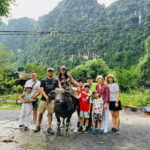
REVIEW · SAPA TREKKING TOURS
3-Day Sapa Real Valley View Homestay & Fansipan–Roof of Indochina
Book on Viator →Operated by BCFamilyTour.com · Bookable on Viator
You come for the mountains; you stay for the people. This 3-day Sapa real valley view trek mixes a long Hanoi-to-Sapa ride, daily hiking through Black Hmong and Tay villages, and a big day on Fansipan—plus real homestay time in the valley.
I especially like two parts: the homestay setup (shared, local-house style) that gives you an up-close look at everyday mountain life, and the way the program balances hiking with actual time in Sapa town for meals and shopping. The featured ethnic villages and the walk through the Hoang Lien Son area also mean you’re not just checking boxes—you’re moving through the places locals live and farm.
One drawback to plan for: the trek can be physically demanding and you’ll want proper hiking shoes and a good weather window. Even on good trips, I see comments about rougher homestay conditions and basic bus comfort (things like no Wi-Fi or toilet paper).
In This Review
- Key takeaways before you go
- Price and what makes this feel like value
- Hanoi-to-Sapa: the long drive that sets the rhythm
- Sapa arrival and the first taste of the valley
- Day 1 walking: how hard is it, really?
- Homestay night: the good, the tradeoffs, and what to ask yourself
- Guide quality: why it affects everything
- Day 2: breakfast in the village, then the Fansipan big push
- Cat Cat and other village stops: what to watch for
- Sapa downtime on Day 3: a final reset before heading back
- What you should pack (based on the reality of the hike)
- Who this trek is best for
- Should you book 3-Day Sapa Real Valley View Homestay & Fansipan?
- FAQ
- FAQ
- What is the duration of this Sapa trek?
- Where does the tour start in Hanoi?
- What’s included in the price?
- Is pickup from my hotel included?
- Do I get to visit Fansipan?
- What villages will the trek cover?
- Is the homestay private or shared?
- What meals are provided?
- How many people are in the group?
- What is the cancellation window for a full refund?
Key takeaways before you go
- Small group size (max 15) keeps the experience more personal when your guide manages timing and pace.
- Homestay + hotel combo means you get village immersion one night, then a proper base in Sapa town the next.
- Fansipan day is a full outing with up to 2800 meters, pagodas, photos, and a climb of about 600 steps.
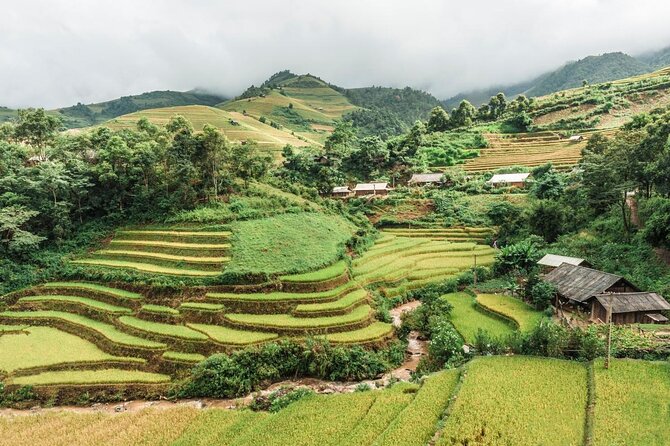
- Daily village hiking is the core value—expect multiple communities such as Lao Chai, Ta Van, Giang Ta Chai, Ban Ho, Sin Chai, and Cat Cat.
- Long but scenic Hanoi–Sapa transfer uses the new highway, with the drive taking under 5 hours to the mountains.
Price and what makes this feel like value
At $179.90 per person for a roughly 3-day program, you’re paying for the big stuff that usually costs extra when you DIY: round-trip transport from Hanoi, a local guide, meals across multiple days, and two kinds of accommodation (homestay + Sapa hotel).
So the value question is simple: are you okay with a structured hiking route and group logistics in exchange for having the hard parts handled? If yes, this price can feel fair—especially because you’re getting meals (breakfast/lunch/dinner where indicated), bottled water, and both transportation and lodging tied directly to the trek schedule.
If you’re the type who hates set times and prefers total freedom, you may feel boxed in. But if you like walking with a guide and learning while you go, the package format usually makes your trip smoother (and often cheaper) than piecing it together alone.
You can also read our reviews of more tours and experiences in Hanoi


Hanoi-to-Sapa: the long drive that sets the rhythm
This tour starts with pickup at Hanoi Opera House (1 Tràng Tiền, Hoàn Kiếm). From there, you take a bus up to Sapa using the new Noi Bai–Lao Cai highway route. The ride is described as under 5 hours and covers about 245 km, with scenic views along both sides of the road.
The practical side: this is a travel day, so bring what you need to feel human afterward—layered clothing, something to snack on if you get hungry between meals, and whatever helps you handle a long seated ride comfortably.
One thing to note from trip feedback: the sleeper bus style comfort can be basic. I’ve seen comments about a lack of Wi-Fi and even toilet paper. That’s not a deal-breaker for most hikers, but it is good to know so you don’t assume “modern bus” conveniences.
Sapa arrival and the first taste of the valley
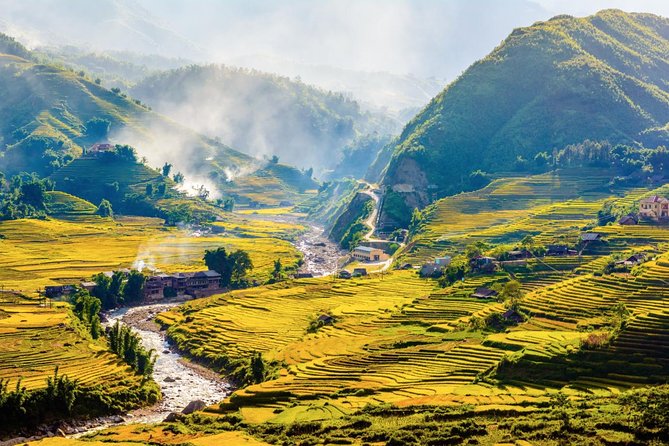
Once you arrive in Sapa, the program usually starts with lunch at a local restaurant, then you head into the cultural/hiking portion. Day 1 is where you set expectations: you’re not staying on one viewpoint. You’ll begin trekking in areas associated with Black Hmong culture, and the goal is to walk through village life rather than just look at it from a distance.
From the tour outline, the trek is built around well-known Sapa communities and stops such as Lao Chai and Ta Van, and it also mentions places like Giang Ta Chai, Ban Ho, Sin Chai, and Cat Cat. Even if you don’t memorize every name, the structure matters: daily walks connect different villages so you see how the valley works as a lived landscape—farms, footpaths, and local markets that show up as part of daily life.
And yes, you also get free time in Sapa later in the trip. That matters more than it sounds. After hiking, you want time to shower, eat at your pace, and browse rather than feeling like you have to sprint between activities.
Day 1 walking: how hard is it, really?
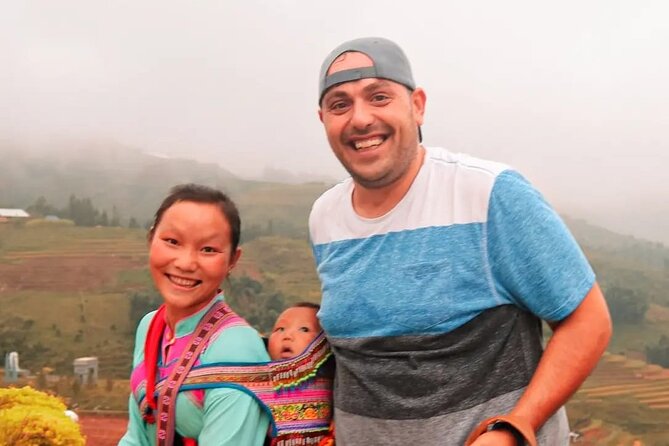
The hiking is the centerpiece. One piece of real-world context I’d take seriously: there are comments calling out about 15 km of trekking as a notable effort. That doesn’t mean every step is a brutal climb, but it does mean you should train your legs a bit and pack for comfort.
What I recommend:
- Wear sturdy, proper trekking shoes with grip. Slippery sections can surprise you.
- Bring layers. In the mountains, weather shifts fast.
- Expect a steady pace guided by people who know the paths, not a casual stroll.
If you’re physically ready and your expectations match “walking day,” you’ll enjoy it. If you’re hoping for mostly flat scenery with minimal effort, you might feel underprepared.
Homestay night: the good, the tradeoffs, and what to ask yourself
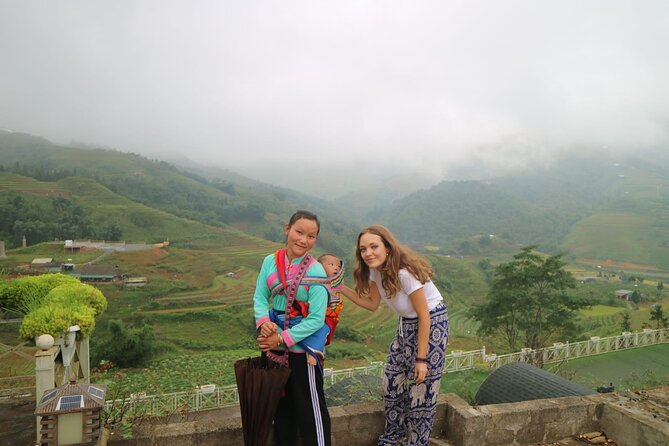
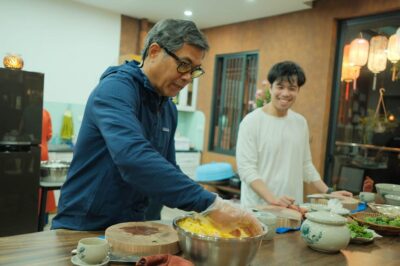
The tour includes 1 night in a village homestay and 1 night in a hotel in Sapa town. Homestay is described as shared accommodation in a local house, and breakfast for the next day is prepared by the family.
This is where the experience can become unforgettable—or simply good—depending on what you personally expect from “homestay.” In positive feedback, the homestay gets praised for being clean, well-hosted, and offering great views from the family’s home. In other feedback, the word used was harsher: one person described the homestay as poor, even though they still found hospitality and food good.
So here’s the reality check I think you should use: homestay standards vary. You’re sleeping as part of village life, not inside a hotel system. If you’re flexible, you’ll likely have a meaningful cultural experience. If you need guaranteed comfort, ask your booking agent ahead of time what the room setup typically looks like and what “shared accommodation” means in practice for that village.
Also, guide support can make or break the day. One guide name that came up clearly is ZerZer, described as speaking good English and hosting well during the homestay. That kind of guide connection matters because it turns cultural awkwardness into genuine conversation.




Guide quality: why it affects everything

This kind of trek isn’t just about walking; it’s about understanding what you’re seeing. The tour includes a local expert guide, and the group size (max 15) helps your guide manage everyone without racing.
From feedback, guide English ability is a big deal. People highlighted ZerZer as having good English and making the homestay feel smooth. Another name that came up is Lala, who was specifically credited with compensating for a rougher homestay experience because the rest of the trip quality and the views helped carry the day.
So if you care about storytelling and practical guidance (which path to take, what to expect, how to talk to families), pay attention to guide match-ups when you book. Even within the same tour, the guide can change how you remember the trip.
Day 2: breakfast in the village, then the Fansipan big push

Day 2 starts with breakfast prepared by the family. Then you return back toward Sapa town—about 17 km, roughly 30 minutes by motorbike or taxi (arranged by the program).
After you’re back in Sapa, the main event is Fansipan. The program outlines:
- reaching altitude around 2800 meters
- plenty of time for views and photos
- visiting pagodas tied to spiritual destinations
- trekking up about 600 steps to reach the peak area
This is a classic “big day” in Sapa. It’s not just a summit photo; it’s also a cultural stop with pagodas along the way, so you’re not only collecting views.
Practical tip: pace yourself on the steps. If you go out too fast, the last stretch feels longer than it looks on a map. If you manage your effort, you’ll enjoy the time at the top more.
Cat Cat and other village stops: what to watch for
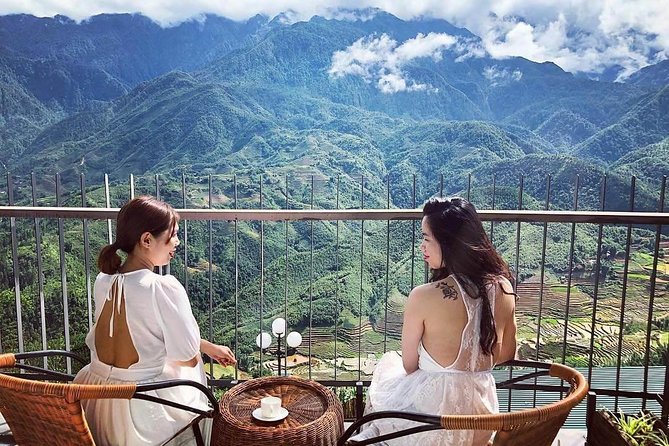
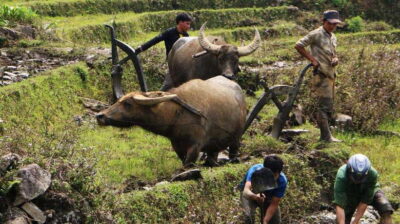
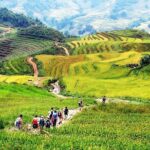
The tour description points to multiple villages including Cat Cat (plus several others like Lao Chai, Ta Van, and Ban Ho). It also references terraced rice fields and refreshing waterfalls during the trek days.
When you reach these areas, don’t only look for the postcard angle. Watch for what changes as you walk:
- rice terraces and water flow on slopes
- how villages sit along pathways rather than on “tour roads”
- family life that’s connected to the walk itself
If you’re a curious person, this is the part that turns a trek into a story you can retell later.
Sapa downtime on Day 3: a final reset before heading back
On the final day, you get a hotel breakfast and then free time to discover Sapa town on your own from about 7:30am to 11:30am. This free block is useful for:
- last-minute shopping
- a slow meal without schedule pressure
- getting your bearings after several days outdoors
Then you check out, handle bills, have lunch on your own (as listed), and return to Hanoi by bus. The return drive is again described as roughly 6 hours, so you get a full end-of-trip transfer day rather than a quick hop.
What you should pack (based on the reality of the hike)
This is the section that quietly determines whether the trip feels great. The tour description doesn’t list a full packing list, but the feedback does give a clear message: bring proper shoes and be physically ready for the trek distance.
In practice, I’d pack:
- comfortable trekking shoes with grip
- a light rain layer (the area can be wet)
- a warm layer (altitude and mornings can cool off)
- daypack for water and essentials
- basic personal items you might prefer even if the program includes bottled water
And if you know you get cold easily, add a hat or gloves. Fansipan especially can feel cooler than you expect.
Who this trek is best for
This experience fits best if you:
- want a guided multi-day walk through Sapa’s main ethnic villages
- enjoy cultural interaction in a homestay setting
- are comfortable with structured schedules and daily hiking
- want a big highlight day like Fansipan with pagodas and photos
If you prefer flat, minimal walking, or if you need hotel-level comfort every night, you might find the homestay portion stressful. But if you’re open-minded and you come for the valley life, the trek is the kind of trip that stays with you.
Should you book 3-Day Sapa Real Valley View Homestay & Fansipan?
I’d book it if you want a true Sapa trek package that handles the essentials: transport from Hanoi, a guide, meals, and two nights of lodging, plus a top-of-the-mountain day on Fansipan. At $179.90, you’re also paying for convenience and reduced planning work.
Skip it (or ask extra questions before booking) if:
- you’re sensitive to basic transport conditions (like limited bus comforts)
- you know you won’t tolerate shared homestay conditions without hotel standards
- you’re not ready for a trek that can reach around 15 km in a day and includes step climbing at Fansipan
If you’re the kind of traveler who values walking with locals, learning as you move, and trading hotel polish for real connection, this is a strong bet.
FAQ
FAQ
What is the duration of this Sapa trek?
The tour runs for about 3 days.
Where does the tour start in Hanoi?
The meeting point is Hanoi Opera House, 1 Tràng Tiền, Hoàn Kiếm, Hà Nội, Vietnam.
What’s included in the price?
Included items are air-conditioned vehicle, a local expert guide, bottled water, meals as indicated (B/L/D), and accommodation (1 night homestay in a village + 1 night hotel in Sapa town). It also includes round-trip hotel transport from Hanoi.
Is pickup from my hotel included?
Round-trip hotel transport from Hanoi is included.
Do I get to visit Fansipan?
Yes. You’ll visit Fansipan, reach around 2800 meters, visit pagodas, and trek up about 600 steps to the peak area.
What villages will the trek cover?
The route includes villages mentioned in the program such as Lao Chai, Ta Van, Giang Ta Chai, Ban Ho, Sin Chai, and Cat Cat.
Is the homestay private or shared?
The homestay is shared accommodation at a local house (double/twin sharing is mentioned for accommodation generally, and homestay is described as shared at the local house).
What meals are provided?
The tour lists meals as indicated: B = breakfast, L = lunch, D = dinner.
How many people are in the group?
The maximum group size is 15 travelers.
What is the cancellation window for a full refund?
You can cancel up to 3 days in advance for a full refund. Canceling less than 3 full days before the experience start time means the amount paid will not be refunded.