REVIEW · HANOI
21-Day Vietnam Itinerary Explore North to South Highlights
Book on Viator →Operated by Authentic Adventures · Bookable on Viator
A packed map makes Vietnam feel easy. This 21-day highlights route strings together Hanoi, Sapa, and the coast with domestic flights and a lot of guided sights, so you spend less time planning and more time seeing. I also like the practical staffing vibe: people you may work with include Ly for organization and follow-up, plus support from Tran and Hang, reported as available 24/7.
My favorite part is the balance of big-ticket culture and actual breathing room. You get guided visits to major sites like Ho Chi Minh’s complex, UNESCO Heritage stops, and Hoi An, plus free time in places like Da Nang, Nha Trang, and the final day in Ho Chi Minh City. The trip also keeps comfort in mind with private room accommodations and an air-conditioned vehicle for transfers.
One thing to consider: this is not a slow vacation. There are early starts, long travel days, and a tough physical moment (you climb nearly 500 steps at Mua Cave). If you want Vietnam at a gentle pace, you’ll feel the schedule.
In This Review
- Key highlights worth noting
- Why this North-to-South highlights route works (and where it can feel rushed)
- Hanoi on days 1–2: pagodas, museums, the mausoleum complex, and a classic lakeside stop
- Ninh Binh by boat and caves: Hoa Lu, Tam Coc, and Mua Cave views
- Sapa’s highland loop: Cat Cat, rice-terrace treks, and family meals in Ta Van and Giang Ta Chai
- Halong Bay to Lan Ha Bay: sunrise Tai Chi, caves, then a flight to Da Nang
- Hue and Hoi An: UNESCO Imperial City, Thien Mu Pagoda, My Son, and old-town walking
- Ba Na Hills and Da Nang beach time: a big attraction with room to breathe
- Nha Trang: the best kind of downtime, with optional water activities
- Ho Chi Minh City, Cu Chi tunnels, and the Mekong Delta with Cai Rang at 6:30am
- Price and value: how $2,498 turns into real logistics help
- Group size, pickup timing, and what to do with your own energy
- Should you book this 21-day Vietnam highlights tour?
- FAQ
- How much does this 21-day Vietnam tour cost?
- How long is the tour?
- Where does the tour start?
- Does the tour include domestic flights?
- Is accommodation included, and what type is it?
- Are entrance fees included for the sightseeing stops?
- What meals are included?
- Can the tour provide vegetarian meals?
- What is the group size limit?
- What happens if weather is poor for the experience?
Key highlights worth noting
- North-to-south coverage with domestic flights helps you skip the long-distance grind.
- Small group size (max 12) typically makes it easier to move together and get questions answered.
- UNESCO hits across the route: from Trang An to Hue and My Son.
- Sapa trekking with homestay-style meals gives you more than just viewpoints.
- Early morning Mekong timing for Cai Rang floating market beats the late-day crowds.
Why this North-to-South highlights route works (and where it can feel rushed)

Vietnam is big, and going north to south usually means either a lot of bus time or a lot of planning. This tour solves the planning headache by bundling domestic flights and a network of transfers (air-conditioned vehicle plus local guiding). You still have travel time, but it’s structured, which matters on a first visit.
You also get a mix of guided stops and free time. Da Nang and Nha Trang include leisure blocks you can use for beach time, snorkeling/dive options, or just resetting your brain. That’s smart, because the itinerary is otherwise packed with pagodas, forts, tombs, and caves.
The tradeoff is pace. Some days start early, and at least one includes nearly 500 steps. If you’re the type who likes wandering without a timetable, you may want to mentally plan for more structure than you’d have on an independent trip.
You can also read our reviews of more tours and experiences in Hanoi.


Hanoi on days 1–2: pagodas, museums, the mausoleum complex, and a classic lakeside stop
Hanoi is where your trip’s tone gets set: historic, walkable, and full of different types of stops. Day 1 is all arrival logistics, with pickup from Noi Bai International Airport to your accommodation. That matters because Hanoi traffic can be stressful right after a flight.
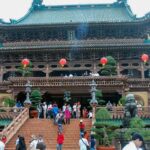
Day 2 covers a strong cluster of major sights with included entry fees and a steady flow through the city. You start at Tran Quoc Pagoda, described as the oldest pagoda in Ha Noi, built in the 6th century. Then you move into the Ho Chi Minh Mausoleum complex: you’ll walk the garden area to see two houses where he lived and worked between 1954 and 1969, then visit One Pillar Pagoda, linked here to worship of the Goddess of Mercy.
Next up is education meets Vietnam’s diversity at the Vietnam Museum of Ethnology. This stop is a big deal on a first trip because it gives you cultural context before you head toward the mountains. After that, you visit the Temple of Literature & National University, originally established in the 11th century, and then finish with Hoan Kiem Lake and Ngoc Son Temple, honoring General Tran Hung Dao.
The downside? This day is dense. It’s well-spaced in the schedule, but you’ll still feel like you’re bouncing between different parts of Hanoi. Bring water, wear comfortable shoes, and don’t plan to shop heavily between stops unless you’ve got a cushion of time.
Ninh Binh by boat and caves: Hoa Lu, Tam Coc, and Mua Cave views

After Hanoi, the tour shifts to Ninh Binh, and that change of scenery is exactly what helps the trip feel like more than a checklist. Hoa Lư Ancient Capital is the first stop: you’re taken to the historic core of Vietnam from the period noted in the itinerary, and the visit lasts about three hours.
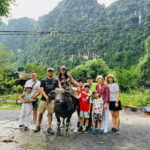
Then comes the main show: Tam Coc by bamboo boat. The boat time is about 1.5 hours, and the description focuses on the paddy fields, river setting, and the cave system you see during the ride. This is the kind of stop where you can stop photographing and just watch. It’s also one of the easiest “wow” moments on the whole itinerary.
To cap the day, you head to Mua Cave (Dancing Cave) and climb almost 500 steps to reach the top of Lying Dragon Mountain. The view over Tam Coc is the payoff. The drawback is obvious: legs and knees matter. If you don’t like steep stairs, this is the moment you’ll notice the most.
Sapa’s highland loop: Cat Cat, rice-terrace treks, and family meals in Ta Van and Giang Ta Chai

Sapa is where the tour slows down just enough to feel more personal. You start with an early morning bus departure from Hanoi to Sapa Town. The schedule includes breaks en route, and then you get your first village stop at Cat Cat, home to Black H’mong ethnic people. You’ll go on a short walk to the village gate and learn from a local guide.
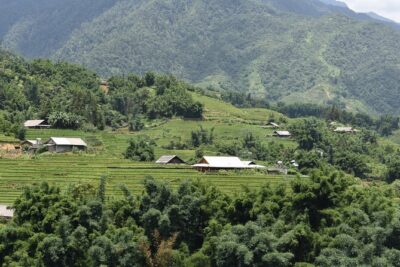
Day 6 is where the trekking begins. You start after breakfast and check out, then trek through rice terraces and along the Muong Hoa Stream toward the Black H’mong area noted in the itinerary. The schedule then brings you to Ta Van Village with lunch prepared by the family. That home-cooked meal piece matters because it’s a different kind of cultural interaction than a museum.
You check in at a bungalow in Ta Van, then spend time getting to know the family. Days 7 adds Giang Ta Chai Village. It includes a cooking class where you learn to make dishes such as pho and nem cuốn. The next trek is described as about 3 km and roughly 3.5 hours, including a walk across the Giang Ta Chai Bridge before heading back to Sapa Town by bus.
What to watch: trekking days mean you’re not just sightseeing—you’re doing active time outdoors. The itinerary includes several multi-hour blocks, so pack for comfort and expect that you’ll feel it later. Also, some days involve busing and checks between villages, so keep your day-bag simple.
Halong Bay to Lan Ha Bay: sunrise Tai Chi, caves, then a flight to Da Nang

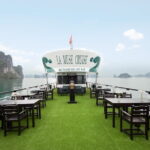
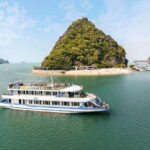
You swing from mountains to water, and the itinerary gives you a classic rhythm: boat morning, scenic cruising, then head back for a flight. On day 8, you travel from Hanoi toward the bay area, then take a boat time in Lan Ha Bay. The route includes stops around Gia Luan, Thoi Quyt island, Ke Ga, and the Finger islands area.
Day 9 is the early morning one: you wake up around 6:15am for Tai Chi on the sundeck, then watch sunrise on the bay. Breakfast follows, and you’re given morning views with tea as part of the experience pacing.
Then you transition quickly to the next region. The schedule has you transferred to Noi Bai airport for a flight to Da Nang, with an overnight stay there. This is a clever move for a north-to-south trip because it avoids burning an entire day on ground travel.
The main consideration: this part of Vietnam is weather-sensitive. The tour explicitly notes it requires good weather for the experience; if weather cancels things, you’re offered a different date or a full refund. Plan to be flexible in this window.


Hue and Hoi An: UNESCO Imperial City, Thien Mu Pagoda, My Son, and old-town walking

Central Vietnam in this itinerary is built around sites that teach you how Vietnam’s kingdoms shaped culture. In Hue, you start early from Da Nang and visit the Hue Imperial City (Citadel), noted as a UNESCO World Heritage Site. You also visit the Tomb of Khai Dinh (the itinerary calls it the 12th emperor’s tomb, with Vietnamese and European design influences noted) and then the Thien Mu Pagoda on the Perfume River.
This sequence works because it moves you from political power (Imperial City) to imperial legacy (tombs) to spiritual atmosphere (Thien Mu). If you like history but don’t want a textbook day, it’s a strong structure.
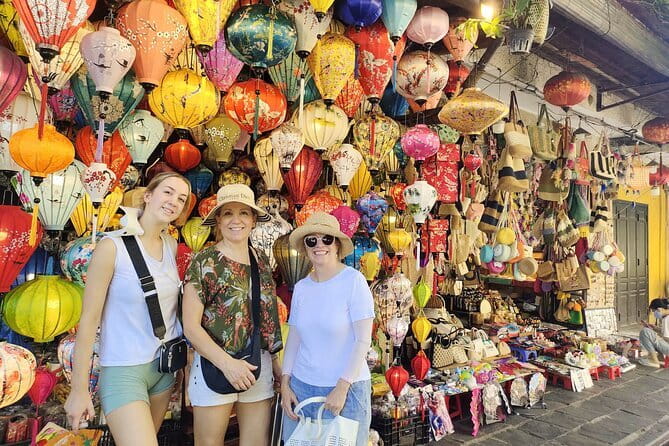
Then it’s down to Hoi An. You visit My Son Sanctuary first, another UNESCO stop, and then you move into Hoi An Ancient Town for an afternoon walking tour. The itinerary includes time at a Colorful Local Market as part of that visit.
Day 13 gives you a full 8 hours of free time in Hoi An. That’s the right kind of freedom because Hoi An is made for slow walking—tailors, lantern streets, coffee breaks, and just watching how people use the town.
If there’s a drawback here, it’s that central Vietnam can stack travel days back-to-back. The schedule is busy, but it’s also well-chosen. You’re not wasting time on low-impact stops.
Ba Na Hills and Da Nang beach time: a big attraction with room to breathe
Not every Vietnam highlights trip includes one of the region’s entertainment-style day trips, but this one does it through Sun World Ba Na Hills. You take the 35-kilometer journey to Ba Na and ride a cable car. The itinerary notes five world records for the cable car ride.
After the excursion, the schedule adds Fantasy Park time in Hoi An as part of the later day plan. The itinerary positions it as the third-largest indoor games zone in Vietnam, which hints at what you’ll get: a temperature-controlled, activity-based break from sightseeing.
On top of that, Da Nang has real free time. You can use it for My Khe Beach for a swim or a walk, then wander around Han Market. This is where you’ll be glad you aren’t constantly getting dropped off for another guided stop. You’ll likely want to use this time for laundry, rest, and just plain recovery.
Nha Trang: the best kind of downtime, with optional water activities

Nha Trang is handled with a lighter-touch approach than earlier regions. You fly in, check into your hotel, and then the rest of the day is leisure. Day 16 keeps it that way: it explicitly lists options like snorkeling or diving among coral reefs, hiking nature trails, using a private plunge pool, spa treatments, or simply relaxing.
Even if you don’t do the water activities, you’ll still benefit from having time to slow down. After Sapa and the UNESCO-heavy central section, your body will appreciate the less-structured days.
Then the itinerary transfers you again. Day 17 remains leisure until you fly to Ho Chi Minh City for the next phase.
Ho Chi Minh City, Cu Chi tunnels, and the Mekong Delta with Cai Rang at 6:30am

In Ho Chi Minh City, the tour adds context without dragging out the day. You start with pickup and a city tour that includes Independence Palace (Reunification Palace) and the War Remnants Museum. The schedule then takes you to Cu Chi Tunnels, departing around 1.5 hours through the countryside and spending about two hours exploring the tunnel network described as wartime shelter for Vietnamese soldiers.
This is a stop with emotional weight. The value here is that it’s not just a long drive and a quick photo; you get a real block of time at the site itself, and it’s placed in the itinerary after you’ve already seen Vietnam’s historical layers elsewhere.
Then it’s on to the Mekong Delta. Day 19 starts at 8:00am with an exploration that includes My Tho and a boat journey along the Mekong River, then moves you toward Ben Tre and onward to Can Tho for your accommodation.
Day 20 is timed for early birds: Cai Rang Floating Market around 6:30am. The itinerary describes it as a wholesale market of fruit and vegetables at its busiest time, with cruising through small channels. That morning timing is the difference between seeing the market and seeing empty water roads.
If you’re sensitive to early wake-ups, this portion can feel intense. But it’s also the most “you’re really here” part of the Mekong in the schedule.
Price and value: how $2,498 turns into real logistics help
At $2,498 per person for 21 days, the headline price looks big until you map what’s included. Your bundle includes domestic flight tickets, air-conditioned vehicles, accommodation in a private room, all entrance fees for the sightseeing included, a tour guide, plus a lot of meals: breakfast (19), lunch (14), and dinner (3).
That mix matters because it reduces the two biggest budget leaks on a first trip: transport planning and entrance-cost math. You’re also buying the ability to move across regions without spending days solving schedules.
What’s not included is also clear: tips, alcoholic drinks, soft drinks, and personal expenses. The practical lesson: budget a little extra for everyday extras you’ll want, especially drinks and snacks between stops.
Group size, pickup timing, and what to do with your own energy
The tour caps the group at maximum 12 travelers, which helps with flow. It also lists pickup offered and a start time of 7:00am (meeting point). That suggests you should treat mornings as a non-negotiable part of the day.
You’ll likely want to plan for:
- Comfortable walking shoes for city days and at least one major stair climb at Mua Cave
- A simple day bag for water and layers
- Early nights when possible, because the itinerary includes multiple early departures
The other practical win is 24/7 support noted in reviews, with staff names such as Tran and Hang. I can’t guarantee who you’ll contact on your exact dates, but the pattern suggests the operator’s team keeps communication active when you’re on the road.
Should you book this 21-day Vietnam highlights tour?
Book it if you want a first-timer-friendly route that covers Vietnam north to south with minimal logistics stress. This is a good choice if you like guided context—UNESCO stops, museum learning, and historical sites—plus a few built-in leisure blocks in Da Nang and Nha Trang.
Think twice if you’re chasing a slow, independent vibe. The schedule is packed, you’ll have early starts, and at least one activity asks a lot physically. It’s not extreme by adventure-tour standards, but it’s enough to matter.
If you want to see a lot, move efficiently, and keep comfort high with private-room stays and guided transfers, this tour fits. If you’d rather linger longer in fewer places, you may prefer a shorter route.
FAQ
How much does this 21-day Vietnam tour cost?
The price is $2,498.00 per person.
How long is the tour?
It runs for 21 days (approx.).
Where does the tour start?
It starts in Hanoi, with pickup coordinated after your arrival at Noi Bai International Airport and a meeting start time of 7:00am.
Does the tour include domestic flights?
Yes. Domestic flight tickets are included.
Is accommodation included, and what type is it?
Accommodation is included, and it’s listed as a private room.
Are entrance fees included for the sightseeing stops?
Yes. All entrance fees for included sightseeing destinations are listed as included.
What meals are included?
Breakfast is included for 19 days, lunch for 14 days, and dinner for 3 days. Tips and personal expenses are not included.
Can the tour provide vegetarian meals?
Yes. Vegetarian meals can be provided.
What is the group size limit?
The tour lists a maximum of 12 travelers.
What happens if weather is poor for the experience?
The tour/activity requires good weather. If it’s canceled due to poor weather, you’ll be offered a different date or a full refund. Free cancellation is also listed if you cancel at least 24 hours in advance for a full refund.