REVIEW · SAPA TREKKING TOURS
Sapa 3D2N Homestay and Hotel Experience by Limousine Bus
Book on Viator →Operated by Mountain Light Travel · Bookable on Viator
Sapa gets personal fast on this 3-day trek. You’ll start with a modern sleeping bus from Hanoi, then spend your days walking through rice terraces around Muong Hoa Valley with guided stops in ethnic villages, plus a homestay night in Ta Van. I also love how guides like Phinh (and others such as Thao Thi) are praised for being kind, organized, and tuned into what you want to see.
One thing to consider: this isn’t a sit-and-stroll tour. You’ll do real walking—about 6 km on day two and 8 km on day three—so you’ll want moderate fitness and shoes that won’t complain.
In This Review
- Key Points Before You Go
- A Smooth Start: Hanoi to Sapa by Modern Sleeping Bus
- Entering Sapa Town Day One: Costumes, Lunch, and a Real Hotel Bed
- Day Two Trek Rhythm: Muong Hoa Valley, Y Linh Ho, and Lao Chai
- Y Linh Ho to Lao Chai: Why Short Village Stops Still Feel Real
- Ta Van Homestay Night: The Part That Changes the Mood
- Day Three Giang Ta Chai Walk: Red Dao Village Time
- Meals and Admissions: What’s Included (and Why It Matters)
- Price and Value: Is $98 a Good Deal?
- Who This Sapa Tour Fits Best
- Should You Book This Sapa 3D2N Tour?
- FAQ
- What is included in the tour price?
- What is not included?
- What time does the tour start?
- Is pickup available?
- How much walking is involved?
- What fitness level do I need?
- Can I cancel for free?
Key Points Before You Go

- Hanoi–Sapa on a modern sleeping limousine bus: you save time and keep the trip moving.
- 3 hotel in Sapa town + homestay in Ta Van: two different beds, two different rhythms.
- Muong Hoa Valley trek (about 6 km): a practical intro to the mountain countryside.
- Village visits focused on everyday life: Y Linh Ho and Lao Chai with Black H’mong culture, plus Red Dao at Giang Ta Chai.
- English-speaking guide: organization and explanations make the walks feel meaningful.
- Group size capped at 50: less chaos, more room to breathe.
A Smooth Start: Hanoi to Sapa by Modern Sleeping Bus
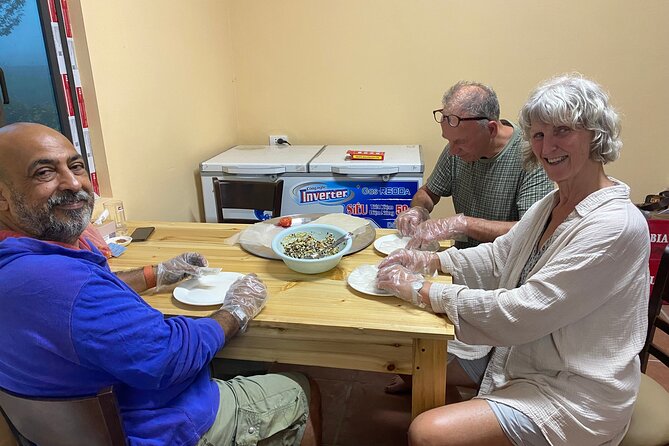
The big win here is how transportation is handled. You’re not stitching together buses, waiting around, or guessing routes. The tour includes a sleeping bus ticket for the full Hanoi–Sapa–Hanoi stretch, and the bus is described as having modern facilities.
Pickup is also offered, and the start time is early (6:00 am). That matters because Sapa days are short in daylight terms—early departure helps you actually use the day for walking and village time instead of arriving late and scrambling.
If you’re coming from Hanoi, this “move-first” approach is especially good for people who don’t want to plan logistics on top of trekking.
You can also read our reviews of more tours and experiences in Hanoi


Entering Sapa Town Day One: Costumes, Lunch, and a Real Hotel Bed
Day one starts with arrival in Sapa town. You get time to look at the traditional costumes worn by H’mong, Dzao, and Tay ethnic people. It’s not just for photos; it’s a quick orientation to the region’s cultural mix before you head into the villages.
Then you’ll have lunch with local Vietnamese dishes. That’s a small detail, but it’s a big convenience. In places like Sapa, it’s easy to spend energy hunting for food options that actually fit your schedule.
After lunch, you check into a 3 hotel in Sapa town for one night (shared room: 2 people per room). For a trek trip, a proper hotel bed is a smart reset. You’ll be glad you have a more predictable setup before the walking begins.
One note: there’s an admission ticket listed as free for day one’s main stop, but the itinerary doesn’t spell out exactly what site that refers to. Still, the value day one isn’t about big-ticket attractions—it’s about getting oriented, eating well, and being ready for day two.
Day Two Trek Rhythm: Muong Hoa Valley, Y Linh Ho, and Lao Chai

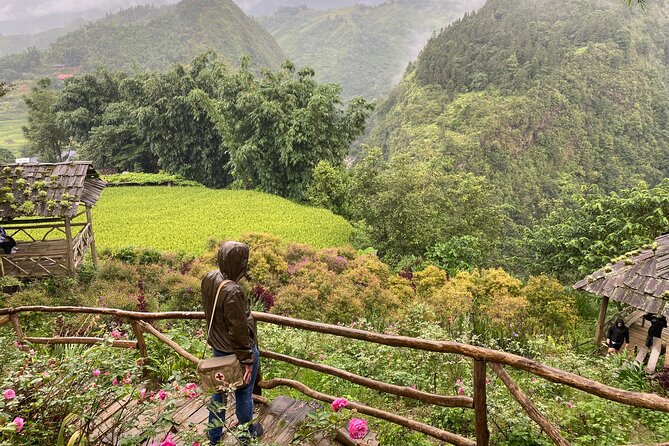
Day two is where the tour turns into the kind of Sapa experience you remember. You start with a trek about 6 km along the slopes of Muong Hoa Valley, planned for around 2 hours.
This distance is “active,” not extreme. You’re not signing up for a marathon, but you should expect uneven footing and a pace that slows down for scenery and stops. You’ll also want good shoes with grip, especially if the weather is damp.
Next come the village visits:
- Y Linh Ho (about 1 hour): described as a peaceful village surrounded by rice terraces, home to the Black H’mong community. It’s a short stop, but it’s long enough to see daily life and get a sense of how people live with the valley’s rhythms.
- Lao Chai (about 2 hours): another Black H’mong village visit, with time to learn about traditional clothing and daily farming activities, plus panoramic views of Hoang Lien Son.
These stops work well because they’re spaced. You get time in walking mode, then you slow down for conversations and observation. With an English-speaking tour guide, you’re less likely to feel like you’re just passing through people’s homes.
A practical tip: on day two, keep your expectations realistic. Even with a guide, village visits move at a human pace. If you treat it like a checklist, you’ll miss what makes it worthwhile.
Y Linh Ho to Lao Chai: Why Short Village Stops Still Feel Real
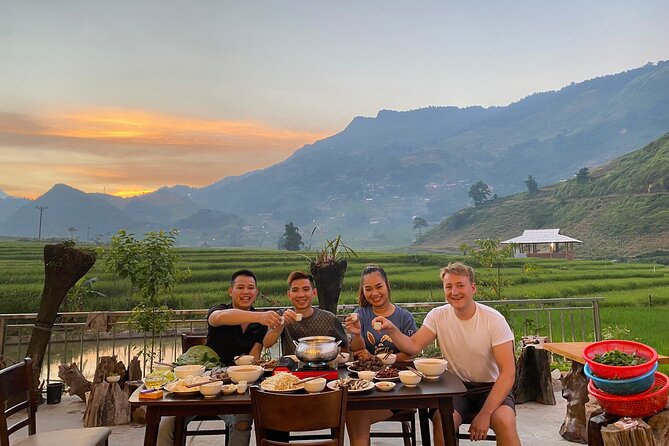
Some tours throw in too many villages and turn the day into a blur. Here, the timing is more forgiving. Y Linh Ho is only about an hour, and Lao Chai is about two hours—so you’re not constantly switching contexts.
What I like about this structure is that it encourages you to look harder at what’s in front of you. At Y Linh Ho, rice terraces and the surrounding setting help you understand why farming here matters. At Lao Chai, the longer time gives you room to notice patterns in traditional clothing and day-to-day tasks.
You’ll also appreciate the guide’s role. In the high-praise feedback, guides such as Phinh are singled out for being attentive and making the trip feel organized without being stiff. When you can ask questions and get clear answers, the village visits become more than scenery.
Ta Van Homestay Night: The Part That Changes the Mood
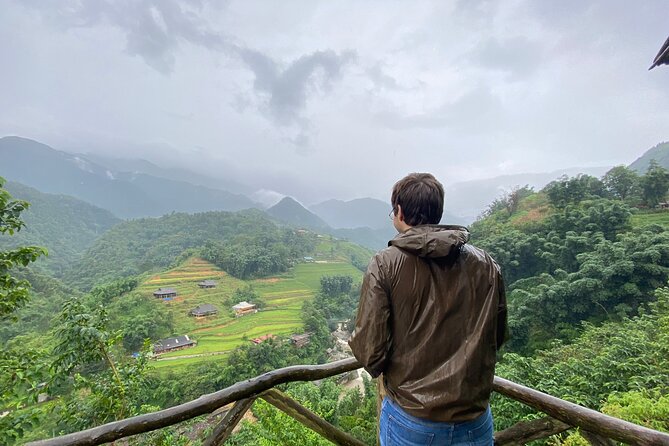
The overnight is in a homestay in Ta Van village for one night. This is the “character” portion of the trip. A homestay isn’t just a place to sleep—it’s how you slow down and experience the region after the trekking ends.
You’re staying in a shared setup, because the tour notes that private rooms at the homestay aren’t included. That’s worth factoring in. If you’re the type who needs quiet and privacy, you may want to budget for upgrades or adjust expectations.
But if you’re open to a more communal experience, the homestay night is where the trip usually becomes memorable. You get a different feel from Sapa town’s hotel routine. Meals are included too (dinner is listed as included), which reduces the chance you’ll end up eating on your own time schedule after a long day.





Day Three Giang Ta Chai Walk: Red Dao Village Time
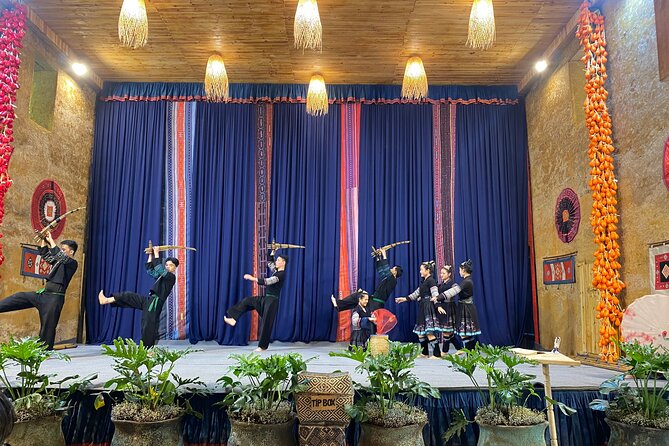
Day three centers on Giang Ta Chai Village, with a planned walk of about 8 km, lasting around 3 hours.
That’s the longest walking block on the itinerary, so treat it like the “main event” rather than an extra add-on. If you’ve been pushing pace on day two, you’ll want to conserve energy here: steady pace beats speed, and you’ll feel better at the end.
Giang Ta Chai is associated with the Red Dao community, and it’s described as one of the more attractive places for travelers who want to experience the area. As always, with any ethnic village visit, what makes it valuable is not just seeing the setting—it’s how the guide helps you connect what you’re seeing to daily practice, clothing, and work routines.
Also, remember you’re heading toward the final day of the tour. That gives the homestay experience time to settle in before you wrap with the return bus.
Meals and Admissions: What’s Included (and Why It Matters)
This tour includes a lot that would cost time and money if you planned it yourself:
- 1 night at a 3 hotel in Sapa town (shared room for 2)
- 1 night at a homestay in Ta Van village
- Sleeping bus ticket Hanoi–Sapa–Hanoi
- English-speaking tour guide
- Entrance tickets listed in the itinerary
- Breakfast (2), Lunch (3), and Dinner (1)
The meal pattern is practical for a trek schedule. You don’t have to hunt down food between walking sections, and you’re less likely to lose time to restaurant timing.
One more detail to watch: the tour notes that beverages aren’t included. That means you should plan to buy water and other drinks separately during the day.
Price and Value: Is $98 a Good Deal?
At $98 per person, the value here is mainly about bundling. For this price, you’re getting:
- transport (Hanoi–Sapa–Hanoi by sleeping bus),
- two nights of lodging in two different styles,
- a guided trek and village visits,
- meals (breakfast twice, lunch three times, dinner once),
- and the entrance tickets stated in the itinerary.
That’s not cheap, but it’s also not just paying for views. You’re paying for comfort where it counts (bus, lodging) and structure where you need it (guide, route planning, tickets).
What’s not included matters too:
- government tax (listed as not included),
- beverages,
- single supplement,
- tips,
- and private rooms at the homestay.
So the real question is fit. If you’re fine sharing rooms and eating within the included meal plan, this is a solid value. If you want a private homestay room and solo accommodations, the final price can climb.
Also, the group size is capped at 50 travelers. For a trek, that’s a reasonable limit. You won’t feel like you’re in a commuter train, but you should still expect some waiting at stops.
Who This Sapa Tour Fits Best
This works best if you want:
- a guided walk through Muong Hoa Valley,
- village time with Black H’mong and Red Dao communities,
- and an overnight that goes beyond a hotel bed.
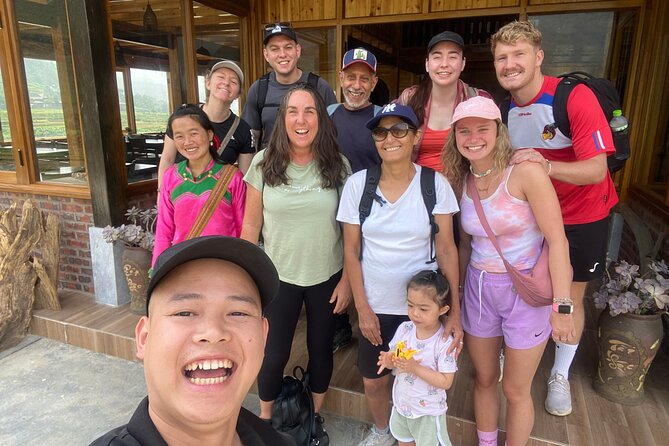
You’ll likely enjoy it if you like your days structured and your questions answered. In the best feedback, guides such as Phinh and Thao Thi are praised for being friendly, funny, and attentive, which is exactly what helps a trek feel personal rather than rushed.
You may want to think twice if you:
- dislike walking distances (day two ~6 km, day three ~8 km),
- need a private room at the homestay (not included),
- or get cranky about shared accommodations after long trekking days.
Should You Book This Sapa 3D2N Tour?
I’d book it if you want a practical, guided Sapa experience that mixes walking, village visits, and two types of lodging at a price that bundles most of the “hard work” for you. The included meals and the sleeping bus plan make it smoother than trying to assemble everything on your own.
I’d hesitate if you’re hoping for a light schedule or you need private accommodations at the homestay. For most people, though, the blend of Muong Hoa Valley trekking and Ta Van overnight is the sweet spot—especially with guides who make the whole thing feel organized and human.
FAQ
What is included in the tour price?
The tour includes a sleeping bus ticket Hanoi–Sapa–Hanoi, 1 night in a 3 hotel in Sapa town, 1 night in a homestay in Ta Van village, meals (breakfast 2 times, lunch 3 times, dinner 1 time), all entrance tickets listed in the itinerary, and an English-speaking tour guide.
What is not included?
Not included items are government tax, beverages, single supplement, tips, and private rooms at the homestay.
What time does the tour start?
The start time is listed as 6:00 am.
Is pickup available?
Yes, pickup is offered.
How much walking is involved?
Day two includes a trek of about 6 km. Day three includes a walk of about 8 km to visit Giang Ta Chai village.
What fitness level do I need?
The tour asks for travelers with a moderate physical fitness level.
Can I cancel for free?
Yes. You can cancel up to 24 hours in advance for a full refund. If you cancel less than 24 hours before the start time, the amount paid is not refunded.