REVIEW · CITY TOURS
Highlight Hanoi city tour with train street.
Book on GetYourGuide →Operated by VIETNAM TOP TRAVEL CO.,LTD · Bookable on GetYourGuide
Hanoi can feel big on day one, so this route is a smart way to get your bearings fast. I like how it stacks major landmarks in a single day, including Ho Chi Minh Mausoleum and the One Pillar Pagoda, and I’m especially a fan of the train-track slice of local life at Hanoi Train Street. The one real drawback to keep in mind: you’ll spend time in city traffic between stops, so the day can feel like a careful schedule more than a slow wander.
You also get a tour built for first-timers: West Lake and Tran Quoc Pagoda help you slow down, then the afternoon turns more into everyday Hanoi with a museum, Dong Xuan Market, and the Saint Joseph Cathedral area. The trip is private, with hotel pickup options across many districts, and the value is in the mix of entrances, transfers, and an English-speaking guide.
In This Review
- Key Highlights You Should Expect From This Tour
- How This Private Hanoi Day Works (And Why It Fits First-Timers)
- Ho Chi Minh Mausoleum and One Pillar Pagoda: Morning Power Hits
- Tran Quoc Pagoda and West Lake: A Calmer Break in the Middle
- Museum of Ethnology (or Hoa Lo Prison): Pick the Afternoon Mood
- Dong Xuan Market and Saint Joseph Cathedral Area: Everyday Hanoi With a Safety Net
- Hanoi Train Street: What Makes It Different (And How to Handle It)
- Food, Entrances, and What the $51 Price Really Buys
- Logistics That Affect Your Comfort: Pickup Radius, Timing, and Traffic
- Who This Tour Fits Best (And Who Might Prefer Something Else)
- Should You Book This Hanoi Tour?
- FAQ
- How long is the Hanoi city tour with Train Street?
- Is the tour private?
- Where can I get picked up?
- What stops are included?
- What happens if the Museum of Ethnology is closed?
- When can I visit Ho Chi Minh Mausoleum?
- Is lunch included?
- What should I wear?
- Can I cancel for free?
Key Highlights You Should Expect From This Tour
- Ho Chi Minh Mausoleum area and the One Pillar Pagoda in the same morning flow, with clear temple etiquette rules
- West Lake and Tran Quoc Pagoda, tying together Hanoi’s calm lakeside scene with a major religious site
- Museum of Ethnology or Hoa Lo Prison as your cultural stop, with a swap depending on the day
- Dong Xuan Market with time for fabrics, handicrafts, street snacks, and wholesale-style shopping
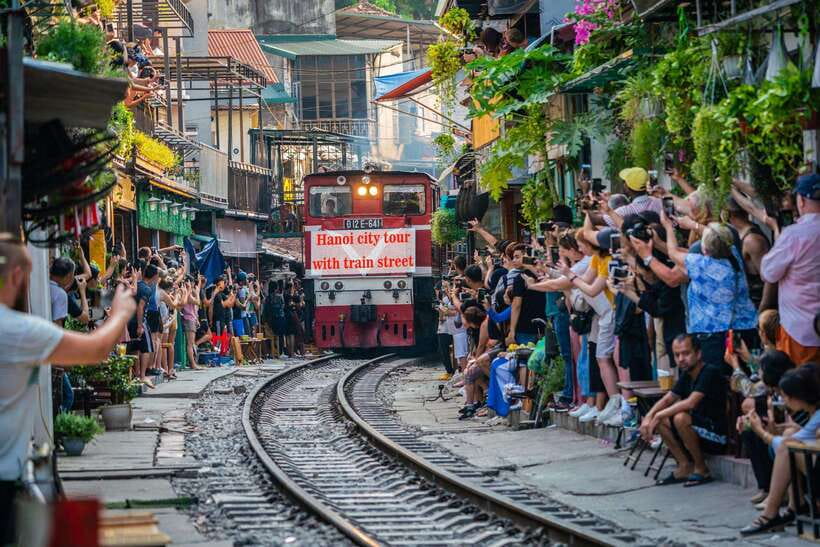
- Hanoi Train Street, where shops and homes sit right beside active railway lines
How This Private Hanoi Day Works (And Why It Fits First-Timers)
This is a private group tour, which matters in Hanoi. You’re not squeezed into a big bus crowd. Instead, you get an English-speaking guide plus private transfers by mini car or bus (depending on group size), with pick-up and drop-off options spread across a lot of districts. That makes it much easier to start from your hotel rather than planning a maze of taxis.
The tour runs 4 to 8 hours, and you choose your timing by checking availability. In practice, the day is built around a moving schedule: morning cultural icons, then a museum or prison-style history stop, then market and cathedral area, and finally Hanoi Train Street. If you’re hoping for lots of free time to roam, just know the structure is doing the heavy lifting.
Also, the tour includes a bottle of mineral water in the vehicle per person, which sounds small until you’re in mid-day sun.
You can also read our reviews of more city tours in Hanoi

Ho Chi Minh Mausoleum and One Pillar Pagoda: Morning Power Hits
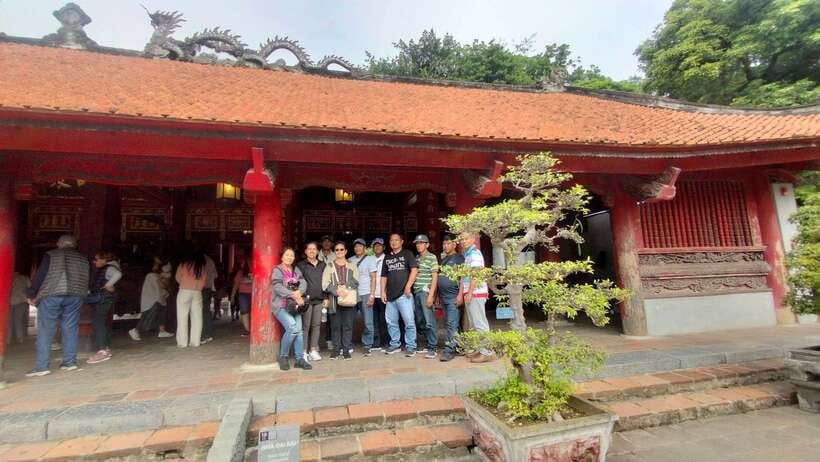
The morning starts with hotel pickup (you should be ready about 10 minutes before start time in the lobby). From there, the first big stop is the Ho Chi Minh Mausoleum area at Ba Dinh Square. This is the final resting place of Ho Chi Minh, with his body preserved in a glass case. Even if you’re not a history superfan, it’s one of those places that anchors Hanoi in modern Vietnam.
A practical note that affects your experience: the mausoleum is open in the morning, but it is closed on Monday and Friday. It’s also closed in summer from June 15 to August 15. On those dates, you still get the chance to visit the garden and front area in the afternoon time rather than going inside.
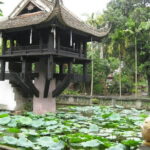
Next comes the One Pillar Pagoda, famously linked to a dream story. The pagoda is built to resemble a lotus flower, and that lotus symbolism is central to the Buddhist idea of enlightenment. What I like about pairing this with the mausoleum morning is contrast: one is political Vietnam’s center, the other is spiritual Vietnam’s symbol—both in a compact time window.
One more rule to keep your day smooth: wear long pants and avoid short skirts or sleeveless shirts. The same clothing standard also applies later at temples and the mausoleum area.
Tran Quoc Pagoda and West Lake: A Calmer Break in the Middle
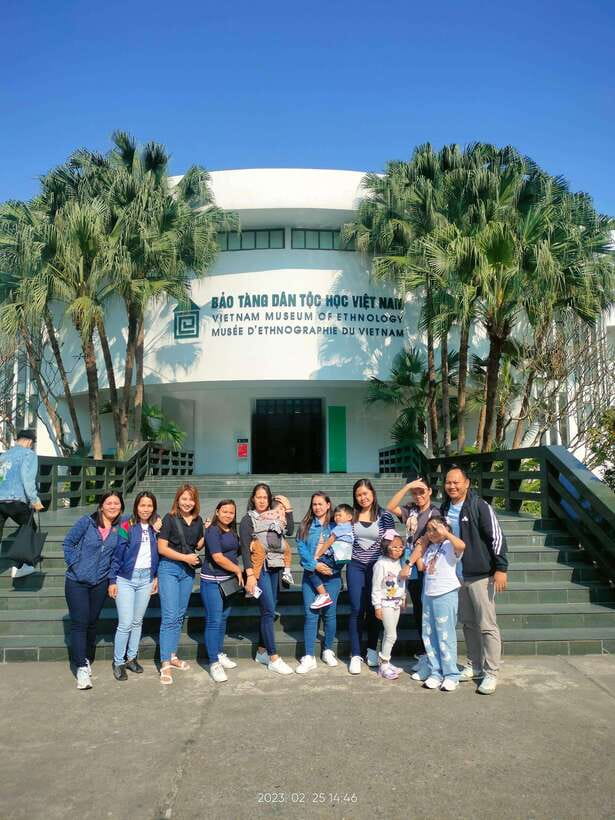
After the morning’s official sights, you shift to West Lake and Tran Quoc Pagoda. Tran Quoc Pagoda is described as the oldest pagoda in Hanoi, built in the 6th century, and West Lake is the biggest lake in the city. Together, they make sense for your pacing: you get a major landmark, then a view-and-breathe moment.
This stop is also where your photos improve. Even if you’re not chasing Instagram shots, West Lake gives you space after the formality of Ba Dinh. It’s also a useful pause if your legs need a break before the museum and market stretch.
The tour includes entry to Tran Quoc Pagoda and entry to West Lake, so you’re not stuck figuring out tickets on your own.
Museum of Ethnology (or Hoa Lo Prison): Pick the Afternoon Mood
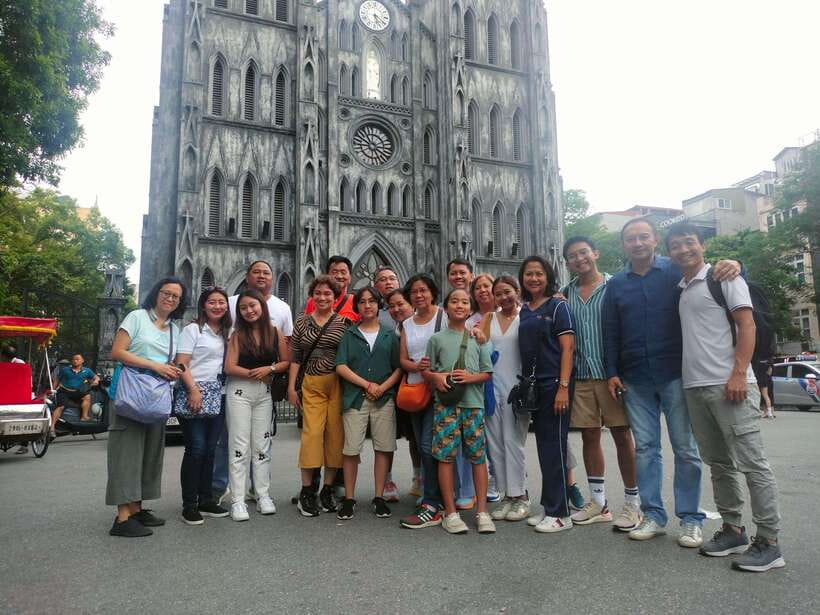
The afternoon cultural stop is the Museum of Ethnology, with an important twist: it is closed on Monday. When the museum is closed, the plan swaps to Hoa Lo Prison (Hanoi Hilton) instead.
This is a smart design for travelers because it prevents a frustrating dead-end. Museum of Ethnology is focused on the culture of Vietnam’s 54 ethnic groups, which is a great angle if you want your Hanoi day to connect beyond the city streets. Hoa Lo Prison is heavier and more historical in tone, so the swap gives you a different kind of context without changing the overall flow.
The tour guides handle the switch, so you can focus on the experience rather than reorganizing plans yourself. Just plan your timing accordingly since schedules can shift depending on weather and operating conditions.
Dong Xuan Market and Saint Joseph Cathedral Area: Everyday Hanoi With a Safety Net
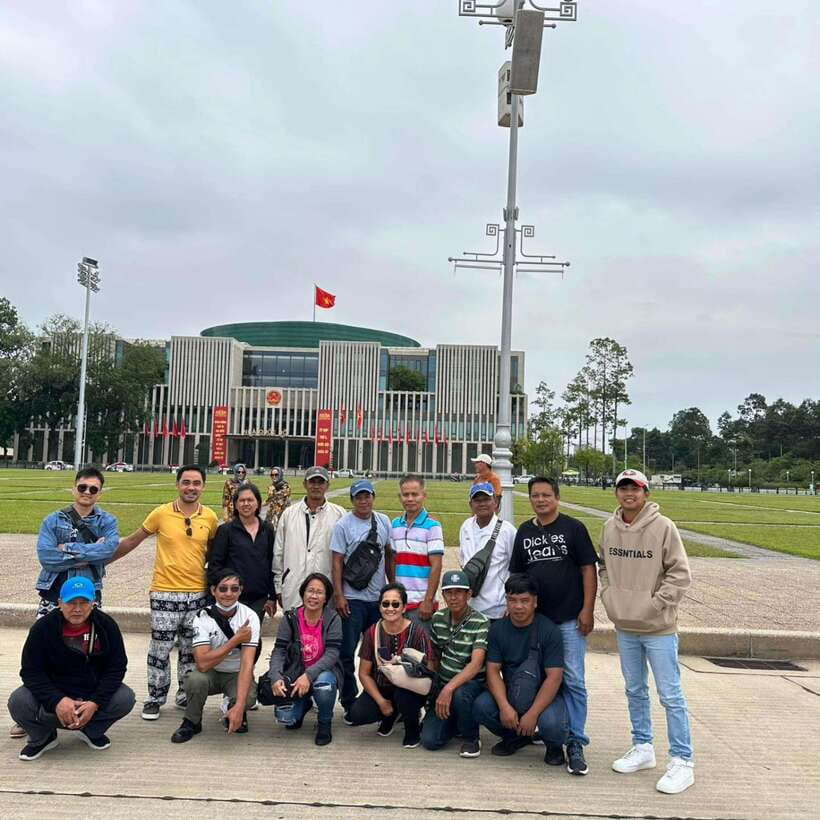
After the museum/prison stop, the day becomes more hands-on with Dong Xuan Market. This is described as Hanoi’s largest wholesale market, built in 1889. It’s also a long-time tourist attraction, which matters because the area is active and busy—but you’re doing it with a guide who can help you navigate what you’re seeing.
At Dong Xuan, you can expect a wide range of goods: fabric, clothing, local handicrafts, souvenirs, and street foods. I like this stop for a simple reason: it’s one of the few ways to understand how Hanoi trades day to day, not just how it looks in postcards. If you want to buy small gifts or snacks, this is the most practical part of the itinerary.
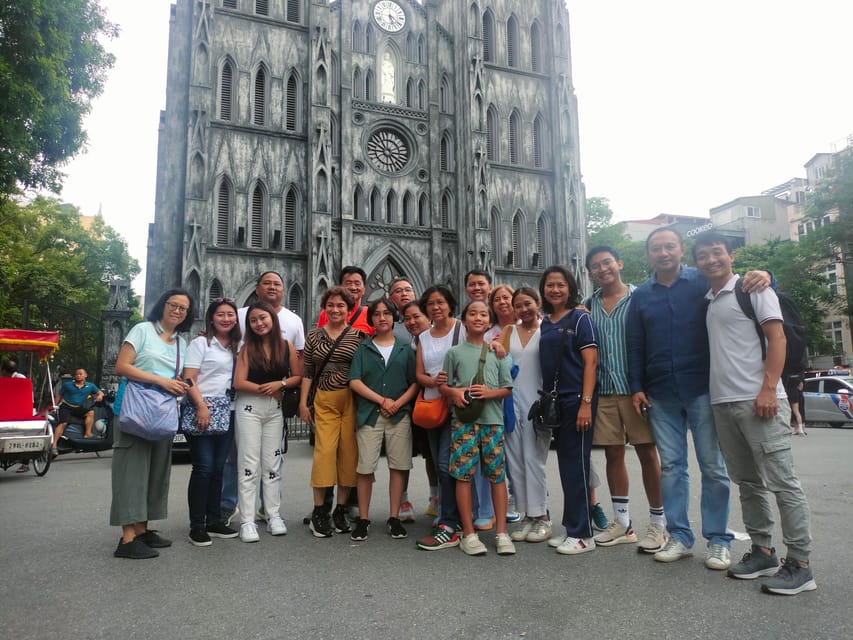
Then there’s Saint Joseph Cathedral at 40 Nha Chung Street. It’s a Roman Catholic cathedral with a neo-gothic style, built about 120 years ago. Construction is described as starting after the French army conquered Hanoi in 1882, and the cathedral was completed in 1886. The area ties back to older religious land as well, since it was built on land that formerly belonged to Bao Thien pagoda under the Ly dynasty.
You’ll likely spend this segment as a photo-walk and a chance to see architecture up close, not as a long museum visit.



Hanoi Train Street: What Makes It Different (And How to Handle It)
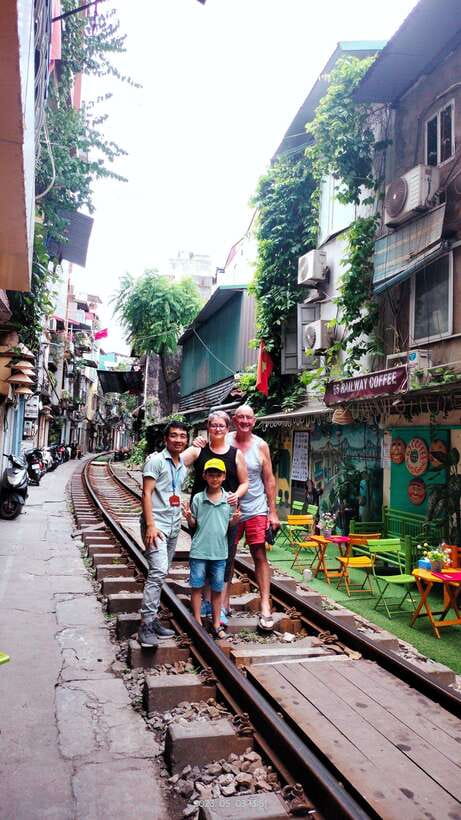
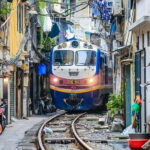
The final highlight is Hanoi Train Street, one of the tour’s best reasons to book. Here, you’re not looking at train tracks from a distance. The description is literal: real railway lines run through the area, and homes and businesses open right onto those tracks.
This is one of those experiences where you need your brain on. It’s fascinating, but it’s also a working street with train activity, so keep your movements calm and your attention on the guide. The tour includes entry to Train Street, which is helpful because it frames the visit as part of the day rather than an awkward search for the right spot.
What I appreciate about seeing it at the end of a structured day is timing. You’ve already handled pagodas and museums, so Train Street becomes the human-scale payoff: Hanoi life, tightly squeezed around the rhythm of trains.
After Train Street, the guide and driver drop you off at the same pickup place, and your tour wraps up.
Food, Entrances, and What the $51 Price Really Buys
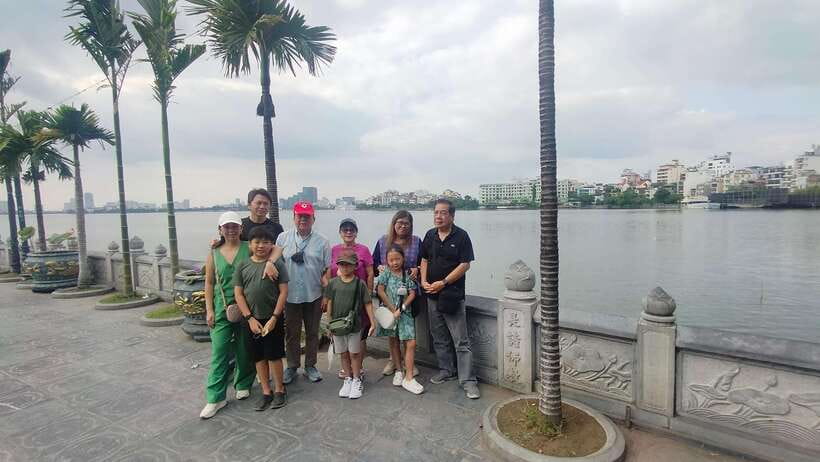
At $51 per person, the value is strongest because the price bundles a lot of real costs:
- an English-speaking guide (with other languages available on request)
- private transfers (mini car or bus)
- bottled water in the car
- multiple paid entries, including Tran Quoc Pagoda, West Lake, Ho Chi Minh mausoleum area access, One Pillar Pagoda, Dong Xuan Market, and Train Street
- entry to the Museum of Ethnology (and the full-day option includes a light meal)
There’s also a light meal option depending on which format you choose. The full-day option includes either beef/chicken noodle soup or Bun Cha. If you’re hungry later in the day, that meal inclusion helps. If you prefer to skip the included meal, you can still order drinks separately, since drinks aren’t included.
For comparison, if you tried to self-book this many stops in Hanoi, you’d likely spend time and money on transit and tickets, plus you’d lose the guide’s help with timing and rules.
So, I’d call this a good value if you want a structured day with minimal planning stress. If you already know Hanoi well and prefer slow wandering, then it might feel a bit scheduled.
Logistics That Affect Your Comfort: Pickup Radius, Timing, and Traffic
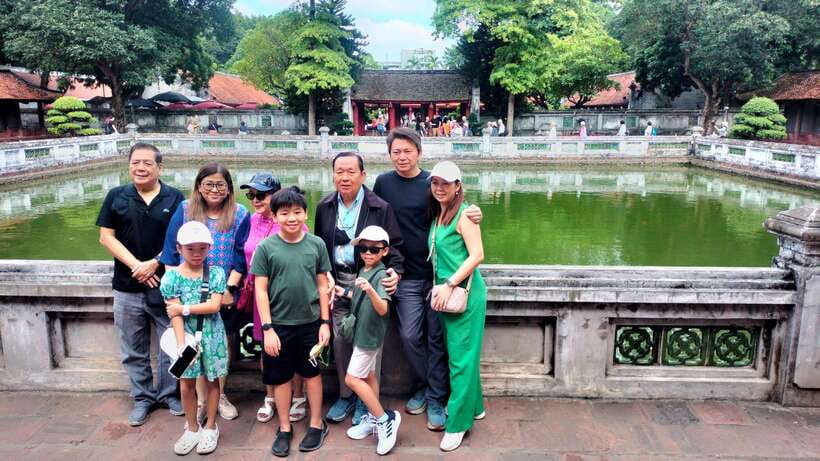
You get pickup options across a wide set of districts—things like Hoàn Kiếm, Ba Đình, Tây Hồ, Cầu Giấy, Đống Đa, Hà Đông, Long Biên, and more. Drop-off options line up in nearby districts too. This is a practical feature: fewer detours, less time commuting from far away.
That said, the day still has a real city reality: you should be ready to sit in traffic between stops. One piece of feedback that lines up with how Hanoi works is that you will spend time on the road.
Plan for that by bringing what you can actually use:
- sun hat
- sunscreen
- drinks
- long-sleeved shirt
- long pants
The clothing rules are strict at temples and the mausoleum area. Short skirts and sleeveless shirts are not allowed, so don’t wing it with summer outfits.
Who This Tour Fits Best (And Who Might Prefer Something Else)
This tour is a strong fit if:
- you’re in Hanoi for a short time and want a first-day orientation
- you like mixing big landmarks (Ho Chi Minh sites, One Pillar Pagoda) with local life (Dong Xuan Market, Train Street)
- you want a private guide to handle timing, entry rules, and the Monday museum swap
It might be less ideal if:
- you dislike time in the car and prefer long, independent walks
- you want a fully flexible itinerary with minimal structure
Guides also make a difference here. In the feedback that names guides like Hien and Hin, the theme is clear English and making people comfortable. That’s exactly what you want when your day includes places with rules about clothing and access.
Should You Book This Hanoi Tour?
I’d book it if you want your first Hanoi day to cover the essentials without turning into a transportation puzzle. You get a smart mix: political Vietnam (Ba Dinh), spiritual Vietnam (One Pillar and Tran Quoc), cultural learning (Ethnology or Hoa Lo Prison), shopping and street life (Dong Xuan and the cathedral area), and then the distinctive punch of Hanoi Train Street.
Book with a couple expectations set:
- You’ll move through the city in scheduled chunks.
- Traffic is part of the deal.
- You must dress correctly for temples and the mausoleum area.
If that sounds like your style, this is a solid way to see a lot, learn fast, and still finish with something truly Hanoi-specific.
FAQ
How long is the Hanoi city tour with Train Street?
The duration is 4 to 8 hours, depending on the option you choose. You’ll want to check availability to see the starting times.
Is the tour private?
Yes. It’s listed as a private group tour.
Where can I get picked up?
Pickup is available from many districts in Hanoi, including places like Hoàn Kiếm, Ba Đình, Tây Hồ, Cầu Giấy, Đống Đa, Hà Đông, Long Biên, Nam Từ Liêm, Hoàng Mai, and more.
What stops are included?
The included sights cover Ho Chi Minh Mausoleum access, One Pillar Pagoda, Tran Quoc Pagoda, West Lake, Dong Xuan Market, Train Street, and Saint Joseph Cathedral area is part of the route. The museum stop includes Museum of Ethnology (full-day option) or Hoa Lo Prison when the museum is closed.
What happens if the Museum of Ethnology is closed?
The Museum of Ethnology is closed on Monday. In that case, the plan changes to visit Hoa Lo Prison (Hanoi Hilton).
When can I visit Ho Chi Minh Mausoleum?
It is open in the morning, except on Monday and Friday. It also has a summer closure from June 15 to August 15, during which you visit the garden and front area at a different time.
Is lunch included?
Lunch is included only with the full-day option. It includes a light meal such as beef or chicken noodle soup or Bun Cha. Drinks are not included.
What should I wear?
You should bring long pants and a long-sleeved shirt, plus a sun hat and sunscreen. Short skirts and sleeveless shirts are not allowed at temples and at the Ho Chi Minh Mausoleum area.
Can I cancel for free?
Yes. There is free cancellation up to 24 hours in advance for a full refund.
You Might Also Enjoy


More City Tours in Hanoi



More Tours in Hanoi
- Ninh Binh Full-Day Tour from Hanoi to Hoa Lu, Tam Coc & Mua Cave Via Boat & Bike
★ 5.0 · 4,384 reviews