REVIEW · SAPA TREKKING TOURS
Hanoi – Sapa 2 Days 1 Night Overnight At Local Homestay
Book on Viator →Operated by Travel New Land · Bookable on Viator
Sapa feels close, even after one night. This 2-day/1-night run mixes guided village trekking through the Muong Hoa valley and a real overnight in a Ta Van homestay. I especially like the way the itinerary groups classic Sapa viewpoints (terraces, mountain backdrops, valley streams) with smaller village stops like Y Linh Ho and Lao Chai. The second thing I like is how practical it is: most costs are handled up front, so you’re not constantly wondering what you’ll need to pay later.
One watch-out: logistics are pretty time-dependent, and the big Hanoi–Sapa bus can’t always pull right up to Old Quarter hotels. In at least one case, the tour explained that a small transfer car is used first, and homestay room setup may not match every family preference (for example, bedding arrangements). If you’re picky about timing or room layout, confirm pickup details early and be ready to be flexible.
In This Review
- Key things to know before you go
- Why this Hanoi to Sapa trek feels more local than basic tours
- The transport plan (and where timing can surprise you)
- Day 1 in Sapa: check-in at Sapa Retreat Condotel (even if you don’t sleep there)
- The Day 1 village trek: Y Linh Ho, Lao Chai, and Ta Van
- Y Linh Ho (afternoon start)
- Lao Chai (terraces and Black H’Mong community)
- Ta Van (arrival for the homestay night)
- The homestay night in Ta Van: stilt-house charm with modern comfort
- Day 2 trekking: Giang Ta Chai and Su Pan, then back toward Sapa
- Lunch in Supan
- Bus back to Sapa town
- Sapa free time on Day 2: stone church and the market
- Price and what you truly get for $95
- Who this tour suits best (and who should think twice)
- Should you book this Hanoi to Sapa 2-day homestay tour?
- FAQ
- How much does the Hanoi to Sapa 2 days 1 night homestay tour cost?
- How long is the tour, and do you spend one night in Sapa?
- What meals are included during the tour?
- Is a cooking class part of this experience?
- Where do you stay overnight?
- How many people are in a group?
- What transportation is included between Hanoi and Sapa?
- Do you have free time to explore Sapa on Day 2?
- Are drinks included with meals?
Key things to know before you go
- Small-group limit (max 10 travelers) helps keep the trek pace comfortable
- VIP cabin sleeper bus plus a short transfer from Old Quarter when needed
- Ta Van overnight in a H’Mong stilt house with modern comforts and a private room
- Two-day route hits multiple villages: Y Linh Ho, Lao Chai, Ta Van, Giang Ta Chai, Su Pan
- Included cooking class and meals (breakfast, dinner, and two lunches) make the “value” real
- Day 2 includes Sapa free time for the stone church and Sapa market
Why this Hanoi to Sapa trek feels more local than basic tours
This itinerary is built around the daily rhythm of the Sapa villages, not just quick photo stops. You move through the Hoang Lien Son mountain area and the Muong Hoa valley with an ethnic guide who focuses on local culture and customs, so the trek feels like you’re learning along the way—not only walking for views.
I also like that the route is paced. The trekking sections aren’t framed as a fitness challenge; they’re structured for a relaxed rhythm, which matters when trails get uneven and weather changes fast in the mountains. You get a chance to slow down, look around, and actually notice details—like how terraces sit along hillsides and how villages cluster with the valley.
The final reason this works: the homestay night isn’t just a bed. The schedule includes time to enjoy the surroundings from the homestay and then take part in a traditional dinner prepared by your hosts, plus a cooking class. That combination gives you the best kind of Sapa memory: one tied to people, not just scenery.
You can also read our reviews of more evening experiences in Hanoi


The transport plan (and where timing can surprise you)
Getting to Sapa starts early. In Hanoi Old Quarter, you’re picked up between 6:15–6:30 from your hotel area for a small transfer to the meeting point, then the group moves on to a larger bus for the drive out to Lao Cai. You’ll have about a 20-minute rest stop along the way.
The long-haul comfort is the “VIP cabin sleeper bus” part. You’ll also use sleeper bus service for the return. The practical takeaway: you’ll want to bring what you need for a cold start (layers, socks, something for your neck). Mountain air can feel sharp even when Hanoi is warm.
The potential friction point is pickup geometry. Old Quarter streets can be tricky, and the tour uses that small transfer car before switching to the bigger bus. So if you expect a big bus at your doorstep, plan otherwise. If your hotel is hard to reach by larger vehicles, you’ll likely do the short hop to the meeting point first.
On the way back to Hanoi, you’ll depart Sapa at 4:00 p.m., then arrive around 10:00–10:30 p.m. That’s late enough that you’ll feel it the next morning—so keep your first full day in Hanoi light.
Day 1 in Sapa: check-in at Sapa Retreat Condotel (even if you don’t sleep there)
When you arrive in Sapa (around 1:00–1:30 p.m.), you’re transferred to Sapa Retreat Condotel. This stop isn’t just a formality. It’s where you get lunch, and it’s also where your bigger luggage is stored so your trek day stays comfortable.
That luggage-handling detail is underrated. In Sapa treks, you’ll often carry a small day bag, and you’ll be happier if you don’t have to lug everything. Here, the schedule is built to let you travel lighter between the mountain villages and the homestay.
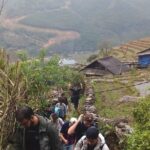
After lunch, you start the first trekking segment. Your guide moves you through the Muong Hoa valley area, with village stops spread across the afternoon. In other words, Day 1 is your orientation day plus your first real taste of village life.
The Day 1 village trek: Y Linh Ho, Lao Chai, and Ta Van
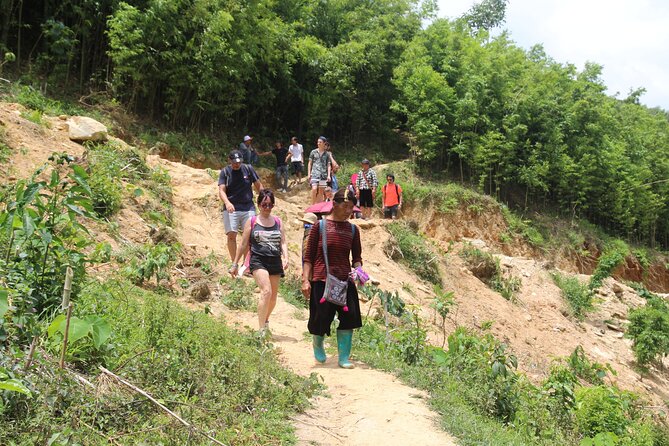
Y Linh Ho (afternoon start)
The trek begins after lunch with Y Linh Ho village (around 2:15–2:30 p.m.). This village sits along the Muong Hoa valley and is surrounded by the Hoang Lien Son mountain range. Even without trying to “read” the area like a textbook, you’ll feel the geography—valley access, mountain barriers, and how paths connect settlements.
This is the right kind of first stop. It’s early enough in the trek to help you get your rhythm, and it sets the visual theme for the rest of the day: terraces, winding paths, and villages shaped by the terrain.
You can also read our reviews of more tours and experiences in Hanoi
- Doris Cruise 5 star cruise 2 days visiting Halong Bay Lan Ha Bay private balcony
★ 5.0 · 2,338 reviews




Lao Chai (terraces and Black H’Mong community)
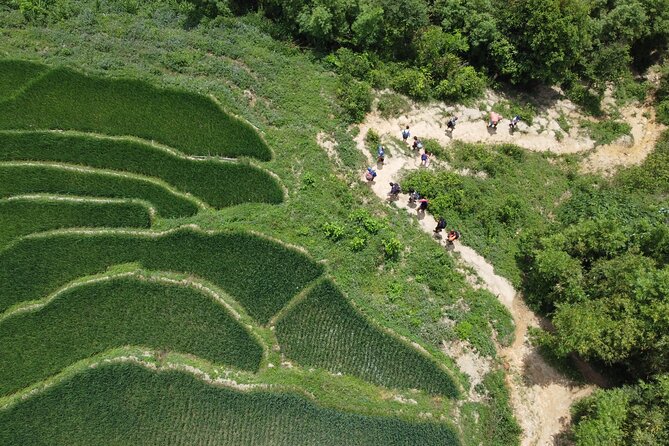
Next comes Lao Chai (around 4:30 p.m.). The terraced fields around the village are part of the appeal here, but what makes it more than a pretty photo is the community context: Lao Chai is associated with the Black H’Mong minority.
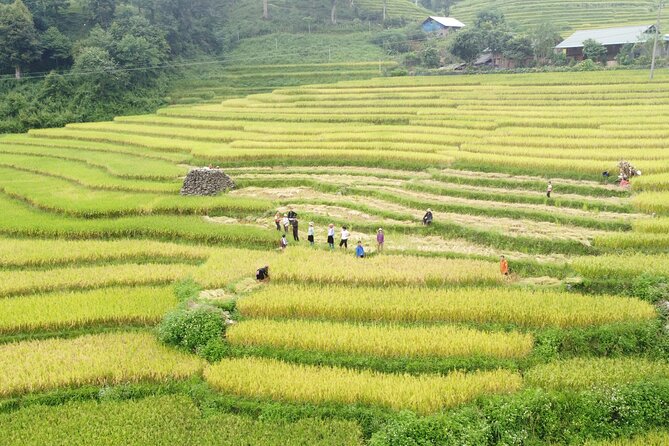
You’ll likely spend time taking in the view from the village area before moving on. If it’s clear weather, this is one of the best moments to understand why Sapa looks “layered” from different angles—fields and homes stack along slopes and appear in steps as you move.
Ta Van (arrival for the homestay night)
You arrive in Ta Van village around 5:30 p.m. Ta Van is home to Mong, Red Dao, and Giay people, and it sits with its back to the Hoang Lien Son mountain range and its front facing the winding Muong Hoa stream.
This end-of-day positioning matters. By the time you reach Ta Van, you’re close enough to the homestay experience that you can shift from “trek mode” to “evening life” quickly. It also makes the sunset idea in the tour overview feel grounded: you’re there at the right time to see the terraced fields and valley tones change as the day cools down.
The homestay night in Ta Van: stilt-house charm with modern comfort
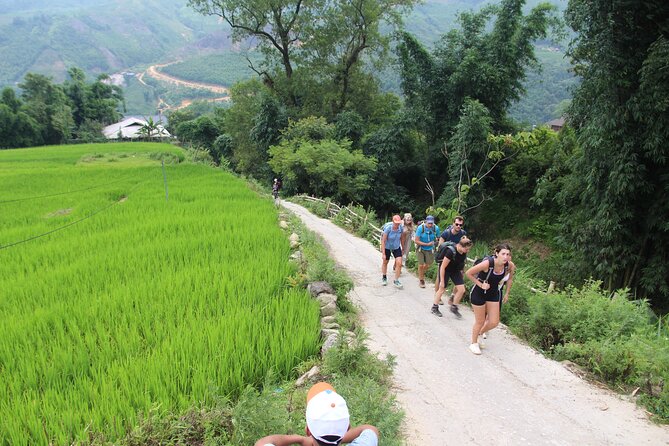
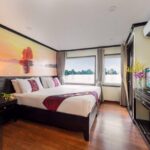
The overnight is the heart of this trip. You stay in a traditional H’Mong stilt house in Ta Van village. The tour description notes modern comforts, and the included setup is a private room (so you’re not sharing a dorm-style sleeping situation).
This is where the experience becomes more than just a trekking route. You’ll have:
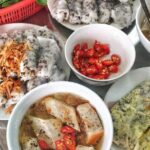
- a traditional dinner prepared by your hosts
- time to watch the sun set over the terraced fields from the homestay area
- a cooking class included in the program
I like that the “cooking class + dinner” isn’t a token add-on. It turns the homestay from an overnight stop into an event you’ll remember. Also, dinner with the hosts gives you an easier way to ask questions about daily life, even if your Vietnamese is basic.
Practical note: “private room” doesn’t always mean “one bed per person.” In one reported case, the tour team explained the homestay room was arranged as one room with two beds (the guest wanted a particular setup for family). If you need a specific bedding arrangement, confirm what will be possible at booking time.
Day 2 trekking: Giang Ta Chai and Su Pan, then back toward Sapa
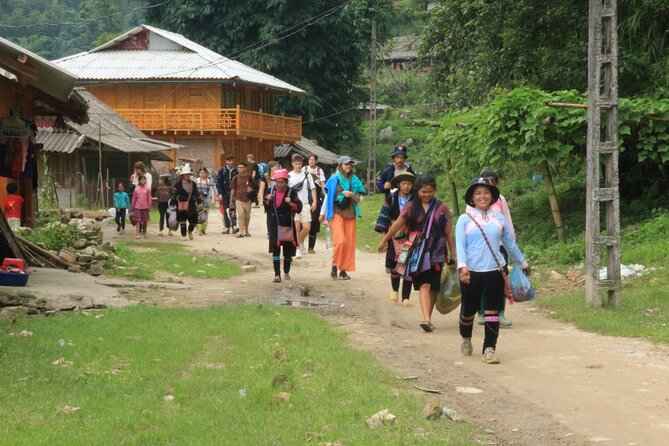
Day 2 starts with breakfast at the homestay and a check-out procedure. After that, you begin trekking at 9:30 a.m. toward Giang Ta Chai village, with Supan village also visited in the morning.
The walking time isn’t fully spelled out in the schedule, but the pace is described as relaxed, and that lines up with what you want after the first day. Your morning trek is shorter-feeling than Day 1 for many people because you’ve already gotten your bearings by then.
Lunch in Supan
Around 12:00, you arrive at Supan Village and have lunch at a local restaurant. The key here is that you’re not rushed right into another long trek right away. Lunch is a reset point before you ride back to Sapa.
Bus back to Sapa town
At 1:30 p.m., the bus takes you back to Sapa town (about 1 hour). Once you’re back, you can decompress and manage your bags before the evening ride home.
Sapa free time on Day 2: stone church and the market
You return to Sapa and arrive at your Sapa hotel around 2:00 p.m. Then you get roughly 1 hour 30 minutes of free time. The schedule specifically calls out two options:
- the stone church
- the Sapa market
This timing is useful because it gives you a chance to buy small essentials (snacks, water, a warm layer) without turning the whole afternoon into a sightseeing marathon. If the weather clears, this is also when your photos usually come out better because light is more forgiving in late morning or early afternoon than at sunrise.
One practical tip: plan your market stop like a scavenger hunt. Decide ahead of time what you might want to pick up, because markets can pull you in a dozen directions.
Price and what you truly get for $95
At $95 per person, the real question isn’t whether it’s “cheap.” It’s whether it’s the right mix of costs handled for you.
Here’s what you can expect to be included:
- Breakfast and dinner
- Two lunches
- Round-trip transportation between Hanoi and Sapa by VIP cabin bus
- Local English tour guide in Sapa
- Entrance tickets (specific sites aren’t detailed, but fees are covered)
- Private room homestay in Ta Van village
- Cooking class
- Luggage and movement coordination via the transfer + bus plan
What’s not included: drinks in meals. That’s normal, but it’s still worth budgeting so you don’t get surprised at lunch or dinner.
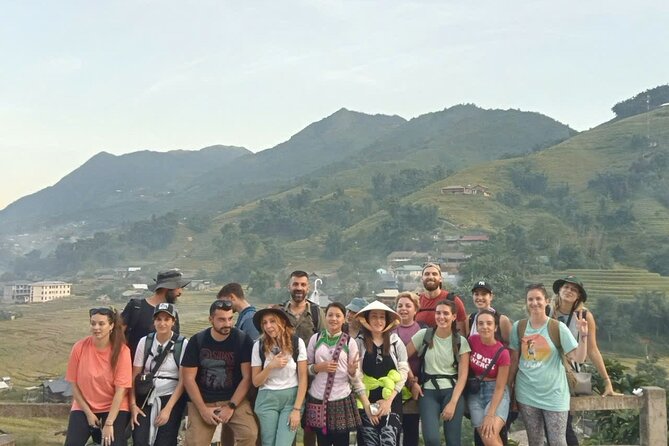
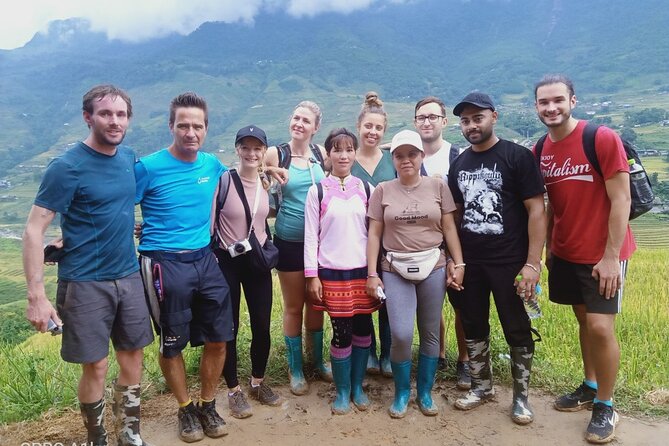
And the small group size (max 10) is part of the value. It keeps the trekking experience more manageable, which directly affects how enjoyable the hike is. A packed group can turn “relaxed” into “constant waiting,” and this setup is designed to avoid that.
Also, you get a mobile ticket and group discounts are mentioned. That may not affect your first-order value, but it can make the booking and check-in experience smoother.
Who this tour suits best (and who should think twice)
This fits best if you want:
- a guided trek with cultural context
- an overnight homestay experience rather than just a day trip
- a schedule that includes most major costs so you can relax
You’re likely to enjoy it even if you’re not a hardcore hiker, because the trek is described as not overly challenging at a relaxed pace. The tour also says most travelers can participate, which aligns with the structure: two days with village stops, meal breaks, and transport arranged between locations.
The main reason to think twice is if you need very rigid logistics—especially around pickup timing, room bedding preferences, or if you’re traveling with special requirements not clearly spelled out in the schedule. Because the plan uses both big buses and small transfers, confirm details early and be ready for small schedule adjustments.
Should you book this Hanoi to Sapa 2-day homestay tour?
If your goal is to see Sapa beyond a scenic drive, this is a strong match. The best part is how the experience is built as a whole day-to-day sequence: villages in the afternoon, a homestay night with dinner and cooking class, then a second-morning trek and a short reset in Sapa town before your late return to Hanoi.
I’d book it if you value included meals, a real homestay, and a trek that’s meant to feel human-sized (max 10 people). I’d hesitate only if your top priority is maximum “stand-alone freedom,” since this is a structured route with fixed pickup, trek timing, and included meals.
If you do book, send a message after booking to confirm:
- your Old Quarter pickup method (small transfer vs. big bus)
- any preferences about the homestay room setup
- what time you should be ready the morning you leave
That one bit of prep lets you enjoy the real payoff: a night in Ta Van that feels like a lived-in place, not a showroom.
FAQ
How much does the Hanoi to Sapa 2 days 1 night homestay tour cost?
The price is $95.00 per person.
How long is the tour, and do you spend one night in Sapa?
The tour lasts about 2 days and includes 1 overnight stay in a Ta Van village homestay.
What meals are included during the tour?
Breakfast is included, along with dinner and two lunches.
Is a cooking class part of this experience?
Yes. A cooking class is included.
Where do you stay overnight?
You stay in a private room at a traditional H’Mong stilt house homestay in Ta Van village.
How many people are in a group?
The maximum group size is 10 travelers.
What transportation is included between Hanoi and Sapa?
Round-trip transportation is included by VIP cabin bus between Hanoi and Sapa. You also use a bus for the trip back to Sapa town on Day 2.
Do you have free time to explore Sapa on Day 2?
Yes. After returning to Sapa town around 2:00 p.m., you have free time to visit the stone church and the Sapa market.
Are drinks included with meals?
No. Drinks in meals are not included.
You Might Also Enjoy


More 2-Day Experiences in Hanoi
- Doris Cruise 5 star cruise 2 days visiting Halong Bay Lan Ha Bay private balcony
★ 5.0 · 2,338 reviews