REVIEW · COUNTRYSIDE & RED RIVER TOURS
Hanoi Countryside Bicycle Tour
Book on GetYourGuide →Operated by Vietnamtravelers · Bookable on GetYourGuide
A half-day bike ride can feel oddly intimate here. This Hanoi countryside bicycle tour gives you a calm look at daily life beyond the usual Old Quarter rhythm, with the payoff of guided stories and real conversation stops, plus time to sample local flavors along the way. I also like how the ride stays mostly flat and traffic-light, so you can focus on scenery and people. One thing to consider: the day’s heat and time in the saddle still matter, and you’ll want to show up comfortable with cycling.
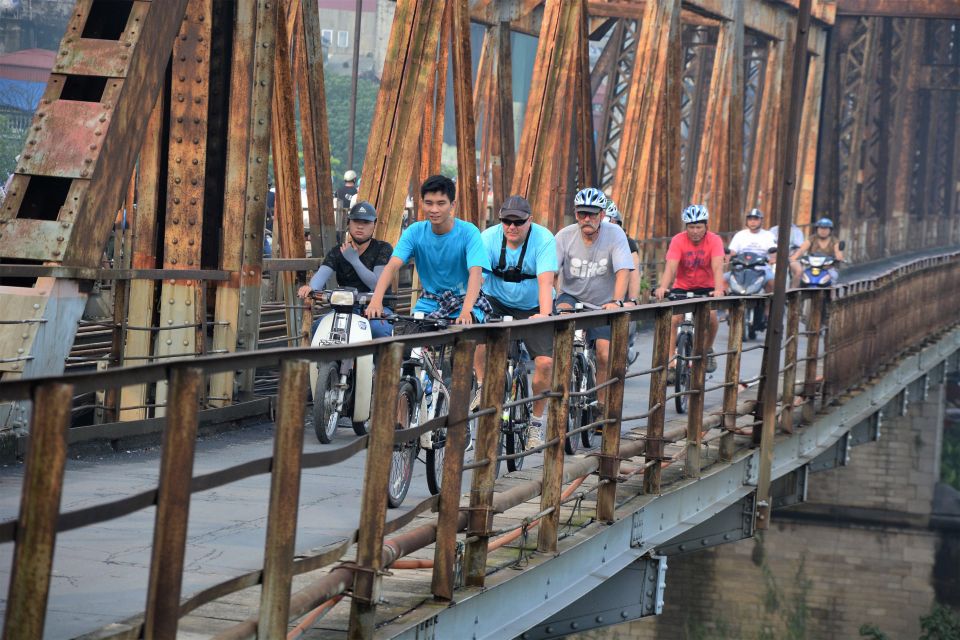
You’ll start with hotel pickup in the Old Quarter area and get a proper bike and helmet right away. Then you’ll either cross the Red River area by small boat or head over Long Bien Bridge, depending on the day and weather, which helps keep the route smooth and efficient.
At $40 per person, the value is strong because the price covers guide time, bike use, bottled water, and end-point treats like coffee/tea—just note that food beyond drinks isn’t listed as included, and you’ll likely budget a tip for your guide.
In This Review
- Key Things to Know Before You Go
- Why This Hanoi Countryside Ride Feels Personal
- Old Quarter Pickup to Bike Rental: Smooth Start, Real Pace
- Crossing the Red River: Between City Edges and Quiet Roads
- Ancient Village Gate and Co Loa Setup: Seeing Vietnam’s Layers
- Rice Fields, Agriculture, and the Calm of Pedaling Through Dong Bac
- Visiting a Family Home: Where the Tour Really Earns Its Value
- The Return Route and a Hanoi Coffee Culture Finish
- Price, Time, and What $40 Actually Buys You
- Is This the Right Tour for You?
- Should You Book This Hanoi Countryside Bike Tour?
- FAQ
- How much does the Hanoi Countryside Bicycle Tour cost?
- How long is the tour?
- Where do you get picked up and dropped off?
- What does the tour include?
- Are meals included?
- What languages is the guide available in?
- What should I bring or wear?
- Is the tour suitable for kids or pregnant travelers?
Key Things to Know Before You Go
- Old Quarter pickup + bike/helmet ready: you’re set up fast, so the ride starts feeling like part of the trip, not prep.
- Route choice: Long Bien Bridge or a short boat crossing: the tour adapts to save distance and reduce hassle.
- Stops that focus on everyday life: you visit a family home and chat with locals, not just monuments.
- Co Loa area framing: you pedal through rice fields and then reach the ancient capital/temple area.
- Flat riding pace: plan for about 33 km on the day path toward Co Loa, with mostly quiet roads.
- Coffee culture finish: the tour closes with a local cafe stop that fits Hanoi’s café scene.
Why This Hanoi Countryside Ride Feels Personal
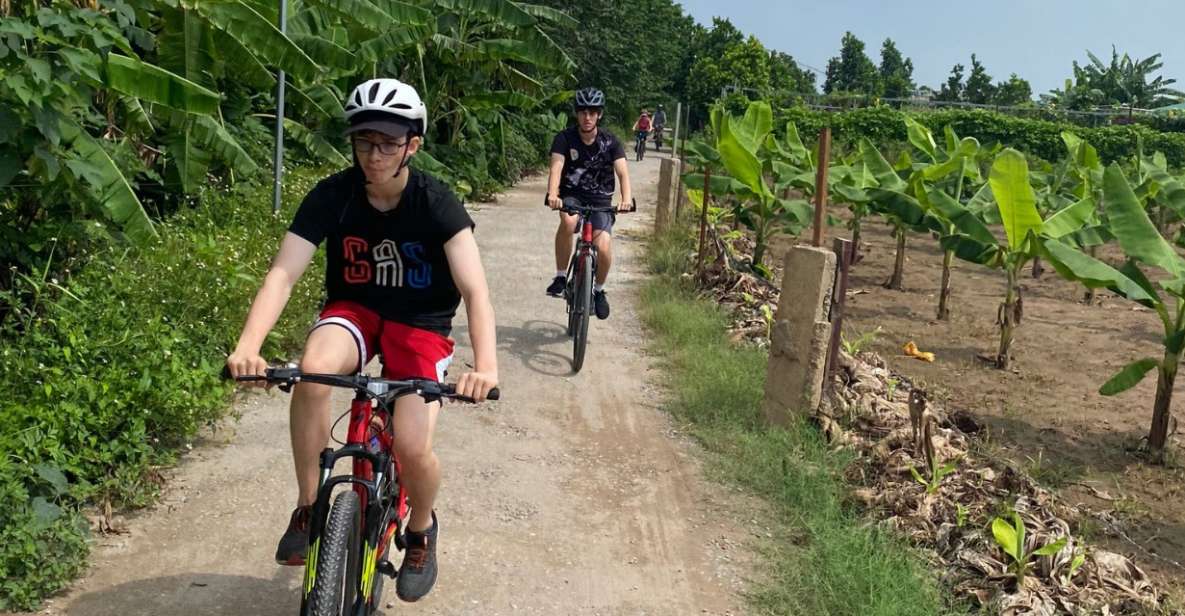
Most Hanoi tours try to cram history into a tight schedule. This one aims at something else: the feeling of moving through rural Vietnam at human speed. When you’re on a bicycle, you notice things you’d miss from a motorbike window—how homes are set back from the road, how water and fields shape daily schedules, and how conversations carry on without performing for tourists.
I especially love the way the family home visit changes the day. Instead of treating local life like a backdrop, you’re given time to talk and ask questions. That’s the difference between seeing Vietnam and understanding how people actually live outside the city core.
And the guides matter a lot. Names like Nathan, Minh, and Hai come up for good reason—guides here tend to explain what you’re seeing in simple terms and keep the energy up without rushing you.
The one drawback I’d flag is physical comfort. Even with a mostly flat route, half-day cycling can still be tiring in humid weather. If you’re sensitive to heat or you’re not used to riding for an extended stretch, you’ll want to plan your pacing and bring comfortable clothes you can move in.
You can also read our reviews of more tours and experiences in Hanoi.



Old Quarter Pickup to Bike Rental: Smooth Start, Real Pace

The tour begins where most visitors already are—around the Old Quarter, with pickup by taxi or personal vehicle. You’re told to wait in the hotel lobby about 10 minutes before pickup, and they won’t linger much after the scheduled time. So it’s worth being ready to go when your guide calls or arrives.
Once you’re at the bike rental point, you’ll get helmet + bicycle plus bottled water. That sounds basic, but it’s a big deal in Hanoi, where “getting started” can easily become a long waiting game.
From there, the route logic is smart. You’ll have two options depending on weather and the day’s conditions:
- Cross toward the countryside by going over Long Bien Bridge, or
- Use a small boat crossing across the Red River area to save distance
That choice affects your energy. Boat crossings can be a break from the road, while Long Bien Bridge is a direct route that still keeps your focus on the city edge before you transition to fields and quieter streets.
Crossing the Red River: Between City Edges and Quiet Roads
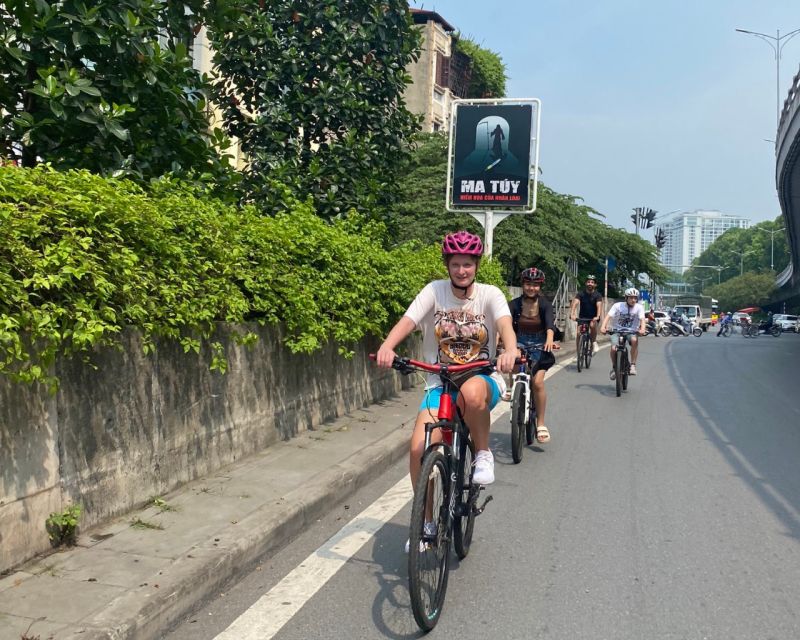
The moment you leave the city energy behind starts right away. The Red River area is where you get a clear sense of how close everything is—Hanoi isn’t far from agriculture, and the city’s motion fades quickly once you move into the calmer lanes.
Depending on the route, your first big directional moment is:
- an ancient village gate crossing into the countryside zone, and then
- the start of cycling through open rural roads
That ancient gate stop is more than a photo stop. It helps you understand why these places got built where they did, and how the area’s identity has shifted over centuries while everyday routines stayed tied to farming, trade, and local community life.
Cycling here is also about practical comfort. One rider noted that even on a hot day, the moving air helped make heat feel manageable. That matches what you’ll likely feel on a bike: your body works a bit, but you aren’t stuck sitting in traffic.
Ancient Village Gate and Co Loa Setup: Seeing Vietnam’s Layers
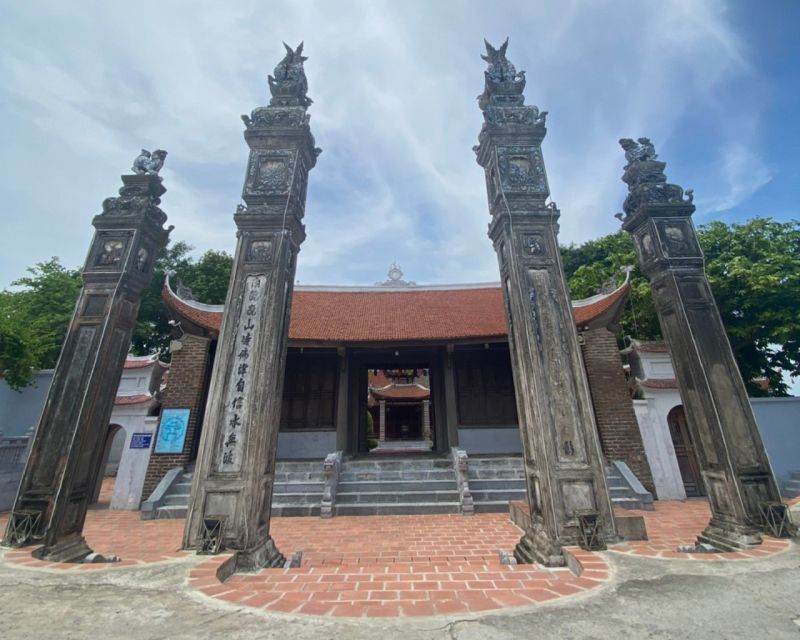
After the initial gate and crossing, the tour shifts gears toward how Vietnam’s past connects to today’s roads and village structure. You’ll ride from the Red River side into areas where agriculture becomes the main background.
Two things make this section worthwhile:
1) You get context before you reach the more formal historic sites.
2) The route itself shows the transition from city to rural life in a way you can feel through your legs.
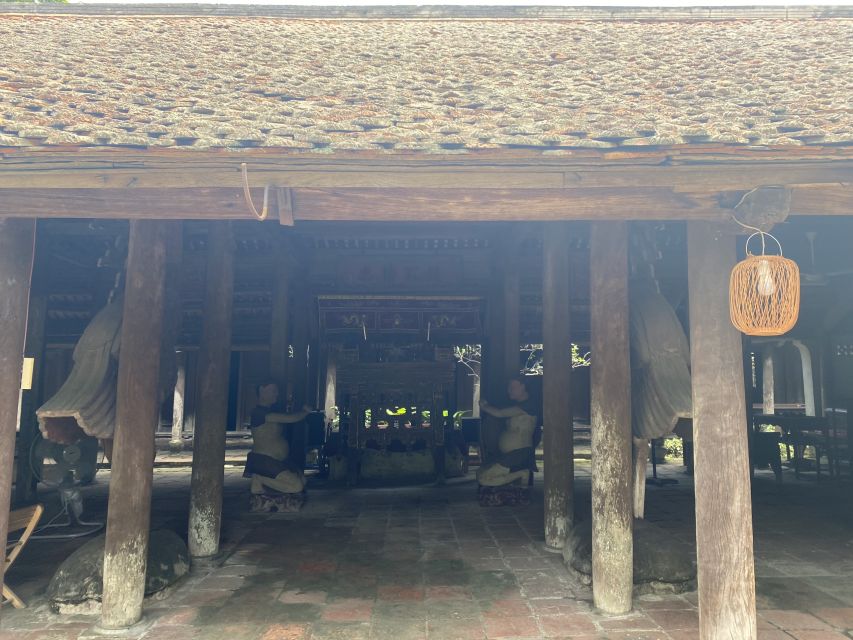
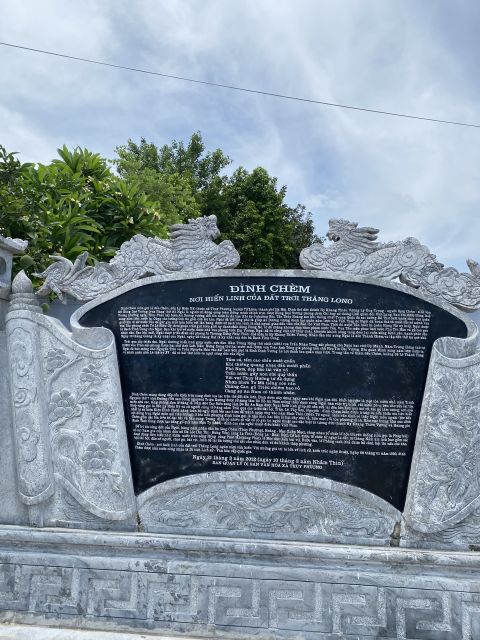
Then comes the ancient temple stop and the ancient Vietnamese capital area of Co Loa. Co Loa is a name many people hear, but it’s usually mentioned from a distance. Here, the approach by bicycle changes the pace of how you take it in—you’re not just arriving, you’re already “inside the story” through fields and village roads.
At the temple/Co Loa stop, the guide’s job is to connect what you see to why it matters. Because you’ve already been cycling through rural spaces, the site doesn’t feel like a random checkpoint. It feels like a destination that grew out of the same geography you just rode past.
The downside? If you’re expecting a mostly hands-off cultural stop (meaning short visits, no explanation), you might wish there were more free time. But the whole tour style here is guided and narrative-driven, so you should treat the historic stops as part of the learning flow.
Rice Fields, Agriculture, and the Calm of Pedaling Through Dong Bac
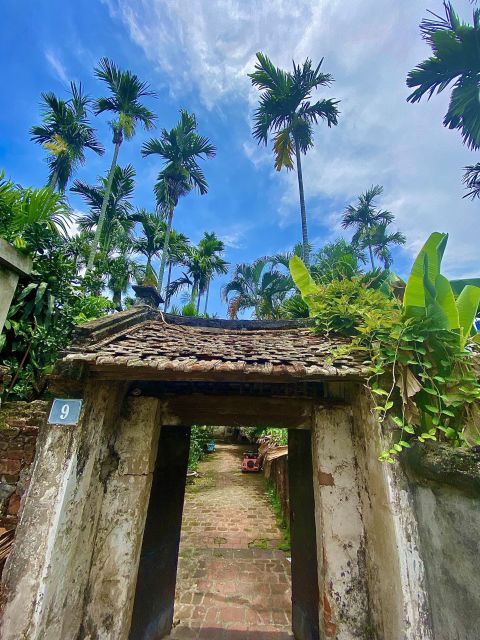
This is the part many people book for. Once you’re out in the countryside lanes, you’ll pedal through rice fields and agricultural areas, watching how rural life organizes around growing seasons, water, and daily work. It’s not just pretty; it’s informative.
What you learn along the way tends to be practical: why certain paths run where they do, how farming shapes movement, and how locals use markets and nearby landmarks as part of their routines.
And traffic is usually gentle here. One of the big promises of this tour is cycling through the countryside “without much traffic,” and that’s what makes the experience enjoyable rather than stressful. When roads are calm, you can look around, ask questions, and take in small details—children playing, scooters moving at a slow rhythm, and homes that feel part of the landscape rather than separate from it.
If you’ve only visited Hanoi as a sightseeing sprint, you’ll notice the difference fast. This day doesn’t feel like a checklist. It feels like a route you could keep riding again and again.



Visiting a Family Home: Where the Tour Really Earns Its Value
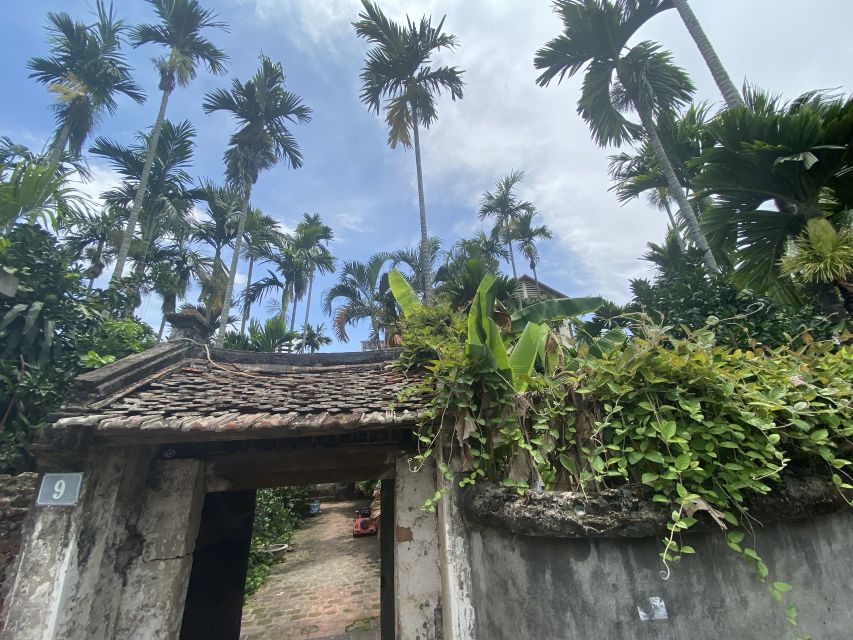
The most praised part of this tour style is the chance to visit with locals at a family home and chat about customs, daily life, and what the area feels like away from the tourist circuit.
In the field, this is where you’ll likely notice the biggest contrast:
- Tourist sites can be loud and performative.
- A home visit is quieter and more human.
One rider described the trip as visiting two houses and talking with local people, with the guide making the experience comfortable and informative. That matches what you should expect: your guide acts as a bridge, not just a driver.
Food and drink also come up here in the reviews. Even though the basic inclusions list coffee/tea and bottled water, people have reported tasting small local items during these stops—things like green tea, rice wine, and banh tro (a sticky rice-based sweet with honey). Don’t treat this as guaranteed like a restaurant menu, but do expect the tour to use local tastings as part of the conversation.
This is also where you should ask questions. If you’re curious—about school, farming, how families spend the day—this part of the tour is built for that. If you’re shy, it still works; you can listen and react, but you’ll likely get more out of it if you’re willing to engage.
The Return Route and a Hanoi Coffee Culture Finish
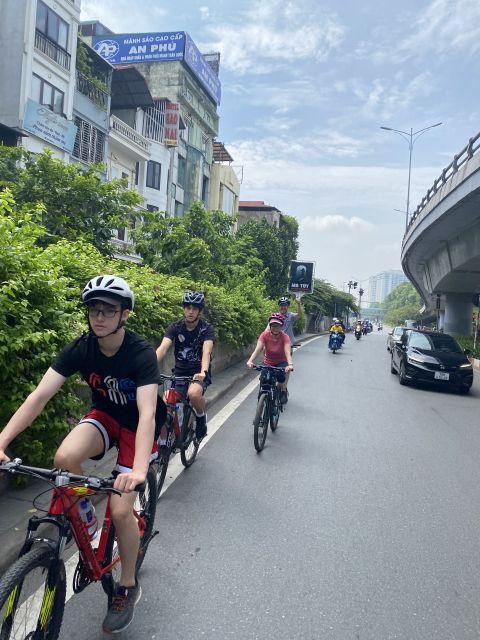
On the way back, the tour brings you toward Hanoi again by crossing the river area with a small boat, depending on your day’s routing. This return section matters because it changes your perspective. The countryside is peaceful, and then the city lights and sounds creep back in as you head toward the Old Quarter.
That sensory shift makes the ending feel earned. You’re not just wrapping up after cycling—you’re transitioning from rural calm back into Hanoi’s everyday energy.
Finally, you’ll stop at a local cafe to enjoy coffee and/or tea. Hanoi coffee culture is its own thing, and this is one of the simplest ways to connect your day ride with the city you started in. Sit, sip, and let your legs cool down.
This is also a good point to ask your guide what to do next in Hanoi—especially if you’re still curious about the areas you just rode through. Guides who can explain a countryside gate can usually point you toward a better next stop than the map app.
Price, Time, and What $40 Actually Buys You
$40 per person is a fair price when you look at what’s included. The tour covers:
- hotel pickup and drop-off in the Old Quarter area
- bicycle use and a helmet
- tour guide (English and Vietnamese)
- bottled water
- coffee and/or tea
- entry/admission for the Hanoi portion of the route
That’s the key value: you’re paying for time, access, and translation-level guidance—not just for “someone to lead a ride.”
The time range—4.5 to 8 hours—is worth planning around. Some days will be shorter depending on weather and the route choice. If you’re tightly scheduled, you’ll want to check availability for starting times before you commit.
Also, food isn’t listed as included beyond drinks. So if you get hungry, plan to eat before or after. (And if you’re offered small tastings during local stops, enjoy them—but don’t assume a full meal is part of the package.)
This tour also fits best if you like cycling as an activity, not just a transport method. If you want mostly walking and sightseeing with minimal riding, you might find the “ride first” nature less appealing.
Is This the Right Tour for You?
This Hanoi countryside bicycle tour is a great match if you want:
- a peaceful route outside heavy traffic
- real village interaction, not just photo stops
- a guide who explains what you’re seeing as you ride
- a half-day plan that still includes meaningful culture
It also suits people who like being active without going extreme. Reviews point to an easy, mostly flat ride, and one rider noted the day can run around 33 km to Co Loa—so you should expect a workout, but not a mountain-bike challenge.
You should probably skip it if:
- you’re not comfortable cycling in heat and sun
- you need a very flexible pace (this is a guided route with scheduled stops)
- you’re bringing anyone under 90 cm height, or if you’re pregnant (not suitable per the tour info)
- you’re traveling with pets (pets aren’t allowed)
Should You Book This Hanoi Countryside Bike Tour?
I’d book it if you’re the type of traveler who likes the in-between parts of a destination—roads that don’t show up in postcards, conversations that don’t feel scripted, and a route that keeps you moving. The combination of a smooth pickup, calm cycling, guided explanation, and a family home stop is what makes this one more than a ride.
I’d hesitate only if you’re mainly chasing big-ticket monuments and don’t care about agriculture or daily life. This is not built as a fast museum sprint. It’s built as a bikeable day in the countryside around Hanoi.
FAQ
How much does the Hanoi Countryside Bicycle Tour cost?
It costs $40 per person.
How long is the tour?
The tour runs from about 4.5 to 8 hours, depending on the day and route conditions. Check availability for starting times.
Where do you get picked up and dropped off?
Pickup and drop-off are available in the Old Quarter, Hanoi.
What does the tour include?
Included are hotel pickup and drop-off, bottled water, helmet, tour guide, bicycle use, coffee and/or tea, and entry/admission for the Hanoi portion of the route.
Are meals included?
Food isn’t listed as included. Coffee and/or tea are included, and you may encounter small local tastings during stops.
What languages is the guide available in?
The live tour guide is available in English and Vietnamese.
What should I bring or wear?
Wear comfortable clothes, and be ready for cycling in Hanoi’s conditions.
Is the tour suitable for kids or pregnant travelers?
It isn’t suitable for children under 3 ft (90 cm) or for pregnant women. Pets are also not allowed.
You Might Also Enjoy



More Tours in Hanoi
- Ninh Binh Full-Day Tour from Hanoi to Hoa Lu, Tam Coc & Mua Cave Via Boat & Bike
★ 5.0 · 4,384 reviews