REVIEW · CRAFT VILLAGE TOURS
Hanoi: Conical Hat Village & Incense Village SMALL GROUP
Book on GetYourGuide →Operated by GREEN VIETNAM TRAVEL · Bookable on GetYourGuide
Non La hats have a whole craft life. This small-group trip lets you see traditional conical hats (Non La) being made start to finish, and you also get hands-on with a hat you can paint and take home. I also really liked meeting Thao, a lifelong artisan, and hearing how her family’s work fits into everyday life around Chuong Pagoda. One heads-up: the incense experience can feel more workshop-and-production than a classic picture-perfect incense village.
You’ll be picked up from the Hanoi Old Quarter (small groups or private options). Then the day strings together Chuong Village for conical hats and Quang Phu Cau for incense, with a market and a special festival only on certain lunar dates. Depending on the half-day or full-day version, there may or may not be lunch, so plan snacks if you’re doing the half-day.
In This Review
- Key highlights to look forward to
- Entering Chuong Village and the Non La you’ll recognize instantly
- Meet Thao across from Chuong Pagoda and hear the human side
- The material work: bamboo splitting and leaf prep you’ll remember
- From weaving to decoration: how silks and designs get added
- The hat market and festival timing: go when it’s actually happening
- What you take home: painting your own conical hat
- Quang Phu Cau incense village: from family work to production scale
- Making incense sticks yourself (and getting free sticks)
- Food and breaks: what’s included depends on the version you choose
- Price and time: why this feels like good value at $15
- Transport and the Train Street drop-off: plan your second stop
- Best for who, and when to go in Hanoi
- Should you book the Hanoi Conical Hat Village & Incense Village tour?
- FAQ
- How long is the Hanoi conical hat and incense village tour?
- What will I do during the tour besides watching?
- Does this tour include lunch?
- Where do I get picked up and dropped off?
- Do I take anything home from this tour?
- Does the market and festival happen every day?
- Is there extra cost around Lunar New Year?
Key highlights to look forward to

- Chuong Village craft show: watch artisans work and learn how the Non La hat is built from leaves and a frame
- Thao’s 40-year perspective: her family has made hats for generations, and she explains the patience behind the steps
- Hands-on hat painting: you get a free conical hat to paint in the hat village and bring it home
- Quang Phu Cau incense steps: see family-scale production and also visit a nearby factory
- Optional Hanoi Train Street drop-off: you can get out there, or stay on the bus and head back to your hotel by taxi/Grab
Entering Chuong Village and the Non La you’ll recognize instantly
If you’ve seen Vietnamese women in street photos wearing a conical hat, this is the trip that explains how that look happens. The hat is more than a souvenir. In Chuong Village, it’s a skill passed through families, tied to seasons, materials, and long practice.
What you’ll like right away is how tangible it all feels. You’re not just watching a performance—you’re observing the real handwork, from material prep to the way hats take shape. And because it’s a small group, you can actually ask questions to the guide without feeling rushed.
You’ll also hear the practical history behind the hat: it was used for protection from sun and rain. Now it shows up as a fashionable accessory, so the craft isn’t trapped in the past. It still matters.
You can also read our reviews of more tours and experiences in Hanoi.



Meet Thao across from Chuong Pagoda and hear the human side
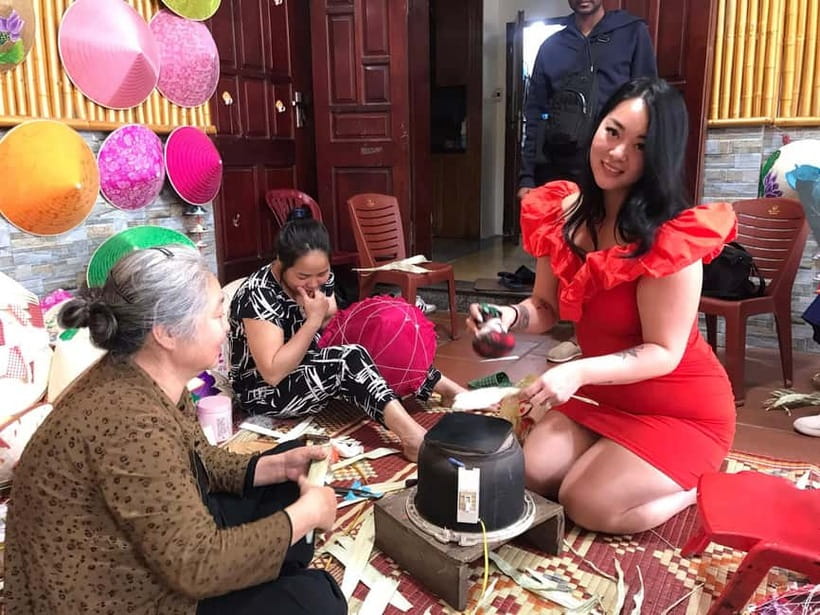
One of the best parts is meeting Thao at her home, opposite Chuong Pagoda. She’s been crafting conical hats for 40 years, and she explains that everyone growing up in Chuong village learns the craft around them. Her story makes the whole process feel less like a tourist activity and more like work people have done for generations.
Thao also breaks down the hat as two main parts: the leaves and the frame. That simple framing helps you understand why the process takes time. It’s not one quick assembly. Quality depends on getting the leaf preparation right and matching it to the frame structure, so the final hat keeps its shape and holds up.
This is the kind of stop where you’ll start noticing details you’d miss otherwise. For example, how selection matters, not just weaving. And how patience isn’t a slogan—it’s part of the craft.
The material work: bamboo splitting and leaf prep you’ll remember
Here’s what makes Chuong Village genuinely educational: the tour pays attention to the materials. You’ll learn how bamboo is split into long, skinny parts, then soaked and dried in the sun. That sun-drying step isn’t just for show. It’s part of getting usable pieces for the hat’s structure.
On the leaf side, you’ll see a process tied to the dry season. Green palm leaves are processed and dried, and the tour explains that the leaves used for the hats come from a palm tree type called lá lụi, sourced from forests in Quang Binh and Thanh Hoa. That detail matters because it reinforces something you’ll appreciate as a visitor: quality starts upstream.
If you’re the kind of traveler who likes to understand what makes one product better than another, this segment is your sweet spot. It also makes the final hat painting feel more meaningful, because you know what you’re looking at.
From weaving to decoration: how silks and designs get added

After leaf and frame prep, the tour moves into how the final look is built. Artisans add red or pink silks into the hat, and sometimes decorate them with embroidery—flowers, birds, or other designs. Even if you’re not an art person, you can spot the “show-your-work” aspect here. Those finishing touches are where the hat shifts from functional headwear to personal style.
This is also where a good guide makes the difference. In past tours, guides such as Henry have been noted for strong English, and other guide types like Hue have been praised for thoughtful attention and lots of photos. You’ll benefit most if you ask about the steps you’re seeing in real time, because the guide can connect what’s happening to what you’ll notice in the market.
The hat market and festival timing: go when it’s actually happening
Chuong Village includes a visit to the Chuong Village market, but it’s only on specific lunar dates. There’s also a special festival on the 10th of the third lunar month. If you’re planning your Hanoi days tightly, this is a big deal.
Why? Because the market and festival are the times when the village feels most alive for visitors. If you miss them, you’ll still see the craft, but the market atmosphere and seasonal energy may be quieter. So when you book, check your date against the tour’s lunar calendar options.



What you take home: painting your own conical hat

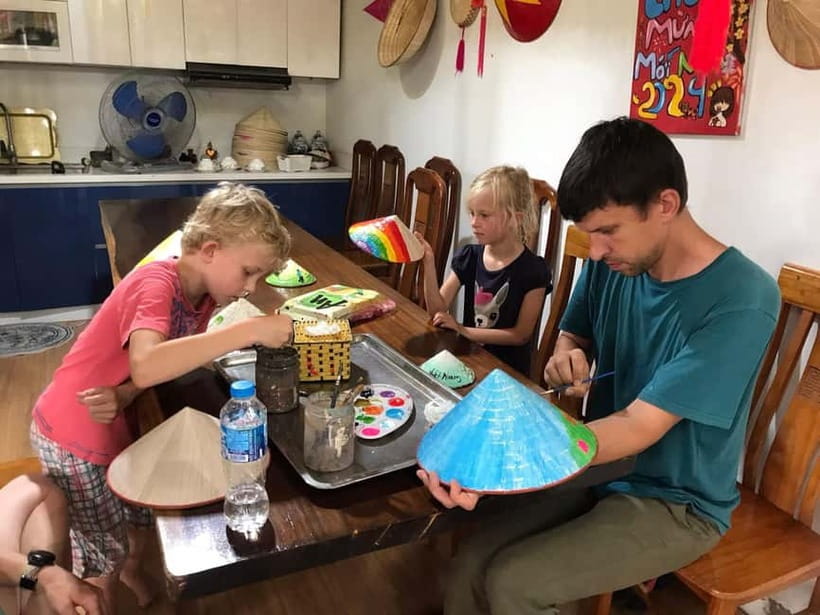
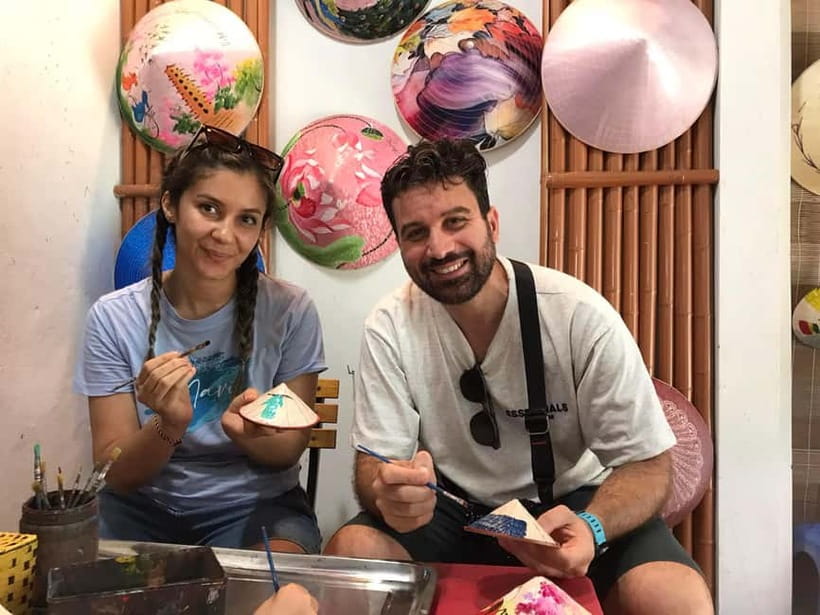
The most practical souvenir here is also the most fun: you get one free conical hat for painting in the hat village, and you take it home as a personalized memory.
This isn’t just a craft booth where everything is already finished. The point is that you’re making a keepsake connected to what you watched being built. You’ll likely enjoy this more if you’re comfortable with basic craft time and you don’t mind a little mess.
Also, bring a camera. You’ll want photos of the materials and the process, but you’ll also want a shot of your finished hat before you leave the village.
Quang Phu Cau incense village: from family work to production scale
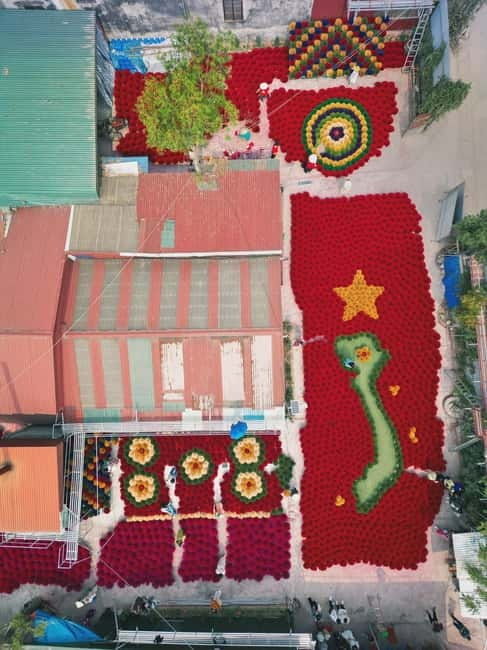
Then you head to Quang Phu Cau Incense Village, which has been producing incense for more than 100 years. This part is all about how incense becomes bundles and product, not just a smell in the air.
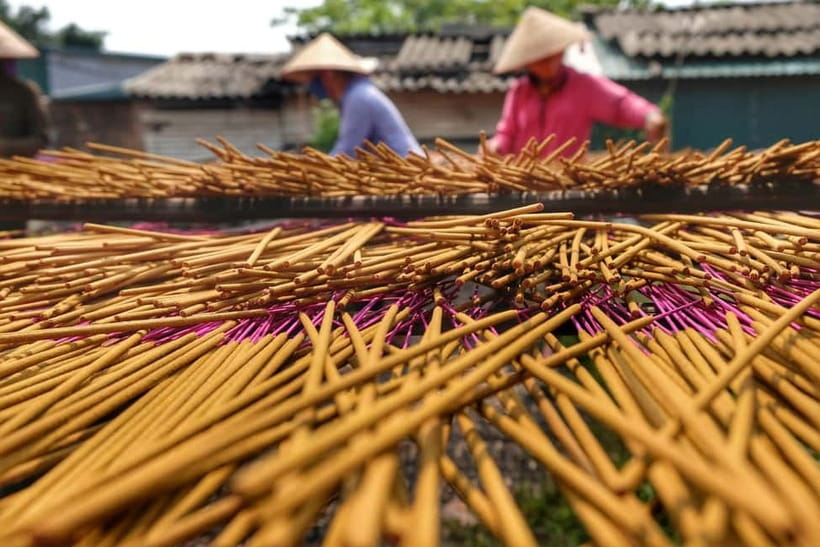
What you’ll typically see first is artisanal, family-scale production. The tour includes a walk through the village center where locals make incense by hand. You’ll also meet a family specializing in dyeing incense sticks, and you’ll see colorful bundles of incense created from their work.
After that, the tour takes you to a nearby factory to see the next level of incense production. You’ll learn how incense is made from scratch and get a look at the lives of manual workers who keep the process moving.
One note for expectations: one reviewer-style experience described the incense area as more like an enclosed production setting than a classic outdoor village scene. So if you imagine open-air lanes and purely traditional scenery, you might be surprised. It still can be interesting, especially if you’re focused on making and process.
Making incense sticks yourself (and getting free sticks)
If you like hands-on experiences, this is one of the more satisfying parts of the itinerary. You’ll get the chance to make incense sticks yourself, and then you receive some free incense sticks after your try.
This is the kind of take-home item that feels more personal than a packaged souvenir, because you participated in it. It’s also a nice practical reminder of the places you visited—every time you light one, you’ll remember the steps you watched.
Food and breaks: what’s included depends on the version you choose

The tour includes entrance fees, bottled water, and a professional local guide. It also references home-cooked authentic Vietnamese food at a local artisan’s place, with both vegetarian and non-vegetarian options.
One caution: lunch is only included on the full-day trip. The half-day version does not include lunch, so you’ll want to eat beforehand or bring snacks. This matters because a craft-and-observation day in Hanoi can be warmer than you expect, and you’ll want steady energy for the driving time and walking.
Price and time: why this feels like good value at $15
At $15 per person, this is priced like a budget-friendly craft day, and that makes sense. You’re getting two major cultural workshops in one outing: conical hat making in Chuong and incense production in Quang Phu Cau.
That value comes from three things:
- You’re not only watching—you’re learning and doing a couple of hands-on activities (hat painting, incense making).
- You get structured access to artisans and the production steps, plus a factory visit in the incense portion.
- The tour includes guide support and entrance fees, so you’re not piecing together multiple tickets and transport options.
The other side of value is time. The tour is listed as 6 hours, so it’s long enough to feel like a real day trip, but not so long that it dominates your entire schedule. If you have only a few days in Hanoi, this hits two craft experiences without forcing you into an all-day tour.
Transport and the Train Street drop-off: plan your second stop
Hotel pickup and drop-off is included for hotels in the Hanoi Old Quarter area. One listed drop-off option is Hanoi Train Street first. If you want to spend time there, you can. If you don’t, the tour notes that you can wait on the bus and then head back to your hotel by taxi/Grab.
In real terms, this means your “after tour” plans are flexible. You can either turn Train Street into a short add-on or treat it as a convenient handoff point back into town.
Also, keep comfortable shoes on your list. You’ll be walking between craft spots, and you’ll likely spend time outdoors depending on the market or festival timing.
Best for who, and when to go in Hanoi
This tour is a great fit if you want more than a photo stop. I’d put it at the top of the list for:
- visitors who like learning how everyday Vietnamese crafts are made
- anyone buying souvenirs who prefers items with a story attached
- travelers who enjoy small-group pacing and interaction with guides
It’s also smart for people doing a “craft morning” style schedule. Conical hats and incense pair well with the rest of Hanoi because they don’t feel like the same kind of activity as museums or temples.
The calendar matters because of the market dates and the festival on the 10th of the third lunar month. If your trip dates line up, you’ll likely get a better-feeling day. If not, it still works, but your atmosphere may be calmer during the market segment.
Should you book the Hanoi Conical Hat Village & Incense Village tour?
If you’re choosing between a quick stop and a real craft day, I think booking this makes sense. The hat part is the strongest anchor: you watch the making process, meet Thao, and paint a hat you take home. The incense portion adds depth with both family-scale steps and a factory visit, plus a chance to make sticks yourself.
I’d only hesitate if your top goal is a classic open-air village scenery experience. One incense-related expectation mismatch has come up, with the incense area described as more enclosed and production-like than people hope for. If you’re there for process and making, you should still be happy.
So my practical advice: book it if you want hands-on cultural crafts in one outing. Just line up your dates with the market and festival when possible, and eat in advance if you’re doing the half-day version.
FAQ
How long is the Hanoi conical hat and incense village tour?
The tour duration is listed as about 6 hours, with half-day and full-day options depending on what you choose.
What will I do during the tour besides watching?
You’ll observe artisans making conical hats, and you’ll also have hands-on time painting a conical hat and making incense sticks.
Does this tour include lunch?
Lunch is only included on the full-day trip. The half-day option does not include lunch.
Where do I get picked up and dropped off?
Hotel pickup and drop-off are included for hotels in the Hanoi Old Quarter area. One noted drop-off option is Hanoi Train Street; if you do not want to get off there, you can wait on the bus.
Do I take anything home from this tour?
Yes. You receive a free conical hat to paint in the hat village, and you also get some free incense sticks after making incense.
Does the market and festival happen every day?
No. The Chuong Village market and the special festival occur only on specific lunar dates.
Is there extra cost around Lunar New Year?
Yes. There is a Lunar New Year surcharge of 250,000 VND per person from 16/02/2026 to 19/02/2026.