REVIEW · SAPA TREKKING TOURS
From Hanoi: Sapa Tour w Fansipan Peak 3 days 2 nights
Book on GetYourGuide →Operated by DragonflyCruise.com · Bookable on GetYourGuide
Mountain air, village steps, real people. I love the small-group size and the way guide Chang helps you get oriented quickly in Sapa, from check-in to the day’s rhythm. It’s a practical way to see the mountain villages around town, including Cat Cat and Lao Chai, with enough time to wander the market streets in the evenings.
My favorite part is how the walks are built around real village life, not just quick photo stops. You’ll see how people farm rice terraces and make everyday items, and you’ll get time in villages like Ta Van and Giang Ta Chai. One consideration: on the third day, there’s no guide with you, so you’ll want to feel comfortable using the cable car plan on your own.
In This Review
- Key Points That Make This Sapa Tour Click
- Why This Sapa Tour Works So Well From Hanoi
- Hanoi Pickup To Sapa Arrival: Getting Your Bearings Fast
- Cat Cat Village and the First Village Trek (Day 1)
- The Medium Trek Day: Lao Chai, Ta Van, and Giang Ta Chai
- Lao Chai: Daily life plus crafts
- Ta Van: Dzay village, rice paddies, and a tea stop
- Giang Ta Chai: Terraces, bamboo forest, and waterfalls
- Fansipan Peak on Your Terms: Cable Car Planning Without a Guide
- Price and Logistics: What $161 Really Buys You
- What to Pack (So You’re Comfortable, Not Just “Fine”)
- Who This Tour Suits Best
- Should You Book This Sapa Tour?
- FAQ
- What is the tour duration?
- Where is the pickup in Hanoi?
- If I’m not staying in Hanoi, where do I meet the group?
- What villages does the tour visit?
- Is Fansipan Peak included?
- How much trekking is included?
- What meals are included?
- Do you include a hotel and where does it include?
- Will there be a guide on the third day?
- What should I bring for the tour?
Key Points That Make This Sapa Tour Click
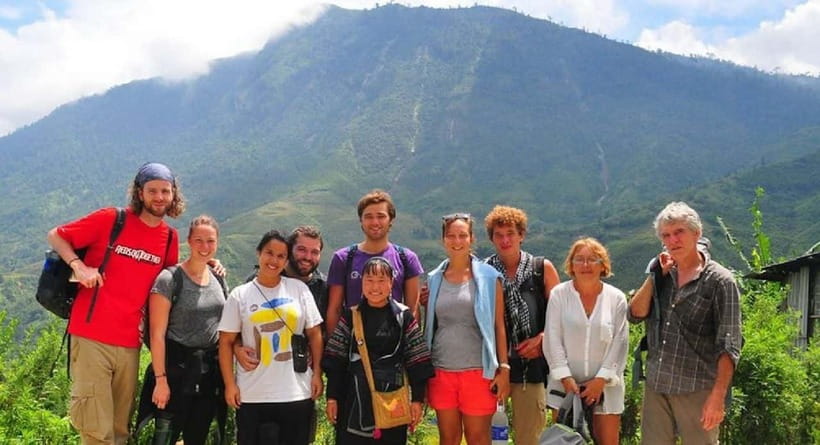
- Small-group flow (up to 17 people): less chaos on the trail and more chances to ask questions.
- Hanoi-to-Sapa transfers built in: pickup from Hanoi Old Quarter and return by bus means you skip the stressful planning.
- Cat Cat village on Day 1: a first taste of Black H’mong village life right after you arrive.
- A real medium trek day (17km round trip): Lao Chai, Ta Van, and Giang Ta Chai connect you to daily routines and crafts.
- Fansipan Peak is optional: you can take the cable car for summit views, but tickets cost extra.
- Comfort basics included: a twin-share hotel in Sapa plus 3 lunches, 2 breakfasts, and pool access.
Why This Sapa Tour Works So Well From Hanoi

Sapa can feel like a maze when you try to DIY it from Hanoi. This tour is built to cut the hard parts out of your day: you’re picked up in Hanoi, driven to Sapa, then moved between the key village areas with a guide in English while you’re trekking.
The group size matters here. With a cap of 17 participants, the walks don’t turn into a moving wall of people. You get time to look closely at costumes, fields, and hands-on village moments—without constantly fighting for position on narrow paths.
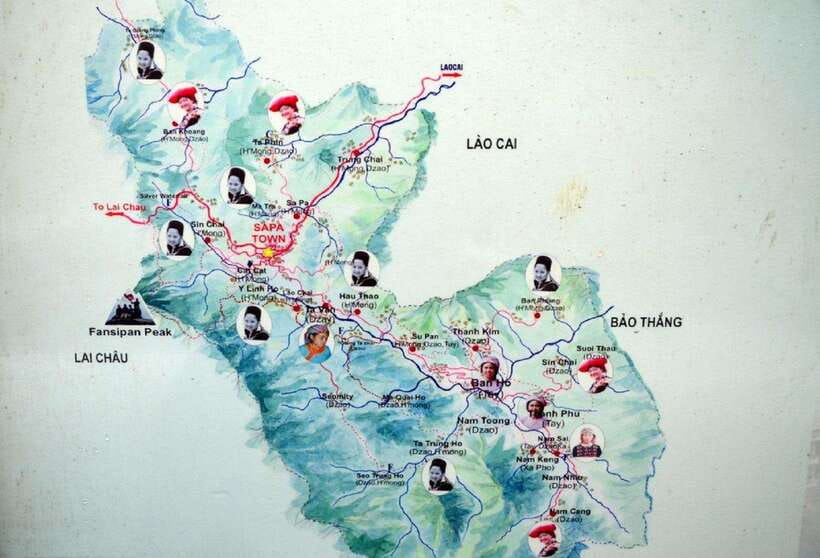
And I like that the experience isn’t only about views. You also get direct contact with hill tribe villages—Cat Cat, Lao Chai, Ta Van, and Giang Ta Chai—where the focus is daily life, traditional clothing, and local handicrafts.
You can also read our reviews of more tours and experiences in Hanoi


Hanoi Pickup To Sapa Arrival: Getting Your Bearings Fast

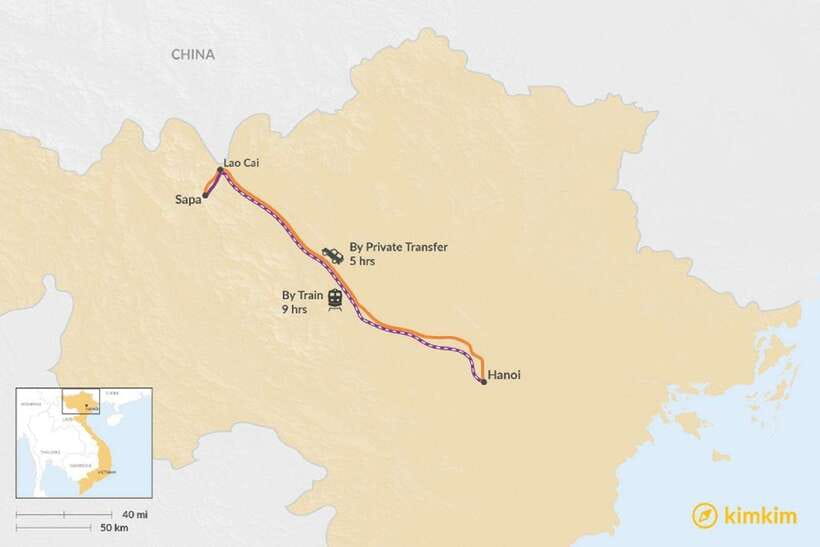
Your day starts early with a pick-up from your Hanoi accommodation in the Old Quarter (the plan is to wait about 10 minutes in the hotel lobby before pickup). If you’re outside Hanoi, you can go to the office at 31 Lo Su, Hoan Kiem, Hanoi for departure.
The ride itself is part of the value. You travel in a luxury bus and stop in Lao Cai for a break. Along the way, you’ll see mountains and rice terraces as you move toward Sapa Town.
You arrive at about 1:00 PM, which is a smart timing choice. Instead of landing at dawn and feeling wrecked, you get enough daylight to explore immediately. The tour builds in a chance to see colorful traditional costumes from groups such as the H’mong, Dzao, and Tay once you’re in town.
Then you get lunch and time to reset before your first trek.
Cat Cat Village and the First Village Trek (Day 1)
After lunch in Sapa, you head to Cat Cat village, home to the Black H’mong. This is a great Day 1 match for most people because it helps you learn the terrain and village vibe without hitting the longest distance too early.
Even if you’re not a hardcore hiker, this part of the day usually feels rewarding because you’re walking into a place with a clear identity. You’ll be in the kind of setting where you can actually slow down: see how the hills shape homes, watch daily movement, and notice the details in clothing and village life.
When evening comes, you’re on your own in Sapa Town. That freedom is useful. You can follow your curiosity—market area, main streets, or a quiet corner—without worrying about the next checkpoint.
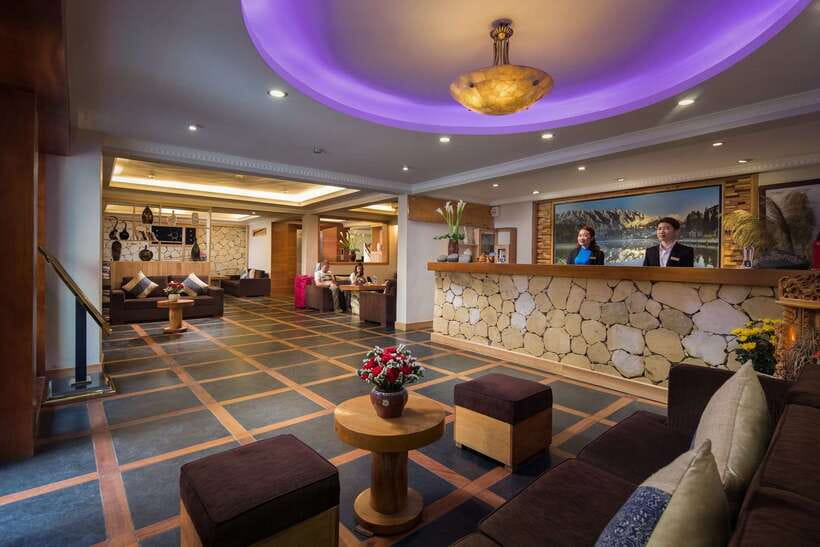
One more practical bonus: the tour includes a comfortable Sapa hotel and access to a swimming pool. After Day 1 walking, that’s an easy way to cool off and recover before the bigger trek day.
The Medium Trek Day: Lao Chai, Ta Van, and Giang Ta Chai
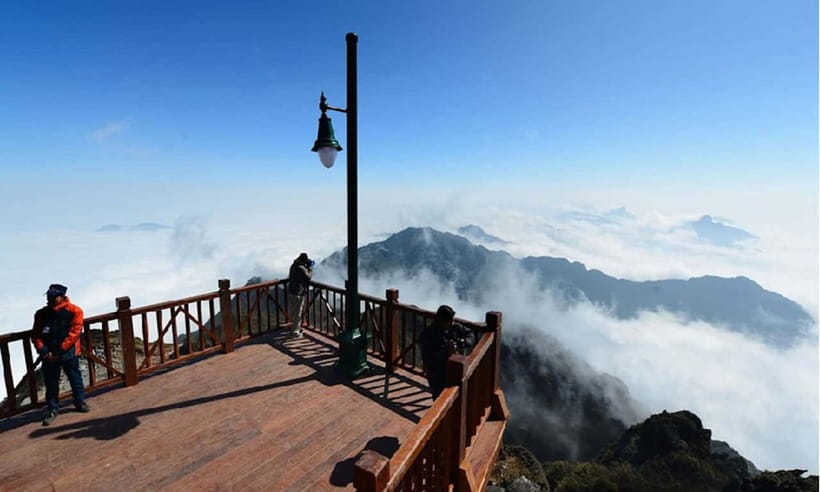
Day 2 is where the tour earns its keep. After breakfast, you take a 17km round-trip trek that’s described as a medium option. The goal isn’t just exercise. It’s learning how hill tribe communities live day to day in the mountains—through rice fields, crafts, and family visits.
Lao Chai: Daily life plus crafts
You’ll spend time around Lao Chai, with chances to see everyday routines and learn about traditional clothing and handicrafts. It’s the kind of stop where the guide’s English narration helps a lot, because you’re not just seeing items—you’re getting the context for what you’re looking at and why it matters to local identity.
There’s also a meal included on this day: lunch happens with the rhythm of a village visit, which usually feels more grounded than eating quickly in town and running out the door.




Ta Van: Dzay village, rice paddies, and a tea stop
After lunch, you continue walking to Ta Van village, which is home to the Dzay people. The tour’s emphasis here is on real village experience—beautiful houses that sit alongside rice paddy fields and a home visit where you can learn about family life.
A small detail like green tea matters more than you’d think. It gives you a pause in the day so you’re not always moving. You get a moment to sit, talk, and take in the sounds and pace of the place.
Giang Ta Chai: Terraces, bamboo forest, and waterfalls
Then you shift toward Giang Ta Chai, associated with the Red Dao people. The walking route includes terraced rice paddies, a bamboo forest, and waterfalls.
That mix changes the feel of the trek. Rice terraces give you wide, human-made views. Bamboo can feel cooler and shaded. Waterfalls add that steady background sound that makes the hike feel less like a chore and more like a journey.
By the evening, you’re back in Sapa Town for free time. This is the right kind of “recovery window,” because your Day 3 options don’t require trekking the same way.
Fansipan Peak on Your Terms: Cable Car Planning Without a Guide
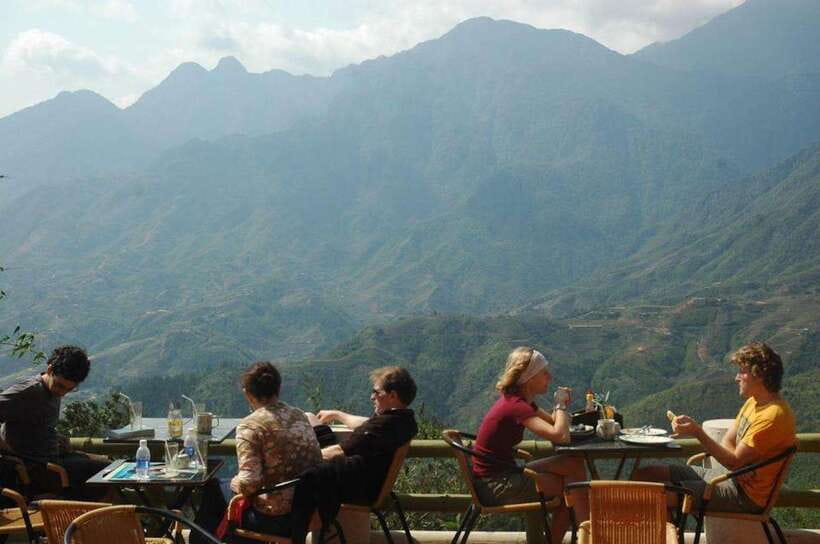
Day 3 is built with choice. You can take a free, easy morning—walk around Sapa Town at your own pace—or you can go for Fansipan Peak.
The Fansipan route is straightforward: you can book tickets for the Fansipan Cable Car at an extra cost. You then check out of your room (the plan notes the earliest check-in time is 1:00 PM, and check-out is midday). After that, you depart for the cable car station and ride up to the summit.
At the top, you get free time to enjoy panoramic views. Then you head back to Sapa for lunch and time to explore before the bus pick-up back to Hanoi at 2:30 PM.
Here’s the key thing to plan for: there is no guide on the third day. That’s not automatically a dealbreaker—many people do fine with it—but it does mean you should be ready to manage your own timing and decisions about cable car tickets.
If you’re the type who likes to ask questions and stay on-script, you might prefer the villages days more than the peak day. If you’re comfortable figuring out logistics and just want the views, the self-guided summit day can actually feel freeing.
Price and Logistics: What $161 Really Buys You

At $161 per person, this tour is priced like a value-focused way to see multiple villages rather than a simple day trip. What makes it feel reasonable is that you’re not paying separately for the core building blocks:
- Luxury bus transfer from Hanoi to Sapa and back
- Twin-shared accommodation in Sapa
- 3 lunches and 2 breakfasts
- A local English-speaking guide in Sapa
- Entrance tickets to the mentioned sites
- Pool access at the hotel
Fansipan cable car tickets are the one clear extra cost, since they’re not included. If you’re set on summit views, budget for that upfront. If you’re more interested in village walking than heights, you can keep costs lower by skipping the cable car and using the morning to enjoy Sapa at a slow pace.
Small-group limits also affect value. When the group is capped at 17, the tour doesn’t just feel nicer—it can actually function better on narrow paths and in village areas.
One more practical note: this tour isn’t sold as a major mobility option. It’s not suitable for people with mobility impairments, and it also isn’t suitable for children under 7 or for pregnant women, so plan around your comfort and stamina.
What to Pack (So You’re Comfortable, Not Just “Fine”)
Sapa’s weather can shift, and the hills mean you’ll be outside more than you think. Bring what helps you stay steady on your feet and warm when the air cools.
The tour’s packing list is solid:
- Warm clothing
- Hiking shoes
- Hat, scarf
- Sunscreen
- Insect repellent
- Cash
I also suggest packing for layering. A light jacket plus something warmer is often easier than one bulky piece, especially when you’re moving on a trek and then standing still for tea or village conversations.
And since Day 2 includes a 17km round trip, footwear matters. If you’re in squishy shoes, your feet will notice.
Who This Tour Suits Best
This is a great fit if you want:
- A guided introduction to Sapa’s hill tribe villages (Cat Cat, Lao Chai, Ta Van, Giang Ta Chai)
- A mix of trekking and downtime in Sapa Town
- A plan that handles Hanoi transport so you’re not stuck researching buses and stops
It’s also a good match if you enjoy learning through conversation, especially during home visits and craft-related moments. The tour’s pacing makes it easier to ask questions and pay attention instead of just rushing through.
If you prefer extremely gentle walking, the Day 2 distance may feel like a lot. If you rely on a guide every day, the “no guide on Day 3” setup might not be your favorite part.
Finally, this tour shines for people who like structure but still want personal time in Sapa Town evenings and a flexible Day 3 morning.
Should You Book This Sapa Tour?

I’d book it if your goal is real Sapa villages over a couple of days, with transport and meals handled, and you’re okay with moderate trekking. The guide support in Sapa (English-speaking) makes a big difference, and the guide’s role in helping with logistics—like check-in and settling in—can turn a long drive into a smooth start. The guide name Chang also comes up for a reason: warm welcome, quick help, and real context about life in Sapa.
I’d think twice if you hate managing details on your own. Day 3 has no guide, and Fansipan cable car tickets cost extra. If summit views are your top priority, confirm your plan in advance and give yourself calm time.
If that sounds like your style, this is a well-balanced way to see the north mountain culture around Sapa without turning the trip into a DIY puzzle.
FAQ
What is the tour duration?
The tour runs for 3 days and 2 nights.
Where is the pickup in Hanoi?
Pickup is offered from accommodations in Hanoi Old Quarter. You should wait in the hotel lobby about 10 minutes before the scheduled pickup time.
If I’m not staying in Hanoi, where do I meet the group?
If you’re staying outside of Hanoi, you can come to the office at 31 Lo Su, Hoan Kiem, Hanoi for tour departure.
What villages does the tour visit?
You visit Cat Cat village, Lao Chai, Ta Van, and Giang Ta Chai.
Is Fansipan Peak included?
Fansipan Peak is optional. You can book tickets for the Fansipan Cable Car at an extra cost.
How much trekking is included?
On Day 2, there’s a 17km round-trip trek described as a medium trek.
What meals are included?
The tour includes 3 lunches and 2 breakfasts.
Do you include a hotel and where does it include?
You stay in a twin-shared hotel in Sapa, and you also get use of the swimming pool.
Will there be a guide on the third day?
No. The information notes there will be no guide with you on the third day.
What should I bring for the tour?
Bring warm clothing, a hat, hiking shoes, sunscreen, insect repellent, sports shoes, a scarf, and cash.
You Might Also Enjoy




More 3-Day Experiences in Hanoi


More Tours in Hanoi
- Ninh Binh Full-Day Tour from Hanoi to Hoa Lu, Tam Coc & Mua Cave Via Boat & Bike
★ 5.0 · 4,384 reviews