REVIEW · SAPA TREKKING TOURS
From Hanoi: Sapa Real Experience 2-Day 1 Night at Ethnic Homestay
Book on Viator →Operated by Vietnam Real Tour · Bookable on Viator
Two days, one real homestay. This trek through the Hoàng Liên Sơn hills lets you step into daily life with Hmong, Tay, and Dao families, plus get time in Sa Pa town for shopping and sightseeing.
I especially loved the family-prepared meals and the chance to cook with the household team. I also liked the small-group pace (up to 15 people) and the way the guide keeps you moving through bamboo forest, terraced fields, and village paths, not just around viewpoints.
The main consideration: the hiking can be steep, slippery, and muddy, and the tour isn’t a fit if you have physical limitations or prefer easy walking. Weather changes fast up here too, so plan to dress for cold nights and wet ground.
In This Review
- Key highlights worth your attention
- Getting from Hanoi to Sa Pa without losing a whole day
- Sleeper bus to Sa Pa: long, but usually not miserable
- Day 1: Sa Pa town first, then a real village welcome at the homestay
- What to expect on Day 1 trekking time
- Day 2: Bamboo forest and terraced fields (where the challenge shows up)
- Morning pace and why it feels different
- Sa Pa free time: use it for the quick stuff that fits your energy
- Meals with your host family: more than food, it’s the daily rhythm
- Sleep and basic comfort: clean, but don’t expect luxury
- Gear and conditions: how to avoid turning a great trek into a miserable one
- Who this tour is best for (and who should skip it)
- Price and value: is $70 fair for what you get?
- Should you book this Sapa real experience?
- FAQ
- What time does the tour start in Hanoi?
- How long is the bus ride from Hanoi to Sa Pa?
- Where does the bus drop you back in Hanoi?
- What’s included for meals?
- Will I stay overnight with a host family?
- Do I get time in Sa Pa town for shopping or sightseeing?
- What language does the guide speak?
- How big is the group?
- Is the trek suitable for people with limited mobility?
- What’s the cancellation policy?
Key highlights worth your attention
- Overnight with your host family (local house) instead of a standard hotel stop
- Meals included: breakfast, lunch twice, and dinner with local dishes prepared by the family
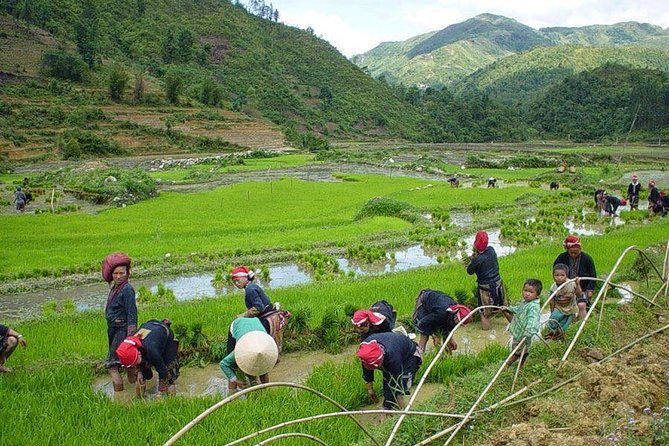
- Village trekking through Hmong, Tay, and Dao communities with photo time built in
- Short time in Sa Pa town so you can browse or do light sightseeing without racing the clock
- Guides and hosts with real local names, like Mama Zuzu, Mama Lihn, Mama Linh, and even Cat mimi in some groups
- Up to 15 people, which usually means more time to ask questions and get personal help
Getting from Hanoi to Sa Pa without losing a whole day
This is a straight shot out of Hanoi’s Old Quarter area. You meet at 30 P. Lý Thái Tổ at 6:30am, then your group is picked up by name and transferred to a sleeper bus headed for Sa Pa. The ride is part of the plan, not an add-on, and the timing is set so you arrive mid-day rather than late night.
Why that matters: Sa Pa days can get swallowed by transportation. Here, you actually get a real afternoon in the region, plus the next full day for trekking, before returning to Hanoi. Also, the tour includes return transport on an air-conditioned sharing sleeper bus, so you’re not left hunting for your own ride back.
One more small detail that affects comfort: the bus drop-off is back in the Old Quarter area at the end, and then you handle the final walk or short transfer to your hotel on your own if needed. If your hotel is outside the Old Quarter, double-check how you’ll get from the drop point.
You can also read our reviews of more evening experiences in Hanoi



Sleeper bus to Sa Pa: long, but usually not miserable
The schedule is built around a roughly 6-hour bus transfer, arriving around 12:45 in Sa Pa town. Expect a long road day—this is northern Vietnam, not a quick hop.
What I like about this setup is that you arrive with enough daylight to get oriented. You’re not just dumped into a busy street and told good luck. There’s a guide presence at arrival, plus an organized first step into the local experience.
A practical tip from how these treks run: routes can adjust with the weather. If you hit fog or cloud cover, the path may shift. That’s not unusual in the mountains, and it’s one reason sturdy footwear matters (more on that later).
Day 1: Sa Pa town first, then a real village welcome at the homestay

Once you arrive in Sa Pa, your guide welcomes you and you begin your real Sapa experience. The afternoon includes trekking time, but the big Day 1 moment is arriving at the host family house in Ta Van Village (and being treated like you’ve been invited, not like you’re a paying customer in a showroom).
At the homestay, you’ll be welcomed by the family and given the option to help with dinner prep. That’s where this tour feels most authentic: you’re not just watching a cultural performance. You’re standing in the kitchen area, getting a feel for what the household does day-to-day—like preparing ingredients and cooking together.
What to expect on Day 1 trekking time
You get guided trekking and village visiting, plus photo breaks. The walking is not just about reaching a view. It’s about moving through the rhythm of rural life. Even if you’re not doing anything dramatic, you’ll likely notice small differences in daily routine as you pass between villages and paths.
One more thing: the tour is designed for moderate interaction, not constant marching. You do get stretches of walking, but you’re not sprinting from stop to stop every minute.
Day 2: Bamboo forest and terraced fields (where the challenge shows up)
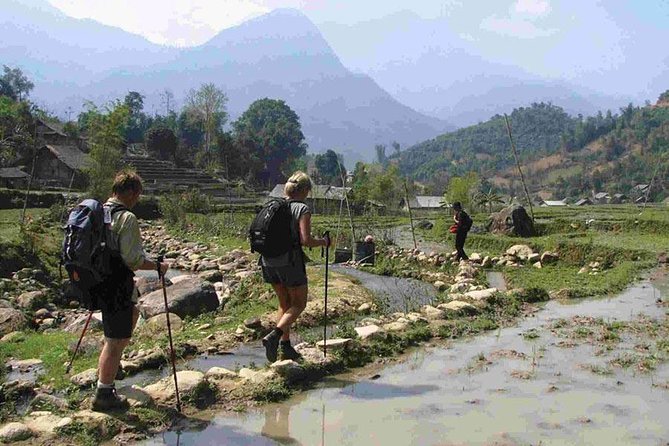
Day 2 starts with an early wake-up feel inside the homestay. You’ll cook or help with breakfast and then join together for the next round of hiking.
This is the day where the itinerary leans hardest into scenery and effort:
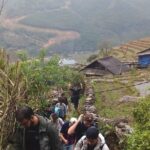
- trekking to see further villages
- passing through bamboo forest
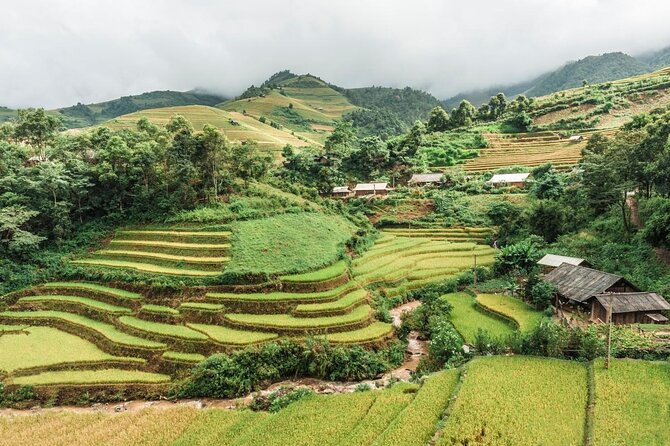
- walking over terraced fields
And yes, terraces here are beautiful, but they also mean slope. Based on how groups describe the trek, there are parts that can be steep and can turn slippery and muddy, especially if it’s wet. That’s why this tour includes warnings for people who have physical difficulties or prefer low-impact walking.
You can also read our reviews of more tours and experiences in Hanoi
- Doris Cruise 5 star cruise 2 days visiting Halong Bay Lan Ha Bay private balcony
★ 5.0 · 2,338 reviews




Morning pace and why it feels different
Morning light often helps visibility, and the air tends to feel sharper once you’re up and moving. You also get more chances to pause, take photos, and ask questions while the group is still fresh. Some paths are simply more interesting when you’re not already tired.
If you’re choosing between this tour and an easier option, be honest with yourself: this one includes real hiking time, often with uneven ground. In a few groups, people report walking over 10km across both days, with steep ups and downs.
At the end of the second walk, you may get a short ride back to Sa Pa (some groups report a scooter-style transfer). The key point is that the walking doesn’t go on forever.
Sa Pa free time: use it for the quick stuff that fits your energy
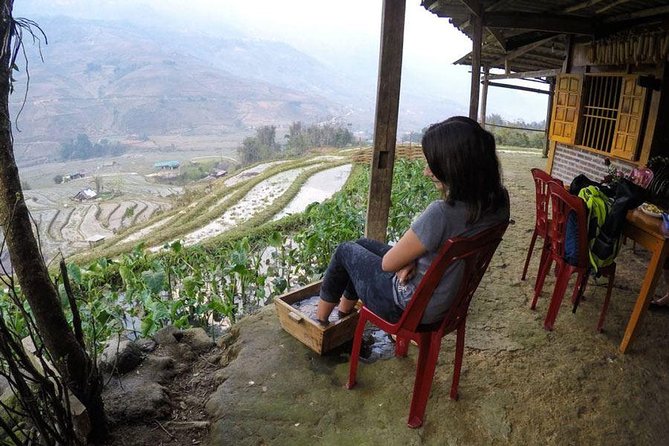
Between the mountain trek days, you get built-in free time in Sa Pa town. That’s your chance to handle the practical stuff: shopping, a café break, or light sightseeing.
My advice: don’t treat free time as a blank check for a long agenda. You’ll be tired from the trek. Instead, keep it simple:
- browse local shops without rushing
- pick up a warm layer if you ended up underpacked
- do short sightseeing instead of long-distance hauling
This tour gives you just enough town time to feel like you did more than hike and eat. You’re also less likely to waste your energy on planning because it’s already scheduled into the day.
Meals with your host family: more than food, it’s the daily rhythm
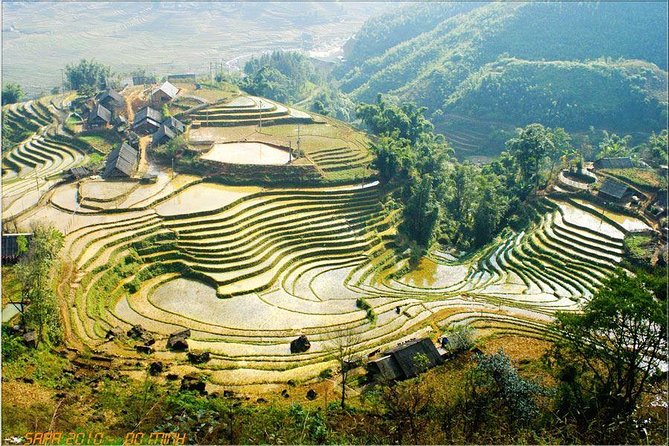
This tour is built around food that comes from the household, not a restaurant chain menu. You get breakfast and dinner included, plus lunch twice (labeled as meals as mentioned, with local dishes). The family also prepares dinner, and in some cases you can join in with cooking and even picking vegetables from the garden.
Why I think this is a big deal: you learn what people actually eat and how they plan for mountain life. It’s not a lecture. It’s just what’s on the table.
A few extra moments that pop up in the experience:
- after dinner, some groups share a casual evening like karaoke
- some hosts may offer homemade alcohol sometimes described as happy water
- the atmosphere is usually friendly and low-pressure, since you’re part of the household routine for a night
None of this is guaranteed as a formal program, but it’s the kind of relaxed, family-social vibe that tends to happen when you stay in a home rather than a hotel.
Sleep and basic comfort: clean, but don’t expect luxury
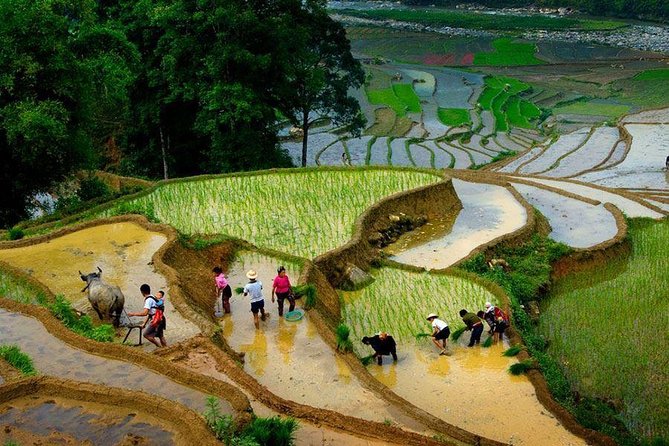
The accommodation is a local house. That means you should expect simple, honest comfort. The good news: multiple people describe the homestay as super clean, and many mention the bathroom and shower are well kept.
What you should plan for anyway:
- cold nights (this is high-elevation, and weather shifts quickly)
- less predictable heating than in a city hotel
- shared or simpler bathroom setups than you’re used to
Pack layers. If you sweat during the hike, you’ll also want enough clothes to change for the next walk. One helpful detail from past participants: bring what you need for a full clothing change because mountain walking makes you work up a sweat.
Also: your bed comfort is probably fine, but remember this is a home. It won’t feel like a resort.
Gear and conditions: how to avoid turning a great trek into a miserable one

If you take only one piece of advice from this review, make it this: bring the right shoes. The trek includes steep, slick sections that can be muddy. A wet scramble on the wrong footwear can turn scary fast.
Then plan for weather reality:
- fog and clouds can change routes and visibility
- rain can make the trail slippery
- evening temperature can drop sharply
So, aim for:
- sturdy hiking shoes with grip
- a warm layer for night and early morning
- something rain-ready for the hike if the sky looks uncertain
The tour also explicitly requires good weather. If conditions are poor, your date might change or you could be offered a different option, since the experience depends on the mountain trail being workable.
Who this tour is best for (and who should skip it)
This works best if you:
- like walking with purpose, not just collecting photos
- want cultural contact through daily life, especially meals
- enjoy village-level conversation and hands-on moments like cooking or garden tasks
- are comfortable with basic accommodations for one night
This is not the best fit if you:
- need very easy walking
- have mobility issues or health concerns
- are looking for guaranteed luxury or a zero-challenge day
The operator also notes it’s not recommended for people over 60 and those with physical difficulties. Even if you’re younger, be realistic about your footing and stamina. This trek is the point.
Price and value: is $70 fair for what you get?
At $70 per person, this tour is priced like a real experience rather than a budget taxi ride. The value comes from a few bundled costs that would be harder to assemble on your own:
- round-trip sleeper bus from the Hanoi Old Quarter area
- local English-speaking guide and local host support
- homestay overnight in a local house
- meals: breakfast, lunch twice, and dinner with family-prepared local dishes
- trekking time and village visits
- entrance fees
And here’s why that matters: Sa Pa treks can easily become expensive once you pay for transport, a guide, food, and accommodation separately. This package keeps you focused on the mountains instead of budgeting each piece mid-trip.
Also, the group limit of up to 15 people suggests you’re not stuck in a huge crowd. Smaller groups tend to make the cultural interactions more natural and easier to manage.
If you’re the type who wants a checklist of famous sights, this might feel too village-focused. But if you want the everyday version of the north, it’s strong value.
Should you book this Sapa real experience?
Book it if you want a two-day hiking-and-family trip that feels like a lived-in place, not a quick drive-by. I’d especially recommend it if you care about meals prepared by the household and you’re okay with basic comfort for one night.
Skip it if you’re sensitive to slopes, slick trails, or cold nights. The walking is genuinely challenging in spots, and weather can shift fast up in the Hoàng Liên Sơn.
If you’re deciding right now, my “yes” test is simple: you should be excited by the idea of helping with dinner, walking through bamboo and terraces, and exchanging real conversation with hosts named Mama—whether that’s Mama Zuzu, Mama Lihn, Mama Linh, or another local family.
FAQ
What time does the tour start in Hanoi?
The start time is 6:30am, with meeting at 30 P. Lý Thái Tổ in the Old Quarter area.
How long is the bus ride from Hanoi to Sa Pa?
The schedule indicates about 6 hours on the sleeper bus, with arrival in Sa Pa town around 12:45.
Where does the bus drop you back in Hanoi?
At the end, the bus drops customers back at 30 Ly Thai To street in the Old Quarter area, and you can go to your hotel from there on your own.
What’s included for meals?
The tour includes breakfast, lunch (2 times), and dinner, with local dishes prepared as part of the family homestay experience.
Will I stay overnight with a host family?
Yes. You have accommodation in a local house with a host family for the 1 night.
Do I get time in Sa Pa town for shopping or sightseeing?
Yes. Free time in Sa Pa is built into the schedule for shopping or sightseeing.
What language does the guide speak?
The tour includes a local English-speaking tour guide.
How big is the group?
The experience has a maximum of 15 travelers.
Is the trek suitable for people with limited mobility?
It’s not recommended for people over 60 or for those with any physical difficulties.
What’s the cancellation policy?
You can cancel for a full refund if you cancel at least 24 hours in advance. Free cancellation is available, and the cut-off is based on local time.
You Might Also Enjoy




More 2-Day Experiences in Hanoi
- Doris Cruise 5 star cruise 2 days visiting Halong Bay Lan Ha Bay private balcony
★ 5.0 · 2,338 reviews