REVIEW · HANOI
Authentic Bun Cha Hanoi making – with skyline view of Westlake
Book on Viator →Operated by The Good Vibes - Cultural and Local Experiences · Bookable on Viator
Hanoi does food lessons differently. This 4-hour class takes you from a local wet market to a rooftop kitchen with skyline and West Lake views, then feeds you what you make. I especially like the tight group size (max 10) and the way the host walks you through how Hanoians shop, cook, and even eat bun cha the right way. One thing to consider: the plan depends on decent weather, since the cooking space is outdoors on a rooftop.
You’ll also get practical guidance that goes beyond recipes. After you buy fresh ingredients and pick herbs from the place’s organic garden, you’ll cook bun cha plus other classic dishes like papaya salad and spring rolls. It’s a hands-on meal, not a demo, and you’ll finish with drinks and a secret homemade dessert.
If you’re the type who hates markets or finds cooking classes too structured, you might prefer a regular restaurant meal. But if you want the real method, the setting helps. West Lake is right there, and you’ll learn why bun cha tastes like it does when the ingredients are truly fresh.
In This Review
- Key Things I’d Focus On Before You Go
- West Lake Rooftop Views Make This Cooking Class Feel Like More Than Dinner
- From Hotel Pickup to the Wet Market: Where the Flavor Starts
- The Rooftop Kitchen Setup: Small-Group Cooking With Real Instructions
- What You Cook: Bun Cha Hanoi Plus Classic Side Dishes
- Eating Etiquette, Table Stories, and the Drinks Pairing
- Timing, Pace, and Who This Class Fits Best
- Price and Value: What $40 Buys You in Hanoi
- Should You Book This Hanoi Bun Cha Class?
- FAQ
- How long is the bun cha cooking class?
- Does the experience include hotel pickup and drop-off?
- What dishes will I make and eat?
- Are drinks included?
- How many people are in the class?
- What should I know about children and dietary restrictions?
Key Things I’d Focus On Before You Go
- West Lake rooftop setting: skyline views while you cook, then eat with Hanoi in the background
- Market-to-menu flow: you shop for produce and herbs before you touch the stove
- Hands-on bun cha method: you cook the Hanoi-style components yourself, not just watch
- Small group attention: max 10 people means more questions answered in real time
- Included drinks and wine tasting: you can pair your meal with free beer/soft drinks and local wine
- Secret traditional dessert: a final sweet stop that feels like it belongs to Hanoi
West Lake Rooftop Views Make This Cooking Class Feel Like More Than Dinner
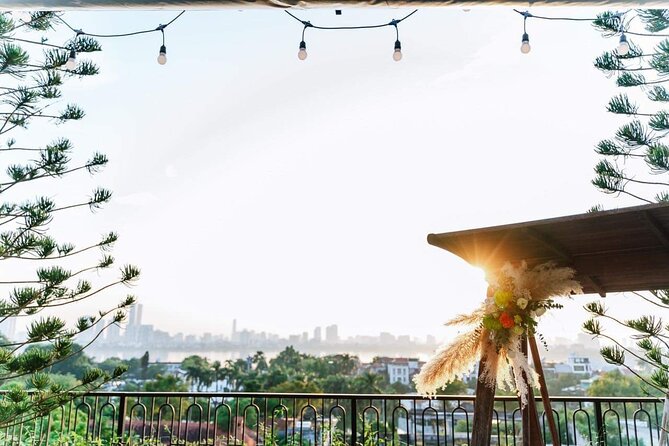
This class works because it ties two sides of Hanoi together: food and place. Most cooking experiences give you ingredients and instructions. This one adds the skyline and West Lake panorama, so the whole meal has a calm, scenic rhythm instead of feeling like a crowded food tour.
I like that the venue is a rooftop facing West Lake. Even if you’re not a “views person,” it changes how the evening feels while you’re cooking and plating. The pace also stays relaxed: you’re learning, then you’re eating your own food with draft local beer or a soft drink in hand.
And the bun cha is the anchor. You’re not making a random “Vietnamese meat noodle bowl.” You’re making bun cha the Hanoi way, which matters because small changes in grilling, dipping sauce, and noodle/cucumber/herb balance are what separate good bun cha from unforgettable bun cha.
One more practical plus: with a small group, the host can correct your technique and help you adjust when something goes sideways. That’s rare in bigger classes.
You can also read our reviews of more tours and experiences in Hanoi.


From Hotel Pickup to the Wet Market: Where the Flavor Starts
The experience kicks off with pickup and drop-off from your lodging (when available). If you’re not using pickup, you’ll start from the listed meeting point: Chùa Thầychân núi, Quốc Oai, Hanoi. Either way, you’re headed into the real food channel fast.
The market stop is where you learn what locals actually buy and why. You’ll visit a local wet market to explore produce and herbs, then purchase fresh ingredients for your cooking session. This is one of the best parts for me because it turns bun cha from a dish you order into ingredients you recognize.
You’ll also hear explanations tied to how Hanoi eats: what to look for in herbs, how produce differs by season, and what those choices mean once you’re cooking. If you’ve ever tried to recreate Vietnamese dishes at home and the results feel flat, this step is the missing piece.
A drawback to be aware of: markets can be busy, and you’ll be walking around before you cook. If you’re sensitive to crowds or strong smells, plan to dress comfortably and keep your phone secure.
The Rooftop Kitchen Setup: Small-Group Cooking With Real Instructions
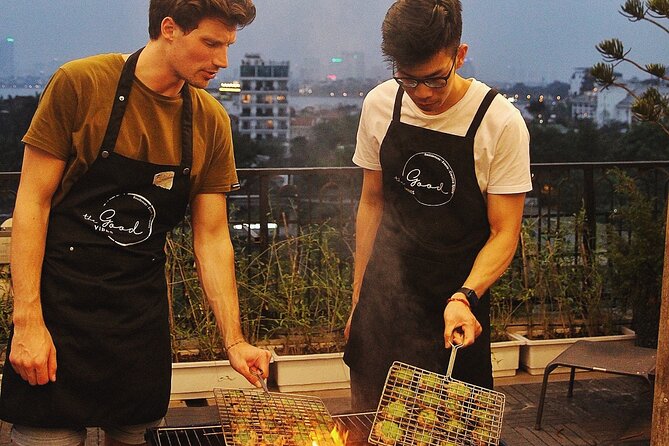
After the market, you head up to the kitchen venue. It’s a rooftop setup, and that matters for two reasons. First, the airflow helps during cooking. Second, it keeps the mood outdoors while still feeling like a dedicated food workspace.
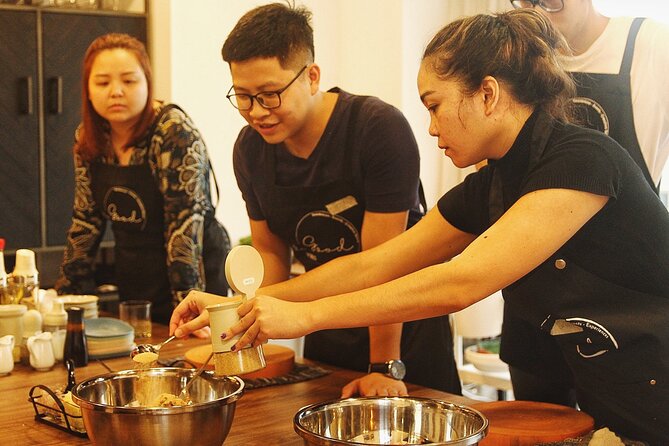
The class is capped at 10 travelers, which is why this doesn’t feel chaotic. In bigger groups, the host ends up repeating instructions while you wait. Here, you’re close enough to ask questions and get feedback.
You’ll prepare multiple dishes with a local English-speaking host. In the food process, you’ll also learn the “why” behind techniques, plus Hanoi-specific notes like how the flavors are built for bun cha rather than simply mixed in.
From the reviews, I know the hosts pay attention to basics too. People mention small aprons and a careful check-in about dietary restrictions beforehand. If you have allergies or you avoid certain ingredients, tell the host in advance so they can plan around it.
What You Cook: Bun Cha Hanoi Plus Classic Side Dishes
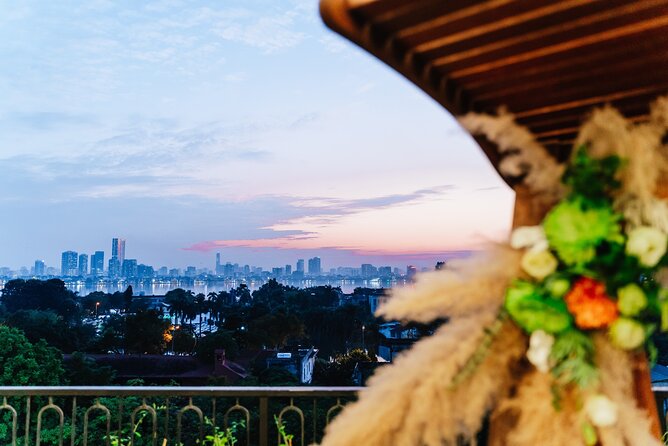
The headline dish is bun cha Hanoi. That means grilled pork (the star), a dipping sauce, and the noodle-and-herb balance that makes the whole bowl work. Your meal isn’t just one component. You’re making a set of parts that come together into the real Hanoian eating style.
Alongside bun cha, the class includes other traditional dishes such as papaya salad and spring rolls. Even if you’re already familiar with Vietnamese salads or roll-making, the value here is learning how the ingredients are assembled to match Vietnamese eating habits, not just a Western idea of how the final plate should look.
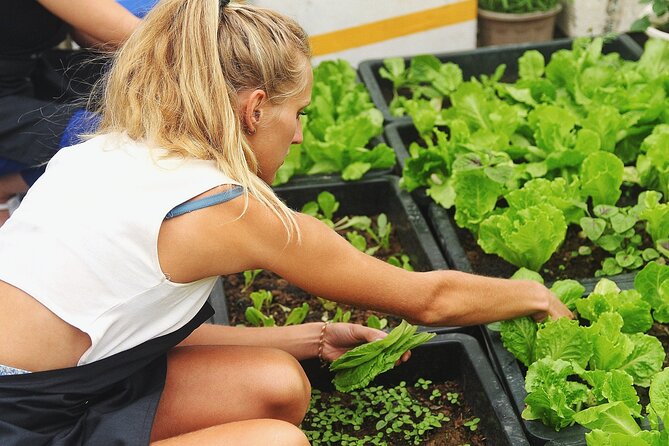
The tour also includes picking fresh vegetables and Vietnamese herbs from the kitchen’s organic garden. That’s a big quality clue. Fresh herbs change the flavor instantly, and you’ll taste that difference when the dishes come out.
You’ll likely follow a structured flow: prep → cook → plate → eat. But because you’re actively involved, it feels more like working with friends than passively consuming a show. Reviews also mention getting an e-cookbook afterward, which is a helpful way to remember ratios and steps once you’re back home.
Eating Etiquette, Table Stories, and the Drinks Pairing
One of the smartest parts of this experience is what happens after cooking. You sit down to eat your own food, and the host shares stories and practical notes about Vietnamese eating etiquette and culinary culture, with a focus on Hanoi.
This is where the class becomes more than a cooking session. You learn how people approach bun cha as a shared meal, how to balance dipping sauce with noodles and herbs, and what to pay attention to for best flavor. These are small points, but they’re the ones that help your homemade version taste right instead of just looking right.
Drinks are included: free 1 beer or soft drinks, plus a local wine tasting. Alcohol is only served to guests of legal drinking age, but there are non-alcohol options, so you’re not locked into ordering something you don’t want.
And yes, dessert is part of the event. You’ll be introduced to a secret homemade dessert and experience it in a traditional Hanoian way. I like that it ends the class on a local note instead of switching into something generic. It’s a small detail, but it makes the meal feel complete.

Timing, Pace, and Who This Class Fits Best
The experience runs about 4 hours. That’s enough time to shop, cook, and eat without feeling rushed. It’s also long enough to learn real technique steps, especially since it’s hands-on and limited to 10 people.
Pace-wise, expect a mix of walking and cooking. The market portion gives context. The kitchen portion gives skills. The meal portion gives closure, plus drinks and stories.
This class is a strong match for:
- Couples and small groups who want a shared meal with a view
- Food lovers who like learning by doing (not just watching)
- Visitors staying in or around Hanoi’s Old Quarter who want something local and specific
It may be less ideal if:
- You only want a quick bite and you hate markets
- You prefer purely indoor activities (rooftop cooking is weather-dependent)
If you’re traveling with kids: all ages are welcomed, but you should inform the provider if your child is under 10 so they can accommodate with suitable equipment.
Price and Value: What $40 Buys You in Hanoi
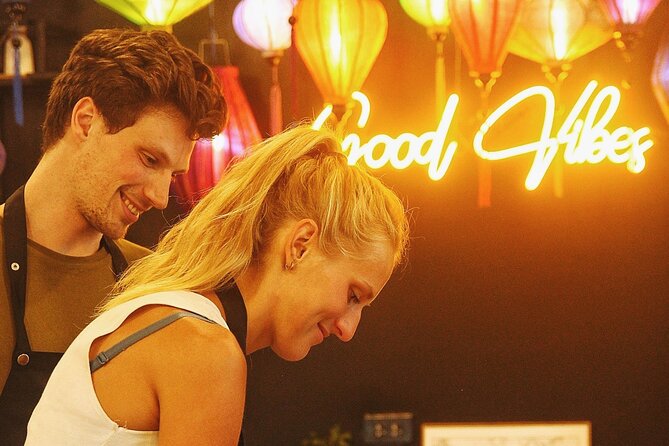
At $40 per person, this is priced like a premium local experience, and you should judge it by what’s included, not just the headline number.
You get:
- Pickup and drop-off to/from the experience venue
- A local market tour to buy ingredients
- A local English-speaking host and cultural/eating etiquette lessons
- Ingredient preparation help, including herbs from the kitchen’s organic garden
- A 4-course menu that includes bun cha plus other traditional dishes
- Drinks: free beer/soft drink and local wine tasting
- A secret homemade dessert
In practice, that inclusion list is why the price can feel fair. You’re paying for food shopping time, instruction, multiple dishes, and drinks, all in a small-group setting with a West Lake rooftop view. If you’d otherwise pay for bun cha plus a market-style food experience, you’d likely spend more than you think.
What you still might plan for: gratuities and tips aren’t included. Also, if you have dietary restrictions, confirm ahead of time so you’re not guessing when you arrive.
Should You Book This Hanoi Bun Cha Class?
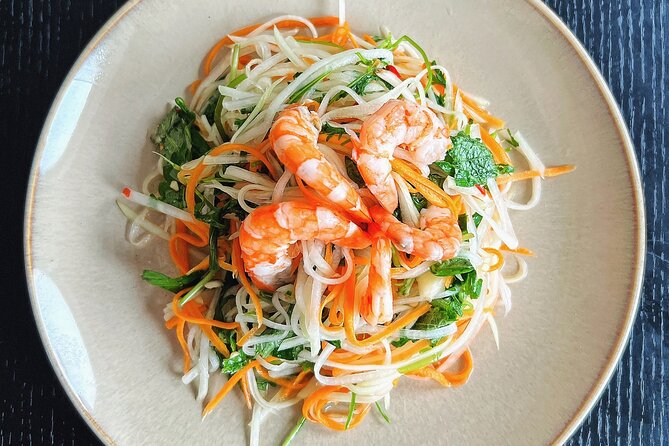
Book it if you want bun cha done properly, with ingredients you picked yourself and a rooftop setting that makes the meal feel special even before the food hits the table. The small-group cap and the host’s attention to eating etiquette and culture are the kind of details that help the experience stick.
Skip it if your ideal Hanoi day is mostly museum-hopping and street wandering, not cooking and market walking. Also consider the weather factor: because it’s a rooftop setup, conditions matter.
If you want a high-value evening in Hanoi that blends technique, food culture, and West Lake views in one tidy 4-hour block, this class is a smart pick.
FAQ
How long is the bun cha cooking class?
It lasts about 4 hours.
Does the experience include hotel pickup and drop-off?
Yes. Pickup and drop-off to/from the experience venue are included.
What dishes will I make and eat?
You’ll cook bun cha and other traditional Vietnamese dishes. The class mentions options like papaya salad and spring rolls, plus a secret homemade dessert at the end.
Are drinks included?
Yes. You’ll get free 1 beer or soft drink, and there’s also a local wine tasting. Alcohol is only served to guests of legal drinking age.
How many people are in the class?
The group is limited to a maximum of 10 travelers.
What should I know about children and dietary restrictions?
Kids of all ages are welcomed, but you should inform the provider if you bring children under 10 so they can accommodate with suitable equipment. Let the host know about allergies or dietary restrictions in advance.